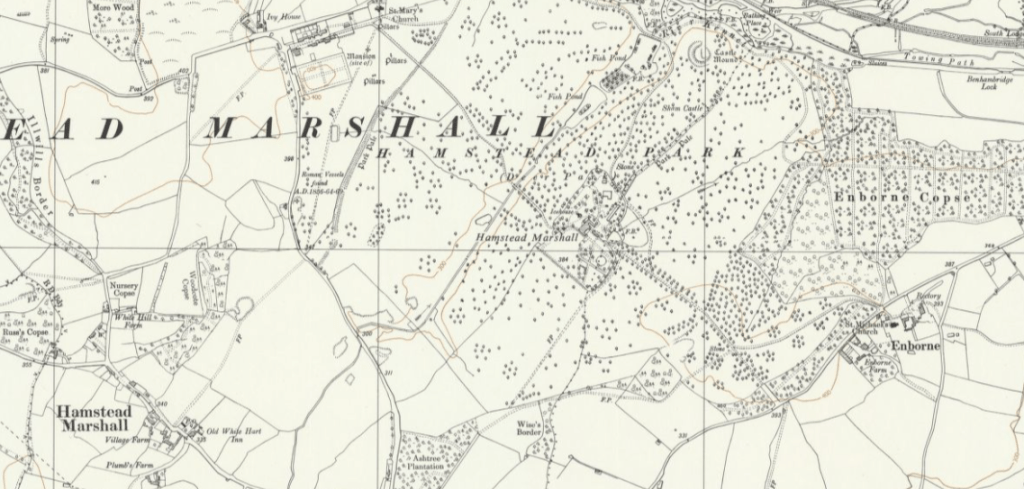
Hamstead Park lies between the villages of Hamstead Marshall and Enborne, around four miles to the east of Kintbury. In medieval times it was a deer park belonging to William, Earl Marshall of England and later became the property of the Crown. However, between 1620 and 1984, Hamstead Park belonged to the Craven family. A notable member of this family was Governor Charles Craven, governor of South Carolina between 1711 & 1716.
But Governor Craven was not to be Hamstead Park’s only link with America.
In the years immediately preceding and following the outbreak of war with Nazi Germany in 1939, the Government was able to requisition properties and land for use in the war effort. One thousand new military industrial factories were built on green field sites and 450 new military airfields were constructed, mainly on agricultural land. Throughout the south and east of England, concrete “pill boxes” and anti -tank devices appeared across the landscape.

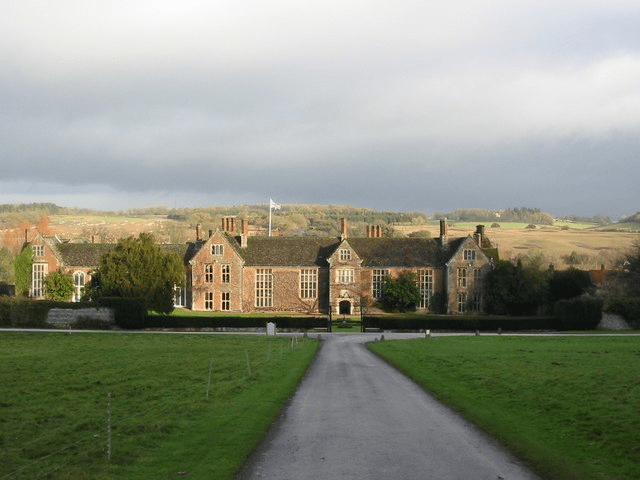
Many larger private houses were requisitioned for military purposes. Basildon Park, near Reading, Shaw House near Newbury and Littlecote House near Hungerford were under military occupation for at least part of the war.
Following the Japanese attack on Pear Harbour in December 1941, the United States, under President Franklin D. Roosevelt, entered the war. In the following years, over two million American troops passed through Britain.

In preparation for their departure, British and Canadian troops were stationed in the south and south east of England, whilst the American troops were stationed towards the south and south west.
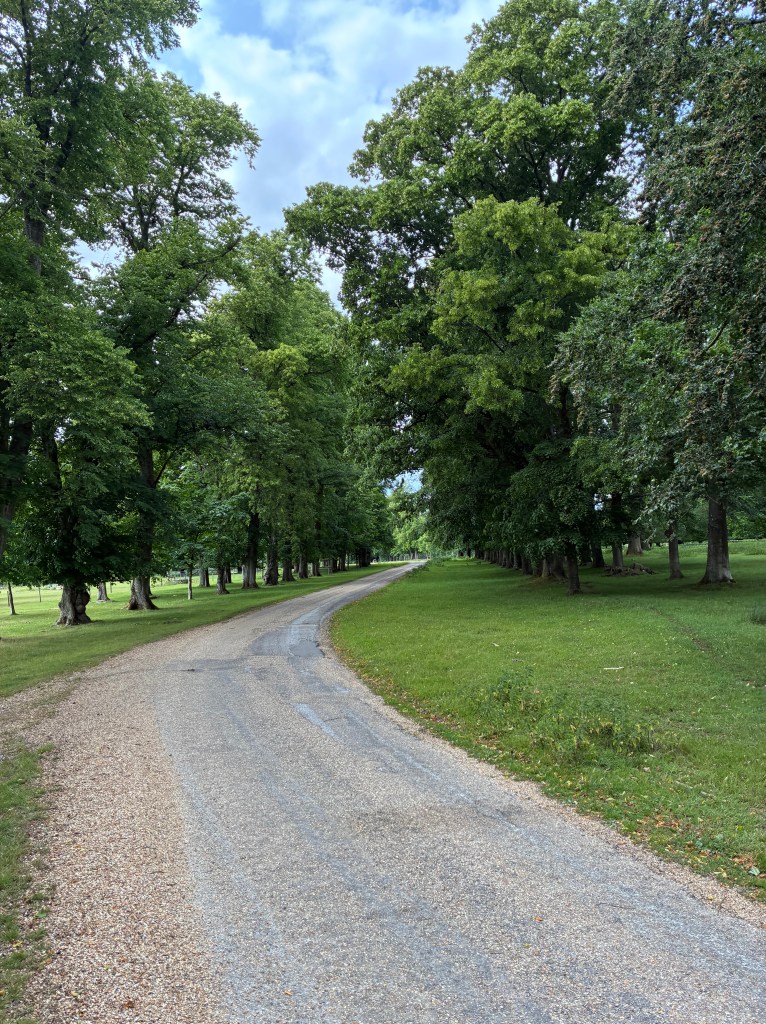
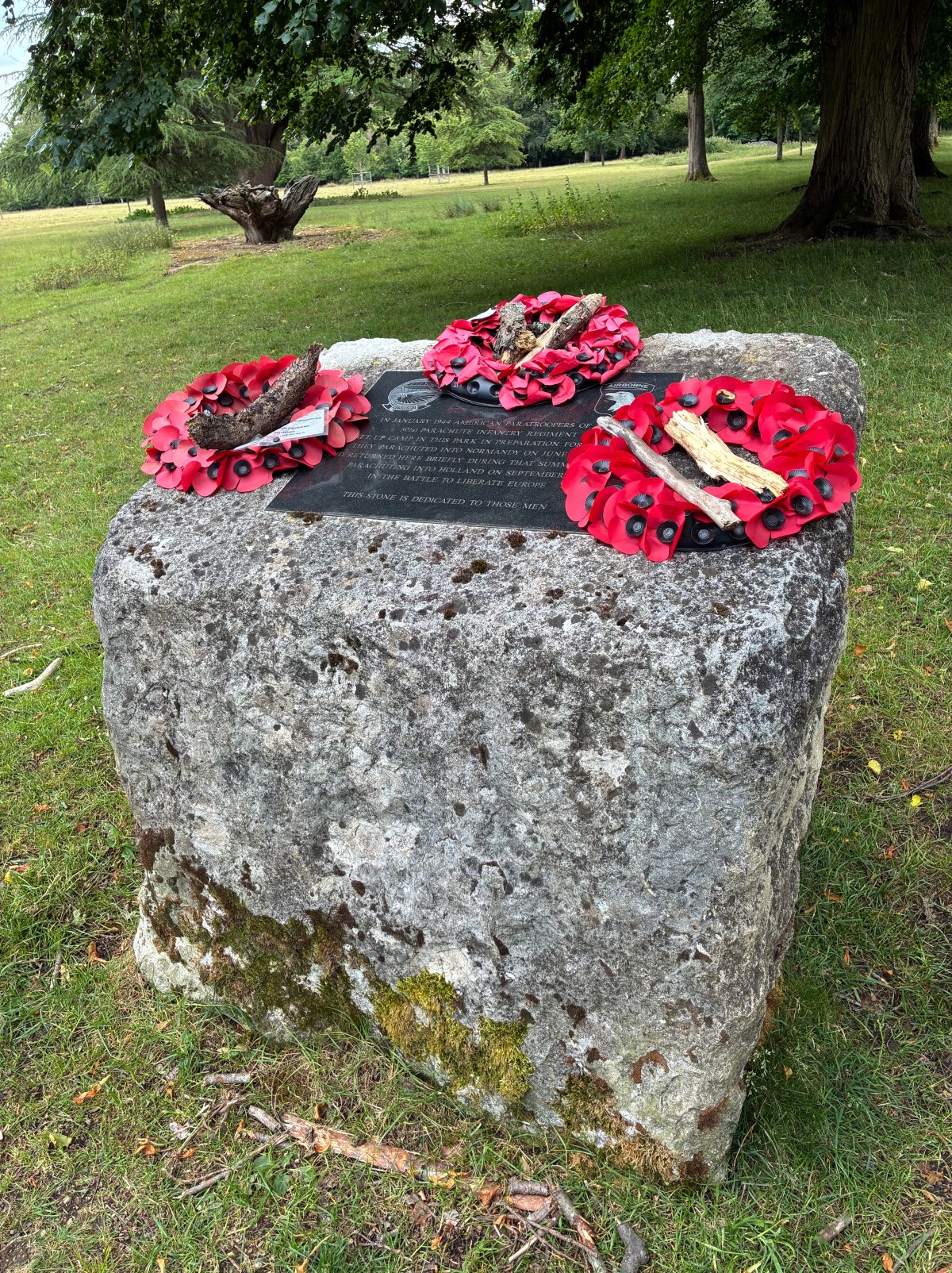
In January 1944, Hamstead Park had seen the arrival of men from the 2nd Battalion of the 501st Parachute Infantry Regiment.
Once in England, the battalion became permanently attached to the 101st Airborne Division, known as the “Screaming Eagles”. Several villages in the area found themselves playing host to men of the 101st, including Ramsbury, Chilton Foliat, Froxfield and Aldbourne in Wiltshire and Greenham Common, Welford and Aldermaston as well as Hamstead Park in Berkshire.
According to Newbury resident, Allan Mercado, speaking to the Newbury Weekly News in June 2024, Newbury children would cycle out to Enborne at weekends to see the fascinating new arrivals living in tents in Hamstead Park. The soldiers would give the children gum and teach them card games.
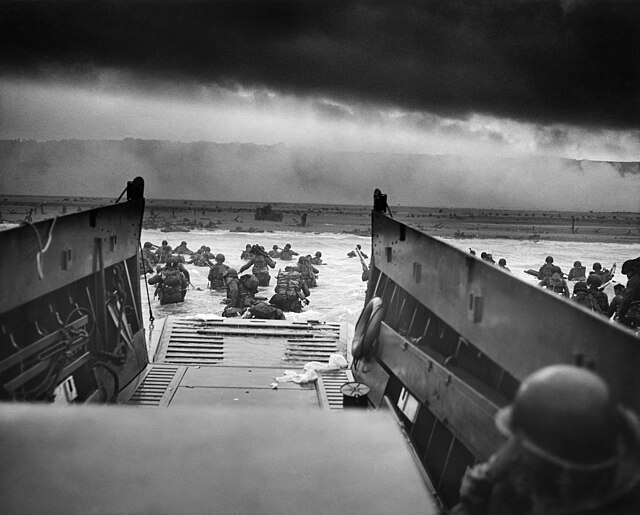
By May 1944, 1.5 million American troops had arrived in Britain in preparation for “D Day” – the day on which they would depart for France as part of the plan to liberate northern Europe in what was to be known as Operation Overlord.
For those weeks in 1944, American soldiers were a familiar sight in the village shops in this part of Berkshire and over the border in Wiltshire. American voices filled village pubs. But then, very suddenly, on that day in June, they disappeared. At first no one knew where they had all gone, or why
By the time the various villagers realised the soldiers had departed, those men would have been fighting on the beaches of Normandy. Many would never return home.
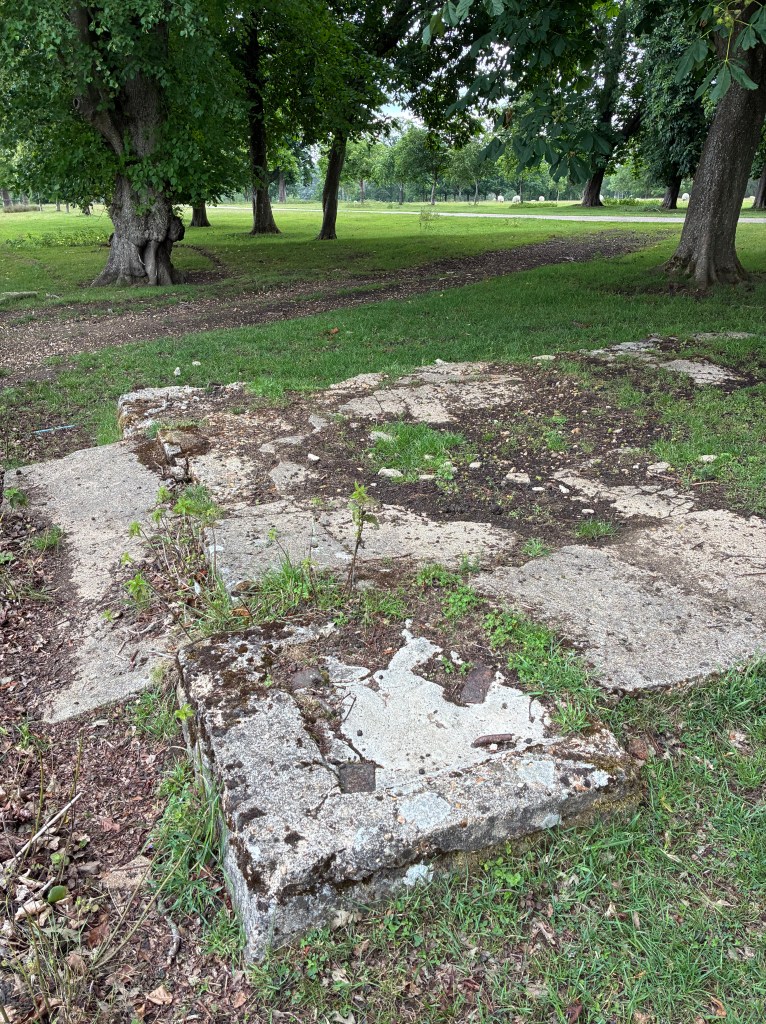
Today Hamstead Park is a peaceful green space enjoyed by ramblers and local dog walkers. Sheep occupy the area once filled with temporary military accommodation, the only remaining signs of the paratroupers’ presence being the concrete platforms slowly being lost to the grass and undergrowth.

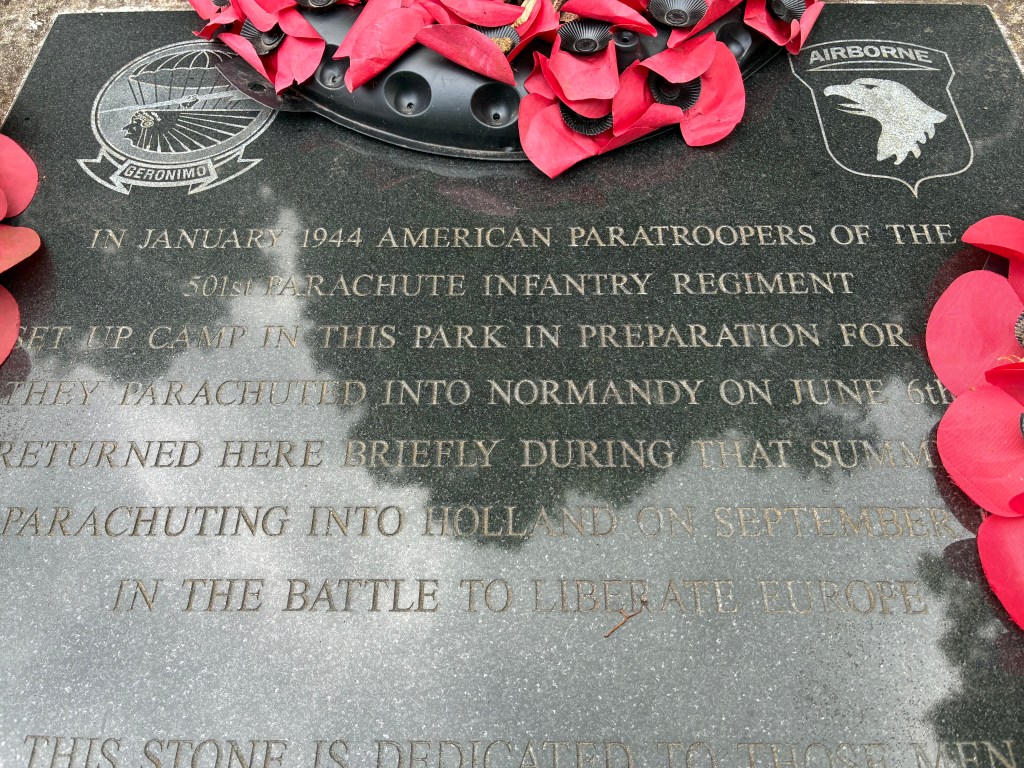
But the people of Hamstead Marshall and Enborne remember when the villages played host to the American troops and every year on Remembrance Sunday the service at St Michael’s & All Angels, Enborne begins at the memorial in the park.

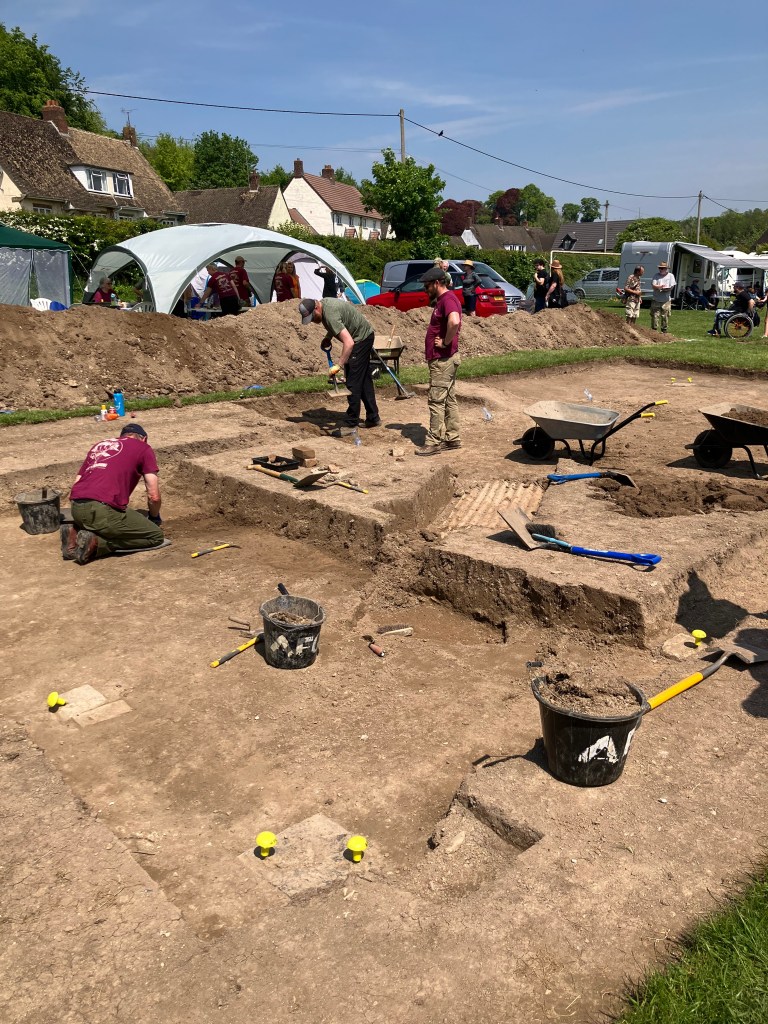
At Chilton Foliat, just over the county border in Wiltshire, the site of the 101st Airborne Division’s base has been excavated by archaeologists from Operation Nightingale and Time Team:
:https://www.timeteamdigital.com/digging-band-of-brothers—wiltshire
Sources:
http://www.ww2-airborne.us/units/501/501
museumofberkshireaviation.co.uk/html/history/avinberks
hungerfordvirtualmuseum.co.uk
(C) Theresa A. Lock 2025
 Kintbury and Beyond