When the Stars & Stripes flew over Enborne

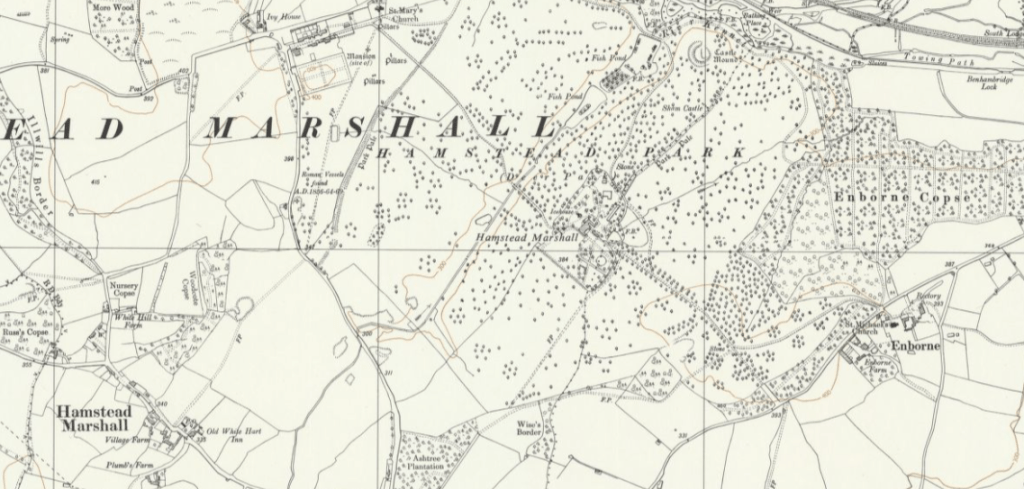
Hamstead Park lies between the villages of Hamstead Marshall and Enborne, around four miles to the east of Kintbury. In medieval times it was a deer park belonging to William, Earl Marshall of England and later became the property of the Crown. However, between 1620 and 1984, Hamstead Park belonged to the Craven family. A notable member of this family was Governor Charles Craven, governor of South Carolina between 1711 & 1716.

But Governor Craven was not to be Hamstead Park’s only link with America.

In the years immediately preceding and following the outbreak of war with Nazi Germany in 1939, the Government was able to requisition properties and land for use in the war effort. One thousand new military industrial factories were built on green field sites and 450 new military airfields were constructed, mainly on agricultural land. Throughout the south and east of England, concrete “pill boxes” and anti -tank devices appeared across the landscape.

A “pill box”. Photo: Sam Tait, Wikicommons

Many larger private houses were requisitioned for military purposes. Basildon Park, near Reading, Shaw House near Newbury and Littlecote House near Hungerford were under military occupation for at least part of the war.
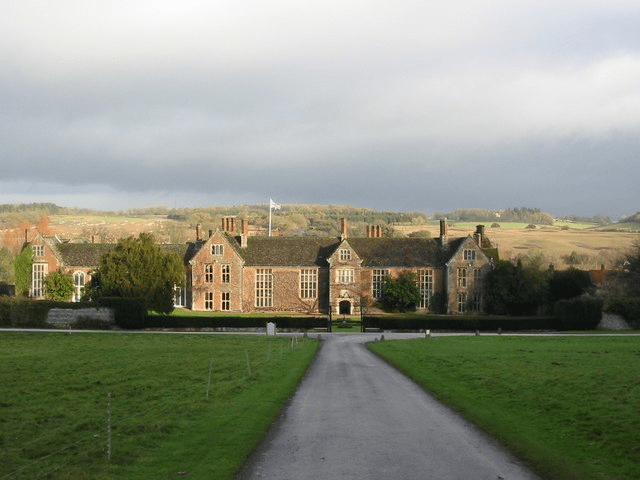
Littlecote House. Photo: Phil Catterell, Wikicommons

Following the Japanese attack on Pear Harbour in December 1941, the United States, under President Franklin D. Roosevelt, entered the war. In the following years, over two million American troops passed through Britain.

President Franklin D. Roosevelt

In preparation for their departure, British and Canadian troops were stationed in the south and south east of England, whilst the American troops were stationed towards the south and south west.
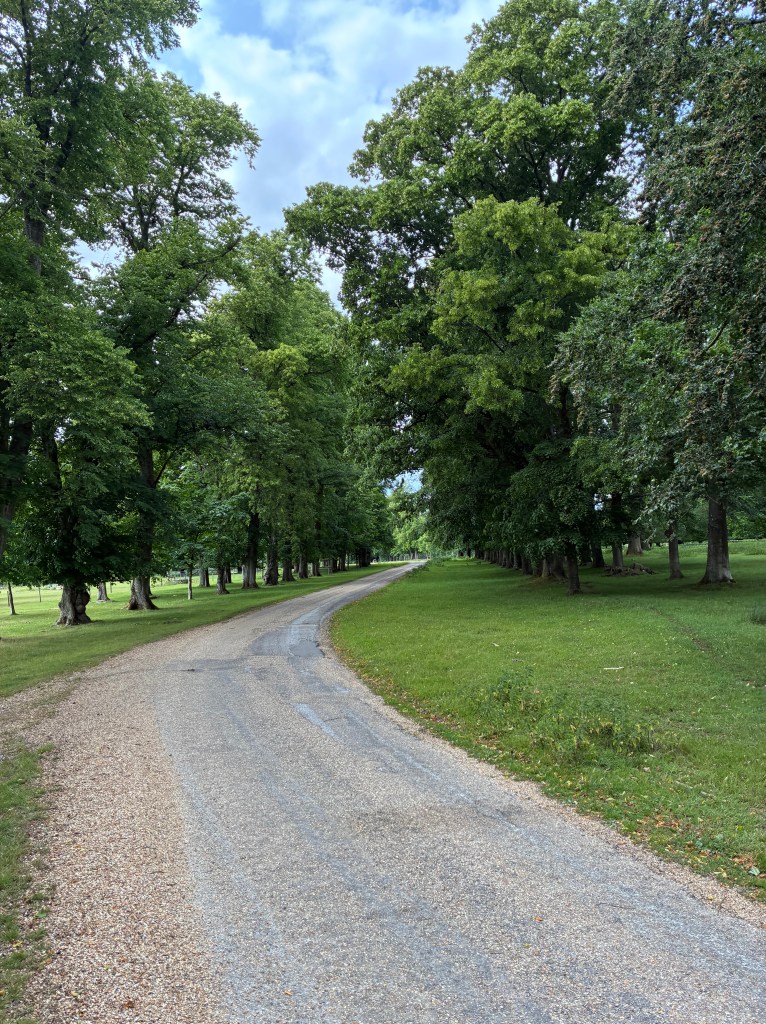
Hamstead Park today

In January 1944, Hamstead Park had seen the arrival of men from the 2nd Battalion of the 501st Parachute Infantry Regiment.

Once in England, the battalion became permanently attached to the 101st Airborne Division, known as the “Screaming Eagles”. Several villages in the area found themselves playing host to men of the 101st, including Ramsbury, Chilton Foliat, Froxfield and Aldbourne in Wiltshire and Greenham Common, Welford and Aldermaston as well as Hamstead Park in Berkshire.

According to Newbury resident, Allan Mercado, speaking to the Newbury Weekly News in June 2024, Newbury children would cycle out to Enborne at weekends to see the fascinating new arrivals living in tents in Hamstead Park. The soldiers would give the children gum and teach them card games.

By May 1944, 1.5 million American troops had arrived in Britain in preparation for “D Day” – the day on which they would depart for France as part of the plan to liberate northern Europe in what was to be known as Operation Overlord.

For those weeks in 1944, American soldiers were a familiar sight in the village shops in this part of Berkshire and over the border in Wiltshire. American voices filled village pubs. But then, very suddenly, on that day in June, they disappeared. At first no one knew where they had all gone, or why

By the time the various villagers realised the soldiers had departed, those men would have been fighting on the beaches of Normandy. Many would never return home.
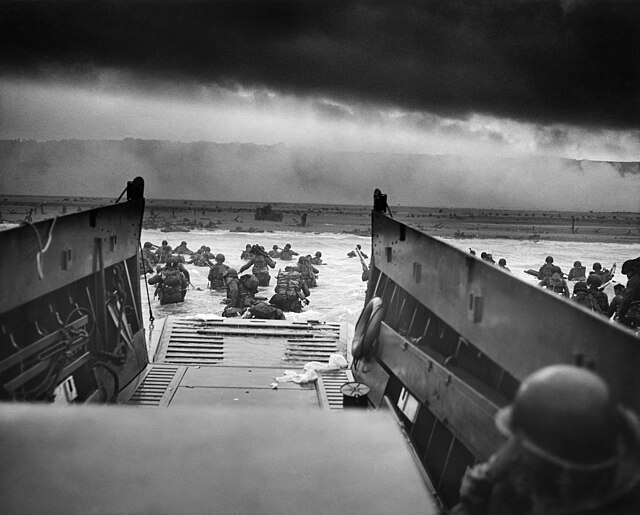
D Day landings Photo: Robert F. Sargent, Wikimedia

Today Hamstead Park is a peaceful green space enjoyed by ramblers and local dog walkers. Sheep occupy the area once filled with temporary military accommodation, the only remaining signs of the paratroupers’ presence being the concrete platforms slowly being lost to the grass and undergrowth.
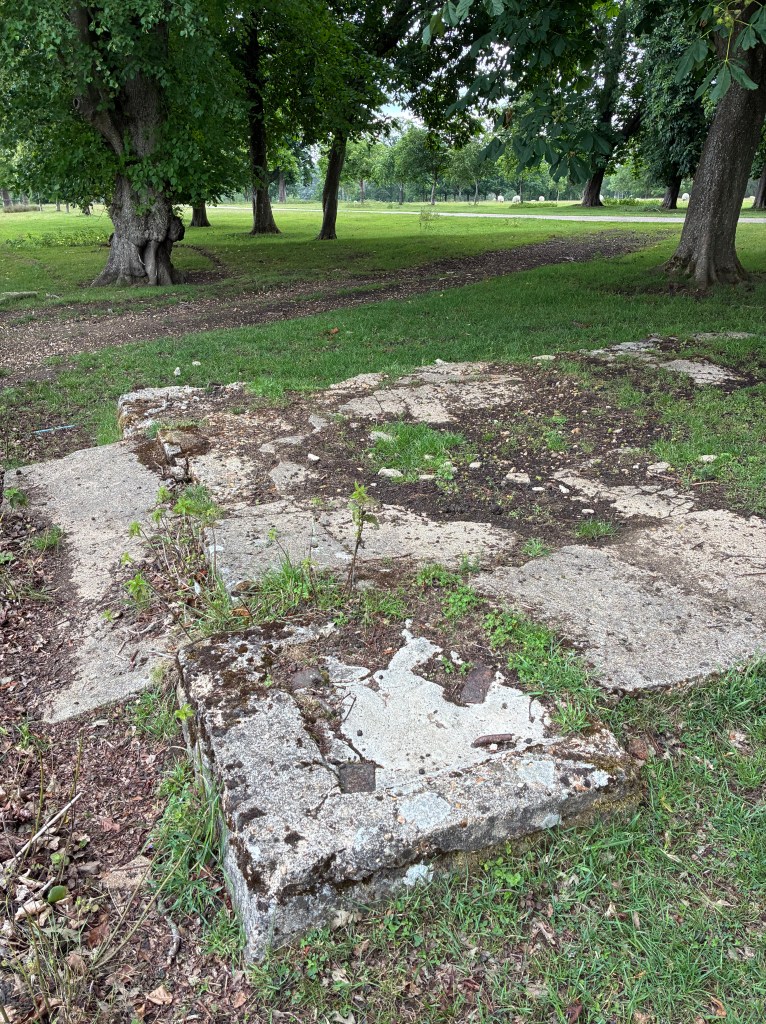
All that emains of the soldiers’ accommodation

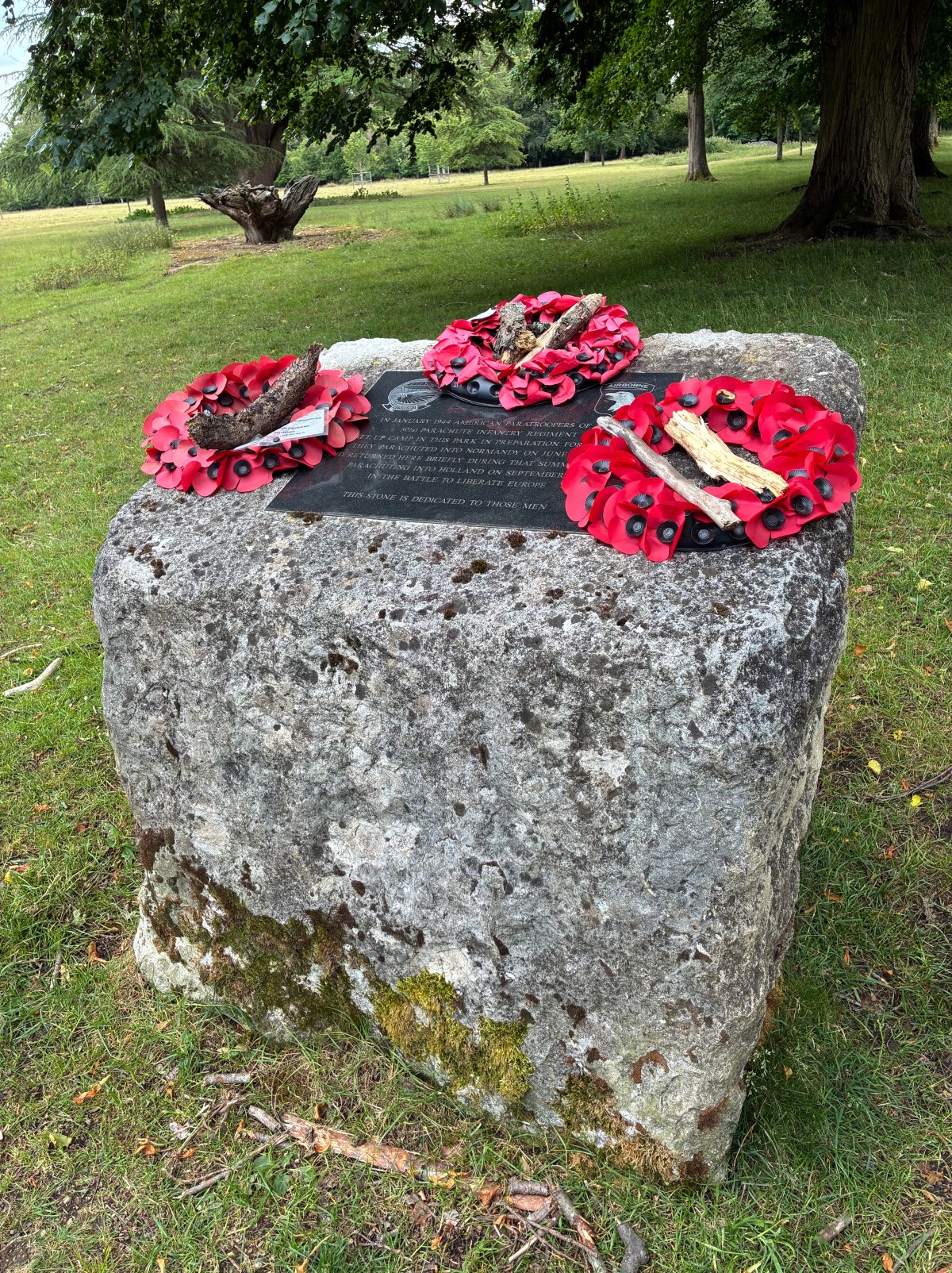
But the people of Hamstead Marshall and Enborne remember when the villages played host to the American troops and every year on Remembrance Sunday the service at St Michael’s & All Angels, Enborne begins at the memorial in the park.

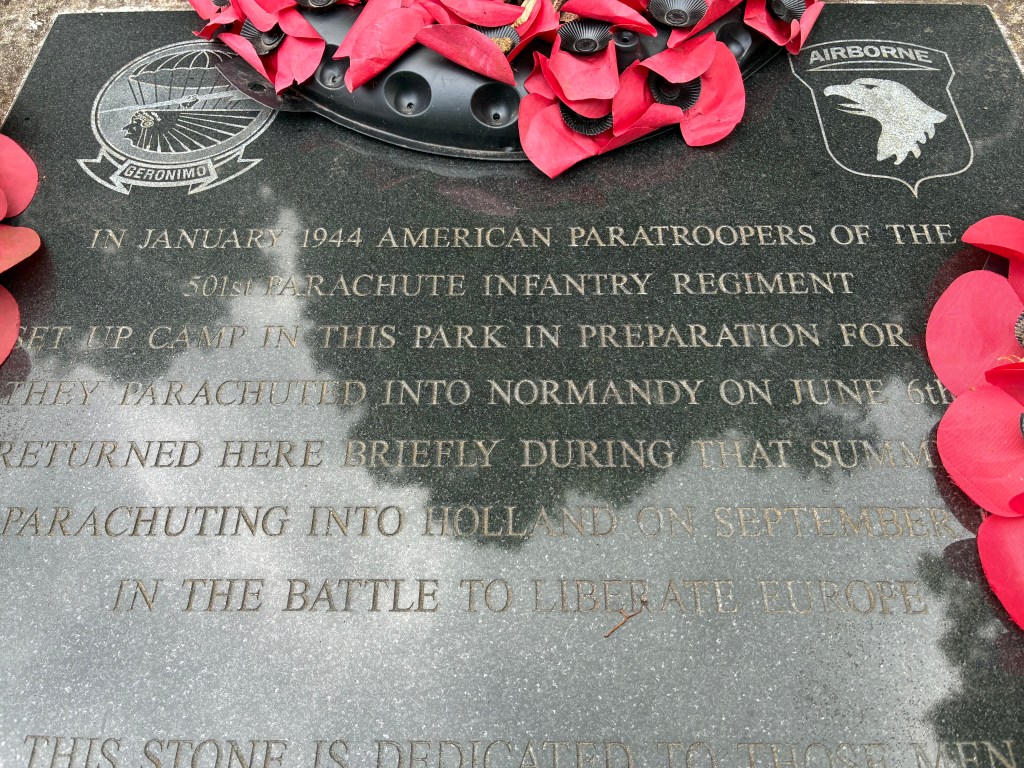
At Chilton Foliat, just over the county border in Wiltshire, the site of the 101st Airborne Division’s base has been excavated by archaeologists from Operation Nightingale and Time Team:

:https://www.timeteamdigital.com/digging-band-of-brothers—wiltshire
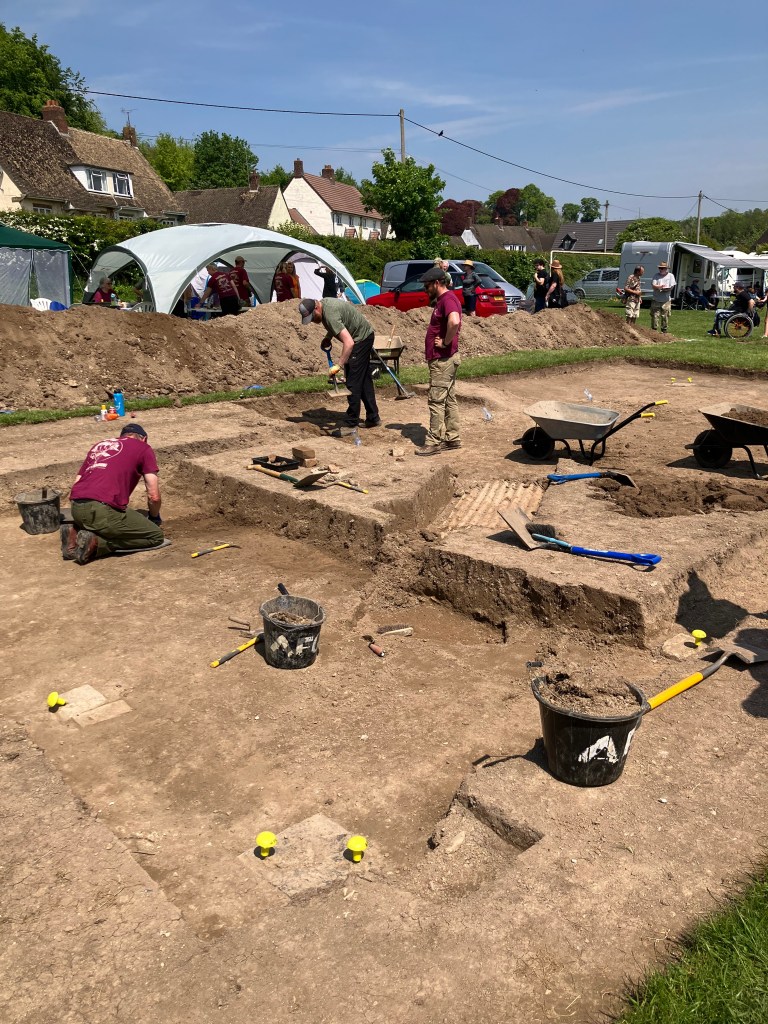
TimeTeam & Operation Nightingale archaeologists excavating at Aldbourne

Sources:

http://www.ww2-airborne.us/units/501/501

museumofberkshireaviation.co.uk/html/history/avinberks

https://www.berkshiregardenstrust.org/hamstead-parkhttps://www.berkshiregardenstrust.org/hamstead-park

hungerfordvirtualmuseum.co.uk

(C) Theresa A. Lock 2025
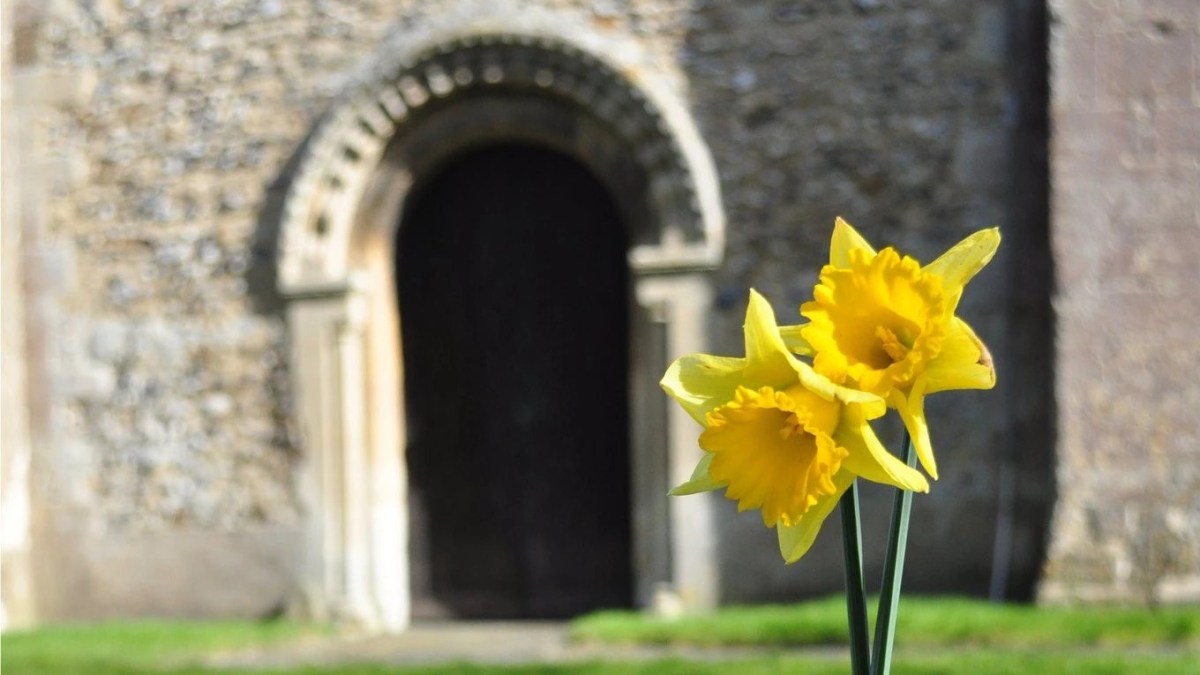
A rebel Revd?

The Reverend John Craven: Not what you’d expect in a priest?

In a letter of 1799, Jane Austen remarks that her friend Martha Lloyd has gone to visit her uncle – Rev John Craven.

John was the son of Governor Craven of Hamstead Park and brother to Martha, Eliza and Jane Craven. He was, therefore, uncle to Fulwar, Tom, Charles and William Craven as well as Martha, Eliza and Mary Lloyd.

Following the death of Governor Craven, John’s mother married the besotted Jemmet Raymond. Next she proceeded to marry her son to Jemmet’s sister, Elizabeth. Elizabeth was well off, but judged to be weak in intellect. They married in Kintbury (one presumes by Thomas Fowle, the groom’s brother in law) in 1756 when John was 24. Elizabeth owned land in Henwick, Thatcham and John at his marriage is described as ‘clerk of Henwick.’

In 1775 John became vicar of Wolverton near Basingstoke. Jemmet (John’s stepfather) had inherited the manor from his mother who had died aged 17 after his birth.

Jane did not do ‘bedroom scenes’, she was not a Jilly Cooper of the 18th century. But if she had been, then John would have provided plenty of copy!

In 1776, aged 44, John became embroiled in a divorce case brought by Mr. Potter Harris of Baughurst.

At the time, John Craven was vicar at Wolverton in Hampshire although he was actually living at Barton Court, near Kintbury. He travelled to Wolverton on a Saturday and stayed at the Potter Harris house to take the church service on Sunday.

The divorce case seems to have been quite sensational. Both a maid and Mrs Potter Harris’s cousin testified that they had seen Rev Craven enter Mrs Potter Harris’s bedroom and heard the sound of bedsprings! Also there was talk of misbehaviours in a coach and the Rev had been seen to put his hands under her skirt…

Mr Potter Harris wanted revenge and the Reverend was fined £3,000.

Despite this, John and Elizabeth Craven were married for over 20 years. There were no children so it may have been a marriage in name only.

When his wife died, Barton Court passed to another branch of the Raymond family.

In May, 1778 the papers reported:

“Last week died at Barton Court, near Newbury, Mrs. Craven, wife of the Rev’d John Craven and only daughter of the late Sir Jemmet Raymond.”

In 1779,  John married Catherine Hughes  from Letcombe, Berkshire. Catherine is the Mrs. Craven mentioned in Jane Austen’s letters:

Does Martha never hear from Mrs. Craven?


Is Mrs. Craven never at home?

Mrs Craven was, of course, Martha Lloyd’s aunt by marriage.

The Rev John Craven seems to have been rather a ‘rumbustious’ priest because his name appeared again in the local papers, this time in an argument not romantically inspired.

In essence John Craven went to a magistates’ meeting in Wantage and passed comment on something he considered an impropriety. Letters were printed in the Mercury complaining of his behaviour. There followed a meeting at the Alfred’s Head Inn in Wantage where a quarrel broke out as to who had reserved a room.  One letter to the paper says:

Did Mr. Watts tell the whole truth? That he did not know that Mr. Craven carried pistols with him on that day to Wantage – Yes Mr. Printer pistols were carried thither.

The Wantage magistrate asked how Mr Craven would react if he came to the Newbury Assizes and passed comment. John Craven replied that he would be glad to drink a bottle with him at Speen. Thereafter the vicar seems to have calmed down.

Eventually John and Catherine moved to Chilton House in Chilton Foliat, Wiltshire.  John died in 1804 after an hour’s illness. According to the notice of his death in the newspapers, he had, for many years, been acting magistrate in the counties of Gloucester, Hampshire and Wiltshire.

After her husband’s death, Catherine moved to Speen Hill near Newbury. In April 1839 her obituary read:

At her residence in Speen Hill, at a very advanced age, Mrs. Craven, relict of Revd John Craven and lamented mother of Fulwar Craven esq. The deceased lady was highly respected and esteemed by the gentry in the neighbourhood of Speen and by society in general.

References:  The Newspaper Archives, The Letters of Jane Austen. Mrs. Thora Morrish

Penny Fletcher, May 2023