
During the Early Iron Age, between 700 and 300 years BC, around three to four thousand hill forts were constructed throughout Britain. It is difficult to say exactly why there was an increased need for more fortified settlements but a rise in population might have led to competition for resources coupled with an emergence of powerful, local chieftains looking to defend their patch. The Iron Age people – or the Celts as they are sometimes called – are known to have been quite aggressive and defensive of their territory. Three distinct tribes occupied the central south west of England – the area often identified as Wessex – with the Durotriges in the south , the Dobunni to the west and, in our area, the Atribates.
The Iron Age Celts had no written culture themselves but instead valued the passing on of knowledge and poetry in the oral tradition. However, the Romans, who invaded Britain towards at the end of the Iron Age, had quite a lot to say – and write – about the people already living here. According to the Romans, the Celts were pale skinned and muscular. The men were fond of washing their blond hair in lime water to enhance its colour, then combing it back across their heads into spikes. Trousers and shirts of woollen cloth were dyed in bright colours and men of higher status chose to grow their moustaches so long their mouths were covered.
Metal working skills were particularly valued with decoration and ornamentation in the intricate swirling designs identified as being in the Celtic style still popular today.
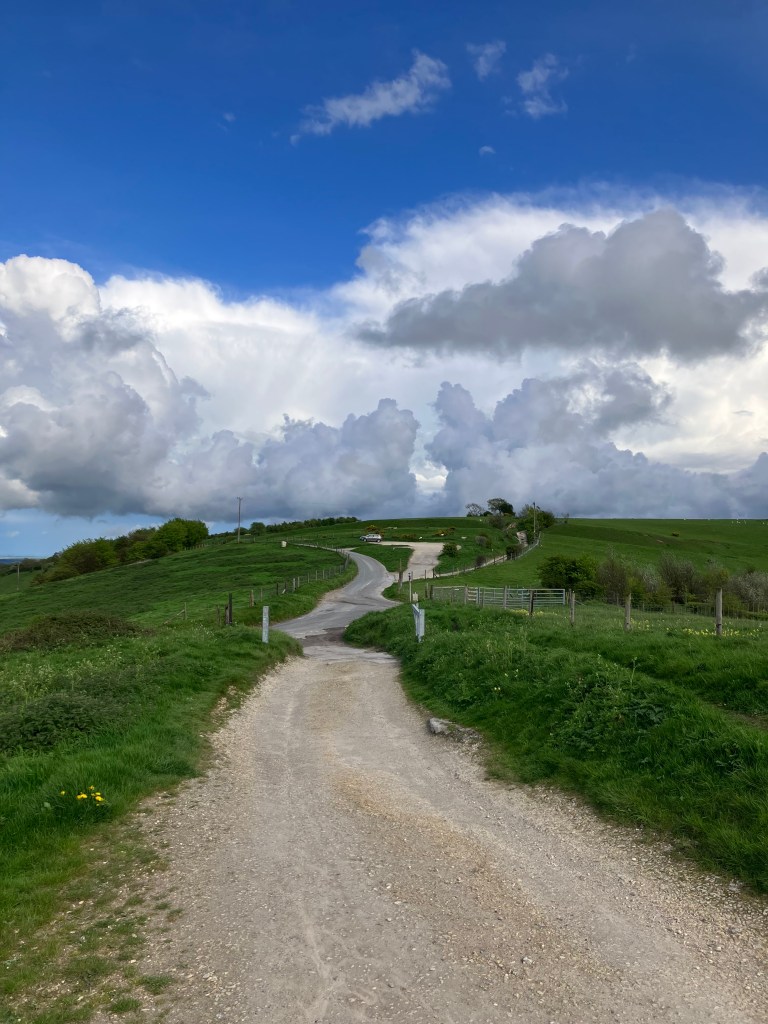
Walbury was one of the earlier hill forts to be built. Constructed at a time when the only tools available were antler pick axes, shovels and wickerwork baskets, our local hill fort is trapezoid in shape and covers 82 acres or 33 hectares, making it the largest hill-fort in Berkshire. It is univallate, meaning it is surrounded by a single bank and ditch and when originally constructed the bank would have been topped with a wooden palisade. In places the top of the rampart to the bottom of the ditch measures 5 meters so the whole structure would have been quite imposing.
Although it is impossible for us to know how many men were required to construct the hill fort, or how long it would have taken, it was clearly labour intensive and very important to them. When first constructed, the bare chalk walls would have been visible for miles around and, topped with a high wooden fence, it made a statement. It announced, “This is our space – we live and defend here.”
Walbury was not alone in the landscape. From the highest point within the fort others could be seen including Fosbury near Kingsclere, Beacon Hill near Highclere and further afield Danebury near Andover and Segsbury near Wantage. Evidence of settlements and of farming have been discovered beyond the hill-top settlements and it is difficult to assess how much time would have been spent living within the defended enclosures rather than in homes clustered lower into the valleys.
Walbury was excavated in 1997 as part of the Wessex Hill Forts Project ( see link below ) but, disappointingly, a magnetometer survey failed to detect features such as post holes due to the variations in the natural geology. However, other, more successful excavations elsewhere have revealed more about hill-fort life in the Iron Age.
Professor Barry Cunliffe excavated Danebury Ring hill fort over twenty seasons in the 70s and 80s, revealing much about Iron Age hill fort life which must have applied to our local hill-fort dwellers at Walbury.
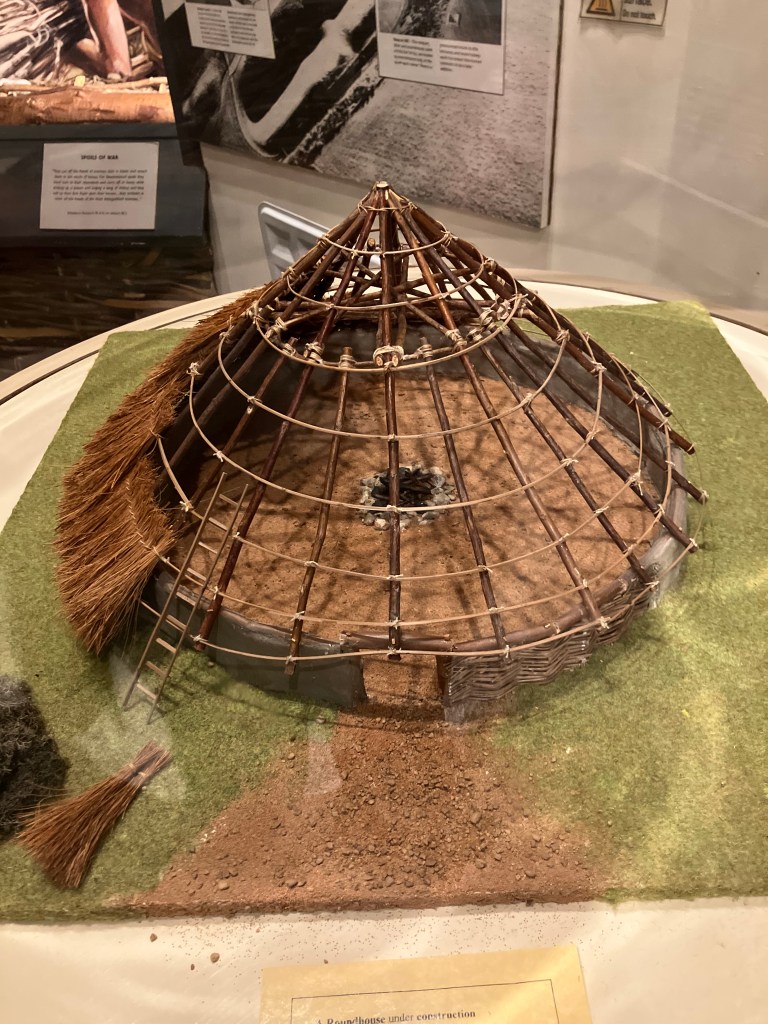
Homes would have been round houses constructed of wood with wattle walls, one door way providing all the light inside. Agriculture was important with cattle, sheep and pigs kept not only for their meat but also milk, skins and wool. Grain, grown in fields outside the fort, would have been stored in square granaries or deep pits.
Agriculture was not the only industry: spinning and weaving, leather working, basket and hurdle making, pottery and metalworking were all of particular importance. Although life within the hill forts was pretty much self sufficient, by the first century BC, trade with the continent had increased with imports of wine, olives, figs and glass to the communities nearer the coast.

Change was coming, however, with the arrival of the Romans in 55 BC and the following decades. Trade and collaboration with the newcomers eventually saw changes in the life style of the indigenous peoples many of whom began to adopt a more Roman way of living. Hill forts on their cold, windy ridges overlooking the valleys were eventually abandoned with many higher status Celts preferring a more Roman life style of living. Although it is now known that many Iron Age peoples continued to live as they had done for hundreds of years and quite independently of the Roman incomers, there would have been times, increasingly, when Celtic men and woman chose their partners from those more newly arrived – perhaps to family opposition or even perhaps to envy of the new, modern life style. Perhaps the inhabitants of the villa built close to the Kennet to the east of Kintbury may well have been a Romano British family who were the descendants of those people who had originally lived in the Walbury hill fort.
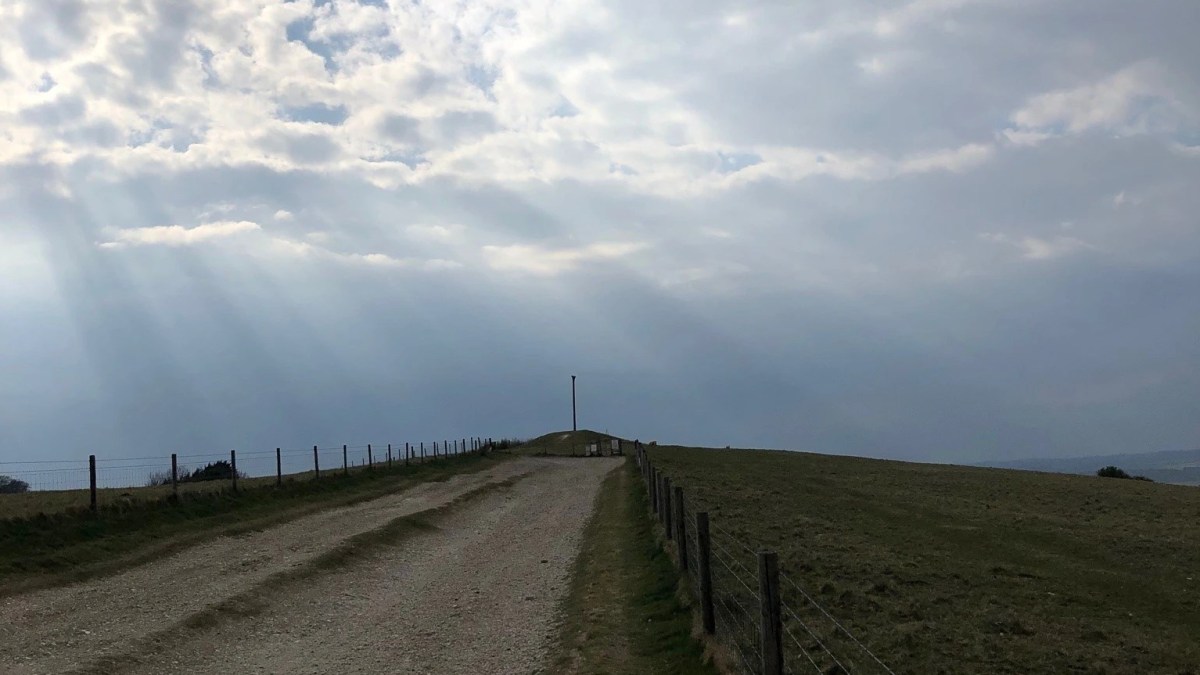
When, I wonder, was the very last time that an older family member looked towards Walbury and said to children or grandchildren,
“See that place on the hill? That was where our people used to live. That was our place!”
(C) Theresa Lock April, 2024
References and sources:
The Museum of the Iron Age, Andover
UnRoman Britain: Miles Russell & Stuart Laycock
The Time Team What Happened When ed Tim Taylor
Iron Age Celts in Wessex: David Allen

 Kintbury and Beyond