In this article, Ellen Lock Ireland discusses Jane Auten’s close relationship with friends and extended family in Kintbury.
The Old Vicarage in Kintbury
Similarly to the way in which we meet the families in Jane Austen’s novels (the Bennets, Bingleys, Dashwoods, Morlands, Bertrams etc), we can get to know a real life Kintbury family through her letters to her sister. As Jane herself says “the true art of letter writing…is to express on paper exactly what one would say to the same person by word of mouth…”
Jane Austen’s writing table
The protagonist family in Kintbury’s particular local story, which we might call “Kin and Kintbury”, are, of course, the Fowles, a dynasty of local vicars. The two families first becoming acquainted when George Austen met Thomas Fowle Senior during their university days at Oxford. The relationship was solidified for the next generation when Thomas Fowle sent his sons Fulwar, Thomas, William and Charles to study with George at the Steventon rectory prior to their going to university. Studying and living in the same house alongside the Austen children inevitably resulted in lifelong friendships.
The closeness of these two families is reflected in the fond memories shared by James Austen in his poem, Lines written at Kintbury- May1812:
“And still in my mind’s eye methinks I see
The village pastor’s cheerful family.
The father grave, yet oft with humour dry
Producing the quaint jest or shrewd reply;
The busy bustling mother who like Eve,
Would ever and anon the circle leave,
Her mind on hospitable thoughts intent;
Careful domestic blunders to prevent.
And ever ready on her guests to pour
The corner beaufet’s rich and savoury store.
While yet a gayer group, 4 manly boys
Heightened the relish of domestic joys
Of future happiness gave promise fair”
James Austen
As we know, Fulwar became Vicar at Kintbury in 1798, taking on the role from his father Thomas. As a fan of Jane’s fictional clergy, it is perhaps gratifying to read her description of Fulwar’s response to a less than successful card game session of 1801, reporting to Cassandra “We played at Vignt-un, which as Fulwar was unsuccessful, gave him an opportunity to expose himself as usual”. Fortunately, perhaps, for Fulwar’s legacy, the plaque installed in his memory leaves a somewhat more positive impression for posterity, stating that it was commissioned “by the parishioners of Kintbury, in testimony of their respect and affection for him as their pastor, friend and neighbour”.
Rev Fulwar Craven Fowle
Fulwar’s wife, Eliza, nee Lloyd, also features in frequent subplots in Austen’s letters, with Jane impatient for news of the familial goings on in her life, for example complaining to Cassandra prior to the birth of one of Eliza and Fulwar’s children in 1798 “No news from Kintbury yet- Eliza sports with our impatience! She was very well last Thursday…”
A letter addressed to the vicarage at Kintbury
In a letter of 1801, Jane provides us with a less than flattering impression of Eliza, telling Cassandra “Eliza says she is quite well, but she is thinner than when we saw her last, & not in very good looks. I suppose she has not recovered from the effects of her illness in December.- She cuts her hair too short over her forehead, & and does not wear her cap far enough upon her head- in spite of these many disadvantages however, I can still admire her beauty.”
As well as being the wife of an old family friend, Eliza also had the familial claim, not only as the sister of Jane’s brother James’ wife, but also the sister of her particular friend Martha Lloyd, whom Jane once described as “the friend and sister under every circumstance”. Martha is known to have lived with Jane, Cassandra and their mother in various residences including those in Southampton and Chawton. The close bond is reminiscent of that between sisters, with Jane complaining in jest to Cassandra “I would not let Martha read First Impressions again upon any account…she means to publish it from Memory, & one more perusal must enable her to do it.”
The close bond between the families is further highlighted at times of personal tragedy. Following the death of Edward Austen-Knight’s wife Elizabeth, in 1808, Jane wrote to Cassandra of Eliza’s correspondence to her, quoting Eliza’s own words “A very kind and feeling letter is arrived today from Kintbury. Mrs. Fowle’s sympathy and solicitude on such an occasion you will be able to do justice to, and express it as she wishes to my bother. Concerning you, she says “Cassandra will, I know, excuse my writing to her; it is not to save myself but her that I omit so doing. Give my best, my kindest love to her, and tell her that I feel for her as I know she would for me on the same occasion, and that I most sincerely hope her health will not suffer”.
West door of St Mary’s, Kintbury
Just as the Fowle and Austen family links survived into a second generation, Jane and her family eagerly concerned themselves with the development and news of Fulwar and Eliza’s growing family. The couple, in total, welcomed 8 children, Fulwar-William, Mary Jane, Thomas, Caroline Elizabeth, who sadly died in her first year, Elizabeth Caroline, Isabella, Charles and Henry.
As with the families in her novels, Jane provides us with a vivid image of various interactions and her opinions of her friends’ children:
Fulwar William, the eldest, is described by Jane as “attentive” and “affectionate”, although Jane seems to have difficulty keeping track of his age, commenting to Cassandra that he “is actually 14, what are we to do?”
During one family gathering, Jane recalls her impressions of various of the Fowle clan, telling Cassandra,
“William & Tom are much as usual; Caroline” (who we also learn was Christened by James Austen in 1799 , “is improved in her person; I think her now really a pretty Child. She is still very shy, & does not talk much.”
As is a theme in Jane’s novels, another, perhaps more distant, character of interest in Jane’s letters regarding the Fowle family is Fulwar’s distant relative, Lord Craven, the token member of the landed gentry in our story, whose far reaching impact is felt closer to home.
Jane informs Cassandra that “Eliza has seen Lord Craven at Barton, and probably by this time at Kintbury, where he was expected for one day this week.”
Jane eagerly seizes on the opportunity to relish in the gentleman’s foibles, telling Cassandra that Eliza “found his manners very pleasing indeed. The little flaw of having a Mistress now living with him at Ashdown Park, seems to be the only unpleasing circumstance about him.”
Let us not forget, of course, Lord Craven’s most lasting impact on the two families. In a seeming act of generosity, Lord Craven appointed Tom Fowle, Fulwar’s brother and by this time Cassandra Austen’s fiance, to the role of domestic chaplain, a role which would see Tom travel to the West Indies with his kinsman, where he sadly contracted yellow fever and died.
When reading “Mansfield Park” in this context, what is striking is that Jane Austen writes about a Tom, who is sent to The West Indies, during which time there is much fear around the dangers of such a trip, and speculation that he may not return. The marked difference is, of course, that in her fictional world, Jane Austen was able to ensure that her Tom returned home safe and sound, when in reality, sadly, our Tom could not. Movingly, as was the case for Cassandra in real life, Tom in Jane’s fictional world, remains unmarried.
Cassandra Austen
As discovered above, there is much more to the Austen family connection with Kintbury than originally meets the eye and, as a life long Janite local to the village, it is fascinating to continue to explore this. To leave the last word to Miss Jane Austen herself:
“It is pleasing to be among people who know one’s connections and care about them” (June 1808).
Hamstead Park lies between the villages of Hamstead Marshall and Enborne, around four miles to the east of Kintbury. In medieval times it was a deer park belonging to William, Earl Marshall of England and later became the property of the Crown. However, between 1620 and 1984, Hamstead Park belonged to the Craven family. A notable member of this family was Governor Charles Craven, governor of South Carolina between 1711 & 1716.
But Governor Craven was not to be Hamstead Park’s only link with America.
In the years immediately preceding and following the outbreak of war with Nazi Germany in 1939, the Government was able to requisition properties and land for use in the war effort. One thousand new military industrial factories were built on green field sites and 450 new military airfields were constructed, mainly on agricultural land. Throughout the south and east of England, concrete “pill boxes” and anti -tank devices appeared across the landscape.
A “pill box”. Photo: Sam Tait, Wikicommons
Many larger private houses were requisitioned for military purposes. Basildon Park, near Reading, Shaw House near Newbury and Littlecote House near Hungerford were under military occupation for at least part of the war.
Littlecote House. Photo: Phil Catterell, Wikicommons
Following the Japanese attack on Pear Harbour in December 1941, the United States, under President Franklin D. Roosevelt, entered the war. In the following years, over two million American troops passed through Britain.
President Franklin D. Roosevelt
In preparation for their departure, British and Canadian troops were stationed in the south and south east of England, whilst the American troops were stationed towards the south and south west.
Hamstead Park today
In January 1944, Hamstead Park had seen the arrival of men from the 2nd Battalion of the 501st Parachute Infantry Regiment.
Once in England, the battalion became permanently attached to the 101st Airborne Division, known as the “Screaming Eagles”. Several villages in the area found themselves playing host to men of the 101st, including Ramsbury, Chilton Foliat, Froxfield and Aldbourne in Wiltshire and Greenham Common, Welford and Aldermaston as well as Hamstead Park in Berkshire.
According to Newbury resident, Allan Mercado, speaking to the Newbury Weekly News in June 2024, Newbury children would cycle out to Enborne at weekends to see the fascinating new arrivals living in tents in Hamstead Park. The soldiers would give the children gum and teach them card games.
By May 1944, 1.5 million American troops had arrived in Britain in preparation for “D Day” – the day on which they would depart for France as part of the plan to liberate northern Europe in what was to be known as Operation Overlord.
For those weeks in 1944, American soldiers were a familiar sight in the village shops in this part of Berkshire and over the border in Wiltshire. American voices filled village pubs. But then, very suddenly, on that day in June, they disappeared. At first no one knew where they had all gone, or why
By the time the various villagers realised the soldiers had departed, those men would have been fighting on the beaches of Normandy. Many would never return home.
D Day landings Photo: Robert F. Sargent, Wikimedia
Today Hamstead Park is a peaceful green space enjoyed by ramblers and local dog walkers. Sheep occupy the area once filled with temporary military accommodation, the only remaining signs of the paratroupers’ presence being the concrete platforms slowly being lost to the grass and undergrowth.
All that emains of the soldiers’ accommodation
But the people of Hamstead Marshall and Enborne remember when the villages played host to the American troops and every year on Remembrance Sunday the service at St Michael’s & All Angels, Enborne begins at the memorial in the park.
At Chilton Foliat, just over the county border in Wiltshire, the site of the 101st Airborne Division’s base has been excavated by archaeologists from Operation Nightingale and Time Team:
There are many hill figures cut into the chalk downland of southern Britain. The oldest and probably the most famous is the Uffington White Horse in Oxfordshire (formerly in Berkshire before 1974) cut into the scarp slope of the North Wessex Downs overlooking the Upper Thames Valley, which is over 3,000 years old.
The Uffington white horse
By contrast, the Fovant Badges were originally cut in the years after the First World War. These depictions of military badges were cut to honour the hundreds of soldiers who had been training near the village of Fovant in south west Wiltshire.
Dorset boasts two hill figures. The horse and rider on Osmington Down near Weymouth was created in 1808 in honour of George III, a frequent visitor to the town. However, no one really knows why the Cerne Abbas giant – a figure of more likely humorous or satirical intent – was created above the village in Early Medieval times.
Humerous or satirical intent? Pete Harlow via Creative Commons
However, the majority of white horses can be found across Wiltshire. The Westbury white horse is believed to have been made sometime in the late seventeenth century which would make it the oldest figure in the county. Next comes the white horse above Cherhill, which is believed to date from 1780. Pewsey’s horse was cut in 1785 and then in 1808, pupils at a boys’ school in Marlborough constructed the town’s white horse.
The Cherhill white horse Brian Robert Marshall via Creative Commons
At Broad Hinton, it is believed that the parish clerk, Henry Eatwell, may have been responsible for the Hackpen Hill white horse, which was constructed in 1838 to commemorate Queen Victoria’s coronation.
Broad Hinton white horse Brian Robert Marshall via Creative Commons
The Devizes white horse first appeared in 1845. Then, rather later than the rest, Broad Town in 1885.
But how many people know that, sometime in the early 1870s, Inkpen was added to this list?
The Ordnance Survey map, Berkshire, Sheet XLI, surveyed in 1873 and published in 1877, does indeed show another white horse, situated on the north facing slope of Inkpen Hill and just over the county boundary in Wiltshire.
So, who was responsible for Inkpen’s white horse and what happened that we can no longer see it?
The Inkpen ( or Ham ) white horse was constructed on land owned as part of the Ham Spray estate, just to the east of the small village of Ham in Wiltshire and to the west of Inkpen, Berkshire. In 1869 it was bought by the then thirty year old Charles Wright. In the 1871 census, Wright is described as a farmer of 370 acres employing 8 men and 4 boys, so is clearly quite successful.
Wright had been born in 1839 in the Leicestershire village of Market Bosworth. In 1841 he is living with his grandfather, a clergyman and in 1851 he is a boarder at a grammar school in Derby. By the age of 22 he is living with his father and his older brother Thomas who is in the military. Charles himself is described as “gent”: a very precise distinction at this socially divided time.
Ten years later, Thomas Wright has a seat of his own: Tidmington House in Worcestershire, where he lives with his wife and eight staff. Younger brother Charles has relocated to the south west.
When Charles Wright bought Ham Spray House, it was a modern building still only around thirty years old. Perhaps Charles wanted to establish his own seat, distinct and away from the family in Leicestershire.
Ham Spray House Charles Richard Sanders via Creative Commons
Some nineteenth century landowners become high profile figures within their towns or villages and their names feature frequently in the local press. This cannot be said of Charles Wright in the time he lived at Ham Spray House. The only reference I can find to him in local papers, aside from details of the sale of his property, was when he contributed generously, along with other local gentry, to a fund for the sick.
Finding himself in a county famed for its white horses cut into the chalk downland, Wright may have wanted the distinction of adding to that number. Perhaps he wanted to impress his neighbours, or just to add to the view from his house. So, sometime in the early 1870s he had his workers cut the outline of a horse into the downs. The new white horse must have been distinctive enough for the Ordnance Survey surveyors to notice it when working in the area in 1873 and include it on the latest edition of the O.S. map, published four years later..
However, the 1877 O.S. map is the only one to include the new, Inkpen white horse. Sadly, it did not endure partly because it had been constructed by stripping away the turf with out digging and packing out trenches with compacted chalk. Further, subsequent landowners did not bother to clear away the encroaching grass.
Charles Wright died on 12th December 1876 at Ham Spray House. He was only 37. The estate, his house and all its contents were sold. His time at Ham Spray House, like that of his newly cut white horse on the downs above Inkpen, had been brief.
In Victorian England, local newspapers such as the Newbury Weekly News, carried national and international news as well as reporting locally. Consequently, their importance back then would have matched that of other media today, such as television, radio and online sources. However, one can imagine that it would have been the local stories that most captured the imagination of readers, particularly reports of crime and punishment.
Back then, as now, the Newbury Weekly News would carry details of the latest hearing at the magistrate court. For Kintbury readers in the 1860s, these would frequently feature a local name as G.C. Cherry, Esq, of Denford Park was chair of Magistrates in Newbury. Then, if a crime was of the severity to be heard at the assizes in Reading, it was likely that G.C.Cherry would have an involvement as a member of the jury. These were the days when only the great and the good held such positions.
One case which was of particular interest in the late 1860s was that of William Purdue, known in press reports as the Newbury Highwayman.
Purdue had been born in Newbury in 1850, the eldest son of Thomas Purdue, a tallow chandler, and his wife Maria. By the time William was 10, Maria & Thomas and their family of now seven children have relocated to Rotherfield Grays, near Henley in South Oxfordshire.
However, at some point in his early teens, William left the family home and by the time he was seventeen he was back in Newbury, living and working with his uncle, Mr Griffin, a painter living in the Enborne Road.
Unfortunately, it seems that William craved more excitement in his life than could be provided by being a house painter in Newbury, so he took to a life of crime – highway robbery, in fact.
Purdue did not ride a horse – he was a pedestrian highwayman, but with a hat pulled over his eyes, a black mask over his face and carrying a pistol, Purdue began terrorising the unsuspecting people of the town sometime in the late summer of 1868. For a while he seems to have got away with it.
On the night of September 12th , he accosted one Richard Griffin, a compositor, along the Shaw Road. Jumping out of the hedge and grabbing his victim by the collar, Purdue held his pistol to Griffin’s head.
“I must have all you’ve got, or I’ll blow your brains out and rob your body”, he shouted as he seized Griffin’s watch.
Griffin tried to resist and grabbed the pistol.
“If you do that, it is loaded with slugs and caps, and I’ll shoot you,” Purdue threatened as he took the victim’s purse from his pocket. It contained a sovereign, three half sovereigns and seven or eight shillings in silver. Seemingly contented with his loot, Purdue told his victim,
“Go! Go quick; and if you give the least alarm, I’ll shoot you!”.
Griffin asked if he could retrieve his cane. Purdue told him to be quick, then added:
”If you wish to tell anyone who robbed you, you may say Captain Hawkes!”
Perhaps Purdue had become over confident following the ease with which he had been able to rob Richard Griffin, a person who walked with a cane. However, landlord of the White House, Alfred Sindle proved not such an easy victim.
At twenty to eight on the evening of October 12th, Alfred Sindle was walking towards Newbury when he spotted someone coming towards him, a hat pulled down over his eyes.
“Where are you going?” the stranger demanded as he came closer.
“What odds is that to you?” Sindle replied.
The stranger immediately raised a pistol to Sindle’s cheek, saying,
“See this you b——-”
Sindle straight away retaliated by raising his fist and knocking the stranger down, falling on him and catching the hand in which he held the pistol. There was a tussle and the pistol went off. At this, Sindle shouted, “Murder” and “Hoy! Hoy!”. His assailant, meanwhile, clearly knowing he was defeated, cried, “ I’m done. I give in”.
Back at the White House Inn, Alfred Sindle’s father, James, had heard the sound of pistol shot and his son’s voice shouting “Murder” and “Hoy ! Hoy!” so he rushed out to help. Both father and son held on to Purdue to prevent his escape.
“I suppose you’re Captain Hawkins as you deem yourself,” James Sindle said to Purdue, recognising something of the disguise from press reports. He went on, “Just the gentleman I wanted to catch hold of. You’ve robbed two or three afore just somewhere here, and I’m glad to catch hold of you.”
The game was up for Purdue as father and son Sindle took him to the police station at Speen where he was put in the charge of Superintendent Harfield.
At the police station Harfield began a search of Purdue, who, it seems offered no resistance, drawing his pistol from his pocket himself, saying, “Here is thepistol that I used”.
He also produced from a pocket the piece of black lace he had used as a mask and explained that it enabled him to see through it whilst at the same time hiding his face. Harfield’s search also revealed 11 pistol caps, some lucifer matches, a tobacco box, a knife and the watch stolen from Griffin.
Purdue was charged with robbery and attempted robbery, and locked up. He had built up something of a reputation in the local area and in the popular imagination was seen as a “ferocious and determined looking character.” The reality, to the surprise of those who saw him for the first time, was a slim eighteen year old with nothing of a muscular appearance.
From: Captain Hawk or The Shadow of Death by J.M.Rymer. British Library via Wikimedia Commons
Superintendent George Deane of the Newbury police continued his investigation into the case but no further evidence was found at Purdue’s lodgings in Enborne Road. However, Deane was able to contact a young woman, in domestic service, to whom Purdue had paid some attention. The young woman had given to Deane a series of novels featuring the exploits of a fictional highwayman: “The Black Highwayman, being the second series of Black Bess, or Knight of the Road”. The novels were illustrated with coloured plates. Clearly, this was where Purdue had got his inspiration!
The following Thursday morning, William Purdue was brought before the County Magistrates, charged with being armed with an offensive weapon and attempting to rob Alfred Sindle. The case had attracted a lot of attention and a dense crowd was waiting to see the Newbury Highwayman.
At first Purdue was defiant and tried to contradict witnesses, claiming that he hadn’t sworn at Sindle but that foul language had been use against him. Sindle had not knocked him down, he argued, and that he would have got away if hehad not been suffering from a cold.
Speaking in defence of his son, Thomas Purdue told the magistrates that when his son had left home six years previously he had been, “ a good useful lad”, who, “would not go to a circus or attend a theatre, and was a teetotaller.”
In other words, William Purdue had not been corrupted by exposure to popular culture!
Thomas Purdue could not believe that his son had acted on his own, and determined to find out who had assisted him. This was the only point at which William Purdue showed emotion – perhaps he was thinking of the girl who had given him the novels.
From: Captain Hawk or The Shadow of Death by J.M.Rymer. British Library via Wikimedia Commons
Purdue was committed for trial at Berkshire Assizes and was removed to Reading Gaol.
The 1869 Lent Assizes opened in Reading and on February 25th Purdue was charged with assault whilst armed with an offensive weapon, assault while armed with a pistol, robbery and attempted robbery.
Alfred Sindle was a witness for the prosecution and the sorry tale of Purdue’s exploits were relayed to the jury as were details of his previous good character and the fact that he was only eighteen years old. However,
“the prisoner’s mind had been corrupted by reading books about highway men, and particularly about ‘Captain Hawk’ whom he attempted to emulate.”
Sentencing was deferred until the following Friday, when the judge addressed Purdue:
“Yours is a painful case to see a youth of your age in the dock on a charge of highway robbery. I have listened to what has been said on your behalf and that you have been led into this stupid as well as wicked transaction by reading stupid and wicked literature.”
Purdue was sentenced to six months’ hard labour.
The editor of the Newbury Weekly News chose to add his own views to those expressed by Mr Justice Hannon regarding the corrupting influence of certain types of literature:
“Yet it is painful to witness the hold which these immoral and distorted narratives have upon the minds of certain classes of society; and the melancholy instance of this, which has lately become so notorious, would seem to show that such unwholesome literature produces effects upon the imaginations of certain youths, most prejudicial to themselves and to society.”
So, it seems, upper and middle class youths could read the “Captain Hawk, Highwayman”, stories with impunity, but not a lad from the lower orders such as William Purdue.
There is no evidence to suggest that William ever returned to Newbury; by the time of the 1881 census he is married with 5 step children, living in Reading and working as a painter – his trade when he embarked on his fantasy life as a highwayman.
Purdue died in Reading in 1899. He was aged just 48.
Black Bess; or, The knight of the road. A tale of the good old times (“Price: one penny”) By Edward Viles. Public domain: Wikimedia Commons
When we are writing about local people, particularly those who lived over a hundred years ago, it is almost impossible to know exactly what they looked like or to find a photo or painting of them. This is not the case with the man responsible for the building of Denford House, William Hallett. Shortly before his marriage in 1785, Hallett and his bride-to-be, Elizabeth Stephens, were painted by the renowned and fashionable portrait painter, Thomas Gainsborough.
So who was William Hallett?
William Hallett III was born in Soho Square, a fashionable area of Westminster, Middlesex, in 1764. His father, William II died when he was three years old so the younger William was brought up by his grandfather, William Hallett I, a successful and highly fashionable cabinet maker. When this William died in 1782, William III inherited the house and estate at Canons, Middlesex, which his grandfather had had built on land he had purchased from the Duke of Chandos. The Halletts clearly moved in the first circle of Georgian society.
At this time, William III was still legally a minor, being under the age of 21. Like many young men of his class and back ground at that time, William next chose to embark on the “Grand Tour”- taking a year or more to travel through France and Italy to learn more about classical art and architecture. Also, presumably, having a good time along the way.
On his return to England, William became betrothed to Elizabeth Stephens, the daughter of a surgeon. Before their marriage in 1785, the couple chose to have their portrait painted by the very fashionable portrait painter Thomas Gainsborough who had arrived on the London scene some ten years earlier.
Thomas Gainsborough
Thomas Gainsborough had previously lived and worked in Bath, where, despite his preference for painting landscapes, he had gained a reputation for his portraits of the elegant upper classes. In his works, in what was known as the “nouvelle style”, Gainsborough’s subjects are always elegantly dressed in a neo-classical style characterised to the modern eye by bewigged gentlemen and flowing silk dresses worn by the ladies. Dogs and occasionally horses feature, as well. Perhaps Gainsborough’s best known painting is his double portrait of “Mr & Mrs Andrews”, a work which provided a show case for the wealthy young couple – the beautiful people of their age.
Mr & Mrs Andrews
A portrait by Gainsborough made a statement of one’s status and wealth. The painting of the Halletts – known as “Mr & Mrs Hallett: The morning walk” cost £126 and includes their dog; Gainsborough charged extra if a horse was to feature in the painting, apparently.
Although £126 might have seemed an absolute fortune to the majority of England’s population in 1785, it was nothing to the Halletts – on her marriage to William, Elizabeth Stephens had a personal fortune of £20,000. It could have been that this was particularly fortuitous for her new husband – William was fond of expensive and risky sports such as racing, betting and gambling which, it was believed, ultimately contributed to his downfall.
Little Wittenham
In 1788, William Hallett bought the manor of Little Wittenham, a village in what was then Old Berkshire, ten miles to the south of Oxford. Two years later, however, after having had much of the original Little Wittenham manor house pulled down and rebuilt, the Halletts moved on. Their next seat was on the edge of Faringdon, a market town twenty miles to the west in what was then north west Berkshire. At the confluence of several coaching roads, Faringdon offered relatively easy access to both London and Bath, something that must have been a consideration for a society couple.
Built around 1780 and so a modern residence at the time, Faringdon House is in the Palladian style and set on a ridge above the Vale of the White Horse with spectacular views to the north over the upper Thames Valley and into the Cotswolds beyond. The Vale of the White Horse is also famed as fox hunting country which must have appealed to Hallett with his love of the sport.
Fox hunting: A popular sport
The Halletts may have felt that their new home confirmed their position within the affluent upper-classes of Georgian England as they continued to live in Faringdon for the next twenty years and four of their children were born there.
There is evidence to suggest, however, that William continued to build what today might be called his property portfolio; he may even have owned, at one time, Avebury Manor, now the property of the National Trust in Wiltshire, as well as other properties across the south.
By 1810, William Hallett had bought Townhill, a manor house in South Stoneham, Hampshire. The same year he also bought Denford Park, just two miles from Kintbury on the Bath Road. Just as he had done at Wittenham, it seems that Hallett had the existing house demolished – or demolished in part – and rebuilt, using some of the architectural features he had taken from his property in South Stoneham which he had also partly demolished and rebuilt. Work on the house at Denford Park was completed in 1832 and the principal architect was Sir Jeffry Wyattville.
Neither Denford Park nor the property at South Stoneham proved to be sound investments for Hallett who lost money on both as well as quarrelling, as a result, with his son, William IV. The Halletts eventually moved to a another newly built property , Candys, at South Stoneham.
Hallett did not stay long at the newly built Denford House, indeed, rebuilding and moving on seems to have been the pattern of his life with the exception of Faringdon House. However, Denford Park remains an imposing and important property within the Kintbury and Hungerford area. It was sold for £32,026 12s in 1822 when it was bought by George Henry Cherry, a local magistrate and sometime High Sheriff of Berkshire. It remained in the Cherry family until 1913.
More recently, between 1967 and 2002, Denford Park was home to the world famous Norland Nursery Training College. It is now once more in private ownership.
However, Denford Park is not the Halletts only connection with the Kintbury area. William & Elizabeth’s daughter, Emily Hallett had been born in Faringdon in 1879. It is not known if she ever lived at Denford Park herself but it has to be likely as, on 27th March 1819, she married Kintbury’s Fulwar William Fowle at St Mary’s church, Kintbury.
Fulwar William Fowle followed his father, grandfather and great grandfather into the church; following graduation from Merton College, Oxford, he was ordained deacon in 1814 and priest in 1816. He became rector of Allington, near Salisbury, in Wiltshire in 1816 and perpetual curate of Amesbury, Wiltshire in 1817.
For Emily Hallett, growing up in the modern elegance of a Faringdon House or Denford Park, living in the Allington Rectory must have been quite different. Although the Rev Fuwar William was quite well connected, particularly to the Lords Craven, and his family members would have moved within the upper circles of society, life in the rural rectory might have been grand by comparison to that of the labouring villagers but nothing like living in a Palladian mansion.
Emily and Fulwar lived all their married life at Allington. They had eleven children together, of which nine survived although Emily died soon after the birth of the last one in 1833. Her mother, Elizabeth Hallett, died the same year.
William Hallett died in 1842. By this time he had lost much of his money and so there was little that could be passed on to his descendants. Interestingly, son-in-law Fulwar William was bequeathed Hallett’s religious books – strange, perhaps, as in his life Hallett himself seemed to have more interest in sport and gambling than in things spiritual
The Gainsborough portrait, for which William Hallett paid £126, was bought by the National Gallery in 1954. It cost the gallery £30, 000 and is still on display in London.
He had been at the pains of consulting Mr. Perry, the apothecary, on the subject. Mr. Perry was an intelligent, gentlemanlike man, whose frequent visits were one of the comforts of Mr. Woodhouse’s life.
As readers of Jane Austen’s novel Emma (1816) will know, the village medic, Mr Perry, was an important figure in the life of Mr Woodhouse who was constantly in need of reassurance as regards to his health. Austen describes Mr Perry as an apothecary; however, by the 1830s the Mr Woodhouses of Kintbury might have considered themselves as more fortunate as their general practitioner could be described as “surgeon”.
So who was Kintbury’s Dr Lidderdale?
John Lidderdale I had been born in Hungerford in 1802. He was the eldest son of Captain John Lidderdale of Hungerford and his wife, Ann, née Pearce. John senior had been a Captain in the 17th Hussars and his family had come, originally, from Dumfriesshire in Scotland. Ann was from a local family, having been born in Standen, near Hungerford.
In the 1820s John was a student at the London Hospital Medical College, at that time still a relatively new establishment, having been founded in 1785. He became LSA ( Licensed Surgical Assistant ) in 1825 then MRCS ( Member of the Royal College of Surgeons ) in 1826. Studying medicine at that time was expensive and John’s fees, board and lodgings may have cost him between £500 and £1000 – enormous amounts for the time. It was not as if he could expect to become a high earner upon qualifying, either; whilst a medic practising in a wealthy part of London, for example, might earn up to £1000 a year, a country doctor was more likely to make between £150 and £200, comparable to better-paid teachers.
By 1839, John is listed in Robson’s Directory as surgeon and registrar of births and deaths for the Kintbury district. At the time of the 1841 census, his younger brother James is living with him, most probably in the role of an apprentice as James would later go on to study medicine.
Four years later, John married Isabella Fowle, the youngest daughter of the late Fulwar Craven Fowle who had been for many years the vicar of Kintbury. Although it is impossible to say how prosperous or otherwise the Kintbury practice was proving to be, the 1851 census indicates that John has an apprentice, one Francis Owen, and three live-in servants. By 1861, he has an assistant, one Michael Cuff, and two live- in servants. The same year he was awarded the degree of MD ( Doctor of Medicine ) by the University of St Andrews – the prestigious Scottish university which at this time awarded the degree of MD without the recipients having to attend its campus on the Fife coast.
John Lidderdale died in October 1863. His obituary in the Newbury Weekly News noted,
“ Few men had so extensive a practice as the late doctor, and none worked harder for it. His kindness of manner, his skill and attention, and his patience in tedious cases, will ever be gratefully remembered”.
Large numbers of villagers filled the church for the funeral including many tradesmen who had closed their shops for the occasion. Kintbury certainly showed its respect for the late doctor.
However, where was this popular doctor in the strict social hierarchy of early nineteenth century England? Looking again at the Jane Austen quote I used at the top of this article, the respected Mr Perry is described as gentlemanlike. That last syllable carries a lot of weight: for as much as Perry was respected, he was not, within the hierarchy of the time, a gentleman.
And neither was Dr John Lidderdale.
The Kelly’s Directory of 1848 lists 19 Kintbury people as members of the Gentry which includes Mrs Lidderdale’s unmarried sister, Elizabeth Caroline Fowle and her widowed sister, Mary Jane Dexter. But the man who has achieved the recognition of an MRCS, who is trusted to take care of the villagers’ health, is regarded as being of lower status than the great and the good many of whom were most probably not qualified in anything.
By the time of the 1871 census, Kintbury had a new doctor. Also named John Lidderdale, this young man was the son of the John Lidderdale I’s brother, William.
William Lidderdale had been born in Hungerford in 1805. It seems likely that he had an involvement with the East India Company in his younger adult years although by 1851 he was a Chief Officer with the Coast Guard Agency living in Tyneham and then Osmington Mills, Dorset where his wife Elizabeth died in 1852.
John Lidderdale II had been born in 1839 when the family were in Ilford, Essex, then educated at a boarding school in Southampton. The 1861 census shows him to be a medical student in London although there is some evidence to suggest he had been an apprentice in Kintbury before that, presumably under his uncle. In 1861 he became a Member of the Royal College of Surgeons.
In 1863, the Board of Guardians of the Hungerford Union (in other words, those responsible for the work house ) unanimously voted him Medical Officer of the Kintbury District.
John Lidderdale II served Kintbury as general practitioner for over twenty years. These were changing times: by 1869, Kelly’s Directory had dropped the category, “Gentry” in favour of “Private Residents” in which category both John Lidderdale and his uncle’s widow, Mrs Lidderdale are included.
John Lidderdale retired in 1891 when he married Emma Louisa Mathews, the widow of a farmer from Boxford. To mark this occasion, Dr Lidderdale, “entertained to supper the whole of the adult population ( of Kintbury ), it taking two evenings to do so, and subsequently gave a tea to all juveniles aged between five and sixteen.”
To show their respect to the retiring doctor, 433 of the villagers had subscribed to the cost of a solid silver epergne engraved with the Lidderdale crest.
Both John Lidderdales are frequently mentioned in the pages of the Newbury Weekly News with regards to the sick or injured they have attended during their times as general practitioners in Kintbury. For as much as one can tell, neither were particularly involved in public life, however the reports of their respective funerals show that both had earned the respect and appreciation of village’s working people.
John Lidderdale II died in April 1894. According to the Newbury Weekly News he was remembered as, “ a kind neighbour, devoted friend and approachable councillor.”
Isabella Lidderdale, widow of John Lidderdale II continued to live in Kintbury until her death in 1884. Isabella had lived in Kintbury through times of great social change and also has the distinction of having been, quite probably, the very last village person to have known Jane Austen personally.
William Lidderdale, father to John Lidderdale II, died in Newbury in 1881 but was buried in Osmington, Dorset along with his wife.
Charles Lidderdale, brother of John Lidderdale I became an actuary of the Sun Life Assurance Company but died in Hungerford in 1863.
James Lidderdale, brother of John Lidderdale I, practised as a GP in Great Bedwyn, Wiltshire and died in 1882.
Emma Louisa Lidderdale, widow of John Lidderdale II, continued to live in Kintbury until her death in 1920. The village’s long association with the Lidderdale family had come to an end.
Sources:
The origin of the general practitioner I. S. L. LOUDON, DM, FRCGP, DRCOG Wellcome Research Fellow, University of Oxford, and Honorary Archivist, Royal College of General Practitioners
Journal of the Royal College of General Practitioners, January 1983
As you walk through Kintbury church yard toward the gate at the top of the path leading to the canal, pause a while to read the inscription on a stone to your right.
As you walk through Kintbury church yard toward the gate at the top of the path leading to the canal, pause a while to read the inscription on a stone to your right. The name at the top of this particular stone is that of George Morton who died on November 24th, 1885 aged 53. There is nothing particularly unusual about that – however, read on. The inscription below reads:
Also of Charles, son of the above who was killed in action at Vlakfontein, South Africa on Feb 8th, 1901 aged 23 years.
Charles Morton had been killed during the 2nd Boer War, a conflict fought from 1899 to 1902 between Britain and the South African Republic & the Orange Free State. At that time, it would have been very unusual for a soldier’s body to be returned to his homeland and closer reading of the grave’s inscription reveals that it does not say, “Here lies…”. So this gravestone commemorated Charles but does not mark his resting place.
I have tried to find out more about Charles Morton and his family. However, as so often happens when researching local history, my searching has raised far more questions than it has answered.
Many people wrongly believe that, in years gone by, poorer families rarely ever moved far from their places of birth. Anyone who has spent time studying family history will know this is not necessarily always the case.
Charles’ father, George, named on the gravestone, was born in Daventry, Northamptonshire in 1832 where his father, William Morton, was an innkeeper. By 1851, the Morton family had left Northamptonshire for Fulham where William – presumably embracing new opportunities – was working as a conductor on a horse-drawn omnibus.
I can find no trace of William or George Morton on the 1861 or 1871 censuses but in 1881 George turns up again, far away from the increasingly urbanised streets of Middlesex where he had lived as a child. George is now married to Ellen and they are living in West Ilsley, with their three children: Frederick, who is seven, Charles, two and a baby daughter. George is working as a groom in a racing stables.
At some point in the following ten years, however, the family experienced many changes because by the census of 1891, Charles is living in Kintbury with his mother and stepfather Edward Brooks, a labourer. According to the inscription on the gravestone I mentioned earlier, Charles’ father, George Morton had died on November 24th, 1885.
Like his father before him, Charles took up work as a groom and by the 1901 census he is living in lodgings in Crowthorne, although there is no clue as to what took the young man to work as a “groom domestic” in east Berkshire when similar work would have been available nearer home.
However, by the following year, Charles was even farther away from his mother’s home in Kintbury. As the gravestone tells us, on 8th February 1902, Charles was killed on active service in South Africa.
The inscription on the stone says that Charles died on active service in Vlakfontein, which is in the Mpumalanga Province of South Africa – the site of guerrilla fighting during the Boer War. However, the Victorian Society says that Charles was a member of the South African Constabulary who was killed at Syferfontein, also in Mpumalanga Province. It is impossible to say which is correct; the Victorian Society and the gravestone both have February 2nd as the date of death. To confuse matters further, the Forces War Records list two other Charles Mortons killed in South Africa in 1902.
As research has shown, neither Charles’ father nor his step-father were wealthy or in relatively high-status occupations. Many poorer and even middle-income people at the time were buried without gravestones. That George Morton – whose last known occupation was as a groom – should have a gravestone is, I believe, quite unusual for someone of his background at that time.
All this leads me to wonder this: Did someone with the means to have a gravestone erected in Kintbury want to commemorate a young man from the village killed abroad? Whilst some of the great and the good who saw active service are commemorated on the walls inside the church, it was never the custom to put up a plaque to the lower ranks who died in the military. As I have commented above, men of the status of George Morton were very unlikely to have a marked grave. However, by erecting a stone for him, the name of his son Charles could be added below, even though the plot in Kintbury was not his final resting place.
Perhaps someone with the wherewithal to afford a gravestone knew that some seventy years earlier, the Rev Fulwar Craven Fowle had erected a gravestone to working man, William Winterbourne. Perhaps that person felt inspired to do something similar. Perhaps that person was a former soldier. We shall probably never know unless these details are recorded somewhere in the parish records held by the diocese. It would be an interesting search to find out.
I have not been able to find a record of Charles Morton having a Commonwealth War Graves Commission burial in South Africa but it is, of course, pleasing to know that he is remembered in our churchyard.
Thomas Hardy’s poem, Drummer Hodge, written in 1899, was his response to news of the death of young country men, killed, like Charles Morton, in the Boer War:
They throw in Drummer Hodge, to rest Uncoffined—just as found: His landmark is a kopje-crest That breaks the veldt around; And foreign constellations west Each night above his mound.
Young Hodge the Drummer never knew— Fresh from his Wessex home— The meaning of the broad Karoo, The Bush, the dusty loam, And why uprose to nightly view Strange stars amid the gloam.
Yet portion of that unknown plain Will Hodge for ever be; His homely Northern breast and brain Grow up a Southern tree, And strange-eyed constellations reign His stars eternally.
The story of Kintbury’s Rev James Whitley Deans Dundas
In 1840, Rev Fulwar Craven Fowle, who had been a close friend of Jane & Cassandra Austen, died aged 76. He had been the third generation of his family to be vicar at Kintbury so his death must have seemed like the end of an era to his parishioners.
One wonders how Kintbury villagers felt when the next person to be appointed to the parish was a much younger man. Twenty eight year old James Whitley Deans Dundas must already have been known to local people, being the son of Admiral James Whitley Deans Dundas, a member of the well-connected and influential family of Barton Court, Kintbury. He held an MA degree from Magdalen College, Cambridge, had been ordained in 1835 and had become vicar of Ramsbury, ten miles away in Wiltshire, in 1839.
Although I have not been able to find James Dundas on the 1841 census, the 1851 census shows that he is still vicar of St Mary’s, Kintbury. He has, living with him in the vicarage, a cook/housekeeper, a kitchen maid and a groom and, although he is married his wife seems to have been absent on the night of the census. Strangely, the 1861 census also records Dundas as being married, yet his wife is absent again and his staff consists of just one waiting maid.
However, this must have been a time of upheaval in the vicarage, for around this time the original building – the one known to Jane and Cassandra Austen – was demolished and a new, large house in the fashionable Neo Gothic style built to replaced it. Quite why James Dundas chose to do this we do not know; perhaps the old house was in a state of poor repair or perhaps he considered it lacked the style and sophistication fitting a person of his status.
Out with the old: The vicarage known to Jane Austen was demolished
It is easy to imagine the new vicarage filled with a large family and ample servants to run it; but that was not the case. The 1871 census reveals that, whilst Dundas maintained a live-in staff of footman, cook, housemaid and groom, the many rooms did not echo to the sound of children or visiting grandchildren, and, although the vicar is still recorded as being married, Mrs Dundas is conspicuous by being absent.
Designed by Thomas Talbot Bury, the new vicarage replaced the old one in 1860
An online search reveals the rather surprising truth.
Sometime in the mid 1830s, James Dundas had entered into a relationship with Olivia Flora Burslem, the daughter of Captain Nathanial Godolphin Burslem of Harwood Lodge, East Woodhay, Hampshire. Olivia had been born while her father was serving in the army in Java, in the East Indies and it is this rather unusual place of birth which makes Olivia easier to trace on census returns.
Olivia’s relationship with Dundas seems to have been a turbulent one almost from the very beginning. Some of the details can be put together from parish records and various newspaper reports covering the proceedings of the Court of Queen’s Bench in July of 1840.
The couple had been married by special licence at East Woodhay, Hampshire, on February 11th 1836. The groom was 23 and the bride 22.
However, by 1837 the couple were living separately.
In 1839, in an attempt to bring about the dissolution of his unhappy marriage, the now Rev Dundas brought a case against a Mr Hoey of Bath, whom he accused of “criminal conversation” with Mrs Dundas. It seems that a witnesses for the prosecution, a waiter and others who worked at the Castle Hotel in Marlborough, described Mr Hoey and Mrs Dundas arriving there and posing as a married couple.
They stayed for two or three days and “had but one bed”.
The Castle & Ball, Marlborough
Although a case had been built against his wife, witnesses for the defence suggested that Dundas had not been as innocent as he had tried to make out.
The court heard how, in 1834, Dundas had become a frequent visitor at the East Woodhay home of Captain Burslem whose daughter, Olivia, was “possessed of great personal attraction.” Dundas claimed there had been a mutual attraction between the young people and that his intentions were honourable. However, during a period towards the end of 1834, Mrs Burslem had become ill and was confined to her bed for some time. During this time, “the plaintiff was base enough to take advantage of the affections of MissBurslem and to abuse the confidence reposed in him by her family by effecting her ruin.”
On learning that Miss Burslem was pregnant, the report suggests, Dundas abandoned her. It appears that it was “with great difficulty” that Rev Dundas was persuaded to marry Olivia but after Captain Burslem had settled £10,000 on his daughter and Admiral Dundas had settled £5,000 on his son, the wedding finally took place.
The court heard evidence that, from the time of the marriage, Dundas treated his new wife with cruelty and neglect. There was also evidence to suggest that he was violent towards her. It was even suggested that he had somehow encouraged her into relationships with other men to enable the possibility of a divorce under the very restrictive divorce laws of the time..
At the conclusion of the case, the jury’s verdict was: “We think hehad morally deserted her”. Dundas was not granted a divorce.
If Olivia Dundas was not living with her husband in Kintbury, where was she? Although I have not been able to find her whereabouts on the 1841 census, other sources, along with cross referencing, do reveal more about her life after her separation from Dundas.
There is evidence to suggest that Flora was in a relationship with a new partner, one Henry Dean and is styling herself as his wife. In polite Victorian society, this would have been frowned upon by those who knew the truth – although it has to be said that there were likely those willing to”turn a blind eye.” At this time, it would have been almost impossible for Flora to obtain a divorce from Dundas so for a woman who had the means and the opportunity to set themselves up in in another relationship far from the prying eyes of her original home, this was likely the only way to achieve happiness in a new family.
On May 10th 1844 a baby, Olivia Flora Dean, daughter of Henry & Olivia Flora Dean, was baptised at Christ Church, St Marylebone. The record shows that the baby had been born on February 9th 1843. Then, in June 1844, Henry, son of Olivia Flora & Henry Dean is baptised at St Peter’s, Pimlico. In both entries, Henry Dean is described as a “Gentleman” – a precise designation which would have implied social, and most likely economic, status rather than just being a polite term for a man.
How do I know that this Olivia Flora Dean is the same person as Olivia Flora Dundas nee Burslem? This is where Olivia’s rather unusual birth place of Java is helpful.
Although I have not been able to find Olivia Flora on the 1851 census, the 1861 census has a Flora Dean, aged 43 and born in Java. She is head of the household at 2, Charles Street, Westminster and lives alone. Her “Rank, profession or occupation” is described as “Householder Independent”. Of former partner Henry I can find nothing, neither is there any trace of son Henry. However, it is very likely that the daughter baptised in 1844 is now identified as Flora O. Dean, eighteen years old and at a boarding school in Brighton.
By 1871, Olivia is still living at 2, Charles Street, but by now her daughter, styled Flora Olivia, presumably to avoid confusion with her mother, is living with her. Son Henry is living there as well, and at 27 he is described as “Retired from army.”
Both Olivia and her daughter Flora are described as “annuitant” which suggests that they are being supported financially, somehow. Perhaps the absent Henry senior – if he is still alive – is supporting his partner and their child, or perhaps Olivia is being supported by other members of the Burslem family – we will never know. There has to be the possibility that both Flora and Olivia are in receipt of support from the Dundas family if not from James himself.
Charles Street, Westminster, today.
By 1881 Olivia Flora and her daughter are still living at 2, Charles Street, although Olivia is now described as “Widow annuitant”. But whose widow is Olivia?
James Dundas, still living in the lonely canal side vicarage in Kintbury, died in 1872 meaning that Olivia was now legally his widow, even though she had not identified or lived as his wife for so long.
Olivia Flora died in June 1881. It is the entry in the records of Brompton cemetery which confirms for me that the Oliva Flora Dean I have been following through online records is indeed the wife of Rev James Whitley Deans Dundas: the burial register records the deceased as Olivia Flora Dundas of 2, Charles Street – the address at which Olivia Flora Dean had been living for the past twenty years.
The story of Rev James Whitley Deans Dundas and the woman born Olivia Flora Burslem raises questions it is impossible to answer. What became of the child born in Bath before its parents were married? How was James able to secure the living in Ramsbury in 1839 and Kintbury in 1840 despite his somewhat notorious recent past? Or was it that no one in authority – presumably including the Bishops of Salisbury and Oxford in whose dioceses he had ministered – really bothered about it that much?
People will gossip, of course, and Kintbury is not a million miles form East Woodhay, even in a slower age of horse transport. Surely the story of a reluctant groom and a shotgun wedding would be too delicious not to pass on, from village to village? Particularly when the groom is a man of the cloth??
But whatever stories were passed on about the young priest in the 1830s, by the time of his death from heart disease in 1872, James Whitley Deans Dundas was fondly remembered. The Reading Observer spoke of his, “unceasing acts of charity and kindness” and the Newbury Weekly News said he was, “indefatigable in promoting the welfare of his parishioners”. In his time as vicar of St Mary’s, Rev Dundas had overseen a “restoration” of the church, the building of Christchurch at Kintbury Crossways and the building of a new school in the village.
Did anyone in Kintbury know of the estranged wife living in a fashionable part of London? I very much suspect that they did and there may have been raised eye brows and the occasional tuts when stories of Dundas’s past life were passed on. However, to most Kintbury villagers, the life style of the Dundas family must have been so far removed from their own that such irregularities were dismissed with a shrug. And if the Rev James Dundas was regarded as a good man, perhaps any wrong doing in his past would be forgiven.
Rev James Dundas was buried in the Dundas family vault, beneath the chancel of St Mary’s church.
Anyone who has spent some time researching the history of the Newbury area will, eventually, have come across the name of Walter Money.
Born in Shaw-cum-Donnington, Newbury in the 1830s, both Walter and his brother James Money studied architecture in London. Both brothers returned to establish a practice in Newbury where Walter also developed a keen interest in local history and antiquity. His History of the Ancient Town and Borough of Newbury (1887) is still a very useful resource for the local historian and he is one of the people we have to thank for establishing a museum in the town.
Aside from a career as an architect and a notable antiquarian, Walter Money was prominent in civic life where his involvements included, amongst other roles, being a Church Warden at St Nicholas’ church, a promoter of the Newbury, Didcot & Southampton Railway, a member of the Town Council, a Governor of the Grammar School and manager of church schools. He was also involved with establishing Newbury District Hospital, the Clock Tower and the Falkland Memorial.
There must be few people whose interests in life have left their mark on the town as Walter Money has.
As I have said above, anyone researching local history in our area will come across the name of Walter Money. My most recent meeting with Walter occurred as I was researching what were believed to be Saxon graves originally uncovered in Kintbury during the late nineteenth century. By chance I found an article from The Journal of the Anthropological Institute of Great Britain and Ireland, 1878
“An Ancient Burial Ground at Kintbury” was submitted by Professor Rupert Jones but is the work of Walter Money. In it, Money outlines why he believed the graves to be Roman rather than Saxon.
Many of the graves had been revealed when the chalk pits were excavated for the purposes of whiting manufacture. The banks of the pits were strewn with fragments of Roman pottery including, Money says, “urns and other vessels; the ware is black, brown and red but principally a dark bluish grey colour on fracture, and somewhat coarse in texture.”
Roman Pottery found in Colchester
Money says that he also found glass, two portions of hypocaust tiles and a fluted brick with plaster still adhering to the outer face. The Romans are well known for their use of hypocausts for a sophisticated heating system which the Saxons did not have and similarly the use of plaster was Roman and not Saxon. He suggests that the Saxon graves are evidence of the continued use of a Roman cemetery before the Saxons converted to Christianity.
Tiles from a Roman heating system found in Kent. Had Walter Money identified something like this in Kintbury?
Money believed that Kintbuty was in Roman occupation, and probably a minor station on the road from Aqua Solis (sic) – Bath, through Cunetio – Marlborough, then through Lawn Coppice, Cake Wood, Standgrove, Hungerford and then Kintbury. From Kintbury the road would go on to Spinae, which he believd was the site of Newbury.
Finally, Money throws doubt on the suggestion that the graves are Saxon as graves from this period are usualy accompanied by grave goods. However, no grave goods had been found.
Today, archaeological remains can be dated using such techniques as optically stimulated luminescence, radio carbon dating and the study of a person’s DNA. Skeletons such as that belonging to the “Amesbury Archer” in Salisbury Museum can not only be dated but we also know where he travelled from in Europe before settling on Salisbury Plain. But none of these scientific advancements were avilable to Money.
I do not know what has become of the artefacts that Money describes having found – furthermore it is likely that the contexts in which they were found were never recorded as they would be today. I would like to know why neither Professor Jones, nor the distinguised antiquarian Colonel Lane Fox, who visited the site later, mentioned or drew any conclusions regarding the Roman finds. Perhaps it’s just that I cannot find those details.
We know that there was a Romano-British villa in the valley to the east of Kintbury so surely it is not such a leap to believe that Kintbury itself was a small Roman settlement. Although the evidence is slight, I find myself wanting to believe Walter Money.
References & sources:
Web Site of Friends of Newtown Road Cemetery – article by Avril Thesing
Cassandra Austen had one love in her life: Kintbury’s Thomas Fowle. Following his untimely death, it seems she forsook all others and remained single for the rest of her life.
So who was Thomas Fowle?
We do not know what he looked like – perhaps we have an image in our minds of the stereotypical late eighteenth century curate – perhaps that image is a sort of caricature.
The stereotypical image of a Regency curate???
If Tom looked anything like his grandmother, his uncle or indeed his older brother Fulwar, he would have had a long nose and a very defined chin. Fulwar, we know, was not particularly tall.
Tom’s brother, Fulwar
So perhaps Tom did not look like a young Colin Firth as Mr Darcy – or indeed any one else as Mr Darcy. Neither was Tom the heir to a Pemberley, in fact he was heir to very little at all. But Cassandra loved him and she must have loved him for who he was.
Not the classic Mr Darcy?
We know that Tom was born in Kintbury in 1765 and was the second son of the parish priest, also named Thomas.
These were the days of patronage and preferment and holding the living at Kintbury had become something of a family business because Thomas’s grandfather, another Thomas, had become vicar in 1741. So the Fowles were the vicarage family in this quiet backwater – all very rural, and, it is easy to imagine, all very sedate and proper.
Three generations of the Fowle family became vicars of St Mary’s, Kintbury
However, on Thomas’s mother’s side, things had been a little bit different.
Thomas’s maternal grandfather was the Honorable Charles Craven who, between 1712 and 1716, had been the governor of South Carolina. He seems to have been something of a man of action and in 1715 actually led an army of colonists and their native American allies in a war against other native American tribes who, one presumes, saw the colonisation of their country differently.
Charles’s son, Thomas’s cousin John, seems to have been a man of action but in a very different way. He took holy orders and by the 1770s was appointed to the parish of Wolverton in Hampshire although it seems he was living at Barton Court in Kintbury at this time. If there had been a tabloid press back then, John Craven would have been a favourite for supplying sensational copy with an incident involving pistols at a hotel in Wantage and a very lurid divorce case in which maids testified at having heard the sound of beds springs coming from a lady’s room John had recently entered.
Thomas’s grandmother, Elizabeth Craven, was, we believe, something of a socialite. Her bust, now in the north transept at St Mary’s church, Kintbury, is part of the very elaborate and – when it was new – eye-wateringly expensive monument to her second husband, Jemmet Raymond. The representation of Elizabeth, presumably based on a portrait now long lost, shows face with a very stern expression.
Tom Fowle’s grandmother
Elizabeth Craven is believed to have had a difficult relationship with her daughters. One is said to have eloped with a horse dealer and another, Martha, left home to work as a seemstress under an assumed name to hide her identity. Eventually she married the Rev Noyes Lloyd of Enborne near Kintbury and became the mother of Eliza, Martha and Mary Lloyd. Jane Craven married Thomas Fowle II of Kintbury and became the mother of Thomas and his brothers, Fulwar-Craven, William and Charles.
However, the Craven relation who would have the most devastating influence on Thomas’s life has to be his cousin, William Craven, 1st Earl of Craven of the 2nd creation – to give him his full title – and the son of one of the richest men in England. Other people choose to remember him as the man who kept his mistress Harriet Wilson at Ashdown House.
One wonders what the family at Kintbury would have thought of those Craven relations – what would Thomas and his brothers have told Jane and Cassandra of their grandmother, whose memorial back then would have been to one side of the altar and therefore much more prominent? Perhaps they would have enjoyed the gossip value and agreed with Mr Bennet that we exist to make sport for our neighbours and laugh at them in our turn.
But nothing sensational or scandalous ever attached itself to the Fowles in their Kintbury vicarage. Being related to members of the extremely wealthy Craven family, was, I suppose, an advantage for both the Fowles at Kintbury and the Lloyds at Enborne since this was still the time when members of the aristocracy and more influential gentry could appoint vicars to parishes within their gift. However, having a grandfather who was an honourable and a cousin who was an earl did not mean the Fowles or the Lloyds moved easily in similar social circles. The Fowles were not wealthy. Thomas Fowle II did not send his sons to a public (expensive fee-paying) school such as those at Winchester, Harrow or Eton. Instead Fulwar, Thomas, William and Charles were sent to the vicarage at Steventon in Hampshire to be educated by their father’s friend from university days, Rev George Austen.
Thomas Fowle was 14 in 1779 when he was sent to study at Steventon, presumably with the intention that George Austen’s teaching would prepare him for a place at Oxford University. Fulwar had taken his place at the vicarage school in the previous year and it is not surprising that the Kintbury boys became close friends with the Austens of the same age, in particular with James. Cassandra was just six when Tom arrived at Steventon and ten when he left to take up his place at St John’s College, Oxford.
Home theatricals were a popular past time at Steventon and in December 1782 the young Austens, along with some of their father’s pupils, staged their own production of a contemporary play, “The tragedy of Matilda” by James Francklin. James Austen wrote a prologue for the play, which was spoken by his brother Edward, and an epilogue which was spoken by Tom Fowle. For the nine year old Cassandra, the Fowle boys must have seemed as familiar as her own brothers and it is easy to imagine how her relationship with Tom grew in the creative atmosphere of the Steventon vicarage.
The west door to Kintbury church (detail).
The following year, 1783, Tom went up to Oxford, where he graduated with a BA from St John’s college in 1787 and then taking Holy Orders. He became curate of East Woodhay – not far from Kintbury – in 1788 and also, in the manner of the time, at another parish, Welford, also not far from Kintbury.
We know that on at least on two occasions, Tom officiated at weddings at George Austen’s church in Steventon, one in 1789 and another in December 1792. On this occasion the marriage was between Mrs Austen’s niece, Jane Cooper and one Thomas Williams Esq. Both of her parents having died, Jane was being married from the home of her aunt and uncle, with George Austen taking the place of her father, I presume, and therefore unable to officiate. I think it says something of the relationship between the Austens and the Fowles that Tom stands in for Rev Austen to officiate at this wedding rather than a local curate.
The church at Steventon
Although Cassandra was only ten when Thomas left Steventon for Oxford, we know that in later years various members of the Austen family visited their friends at the Kintbury vicarage. In a poem written at Kintbury in 1812, James Austen, who was a particular friend of Tom’s elder brother, Fulwar, recalls his visit to Kintbury in the early 1780s:
“ Yes, full thirty years have passed away,
Fresh in my memory still appears the day
When first I trod this hospitable ground…”
James recalls with affection, Jane & Thomas Fowle:
“ The father grave; yet oft with humour dry,
Producing the quaint jest or shrewd reply,
The busy bustling mother who like Eve,
Would ever and anon the circle leave
Her mind on hospitable thoughts intent.”
James Austen’s poem creates an image of a warm and welcoming family with a sense of humour, not unlike the impression we get of the Austen family themselves.
The poem has some very sad lines as James recalls Cassandra’s betrothal to Tom:
“Our friendship soon had known a dearer tie
Than friendship self could ever yet supply,
And I had lived with confidence to join
A much loved sister’s trembling hand to thine.”
James Austen
In 1788, Fulwar had married his cousin, Eliza Lloyd, whose sisters, Mary and Martha Lloyd were to become close friends with Jane and Cassandra. In 1797, Mary Lloyd became James Austen’s second wife. They had first met in Kintbury.
So this was the extended family circle Cassandra anticipated joining when she quietly became engaged to Tom in 1795. By this time she was 22 and he was 29 and for two years had been rector at the church of St John the Baptist in Allington near Salisbury in Wiltshire.
The church of St John the Baptist, Allington, Wiltshire
Family connections had given Tom the post as Allington was one of the parishes in the gift of his cousin, Lord Craven. However, the stripend Tom received from his position here was not enough to support a wife. But Lord Craven had another parish in mind for Tom, however, in Shropshire, and it seems to have been confidently expected that Shropshire was where Tom and Cassandra would be living after their wedding.
But sadly, that wedding never happened.
In 1793, Britain was at war with France. Both countries had interests in the West Indies which resulted in the conflict spreading beyond Europe and across the Atlantic. In 1795, General Sir Ralph Abercrombie was to lead a 19,000 strong expeditionary force to the West Indies. Their number included the Third Regiment of Foot whose colonelcy had recently been bought by Tom’s cousin, Lord Craven.
It is believed that Craven did not know of Tom’s engagement when he asked his cousin to accompany the troops as Regimental Chaplain, and if he had known, would not have suggested Tom should join the expedition. It is possible that Cassandra herself had forbidden Tom from mentioning it. Tom accepted the post and hurriedly made his will on 10th October. It was not witnessed, which suggests, I think, the haste in which it was completed and also perhaps the secrecy of the engagement.
Was it simply that Tom was hoping to raise enough money for him and Cassandra to live comfortably after their wedding that made this young priest accept the post? Was it that he felt he could not say no to his illustrious cousin? Tom would not be the first member of his family to make the Atlantic crossing – his grandfather had been governor of South Carolina, after all. But the journey to the West Indies was well known as potentially dangerous.
In the late autumn of 1795, Cassandra came to Kintbury to take her leave of Tom. Abercrombie’s expedition was delayed by the lack of men and equipment, but eventually sailed from Portsmouth, Hampshire, in November although bad weather in the channel caused further delays to the fleet. It seems likely that Cassandra was staying with the Fowles throughout this time.
“What a funny name Tom has got for his vessel”, Jane wrote to Cassandra on January 9th, “But he has no taste in names, as we well know, and I dare say he christened it himself.”
Then on the 15th she wrote,
“I am very glad to find from Mary that Mr & Mrs Fowle are pleased with you. I hope you will continue to give satisfaction.”
This must have been a horrible time for Cassandra ; Jane’s apparently light-hearted humour must be seen as a way of coping with a very stressful situation.
Jane had received a letter from Tom anticipating the fleet’s departure from the Devonshire port of Falmouth, which eventually happened on January 10th 1796. “By this time…they are at Barbadoes, I suppose, ” Jane wrote to Cassandra, though, of course, there would be no way of knowing that for sure.
Sadly, Cassandra would never see her Tom again. He died of yellow fever on 13th February 1797 in San Domingo and was buried at sea. Cassandra and the Fowles were expecting to hear of Tom’s return to England; instead, sometime during April they received the news of his death.
We can presume that it would have been Tom’s parents, Thomas & Jane, who would receive the news first. But it fell to James Austen and his new wife, Mary Lloyd Austen, to break it to Cassandra that Tom would never return. We can only imagine what shock waves this awful news must have sent through the now extended families of Austens, Fowles and Lloyds. According to Jane, Cassandra behaved with, “a degree of resolution and propriety which no common mind could evince in so trying a situation.”
Because Tom’s will had not been witnessed, his brothers Fulwar and William were required to swear to its veracity, which they did on May 10th 1797. He had left £1,000 to Cassandra, which, whilst not a fortune, was, when carefully invested, a very useful sum.
Tom’s death, however, was not the end of Cassandra’s relationship with the Fowles. As with Persuasion’s Captain Benwick and the family of the deceased Fanny Harville, it seems as if Cassandra’s relationship with the Fowles grew even stronger following Tom’s death and Cassandra continued to visit Kintbury.
As we know, Cassandra never married but shared her life with her sister Jane and their friend Martha Lloyd. Martha, of course, was the sister of Eliza Fowle who continued to live in the vicarage at Kintbury until her death in 1839. We know from Jane’s surviving letters and other sources that the Austens, the Fowles and the Lloyds continued to exchange visits and letters.
We know that Cassandra accompanied Jane on her last visit to Kintbury in early June of 1816. That was the occasion recalled by Mary Jane Dexter, Fulwar & Eliza’s daughter, when Jane seemed to be revisiting her old haunts as if she did not expect to see them again.
So was the visit in 1816 Kintbury’s last link with Cassandra? I think not.
Fulwar Craven Fowle’s daughters, Mary Jane, Elizabeth Caroline and Isabella had, as children, all known both Jane and Cassandra. Mary Jane married Lieutenant Christopher Dexter and lived with him some time in India. She was widowed at 31 and returned to Kintbury where she died in 1883. Isabella married a local doctor, John Lidderdale, and also lived in Kintbury until her death in 1884.
That leaves Elizabeth Caroline, the daughter who had been christened by James Austen in 1799 and described by Jane in 1801 as “a really pretty child. She is still very shy & does not talk much.”
Elizabeth Caroline Fowle never married but, like her sisters, continued to live in Kintbury. When Cassandra Austen died in March 1845, she left Elizabeth Caroline £1,000 – exactly the sum left to her by Tom – and a large Indian shawl that had once belonged to Mrs Jane Fowle, Tom’s mother.
Quite why Elizabeth Caroline should be the only member of the Fowle family to be a beneficiary of Cassandra’s will, I have not been able to find out. Perhaps, as the one Fowle sister who never married, Cassandra felt some fellow-feeling for her – maybe Elizabeth Caroline had suffered a disappointment such as Cassandra had when Tom died. Also, there is evidence to suggest that Elizabeth Caroline was not quite so well off as her sisters. Perhaps, as James Austen had baptised Elizabeth Caroline, Cassandra had stood as one of her godparents – I do not know. In 1860, Elizabeth Caroline Fowle died, having spent the last six months of her life, not in Kintbury, but as a private patient at an asylum in London.
The Old Vicarage in Kintbury
In 1860 the old vicarage – the home to three generations of the Fowle family, the place where James Austen first met Mary Lloyd and where Cassandra had said her last goodbye to Tom – was pulled down to be replaced by a house in the very latest Victorian neo-Gothic style.
To this day, there are houses in Kintbury where, it is sometimes claimed, Jane Austen stayed. I believe that the only house about which we can say for sure, “Jane Austen stayed here” was the original vicarage on the banks of the canal, now long gone and replaced. Cassandra may well have continued to visit Rev Fuller and his wife Eliza there after Jane’s death. However, with regards to the other houses, I believe that it has to be likely that these were the homes of Elizabeth Caroline, Mary or Isabella and that Cassandra would have stayed with with one of them on her later visits to Kintbury. It has to be very likely that, over the years, local folk memory has somehow become confused. So, when Kintbury villagers knowingly talked to their children and grandchildren of the illustrious visitors who once stayed here, the Miss Austen of whom they spoke so respectfully was not Jane, but Cassandra.
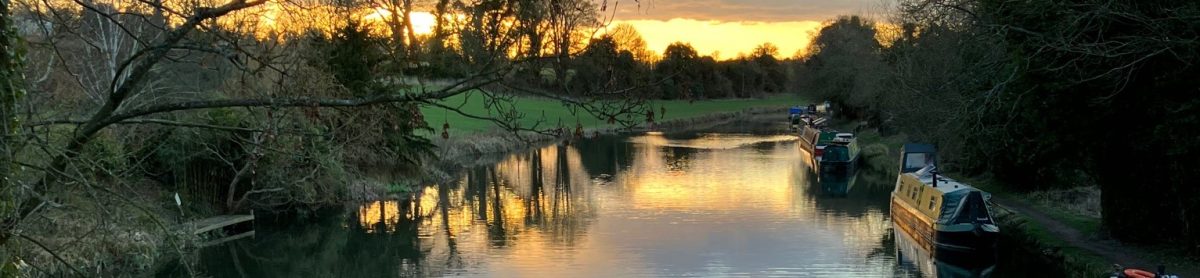
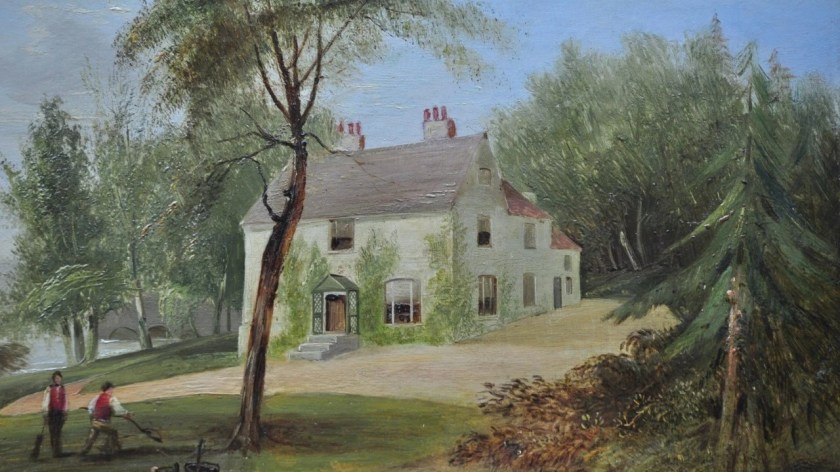


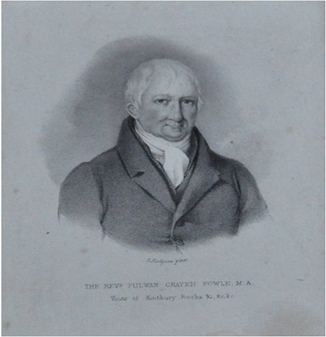
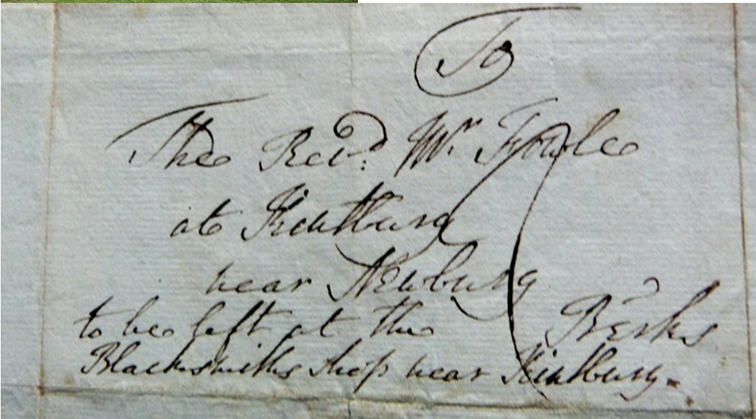
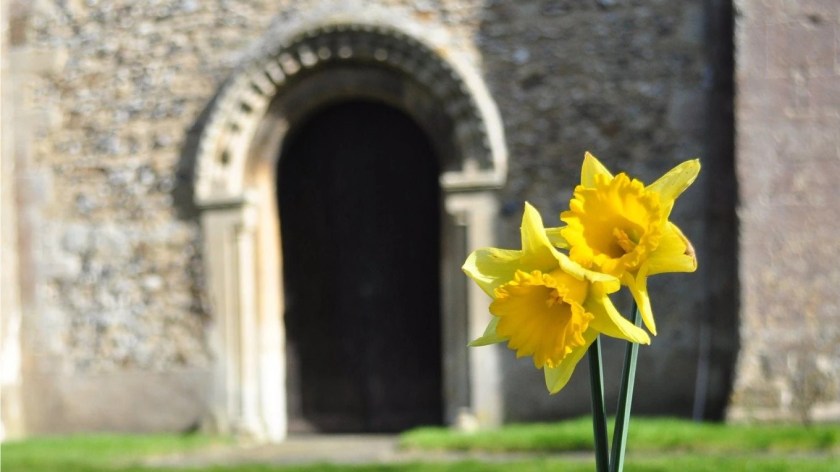


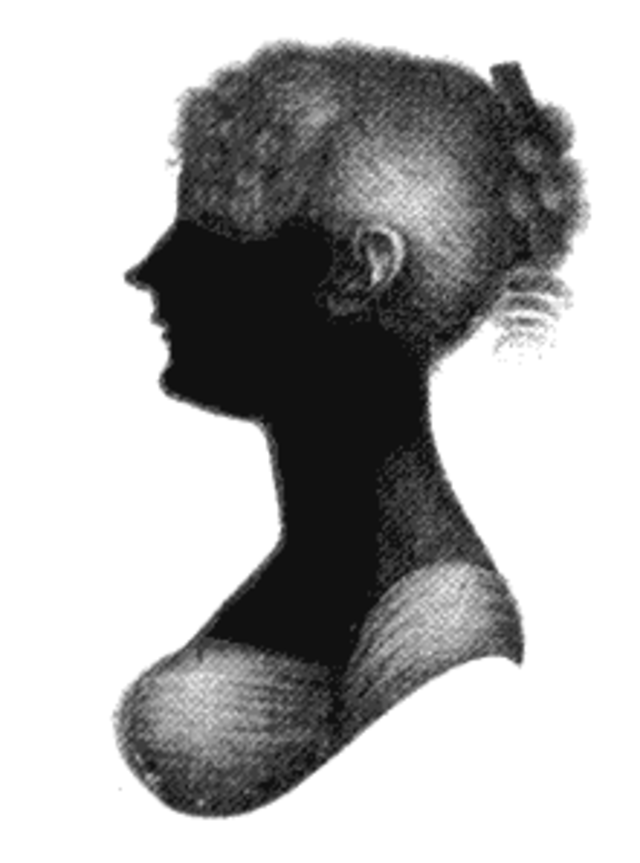
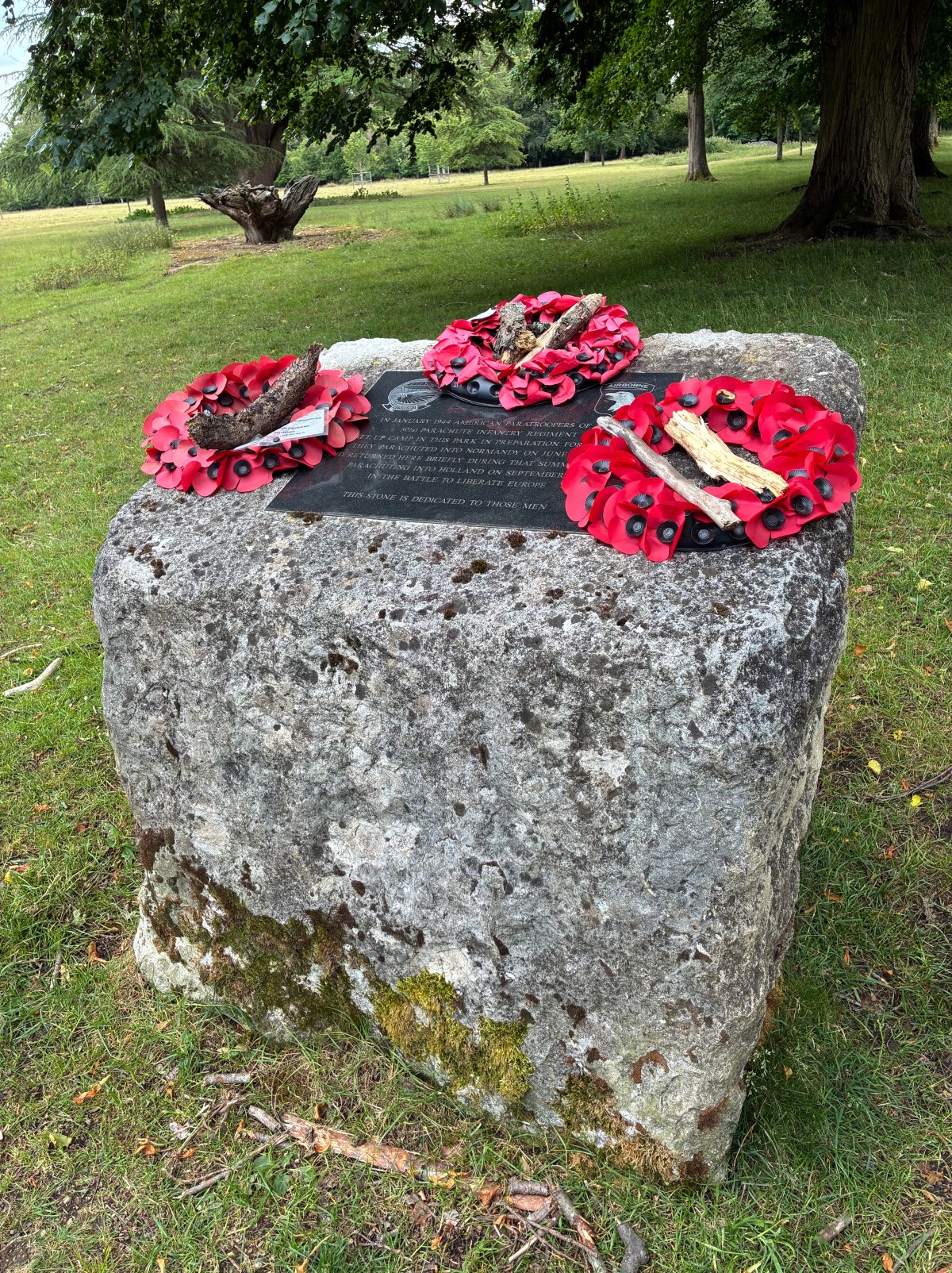
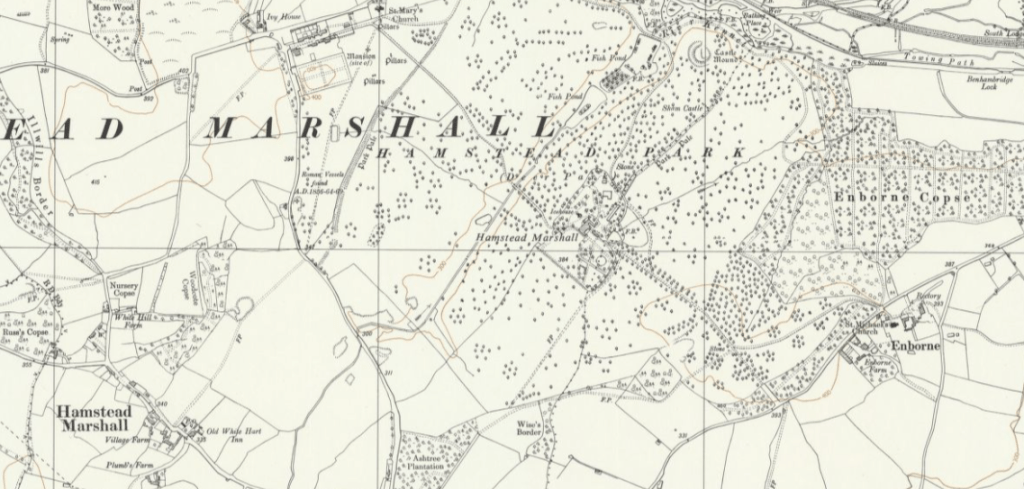

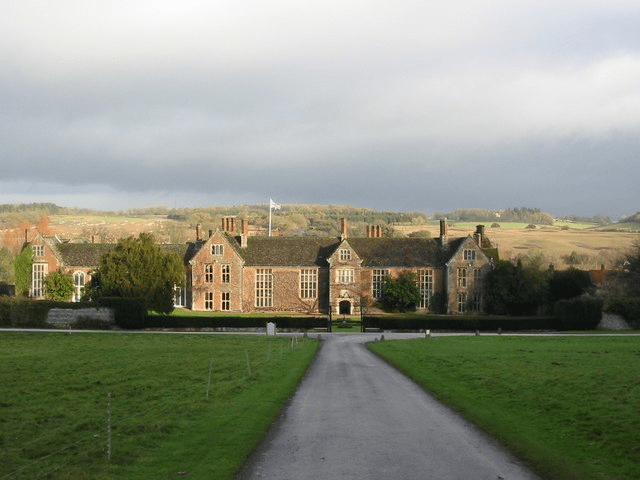

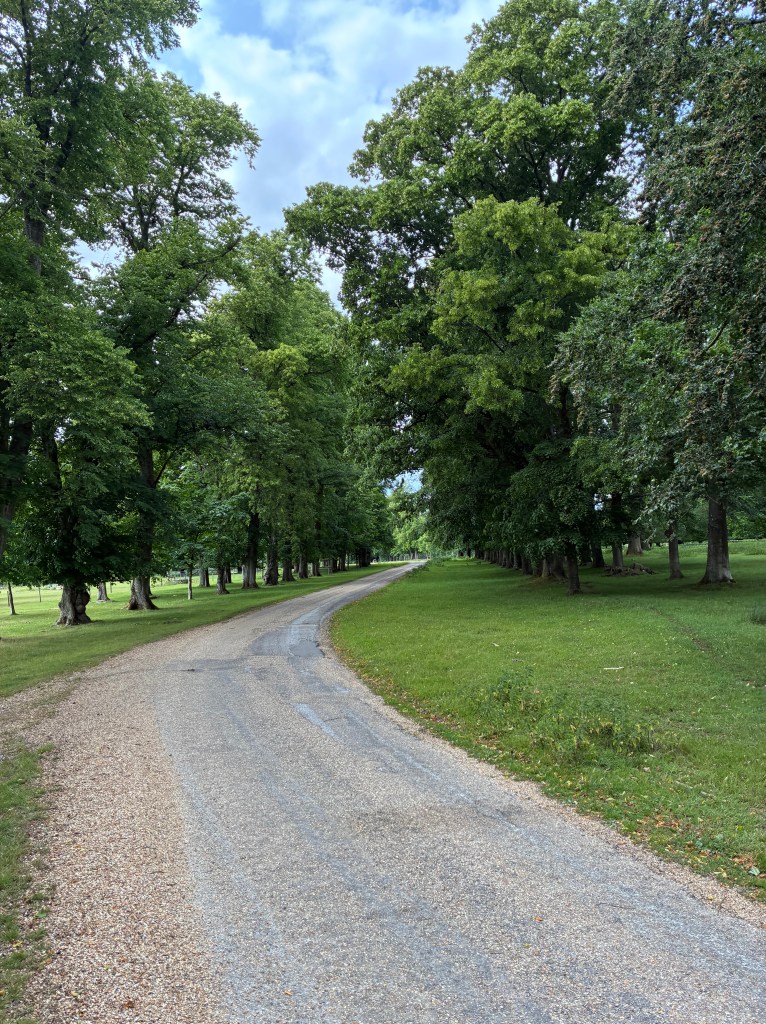
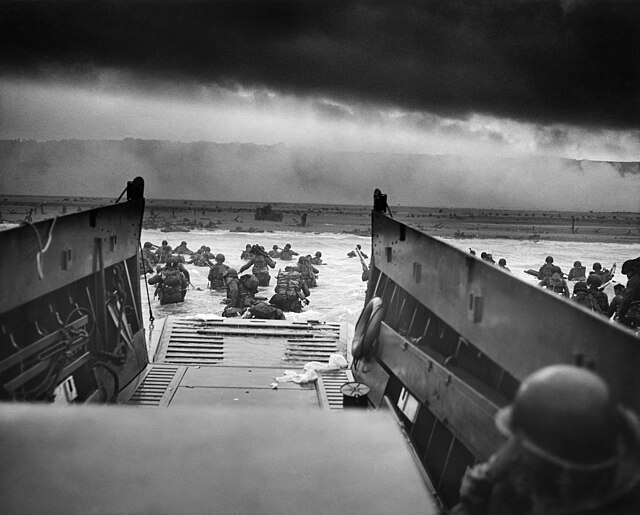
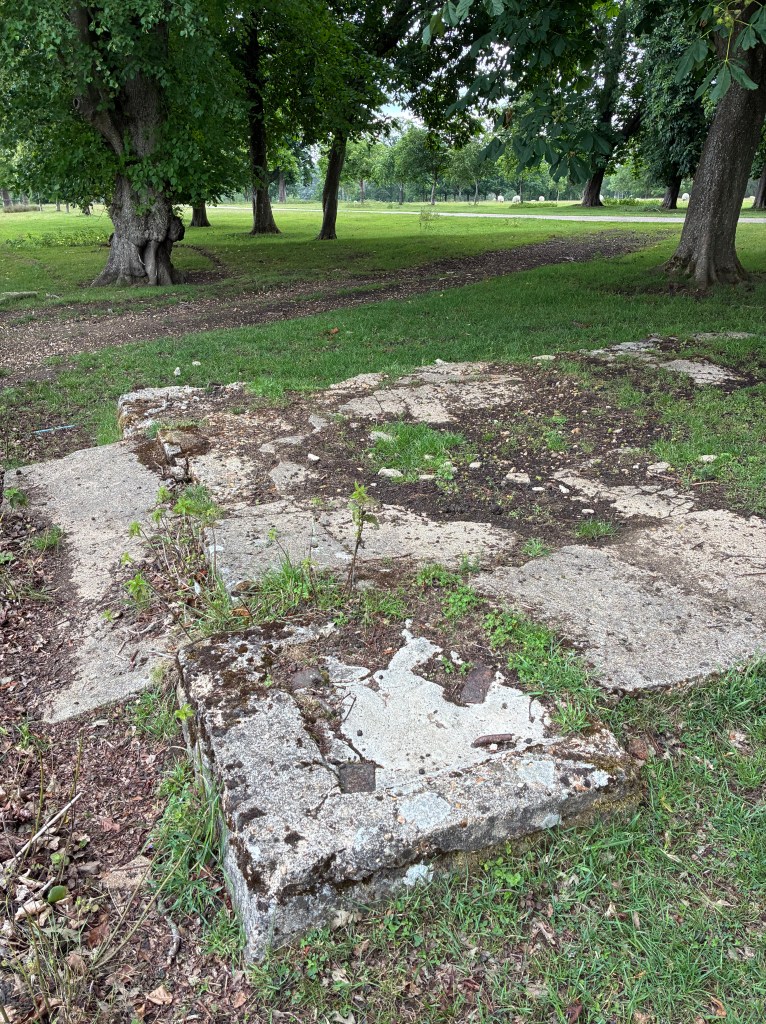


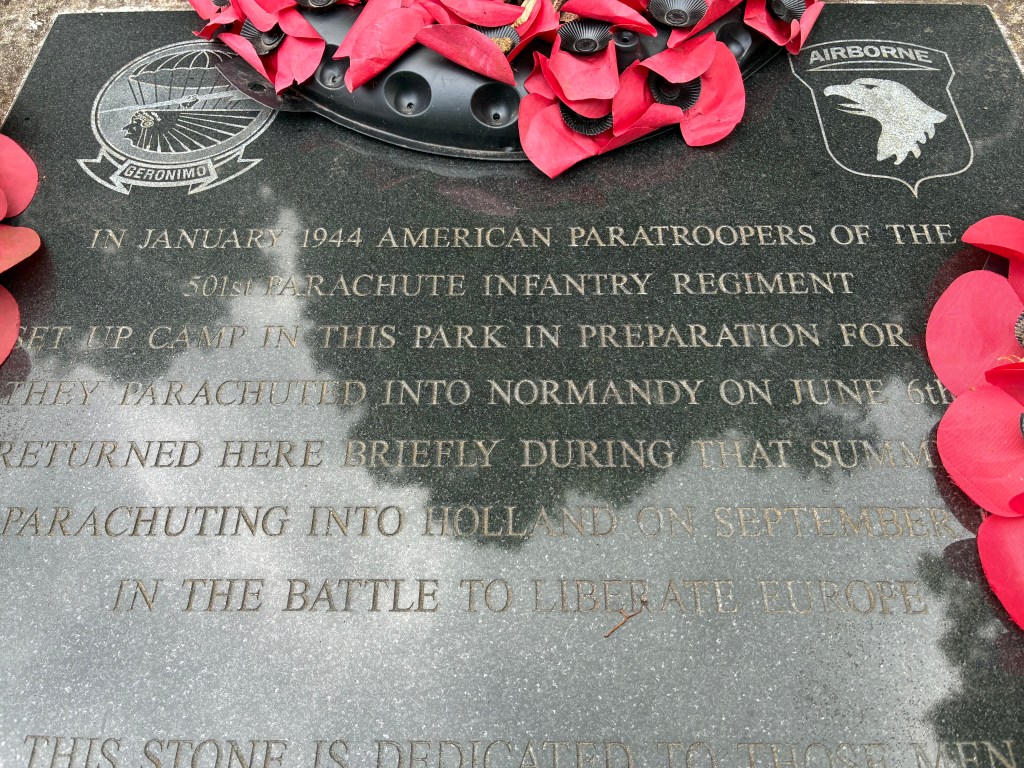
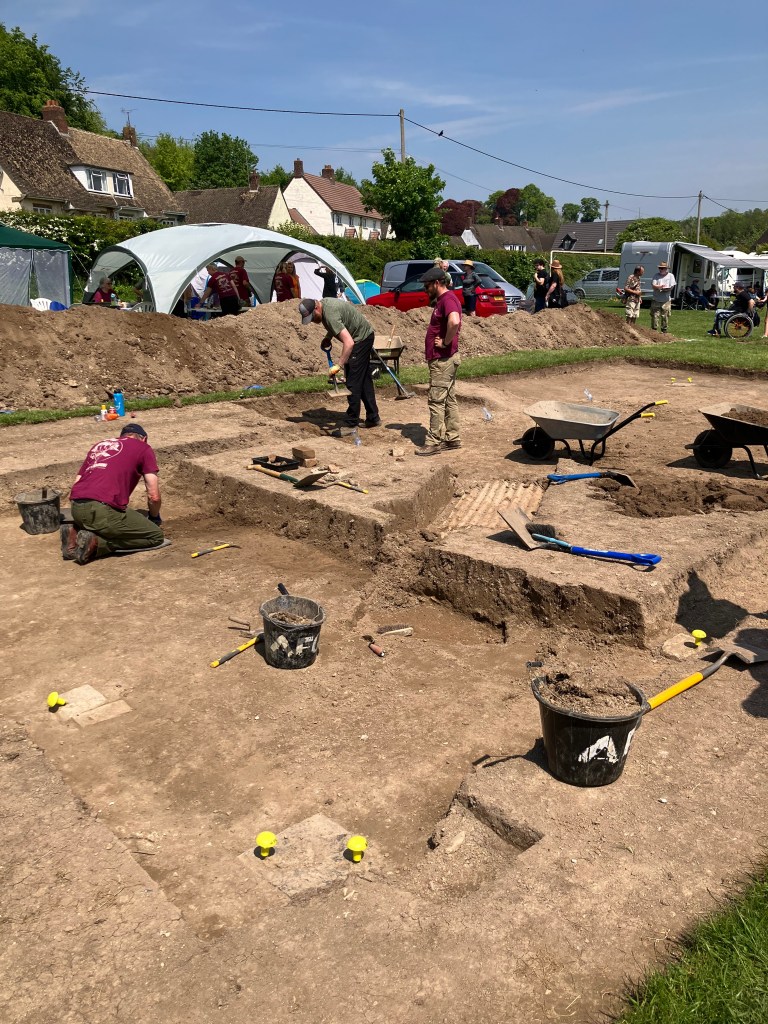
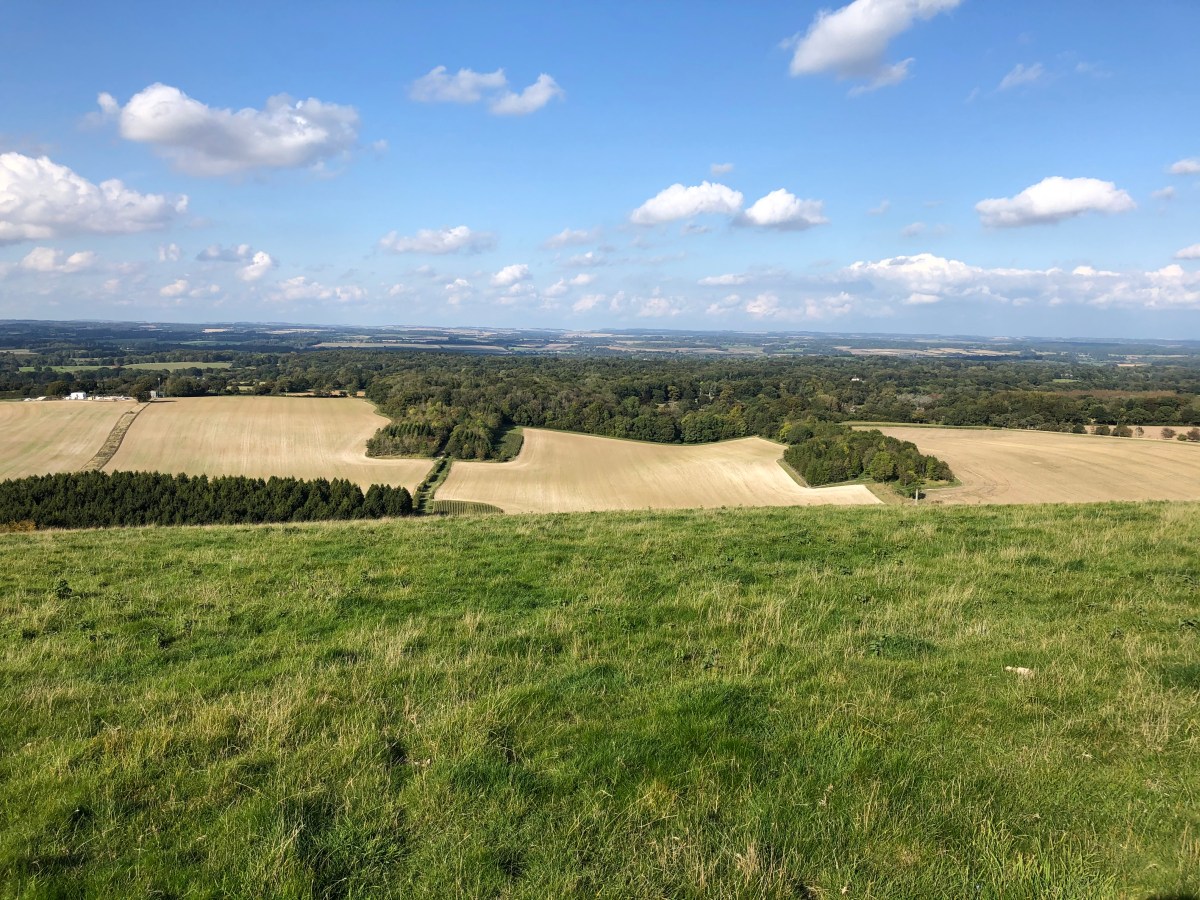
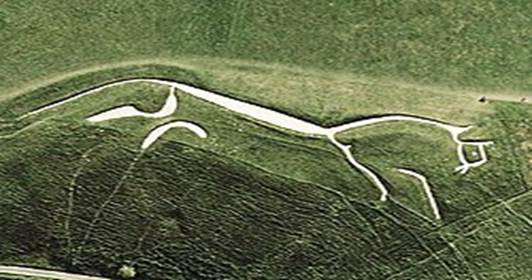
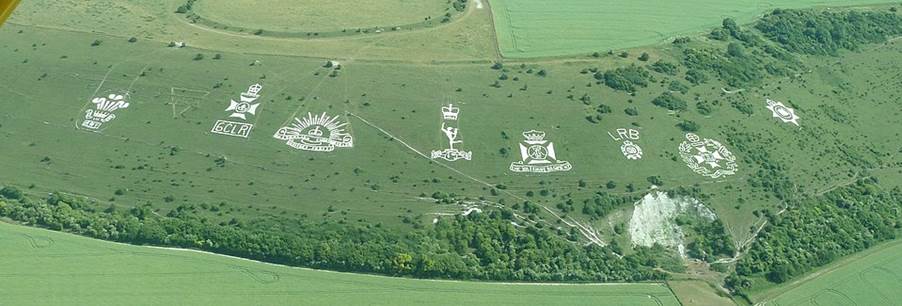
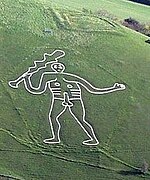

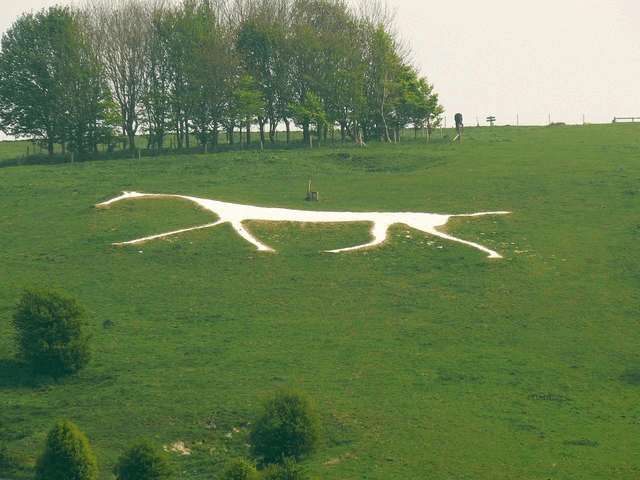

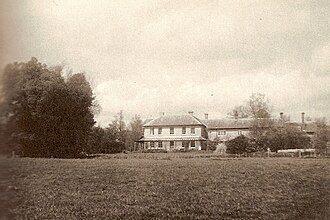

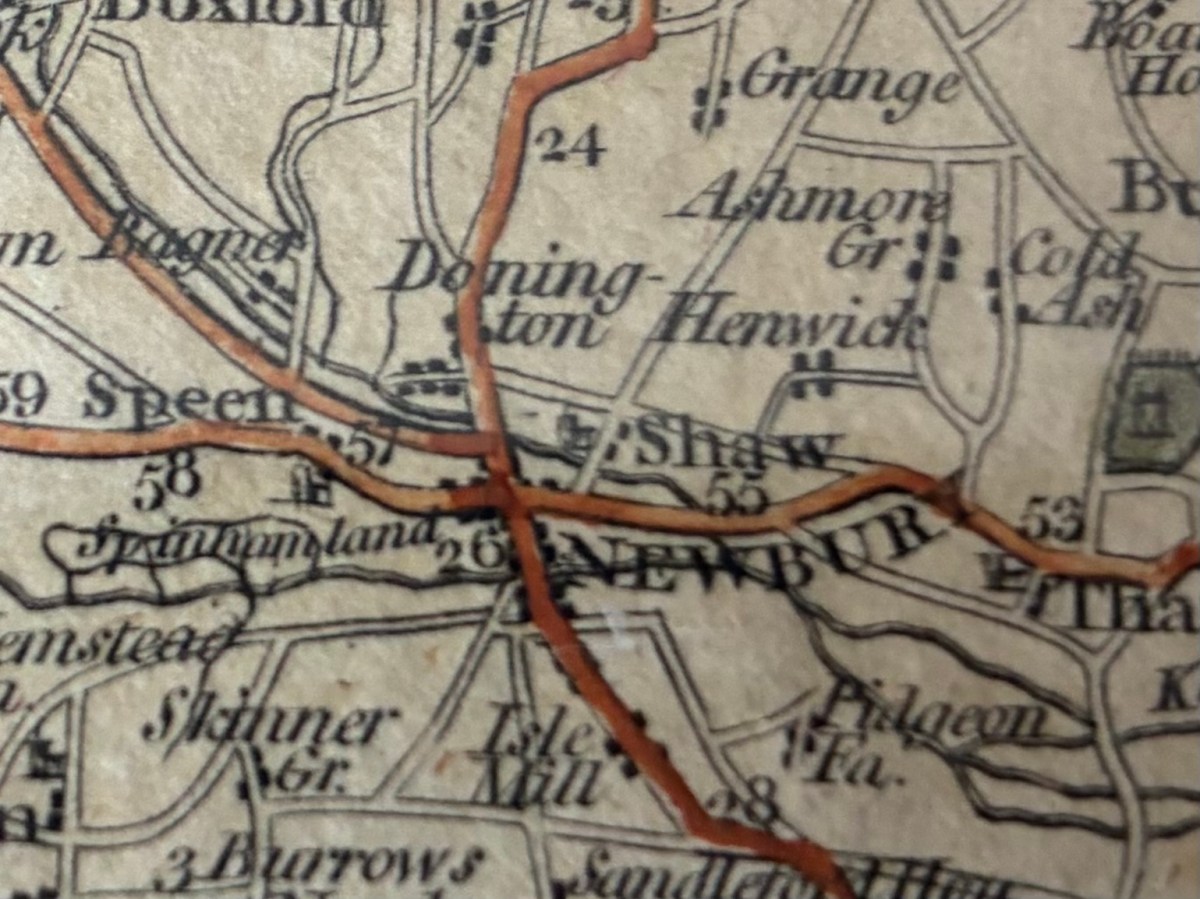
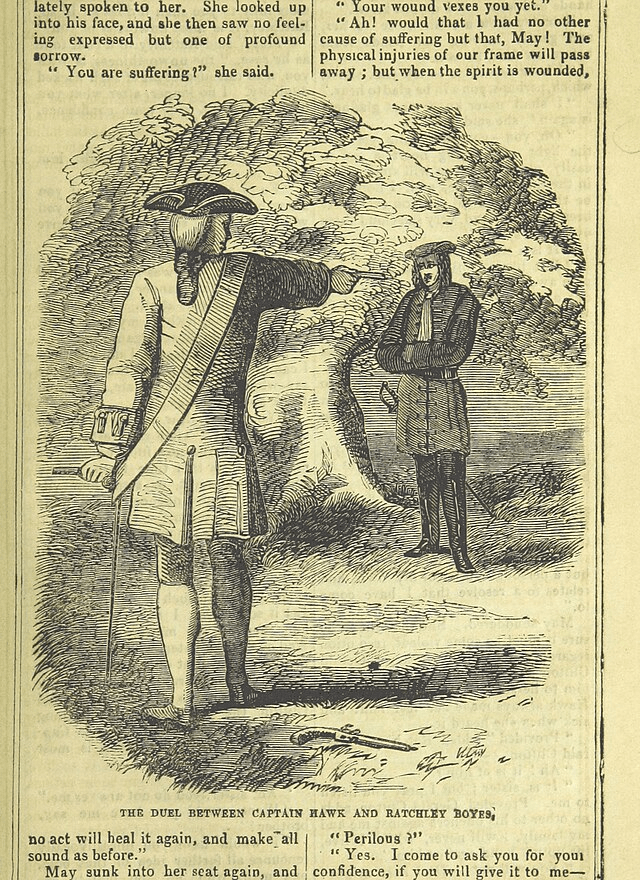

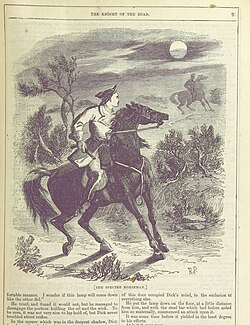

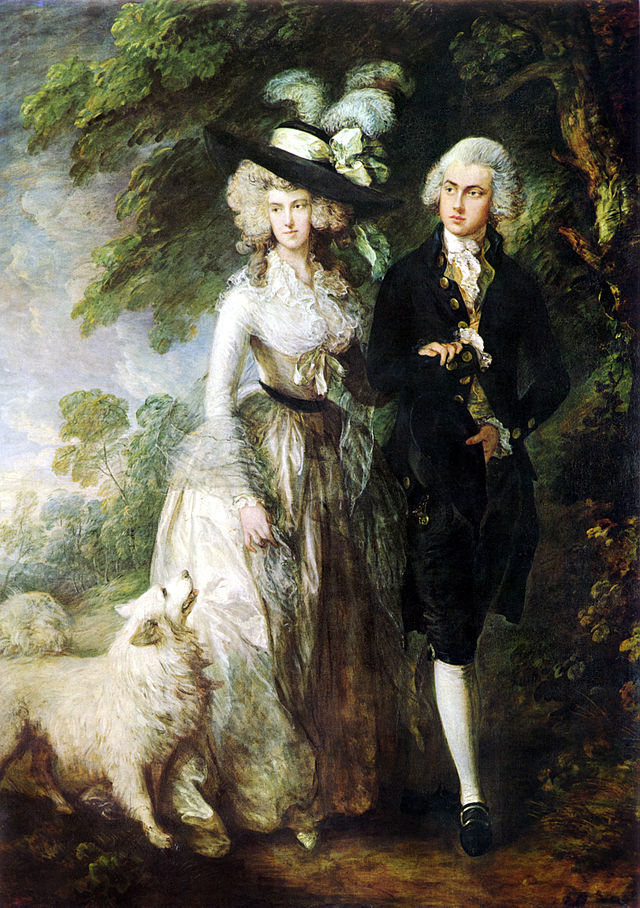
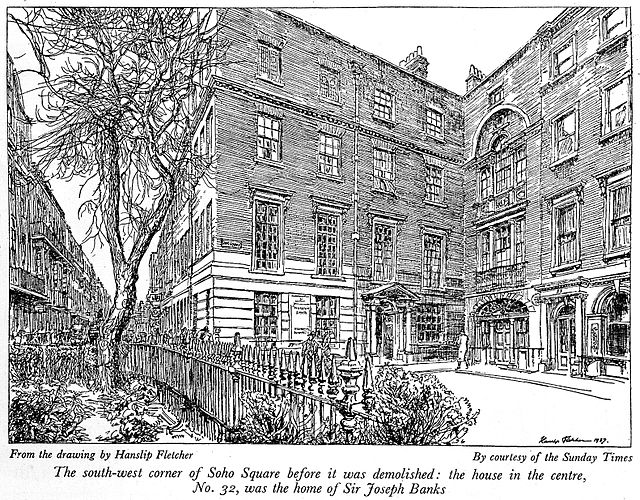
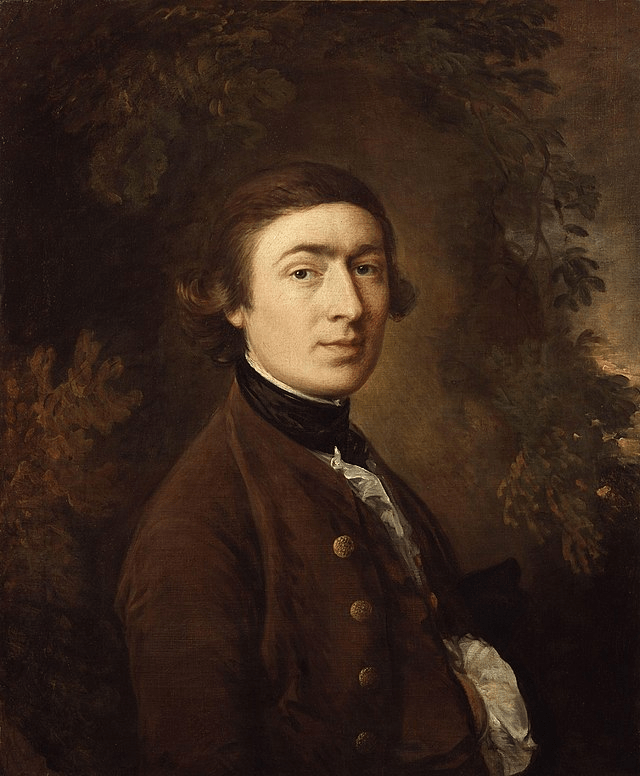
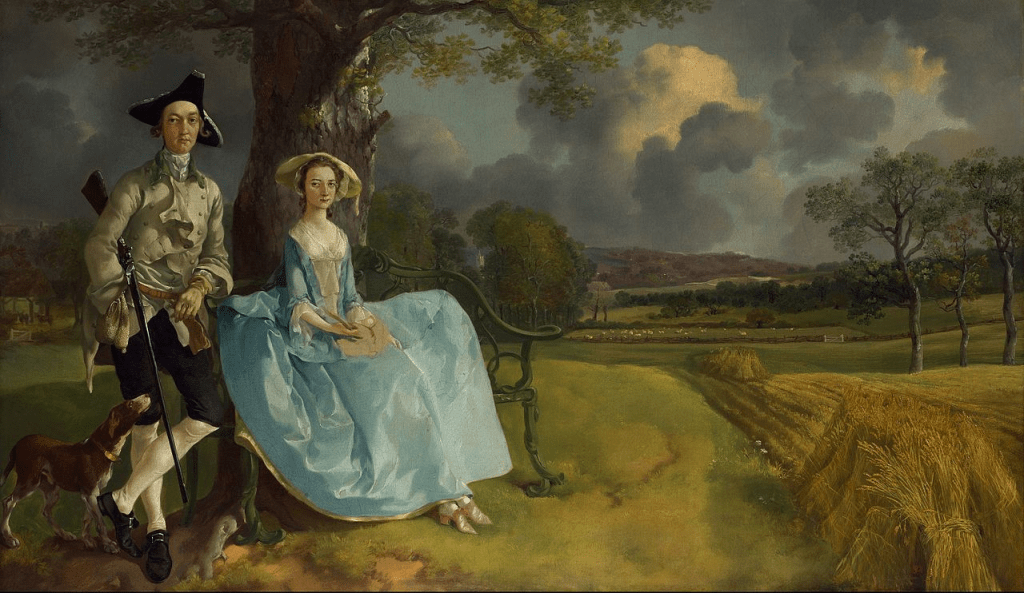
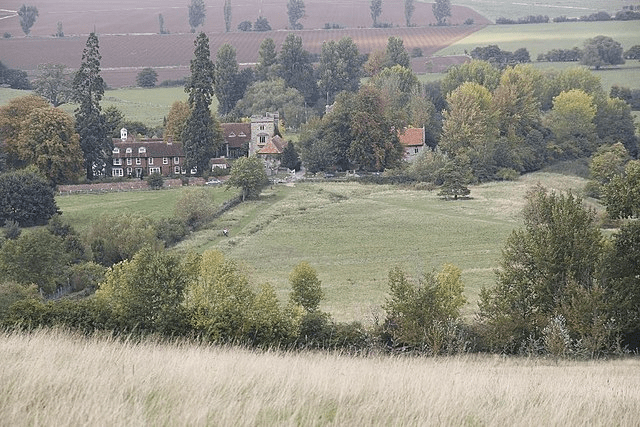

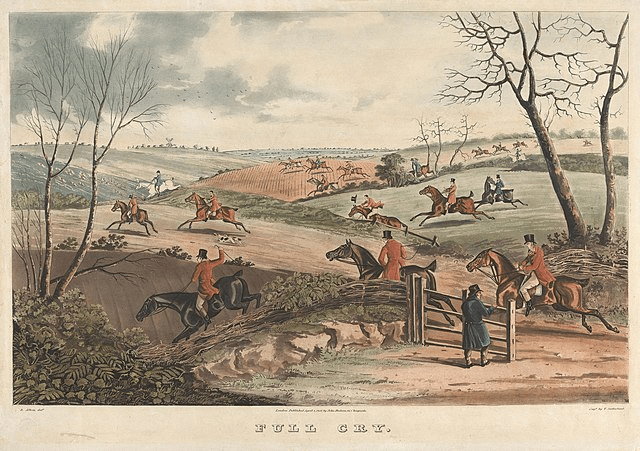
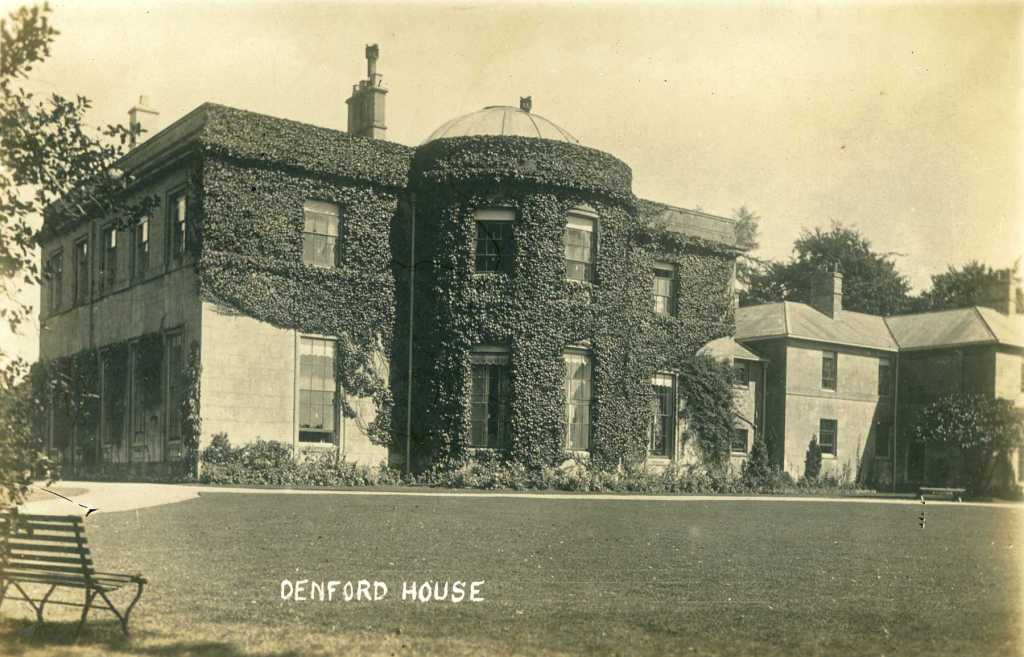
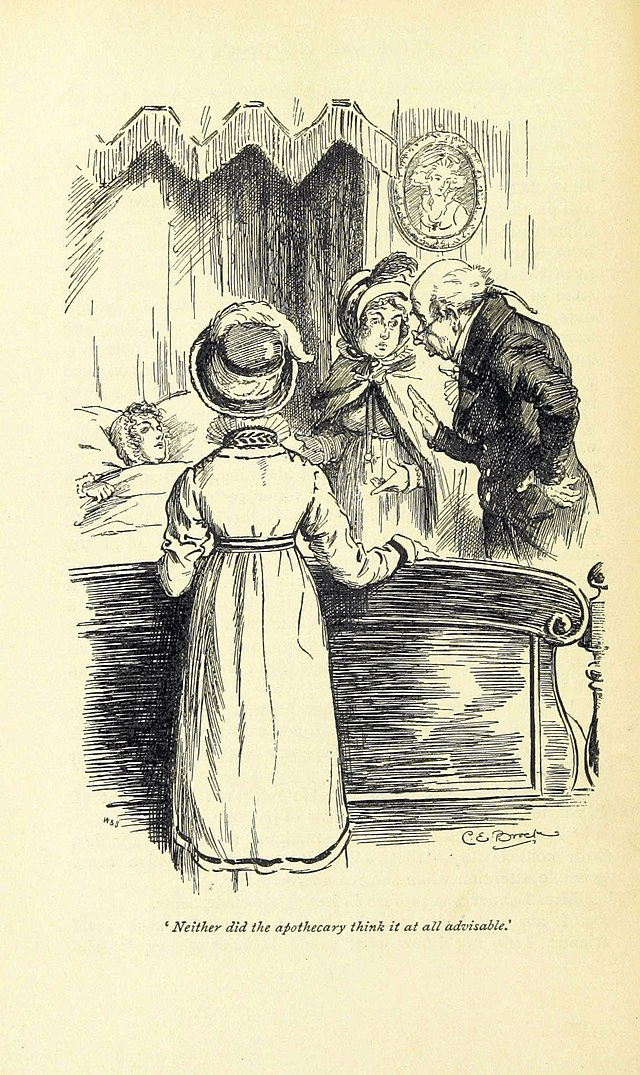

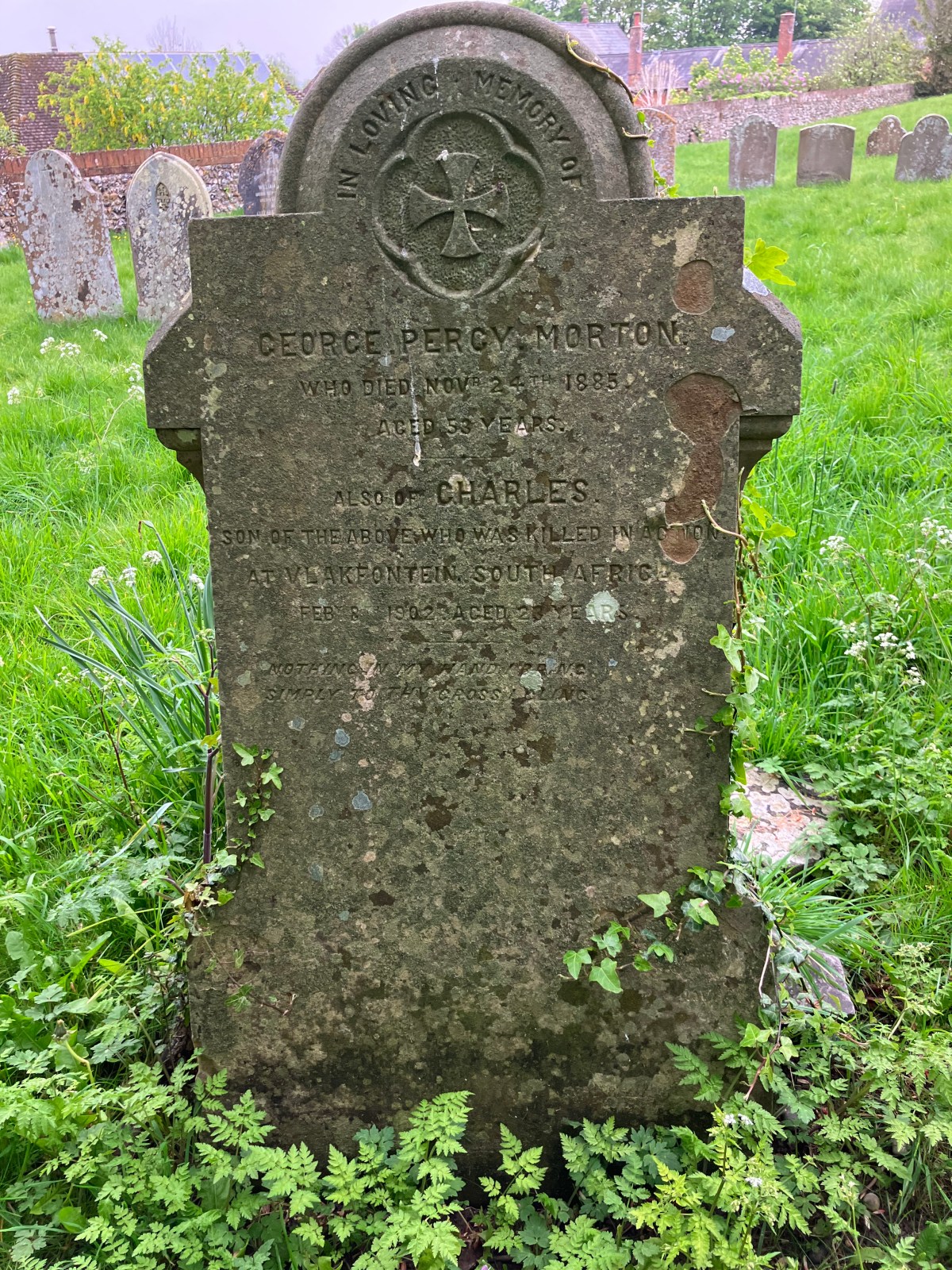
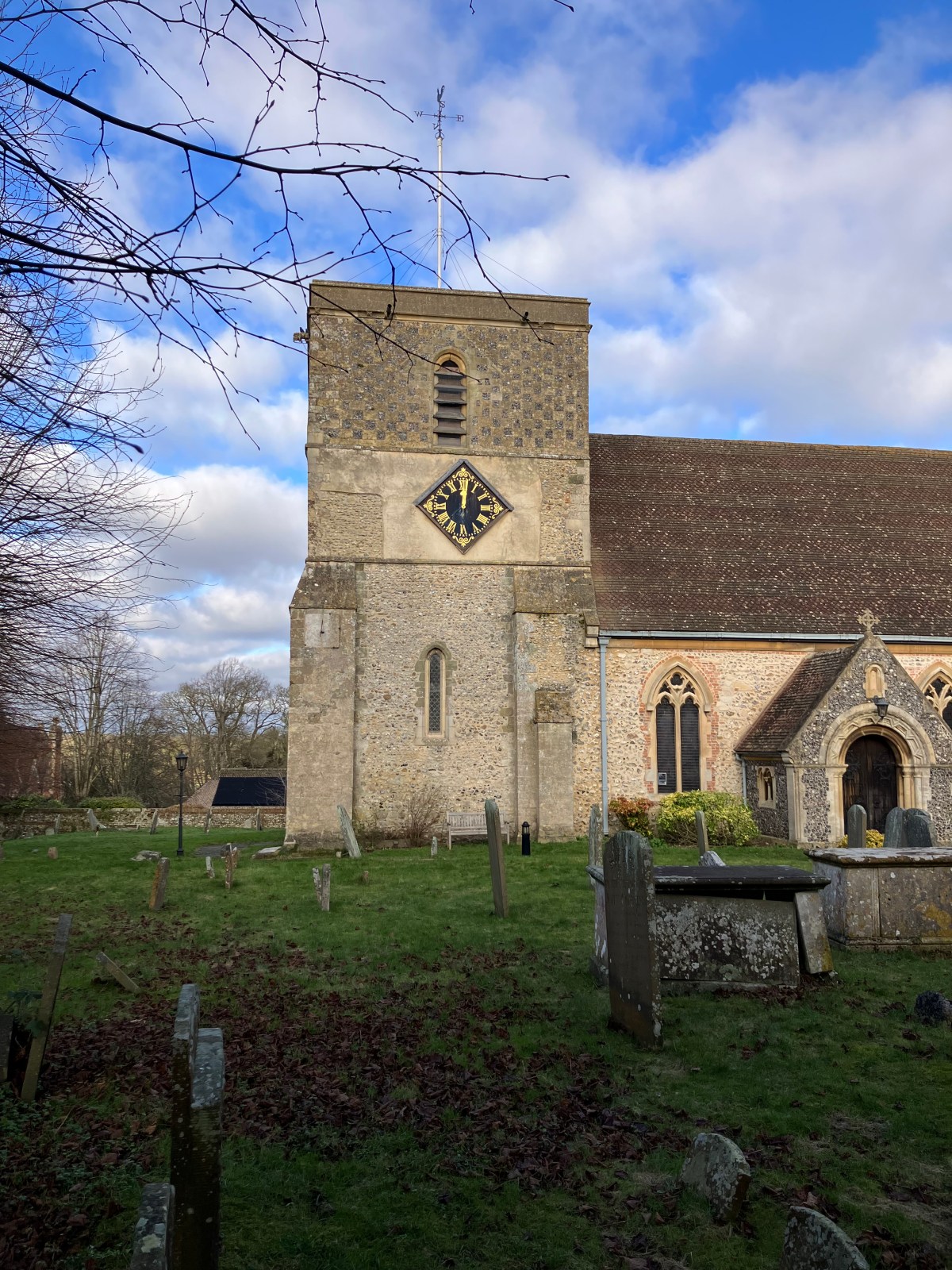
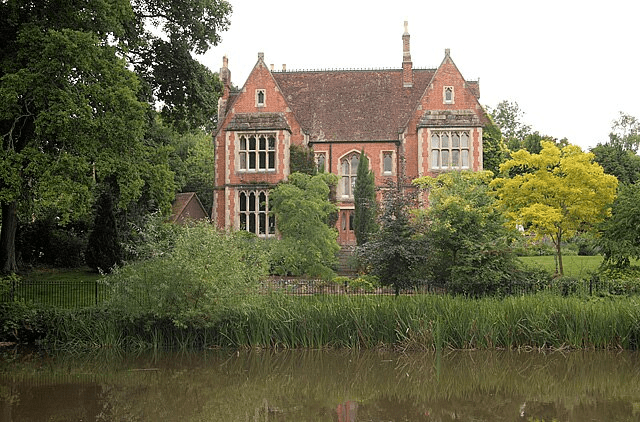

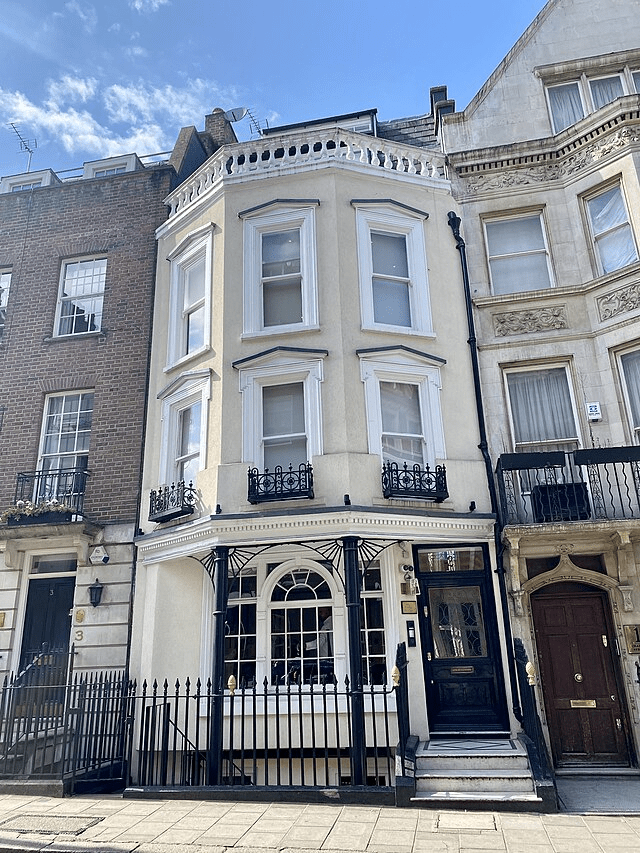
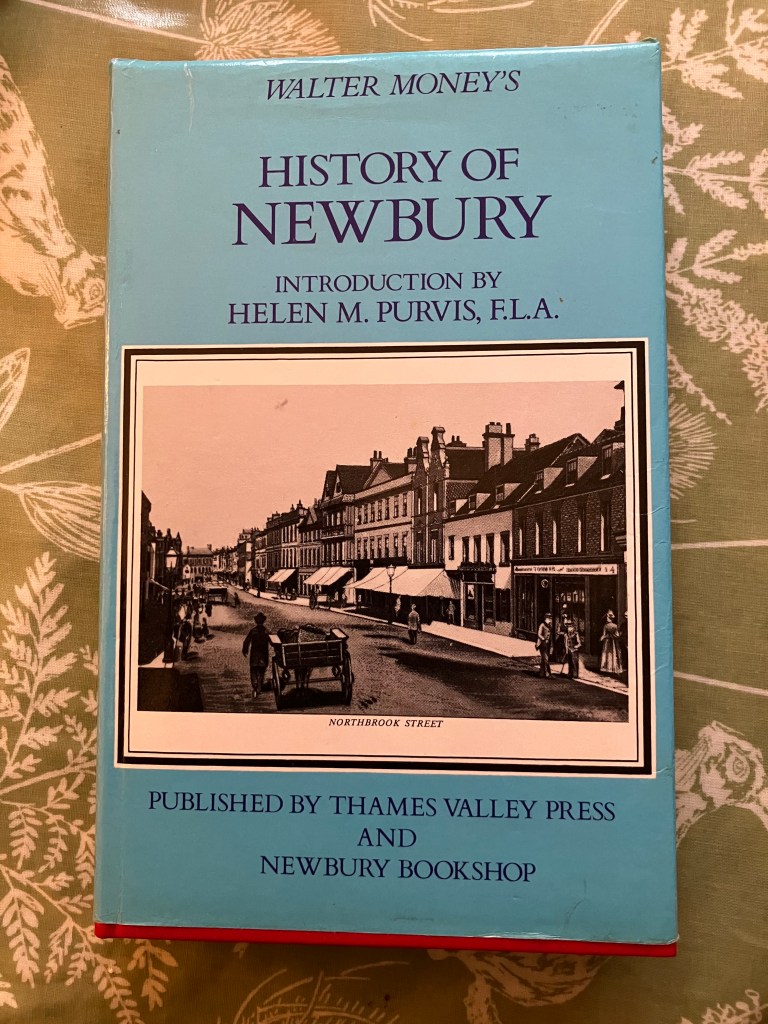
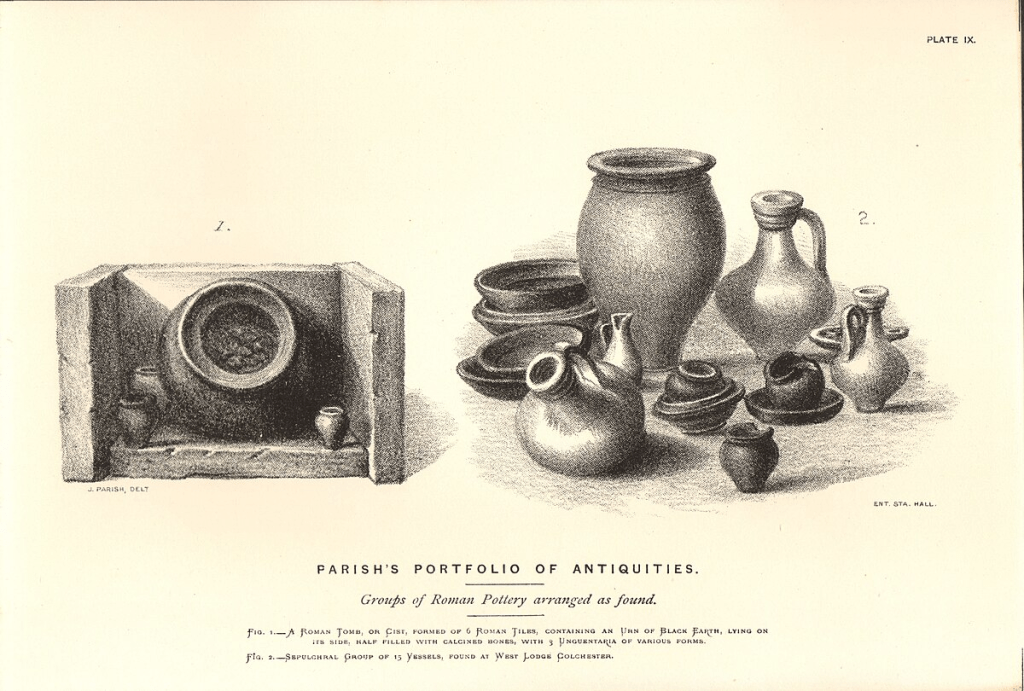

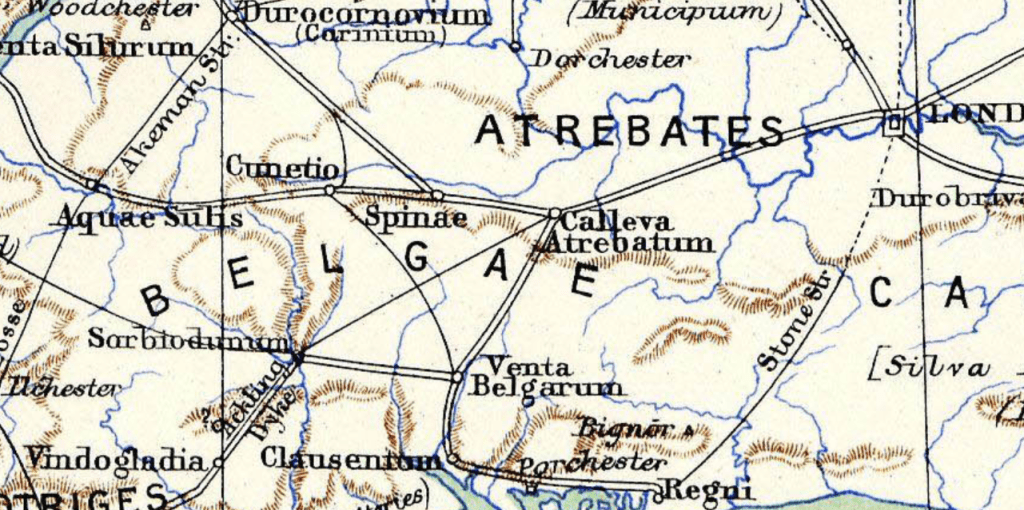
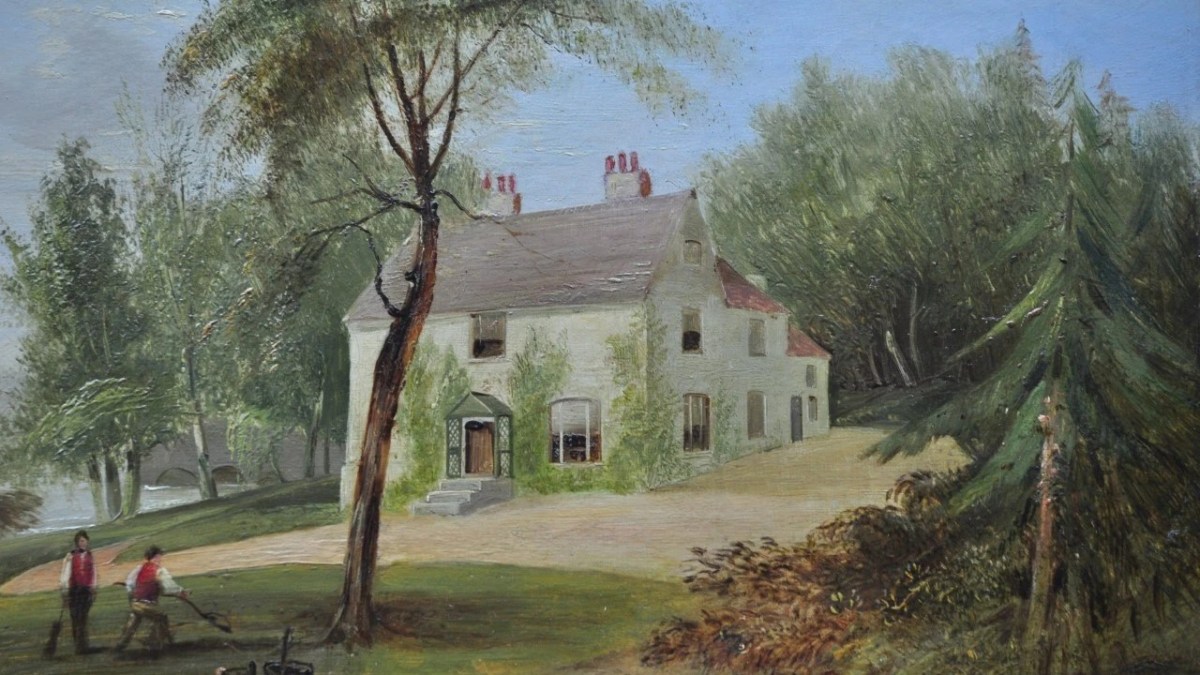
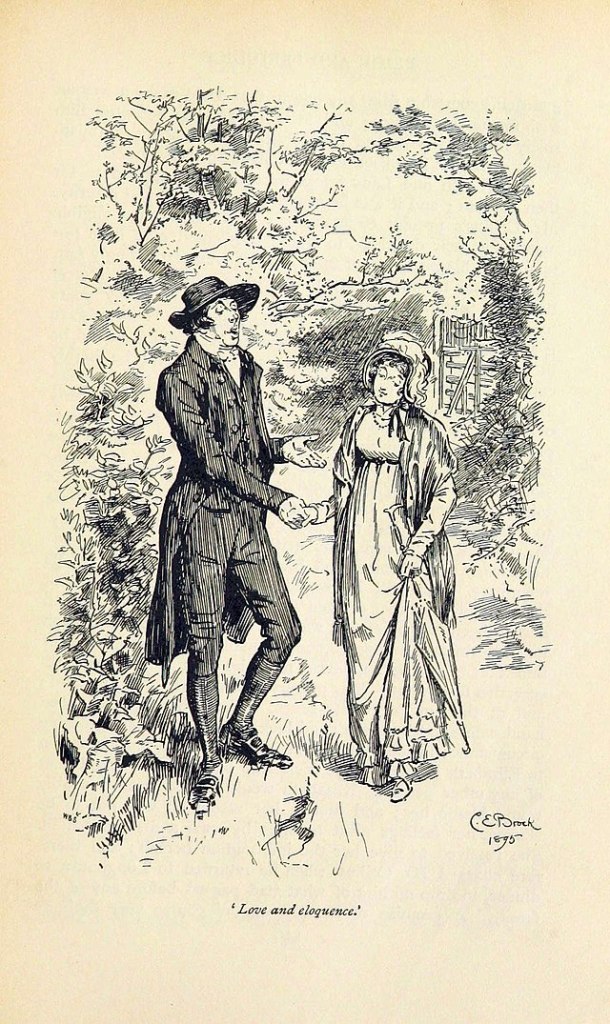
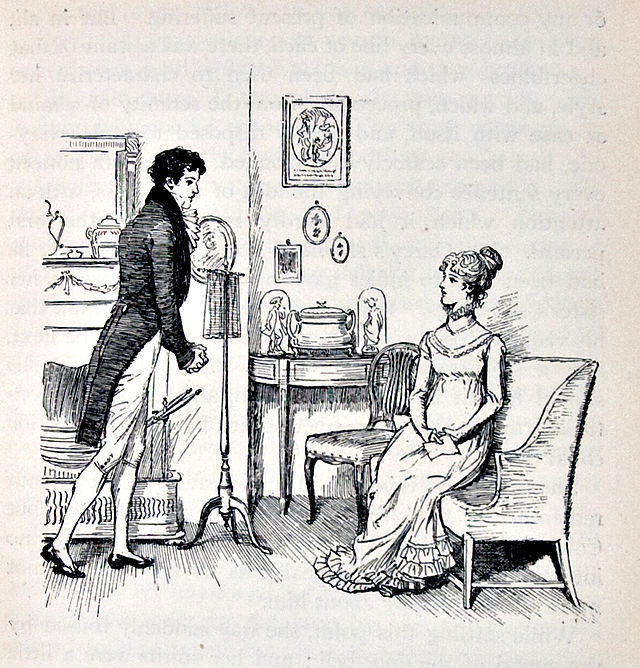
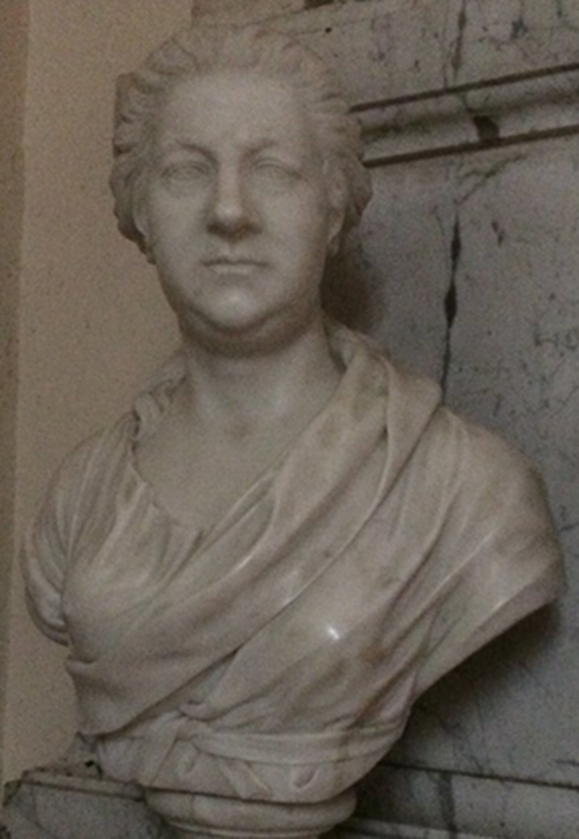

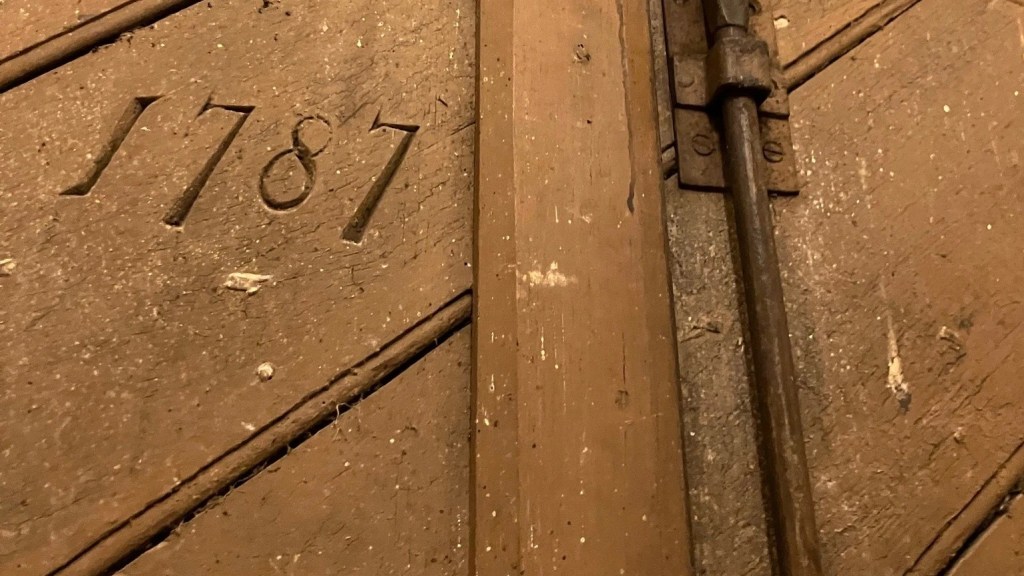
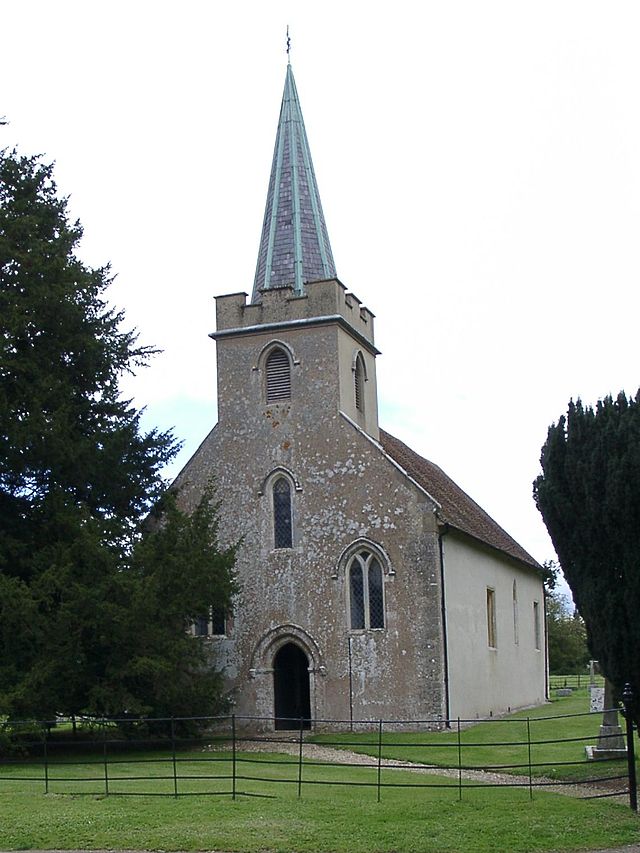

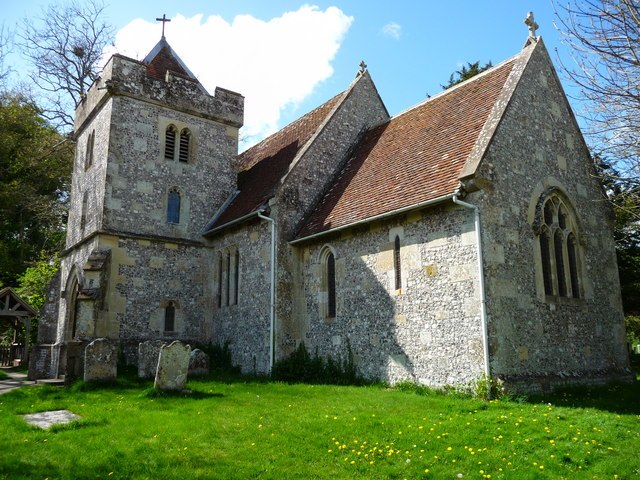

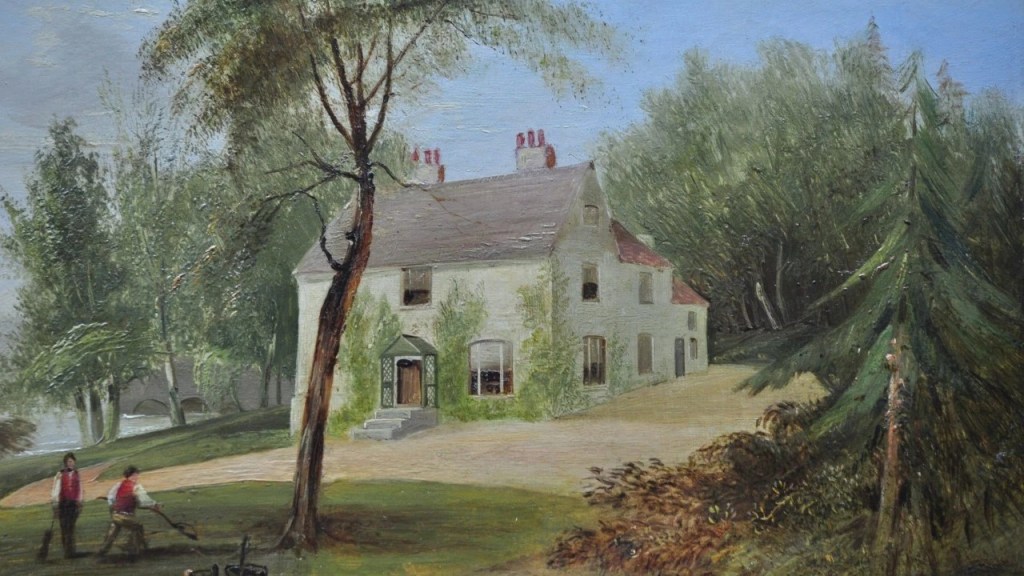
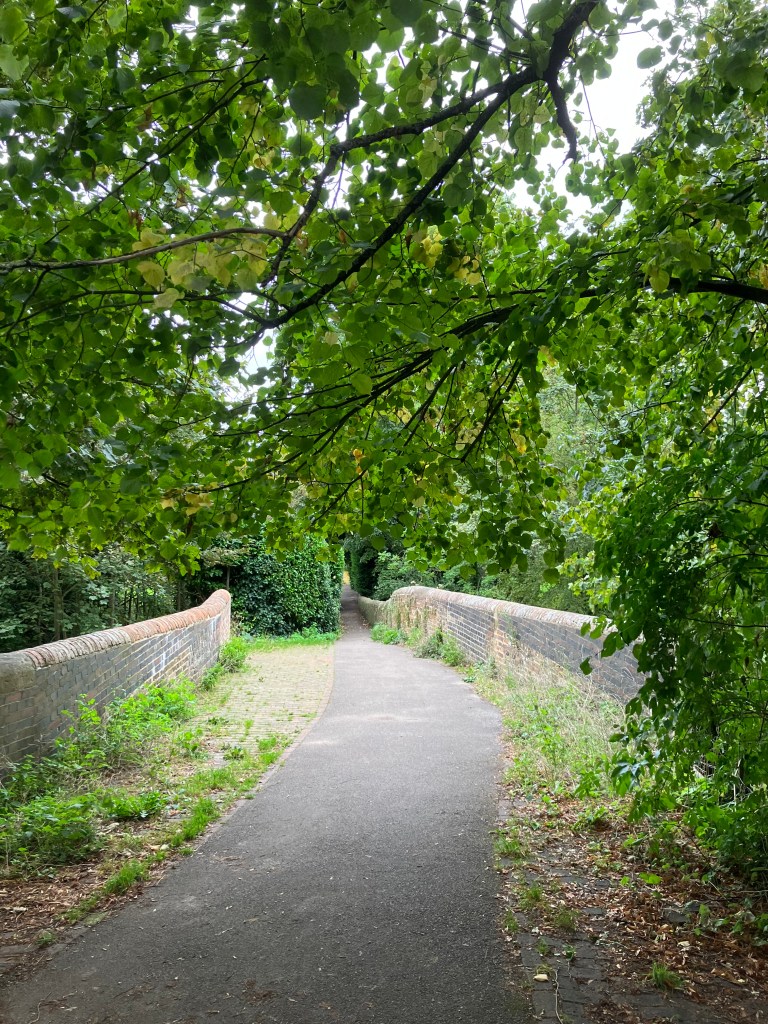
 Kintbury and Beyond