The rich man in his castle,
The poor man at his gate,
God made them, high or lowly,
And ordered their estate.
– Mrs Cecil Frances Alexander
This, the third verse of the still popular hymn, All things bright andbeautiful, is never sung today. When the hymn was first published in 1848, it was a prevalent view that God had ordained your position in life and if you were poor, that was because it was God’s will. This view persisted for much of the nineteenth century.
For the poor of Kintbury and the surrounding villages, the only option for those who had lost all means of self- support – through job loss, through unavoidable incapacity or loss of the main bread winner – was to enter the dreaded workhouse.
Conditions in the workhouse were deliberately unpleasant to deter the poor from turning to this very last resort unnecessarily. If people knew they could turn to the workhouse, so the prevailing mind set ran, they would not bother to save against hard times or support other family members in their times of need. And so conditions were harsh, food minimal and the enforced labour hard.
Following the 1834 Poor Law Amendment Act, villages were grouped into unions around a larger town which is why Kintbury’s destitute were housed in Hungerford Union Workhouse in what is now Park Street.
Hungerford Union Workhouse was opened in 1848; it was three storeys high and of the “Stratton” design after the workhouse in Stratton, Wiltshire.
Inmates were set to work picking oakum – that is to say beating with a mallet then unpicking by hand the tar coated hemp fibres that had been twisted into industrial rope. The finished product – the oakum -was used for such things as waterproofing the joints in wooden piping and between the planks of wooden ships. It was hard and unpleasant work and oakum pickers suffered from bleeding hands and heavy scarring as well as other more serious conditions.
Typically, workhouses were imposing, prison-like buildings
According to the 1881 census, there were ten Kintbury people in the Hungerford workhouse at that time. This number included Henry Randall, a 44 year old farm labourer and his wife, Ann, 44.
In 1871, Henry – an agricultural labourer – and Ann had been living in Kintbury with their children William 8, Eliza, 6, Lucy 2 and Mary 2 months. What happened to the family in the following ten years we do not know but by 1881 Henry and Ann are inmates of the Hungerford Workhouse.
The eldest son, William, by now 18, is a ploughboy working – and most likely living – on a farm at Radley, to the north of the Bath Road. However his sister, Eliza, now 16, is in the workhouse with her parents and described as a “scholar” which seems somewhat unusual as at that time a young working class woman of 16 might be expected to have entered domestic service. Also there, is 12 year old Lucy. Mary, who would have been 10 by 1881, is not listed at all so it has to be likely that she has died. Three more children have been born to the Randalls since 1871: Lizzie, now 8, Louisa now 6, and Martha, now 3 and these are all in the workhouse with their parents.
Perhaps the arrival of more children was too much for the Randalls’ household economy or perhaps Henry had lost his job on the farm.
The Randalls of school age are listed on the census as scholars. Although the workhouse originally employed its own teacher, it seems that by 1881 the boys would have walked to the National School in the High Street, to comply, I expect, with Forster’s Education Act which had made universal education compulsory. The girls, however, received instruction from an “industrial trainer” at the workhouse.
There were 26 other children in the workhouse, all separated from their parents. Similarly, the men were separated from the women.
Twenty nine of the inmates are described as servants and twenty seven as labourers or farm labourers
What I find most surprising, however, is that several of the inmates are listed as having had a trade which might have given them a better chance of supporting themselves but clearly this was not the whole story.
One inmate, Mary Elizabeth Felford, born in Marlborough in 1834, is described as a dressmaker. In 1871 she is living in Wantage with her husband, Edmund, a saddler. However by 1881, Mary is a widow and, one presumes, unable to support herself and her two children so her only option is the workhouse. Why Hungerford, we have no way of knowing but perhaps Mary travelled there in the hope of finding more work but it did not work out. I can find absolutely no positive trace of Mary or her children after the 1881 census
John Waterhouse is an 18 year old tailor from Newhaven. Why, despite having a trade, he was an inmate of the dreaded workhouse, it is impossible to say but after 1881 he disappears completely from the census records.
Kintbury’s Charles Garlick is a widowed tailor in 1881. In 1841 he had been living with his mother Mary and 16 year old sister Rosa in Kintbury, where, interestingly, Mary is described as “Ind” usually an abbreviation for “Independent means”, suggesting that she was well off enough to support herself. What had happened in the following forty years it is impossible to find out, and both Rosa and Mary disappear from later censuses.
Jacob Brooks is a retired blacksmith of 55 who had, ten years earlier, been working on a farm and lodging at a cottage in Hungerford Church Street. However, by 1881 he is an inmate of the workhouse, most likely because he is too infirmed or otherwise unable to support himself. The workhouse would have been his only option.
But even sadder is the case of William Vincent, 39 from Little Bedwyn. He is deaf and dumb and, it seems, only appears on the 1881 census.
So what became of Kintbury’s Randall family? By 1891, William – the son who did not accompany his parents into the workhouse – is an agricultural labourer in Hungerford Newtown where his sisters, Lizzie, now 18 and Martha, now 13, are living with him.
Louisa is a servant in the family of Eli Brown at the Queen’s Arms, East Garston.
By 1901, William , Lizzie and Martha are all living with Lucy and her husband, Samuel Harding, a GWR railway worker. They were lucky, I think, to have an in-law who was able to have them lodge with him – it must have made for cramped living conditions as no artisans’ cottages at this time were spacious, but the extra income must have been welcomed.
It makes me very sad not to have found a really positive outcome for any of the Workhouse inmates I have researched here. Not everyone was a permanent resident; I know from my own family history that a set of 2x great grandparents spent sometime in the Chipping Norton workhouse. However, they survived and were able to move on with their lives – otherwise, I suppose, I would not be writing this.
I hope the Randalls’ family story had a happy ending that I have not, so far, been able to find.
On the highest point on chalk in England, Walbury Hill Fort has overlooked the Kennet Valley for over two thousand years.
During the Early Iron Age, between 700 and 300 years BC, around three to four thousand hill forts were constructed throughout Britain. It is difficult to say exactly why there was an increased need for more fortified settlements but a rise in population might have led to competition for resources coupled with an emergence of powerful, local chieftains looking to defend their patch. The Iron Age people – or the Celts as they are sometimes called – are known to have been quite aggressive and defensive of their territory. Three distinct tribes occupied the central south west of England – the area often identified as Wessex – with the Durotriges in the south , the Dobunni to the west and, in our area, the Atribates.
Looking towards Walbury Hill Fort today
The Iron Age Celts had no written culture themselves but instead valued the passing on of knowledge and poetry in the oral tradition. However, the Romans, who invaded Britain towards at the end of the Iron Age, had quite a lot to say – and write – about the people already living here. According to the Romans, the Celts were pale skinned and muscular. The men were fond of washing their blond hair in lime water to enhance its colour, then combing it back across their heads into spikes. Trousers and shirts of woollen cloth were dyed in bright colours and men of higher status chose to grow their moustaches so long their mouths were covered.
Metal working skills were particularly valued with decoration and ornamentation in the intricate swirling designs identified as being in the Celtic style still popular today.
Walbury was one of the earlier hill forts to be built. Constructed at a time when the only tools available were antler pick axes, shovels and wickerwork baskets, our local hill fort is trapezoid in shape and covers 82 acres or 33 hectares, making it the largest hill-fort in Berkshire. It is univallate, meaning it is surrounded by a single bank and ditch and when originally constructed the bank would have been topped with a wooden palisade. In places the top of the rampart to the bottom of the ditch measures 5 meters so the whole structure would have been quite imposing.
Although it is impossible for us to know how many men were required to construct the hill fort, or how long it would have taken, it was clearly labour intensive and very important to them. When first constructed, the bare chalk walls would have been visible for miles around and, topped with a high wooden fence, it made a statement. It announced, “This is our space – we live and defend here.”
Walbury was not alone in the landscape. From the highest point within the fort others could be seen including Fosbury near Kingsclere, Beacon Hill near Highclere and further afield Danebury near Andover and Segsbury near Wantage. Evidence of settlements and of farming have been discovered beyond the hill-top settlements and it is difficult to assess how much time would have been spent living within the defended enclosures rather than in homes clustered lower into the valleys.
Walbury was excavated in 1997 as part of the Wessex Hill Forts Project ( see link below ) but, disappointingly, a magnetometer survey failed to detect features such as post holes due to the variations in the natural geology. However, other, more successful excavations elsewhere have revealed more about hill-fort life in the Iron Age.
Professor Barry Cunliffe excavated Danebury Ring hill fort over twenty seasons in the 70s and 80s, revealing much about Iron Age hill fort life which must have applied to our local hill-fort dwellers at Walbury.
Model showing construction of Iron Age house, Museum of the Iron Age, Andover
Homes would have been round houses constructed of wood with wattle walls, one door way providing all the light inside. Agriculture was important with cattle, sheep and pigs kept not only for their meat but also milk, skins and wool. Grain, grown in fields outside the fort, would have been stored in square granaries or deep pits.
Agriculture was not the only industry: spinning and weaving, leather working, basket and hurdle making, pottery and metalworking were all of particular importance. Although life within the hill forts was pretty much self sufficient, by the first century BC, trade with the continent had increased with imports of wine, olives, figs and glass to the communities nearer the coast.
Model of Iron Age woman weaving, Museum of the Iron Age, Andover
Change was coming, however, with the arrival of the Romans in 55 BC and the following decades. Trade and collaboration with the newcomers eventually saw changes in the life style of the indigenous peoples many of whom began to adopt a more Roman way of living. Hill forts on their cold, windy ridges overlooking the valleys were eventually abandoned with many higher status Celts preferring a more Roman life style of living. Although it is now known that many Iron Age peoples continued to live as they had done for hundreds of years and quite independently of the Roman incomers, there would have been times, increasingly, when Celtic men and woman chose their partners from those more newly arrived – perhaps to family opposition or even perhaps to envy of the new, modern life style. Perhaps the inhabitants of the villa built close to the Kennet to the east of Kintbury may well have been a Romano British family who were the descendants of those people who had originally lived in the Walbury hill fort.
When, I wonder, was the very last time that an older family member looked towards Walbury and said to children or grandchildren,
“See that place on the hill? That was where our people used to live. That was our place!”
Queen Victoria came to the throne on 20th June 1837 so, by her Golden Jubilee in 1887, many people had grown up knowing no other monarch. Consequently, the fiftieth anniversary of her coronation was seen as a cause for great celebration.
Reports in the Newbury Weekly News covered three local villages: Kintbury, West Woodhay and Combe, although the other villages would certainly have held celebrations. Reading those three reports, what is most interesting, I think, is the way in which events in the two smaller villages are organised – and presumably largely funded – by the families in their respective “big houses” to whom, it is naturally expected, the villagers will demonstrate deference and appreciation.
A church service of thanksgiving was a central to the celebrations in all three villages: at Combe villagers marched behind a banner to St Swithun’s church while St Mary’s, Kintbury flew the Royal Standard and the bells were rung.
Celebrations in the two smaller villages very much revolved around the respective “big houses” with their principal families. At Combe, Mr W.H. Cole gave his workers, game keepers and labourers on the Combe estate a meal “of hot roast beef, mashed potatoes, plum pudding and beer”, all enjoyed on the village green. The villagers, “did not fail to express themselves most grateful”, but then, it would be expected to show appreciation to those you were dependent on for employment. The meal was followed by singing and dancing, “freely indulged in by the village lads and lasses” and – presumably for the men only – the, “fragrant weed, too, liberally supplied by Mr Cole, was thoroughly enjoyed.”
At West Woodhay, celebrations kicked off in sporting vein with a cricket match although presumably this was something to be enjoyed more by the men than the women. The church service was held at a quarter past five after which parishioners proceeded to the home of Mr & Mrs Cole at “the big house” (sic) for hot roast beef and plum pudding which, the report tells us, consumed in a West Woodhay fashion “cannot be beaten.” What “West Woodhay fashion” was, we are left to wonder. The meal was followed by a “Jubilee pipe” and “a good packet of Jubilee tobacco for every man”. If anything special was given to the women of the village, the NWN report does not say. I doubt it was.
The Cole’s son, Mr A.C. Cole, had returned to his parents’ home for the celebration; he gave a speech which was, apparently, well received especially as he had recently been, “in town” where he had been, “viewing Her Majesty in her world-famed procession and at personal inconvenienced had come down to assist in making his father’s servants happy.”
So that was nice.
At 9 o’clock everyone proceeded to “our beacons” to watch bonfires and rockets.
The NWN report of the celebrations in Kintbury illustrate a village which did not revolve around one family in a “big house”, although the report mentions the names of certain influential and benevolent villagers. Celebrations commenced with a peal of church bells at 5 am so an early start was assured whether the good people of Kintbury wanted it or not! The village was decorated with bunting the like of which had never been seen before, apparently, and music was supplied by the Hungerford Town Band.
Kintbury was then, as it is now, a much bigger village than the others and this is reflected in its celebrations. A table covered with a calico cloth was placed in Dr Lidderdale’s meadow, to seat nearly one thousand people – presumably all at once! A meal of roast and boiled beef as well as boiled ham was served, accompanied by hot potatoes and plum pudding, washed down with a pint of beer or two bottles of ginger beer for each person. Somewhere referred to as “the Baths” was loaned by Mrs General Dunn for tea making. It seems no expense was spared and during the meal, children were entertained by one Professor Burssord, allegedly of London, who performed various and amusing tricks with great dexterity.
Sports and music followed the meal and about 450 children enjoyed bread and butter and cake with tea served in a Jubilee mug. I hope they were able to take the mug home with them afterwards!
Those unable to get to the event due to age or infirmity had their dinners delivered to them.
The day concluded in sports at which money prizes could be won.
What became of all that calico used as table cloths? It was later given to the local schools (interestingly, there must have been more than one either in Kintbury or the satellite hamlets) to be made into children’s garments.
Apart from the size of the village – perhaps that should be small town – the big difference between celebrations in Kintbury and the other two villages is that the event in Kintbury did not revolve around the benevolence of one particular family. The NWN report says that the celebrations were enjoyed by, “ all classes, creeds, in all conditions of life” who “evinced a desire not only to participate in the celebration but also to contribute towards the expenditure thereof.” There is no sense in which the people of Kintbury were expected to show gratitude to one particular family; there is no sense of there being forelock tugging or cap doffing to anyone in a Lord of the Manor role. The celebrations were organised – much more democratically – by a committee chaired by Mr W. H. Dunn with the vicar, Rev Edwards as vice chair. Altogether, dozens of other Kintburians contributed to making the day something to remember.
Queen Victorian lived and reigned for a further fourteen years and her Diamond Jubilee was celebrated in 1897. This , however, was a much more low key event throughout the country, perhaps because by now the aged Queen was seen very little in public – I do not know for sure. But I am sure those who celebrated in 1887 would have remembered the roast beef, the hot potatoes, the tobacco and the beer – not forgetting the Jubilee mugs – for a very, very long time!
The League of Nations Union was formed in Britain in October 1918 to promote justice and peace between nations following the end of the First World War, with its aims and ideals based upon those of the League of Nations. Enjoying cross-party support politically, by the mid 1920s it had over a quarter of a million members with branches established in many towns and villages.
It seems likely that a branch was first established in Kintbury in 1930 although there are no records of meetings being held until 1933.
Although the LNU, as an organisation, is now long gone and pretty much forgotten, the minutes reveal a time of awareness of international affairs and a concern for what was happening in the world beyond Kintbury. Meetings in local village halls were addressed by influential and well-informed speakers, reflecting, in its early years, a sense of optimism throughout the LNU. What had happened between 1914 and 1918 must not be allowed to happen again. However, as the international situation deteriorated and the League of Nations seemed increasingly powerless, disillusionment set in, as these minutes reflect.
1933
According to the minutes of the March AGM, held in the Methodist schoolroom, the previous year had seen eight committee meetings and two public meetings, one in Inkpen and one in Kintbury. Membership numbered 86 and included the President, Mr H.D.Watson and Rev’d C.R.G. Hughes who was Hon.Sec. and Hon Treasurer. The committee comprised Messers Lawrence, Rolfe, Pinnock, Browne, Bridgeman and Giles. A very male dominated committee.
The March meeting, a public one, was very well attended. Four members of the Reading Youth Group addressed the meeting on their visit to Geneva and the Kintbury Choral Society sang a chorus. A lively discussion followed.
Committee meetings were held at the Vicarage and between May, and August 1933, five open air meetings had taken place on the Kintbury street corner. In October 1933, Mr. Hughes offered his resignation because of his impending departure from the village.
Education was important to the LNU and across the country schools were encouraged to take up corporate membership as were cooperatives and also churches.
In November, 1933, a Mr. Archer came to Kintbury from the Federal Council to address members and local schoolchildren. He apparently gave ‘every satisfaction’ and proved himself capable of keeping the children to whom he lectured at a ‘high pitch of interest’.
1934
A year later in November, 1934, committee meetings were resumed in the vicarage as the new vicar, Rev’d Guthrie Alison, became a member of the League. It was agreed during this year to canvass the village for the Peace Ballot, which was being organized across the country. Nationally, over 11 million people voted in favour of the aims of the LNU. In Kintbury, 540 voting papers were collected, but the time taken to organise the ballot locally prevented canvassing for new members and there was a slight drop in membership. However, Mr. Alison recruited at least one new member in November, Mrs. Goodheart of Inkpen.
1935
On a wet summer evening of 19th July, 1935, a very enjoyable and successful meeting and whist drive took place at ‘Windrush’, home of Mr. H. D. Watson. Sixty members attended and partook of pleasant refreshments as well as listening to an attractive and illuminating speech by Mr. Alec Wilson on the work of the League.
LNU Head Quarters suggested an effort be made to increase membership by arranging a campaign. However, the Kintbury contingent felt that this had better be left until after the General Election in November and until after the Italo-Abyssinian war had concluded. Mussolini, the Italian leader, had invaded Ethiopia (Abyssinia) with the intention of expanding Italian influence across East Africa. Such aggression ran counter to the pacifist-mindset of many in the LNU.
In October, 1935, Mr. Alison read aloud a pamphlet on ‘Five Minutes of Your Time’ by A. A. Milne, the popular author who was, at that time, a pacifist. This was sent by H.Q. and deemed very suitable for propaganda. (Used here and at that time, the word did not imply political or ideological bias as it has since come to mean. It implied more of a dissemination of information.)
All branches were asked to find the views of their parliamentary candidates on the vital international issues of the moment. This, Mr. Watson had done for the Kintbury Branch and he drew attention to the answer of local M.P. General Clifton Browne in the Newbury Weekly News.
In November, Mr. Alison, now President, talked of his recent visit to Geneva and his inspection of the League of Nations’ new building. There was a suggestion of acting a play for propaganda purposes but, as the last play had not been a success it was decided to postpone the suggestion. Arrangements were made however, for a public meeting to be held in December, in the Coronation Hall, Vice Admiral S. R. Drury Lowe to speak. The vicar was successful in gaining the consent of Barton Court’s Lord Burnham to take the chair.The secretary was asked to communicate with the Heads of the Mothers’ Union, Women’s Institute and Christchurch School regarding this meeting and the vicar was to give notice in church and see the Head of St. Mary’s School. It seems every effort was being made to ensure this meeting was well attended.
1936
Another public meeting was held in Inkpen on Wednesday, 29th January, 1936. An omnibus ran from Kintbury to Inkpen free of charge and a good many members availed themselves of this facility. Fifty or more people were present to hear the most fluent explanatory and interesting speech by Mr. Anthony Mouravieff. Mouravieff, a Parliamentary Private Secretary to an MP, and a prominent member of the League, was a popular speaker on international affairs and addressed many branch meetings across the country at this time. Inkpen must have been lucky to secure his appointment to address their meeting. Discussion followed with several short speeches made with animation and new members enrolled.
At the February AGM, Mr. Pinnock mentioned that Mr. Liggins secretary of the Thatcham Branch would be willing to bring a cinematograph with a League of Nations film to Kintbury!
Meanwhile, the crisis surrounding Abyssinia had not been resolved. The League of Nations had banned weapons sales although these actions were generally ignored by Mussolini. The British government wanted to keep Mussolini on side as an ally against Hitler and were reluctant to enforce sanctions. Together with France, Britain began secret negotiations with Italy without involving the Ethiopian leader, Heili Selassie.
Britain had adopted a position of neutrality and non-intervention with regards to the Spanish Civil War which began in 1936. This way, it was reasoned, made it less likely that the conflict would escalate. However, many young idealistic British men and women travelled to Spain to fight against the rise of fascism. Despite many countries having signed the League of Nations’ Non Intervention agreement, this was ignored by many; Italy and Germany provided military support to Spain’s military general Franco who was aiming to establish a fascist dictatorship. For many, events in Spain served to illustrate how ineffectual the League of Nations actually was at preventing or resolving conflict.
In Kintbury, a resolution was proposed and sent to H.Q. that:
‘the Branch expresses its concern about the present position of the League in relation to the action taken by this country alone in the Mediterranean without a mandate from the League and would be interested to know if H.Q. of the League considers that such concern is justified’.
In June the League was in sad financial straights. Indeed. Mr.Jowett, organising secretary for Bucks, Berks and Oxon, was told that his salary must cease owing to the need for economy. However, he agreed to carry on for a while without salary. Mrs. Goodheart meanwhile, resigned from the committee and the Union. While still believing in the ideal, she could not approve of the Union or belong to it. The worsening political situation must have made many people reconsider where they stood on issues such as pacifism and appeasement.
Another open air meeting was proposed for late July. Unfortunately, July, 1936 was extremely wet and as rainy day succeeded rainy day, an open air meeting became impossible and instead an open meeting was held in the Methodist schoolroom.
Mrs. Corbett-Fisher made a strong and extremely interesting speech and the popular amateur dramatic group, the Reading Pax Players performed “Gas Masque”. This was fresh, well-acted and caused much amusement – it was sadly disappointing that so few people came.
In October it was announced that nationally, 3,000 more members had joined than at the same time last year. The Chairman, who had attended a meeting in Scarborough, went on to report that
‘The League is always most useful in some matters if apparently useless to stop a war. The constitution was not elastic, not workable with regard to some affairs – but might be altered.’
When the League’s debts became known people hastened to its support and £10,000 raised to pay the debt. There was still enthusiasm and resignations were not taking place in large numbers. Discussion took place on the League’s actions and inactions. Mr. Padel wished to form a protest from Kintbury with regard to the League’s inaction in relation to Abyssinian and the Spanish troubles. The League was not doing its duty, he believed. Mr. Giles opposed intervention in Spain but joined in warm criticism!
The vicar resigned as a committee member in November. Whist Drives were suggested as a fund raiser but it was thought that these were overdone at the moment. There followed a discussion concerning the International Peace Campaign – a movement started in 1935 as a response to Italy’s invasion of Abyssinia. Mr. Giles hoped that the League of Nations would try to prevent war, not wait and only try to stop it when it had already begun.
On December, 7th, 1936, there was a public meeting in the Methodist Schoolroom. The Chair was taken by Lord Faringdon and the Speaker was once again Vice Admiral S. R. Drury-Lowe, who had achieved splendid work for The League. The Admiral spoke of the difficulties and weakness of the League at times but stressed its great possibilities and unique position. He spoke of its inability to stop the last war of aggression, but its immense good in the cause of workers in all parts of the world. It did much good for children and had opposed the opium and so-called white slave traffic, doing work no other organization could do. There was no other organisation to do the work. It must be helped and strengthened to allow it to rise to greater power and influence.
It was an extremely cold evening with a searching wind, the attendance at the meeting was very poor. The Vice Admiral had a whimsical story and a light touch to occasionally relieve his earnest speech, but no new members were made and no new faces seen.
1937
By 1937, the financial situation of the local branch seems to have been less than robust as at the March meeting Mr. Pinnock was asked to find out from the Methodist Trustees, Mr. Phillips and Mr. Mackrill, if the schoolroom could be hired for less than the usual five shillings.
The following month, at the A.G.M. the President, H. D. Watson Esq. gave the little meeting an informal, delightful talk as they sat around a fire. He spoke of his recent visit to Geneva where the League was housed in a magnificent building. However, he reported an atmosphere of depression as regards the peace work of the League particularly amongst the Italian delegates.
In the International Labour Section there was a keen and enthusiastic spirit, as if the good work done was heartening. He spoke of the wonderfully good work done in the ‘Save The Children Branch’ its great activity and hopefulness. The League was doing magnificent work for the so-called white slave traffic, drug smuggling and slavery.
It was decided that all accounts must be audited as was the case in all other Kintbury Societies.
The Vicar consented to be Vice-President again. As H.Q. was in great need of money Kintbury forwarded ten shillings in November 1937.
1938
The public meeting on January, 17th, 1938, was a great success. Miss. Chu Chan Koo (Miss. Wellington Koo), daughter of China’s representative at Geneva, made a moving speech on the history of China and its present sad state which was particularly well received. This was followed by a short pageant play entitled ‘Friendships Chain’. The parts were taken by 23 Kintbury ladies and girls and watched by an audience of over 200 people. A collection for medical relief for Chinese sufferers raised £3-17s-0d.
It was announced that Mr. Lloyd resigned as President of the Berkshire Federal Council. He still adhered to the League of Nations but not to its instrument, the League of Nations Union. Lord Neston of Agra agreed to take his place.
At the March meeting of 1938, the committee spoke with great regret of the death of Mr. Rolfe, ‘an important member of the committee’. The committee also lost two other members, Miss Joan Ewins resigned and Mr. Gordon Abraham moved to Surrey.
Mr. Watson continued as President. He had just visited Geneva again and reported on the international situation which was not optimistic. In May, it was explained, Italy will require Abyssinia to be acknowledged as part of the Italian Empire. All nations, with the possible exception of Russia, will have to do this. It would be necessary for Great Britain to recognise Italy’s conquest of Abyssinia in order to keep the peace and be on good terms with Mussolini. In return, Italy was apparently anxious to maintain good relations with Great Britain because of affairs in Austria.
The outlook in Geneva seemed gloomy and the League was anxious. Great Britain still believed in the work of the League but acknowledged that reconstruction of it might be necessary. Although it might not be able to maintain international peace it still had important work to do regarding the sale of dangerous drugs and so-called white slave traffic, and, importantly, continuing to help all refugees and keep up the Save The Children Fund.
Mr. Watson was thanked for his talk and the vicar continued in a ‘happy little speech’, to hint that such an end as peace perhaps justifies the means i.e. the recognition of Abyssinia’s conquest. A lively general discussion followed.
In May, the vicar suggested that a meeting be held soon in Kintbury in which a speaker could explain the current situation in central Europe, particularly with regards to Czechoslovakia and the threat to peace. This was arranged to take place in the Coronation Hall at 7.30pm on Sunday, 19th June.
Mr. Anthony Moore gave an interesting address to an audience of fifty to sixty people. He explaining that the Czechoslovakians are not an upstart nation, but Bohemians, a small nation now since the 14-18 war. Their country was a buffer state with a German minority population likely to cause trouble, he believed, in the near future. It was Hitler’s intention, he explained, to acquire all the smaller nations of Central Europe. The Germans, he believed, had taken against the Jews because they were “international”.
The League of Nations Union has passed a resolution to ask the British Government to support Czechoslovakia and present a bold front to Hitler.
Mr. Moore answered several pertinent questions from the audience, who keenly enjoyed his fluency and grasp of the subject. A vote of thanks was warmly seconded by General Rennie, who said that he appreciated the speech but not the League of Nations Union. The vote was carried with acclamation.
1939
Attendance at the May A.G.M., 1939, was very poor: President, Secretary, Treasurer, four committee members only. At the Public Meeting that followed, Mr. Alec Wilson, M.I.R.A., gave a short, optimistic speech: ‘After the Great War there were widespread results. The League of Nations was formed to help peace and goodwill among nations. After the great slump set in over the world, Germany was very low in money and work. Hitler, whose plans were for all Germans to be one huge family, rose as Dictator or Leader. His book, ‘Mine Kampf’, shows his idea that the Germans are the only people fit to govern Central Europe’.
The lecturer traced events from 1914 up to date, showing how the German threat to Poland arose and that part of South Russia called the Ukraine. Wilson was of the opinion that Britain’s alliance with Russia posed a problem as the British had a dislike for communism and also there was much danger in naval and military commitments in a vast distant territory.
On 30th July, 1939 it was decided that ‘the time had come for the Kintbury and Inkpen Branch to acknowledge that no work was done in connection with the League of Nations’.
The Treasurer, Mr.Pinnock, had left the neighbourhood, the Secretary, Mrs. Norton, said she wished to resign because the League of Nations Union seemed quite dormant here and she had other work to do. The President said that although other branches were closing many were active, especially in the north. He wished some remnants of the branch to be kept – in view of a revival, when their time came again, when peace was near. The vicar agreed to keep the minute book and list the members until peace came and a working secretary was needed.
Ironically, peace was to be a long time coming as war broke out across Europe in September of that year. The League of Nations was officially disbanded in 1946 although its aims and intentions were enshrined in the United Nations, established by charter in 1945. Its work continues to this day.
On the chancel wall of St Michael & All Angels, Enborne, near Newbury, is a plaque to the memory of a former rector with a rather unusual name.
Nowes ( pronounced “Noise” ) Lloyd had been born in Essex and was baptised on 6th September 1719. His father was the Rev John Lloyd of Epping and his mother Isabella. Isabella’s maiden name had been Nowes, hence the baby’s rather unusual name.
As a young man, Nowes seems to have taken the traditional route to the priesthood for the time, having graduated with a BA from St John’s College, Oxford in 1742 before being ordained by the Bishop of London at Whitehall on 9th June, 1745. However, his vocation was to take him out of the city and into rural Wiltshire. By 1751, Nowes had become vicar of Bishopstone as well as Rector of the next door parish of Hinton Parva, near Swindon.
St Mary’s church, Bishopstone, Wiltshire
The position of parish priest has never been a lucrative one, and this may be why the Rev Lloyd did not marry until 1763, when he was 43. His bride, ten years her husband’s junior, however, may well have been used to a more affluent lifestyle than the vicarage could offer, since she was Martha Craven, the daughter of the Honourable Charles Craven of Hamstead Marshall, and his wife Elizabeth, Lady Craven.
Martha’s father had been the first Governor of South Carolina in what is now the U.S. Martha’s mother is reputed to have been something of a socialite and a very difficult person, with little time for Martha or her sisters, Mary and Jane. Consequently, Mary left home to make a very unhappy marriage with a horse dealer whilst Martha worked for a time as a seamstress at a school, using a false name to hide her identity before marrying Nowes.
Martha Craven and Nowes Lloyd were married by licence at Bishopstone on 2nd June 1763. I do not know why the marriage was by licence rather than banns; there may have been a very simple reason although I wonder if Martha’s difficult relationship with her mother might have caused the couple to arrange their marriage at short notice thereby requiring a licence rather than banns. We will probably never know.
In the same year that Martha married Nowes, her sister Jane married Rev Thomas Fowle of Kintbury.
Martha and Nowes began their married life at Bishopstone, where four children were born to them. The first child, also Martha, was baptised there on 16th November 1765, to be followed by Elizabeth on June 15th, 1767, Charles on December 21st, 1768 and Mary on May 20th 1771.
The Rev Lloyd’s relationship with what is now the Walbury Beacon Benefice seems to have begun in 1764 when he became Domestic Chaplain to William Craven, 5th Baron Craven of Hamstead Marshall. Baron Craven was, of course, a relative of Martha Lloyd. These were the days when who you knew rather than what you knew could make a really big difference to your life.
St Michael’s & All Angels, Enborne, Berkshire
In 1771, Nowes Lloyd became rector of Enborne whilst retaining his position at the other parishes, even though they were over thirty miles apart. This was not an unusual situation for the time, when it was quite common for a curate to undertake all the duties of the absent priest. Eventually, the Lloyd family moved to Enborne where Martha would be much closer to her sister Jane at Kintbury. Their mother, however, was by now also living in Kintbury, at Barton Court, with her second husband, Jemmet Raymond. We can only wonder what Elizabeth Raymond’s relationship with her daughters was like by this time.
Sadly, there was an outbreak of smallpox in the Enborne area in 1775 and, whilst his sisters survived, Charles Lloyd, then only six, died. He was buried in the churchyard on 13th April of that year. Martha’s mother, meanwhile, had died in 1771. As if to demonstrate the wealth and status of the Raymond family, an elaborate marble memorial was commissioned from the renowned sculptor, Peter Scheemakers, to be placed next to the altar in Kintbury church. A letter written by Nowes Lloyd to his brother-in-law, Rev Thomas Fowle, regarding arrangements with Scheemakers, is still in the church’s possession.
Letter from Rev Nowes Lloyd to Rev Thomas Fowle concerning the Scheermackers monument, Kintbury
You might have seen Elizabeth Raymond, formerly Lady Craven, in Kintbury church. If you happen to be standing in a pew near the front and to the left hand side of the aisle, possibly singing a favourite hymn, and casually turn your head to the left – there, in her current position in the north transept will be Elizabeth, stonily staring back at you as if in disapproval of something, you know not what.
Elizabeth, former Lady Craven
Nowes remained as rector of Enborne until his death on February 3rd, 1789. The previous year, his daughter Elizabeth had married her cousin from Kintbury, Fulwar Craven Fowle. At this time Martha and Mary were still living at home. There was a need to vacate the Enborne rectory but fortunately for Rev Lloyd’s widow and her daughters, a friend of the Fowles offered them his parsonage at Deane. The move to Deane proved to be quite significant for Martha Lloyd in particular as she became a close friend of the vicar’s daughter, later living with her, her sister and their mother in Bath.
Martha’s friend was creative and lively with a keen if sometimes wicked sense of humour. She loved walking, wrote long, detailed letters whenever she was away from her family and friends and, in particular, would entertain them all by reading to them the stories she had spent hours writing. In this way, Martha Lloyd, formerly of Enborne, became one of the first people to read what have become some of the best loved novels in the English language. Martha’s close friend was none other than Jane Austen. In 1797, the link between the Lloyds and the Austens became even stronger when Mary Lloyd became the second wife of the Jane Austen’s widowed brother, James. When Jane Austen, along with her mother and sister Cassandra moved back to their native Hampshire, Martha went with them to share the cottage in Chawton, now the Jane Austen’s House Museum. It says something of the position of women in the early nineteenth century that Martha Lloyd, grand daughter of Lady Craven with her elaborate and expensive monument in Kintbury church, had no home of her own except the one she shared with her friends. But life had another surprise in store for the young woman from Enborne. After Jane Austen’s death in 1817, Martha continued to live in the cottage at Chawton with Cassandra Austen. However, on 24th July 1828, she became Sir Francis Austen’s second wife and therefore, Lady Austen.
Today, the name of Martha Lloyd is well known to Jane Austen fans all over the world. A facsimile of her household book containing the recipes for dishes she cooked at Chawton, has been published and earlier last year saw the publication of Jane Austen’s Best Friend: The Life and Influence of Martha Lloyd by Zoe Wheddon . So, while Janeites (as fans of Jane Austen are known) all over the world think of Martha Lloyd as Jane Austen’s best friend, I will always think of her as the young woman from Enborne.
Many thanks to Alec Morley of Romsey Local History Society https://www.ltvas.org.uk/ for information regarding Nowes Lloyd’s family and also for clarifying for me how to spell and pronounce his unusual first name.
Many church guide books will proudly tell you that St Whoever’s is a fine example of, say, Norman architecture. It is easy to imagine, as you sit in your pew, listening to this week’s sermon, that the church you see around you is more or less the same building that, for example, knights would have known as they stopped off on their way to the crusades, carving on the Norman pillars the familiar crosses while their horses chewed on the church yard grass outside.
Although there are very few churches which exist today just as they were when the last mason knocked off work for the last time and the building was consecrated, it was the Victorians who were responsible for the greatest changes to our much-loved buildings. By the nineteenth century, many ancient buildings might well have required building work but in their enthusiasm for what they chose to call restoration, the Victorians swept away many significant features, and at times, entire buildings.
In the Berkshire volume of his series, The Buildings of England, the architecture historian Nikolaus Pevsner, describes St Mark & St Luke’s church at Avington as being, “A memorable little church … Entirely Norman …” so perhaps the crusade-bound knights of my imagination would have seen the very-same church that we see today. Except, that is, for the pulpit and pews, which are Victorian. Also the vestry. And the stained glass, of course.
So how did the other churches in our benefice fare during the nineteenth century?
St Mary’s, Hamstead Marshall seems to have survived the Victorian enthusiasm for restoration relatively unscathed, leaving earlier architectural features as they were. Pevsner says the building underwent a restoration in 1893 and another in 1929 – 30, “preserving and enhancing the C17th & C18th character of the interior.” Perhaps, therefore, the interior of this beautiful church does not look so very different as it did when the first battle of Newbury was being fought in 1643, just a few miles up the road. Perhaps a battle-weary soldier, either cavalier or roundhead, might have staggered into this church and seen before him an interior almost identical to that which we see today.
But what about the other churches?
I used to imagine Jane & Cassandra Austen would have known St Mary’s, Kintbury, just as I know it today, but this is far from the case. In 1859, the architect responsible for the now long-gone Christchurch and also the former vicarage, Thomas Talbot Bury worked on St Mary’s in what Pevsner refers to as a heavy-handed restoration. More restoration work followed 1882 – 84 by George Frederick Bodley & Thomas Garner. All three architects worked in the popular Gothic Revival style which took its inspiration from the medieval buildings much admired by the late Victorians.
In St Mary’s, many changes and remodelling included moving the Scheemakers monuments from their original position by the altar to their present one in the north transept. The gallery was repositioned to its present position under the tower and plans were proposed to enlarge the building, although this never happened. The eye-catching, brightly painted reredos is a Bodley & Garner addition, so one way and another Jane Austen’s view of the altar – in fact the church as a whole – would have been very different to ours.
Pevsner describes St Michael’s at Enborne as “an aisled Norman church” so could this delightful building really be almost exactly the same today as it was when my (imagined) knights passed through on their way to Jerusalem? Unfortunately, although Enborne church retains many Norman features, it did not escape the enthusiastic hand of the Victorians. However, it seems that there might have been a good reason for the work. The Newbury Weekly News of 12th January 1893 included an article in which the Rector of St Michael’s is quoted as saying, “The church at present is in such a dilapidated state that the less said about it the better unless it is of a view of increasing the Restoration Fund at the Newbury Bank. The plans are the result of much care and thought.”
The Reading Mercury of August 12th 1893 reported:
“The restoration of St Michael’s, Enborne is being satisfactorily carried out by Mr G. Elms of Marsh Benham under the direction of the architect Mr James H. Money.”
Apparently, the diocesan architect had recently visited the church along with James Money:
“… and has testified to the great pains being taken to render the restoration a favourable one in all aspects.”
The chancel, St Michael’s, Enborne
Clearly, not everyone approved of what was being done, although there is little evidence of dissenting voices in the local papers.
On March 6th 1897, the Reading Mercury reported on the rededication of St Michael & All Angels’ church, Inkpen, it having been “in restorer’s hands” for more than a year. The rector, the Rev Henry Dobtree Butler believed it had “long fallen into a lamentable state of decay” and so the grandly named Oxford architect, Mr Clapton Crabbe Rolfe, had been engaged to carry out a restoration. And a very thorough job he did of it, too. The Reading Mercury went on to report:
“The greater part of the church has been rebuilt and a new north aisle added …
The only ancient portions of the actual fabric are the exterior walls and one west window.”
Nineteenth century mural, St Michael & All Angels, Inkpen
Whilst the tone of the Reading Mercury’s report suggests that the destruction of much of the original building was a positive thing, not everyone agreed. According to Pevsner, the recently formed Society for the Protection of Ancient Buildings had opposed the drastic restoration. Founded in 1877 by William Morris and Philip Webb, SPAB was concerned that the fashionable enthusiasm for restoration was destroying the historic fabric of many venerable buildings.
East window, St Laurence’s, West Woodhay
Despite his opposition to the fashion for extreme restoration, William Morris contributed work to many churches, including St Laurence’s, West Woodhay. Here, the red brick church which had stood next to West Woodhay House since 1716 was demolished and a church designed by Sir Arthur Blomfield built on a new site in 1882. The distinctive east window was designed by Burne Jones for Morris & Co as were the side windows of the sanctuary. On 15th April, 1882, the Hampshire Chronicle waxed lyrical in their appreciation of this new amenity:
“The inhabitants of West Woodhay … have reason to congratulate themselves upon having in their midst a resident lord of the manor whose liberality bids fair to effect a great improvement in the social position of all in the village.”
Quite how the new church would effect a great improvement in the social position of the cottagers of West Woodhay, the Hampshire Chronicle does not explain!
West window, St Laurence’, West Woodhay
So, there is nothing ancient about St Laurence’s, West Woodhay and it remains the only church in our benefice to represent just one period of church building. But this beautiful little church demonstrates, I think, some of the very best of Victorian architecture and design. No crusade bound knight in shining armour may ever have passed through passed through its door. No weary parliamentarian would have sought sanctuary from the battle field to the north. But it is beautiful, all the same.
And I would very much like to know if William Morris or Edward Burne Jones ever visited in person!
Many people hereabouts are familiar with the story of the two young Oxford students who, in September 1948, set out to make their first feature film.
Filmed entirely on location around Inkpen and Combe with many scenes shot on Walbury Hill, the plot of the film is based on true events. These were the murders in 1676, of Combe ’s Martha Broomham and her son Robert, by Martha’s husband George and his lover, Dorothy Newman of Inkpen. The murderers were executed at Winchester and their bodies subsequently displayed on Combe gibbet.
Entitled, Black Legend, the film used actors drawn from, variously, members of Oxford University Dramatic Society, one young director’s family who lived locally, villagers from Inkpen & Combe and children from Christchurch School, Kintbury.
The weather that September was sometimes cold and bleak; shooting was held up when the camera broke and had to be sent away for repairs. However, the young men were pleased with their results, writing in the film’s accompanying programme notes:
But for all its failings we believe BLACK LEGEND to be an achievement that in one respect at least has rarely been equalled. For it shows how much can be achieved by the co-operation of enthusiastic people, even in a project so technical as a film.
Copy of the original programme for Black Legend
Were the young students right to feel so positively about their work? Well, when the finished version was shown – in Hungerford, Inkpen, Ashmansworth and West Woodhay the following January, 1949 – the Newbury Weekly News declared in its advertisement for the screening, “The Film YOU helped to make” and “YOU’LL BE SORRY YOU MISSED IT”.
In its review, the Newbury Weekly News quotes an anonymous film critic as saying:
“Black Legend is a film to see and remember…
The acting is a marvel of cooperation among amateurs, some skilled, some quite inexperienced, but all gifted enough to convey their thoughts and often their probable words without any speech.
Soon, Black Legend was to receive a wider audience than the villages around Newbury. An article in the Scotsman of March 1949 reports that it had been shown in the Grand Committee Room of the House of Commons. The film is now described as, “having all the cinemaworld by the ears.”
The report goes on to say,
“The wonderful landscape, the local people, the farms and their implements, are all so used … that the compositions are beautifully organised; the photography of these young people with relatively little experience resulting in a work which ought to make the film industry pull up its socks.”
These young men obviously showed promise: but did they fulfil that promise?
In 1965 one of those young men returned to film on the chalk downland not so very far from here. By now, John Schlessinger – whose family had lived near Kintbury in the 1940s – was regarded as part of the British “New Wave” of film directors and his previous movie, “Darling,” had been Oscar nominated.
This time, Schlessinger’s leading actors were well known throughout the movie world of the early 1960s: Terence Stamp, Alan Bates and Julie Christie, although, as with Black Legend, his cast included many local people. “Far from the madding crowd,” an adaptation of the novel by Thomas Hardy, was to be filmed entirely on location – as Black Legend had been – this time in Wiltshire and Dorset. Just as Black Legend had featured music by Vaughan Williams to compliment the film’s rural setting, so Richard Rodney Bennett’s score for “Far from the madding crowd” is frequently reminiscent of Vaughan Williams’ work, similarly using variations on English folk songs to evoke the period and place of the piece.
Schlessinger’s “Far from the madding crowd” is one of my favourite films. It must be one of the most visually beautiful films ever shot in England and captures the Wessex downland like no other, in my opinion. So many shots, I feel, are reminiscent of scenes in Black Legend, almost as if Schlessinger was finally perfecting, on a much higher budget and in glorious technicolour, scenes he had shot with Alan Cooke on and around Walbury Hill, all those years before.
Iconic 60s star Julie Christie starred in Far From The Madding Crowd
Throughout his career as a film maker, John Schlessinger received four BAFTAs and an Academy Award (an “Oscar”). He was made a CBE in 1970 and a BAFTA Fellow in 2002.
In his article, A Revelation of Personal Endurance, published here on March 22nd, David Hutchinson recounts something of the life in Australia of his ancestor, Edmund Steel.
Edmund was a Kintbury man who was one of the three Kintbury men – the other two were Francis Norris and Daniel Bates – who were sentenced to transportation for their part in the Swing Riots.
David would like to hear from anyone who might have comments or questions about his article. He would also like to hear from anyone who might know more about his ancestor, Edmund Steel. It may be that there are Steel descendants still living in England who have researched their ancestor themselves.
Perseverance, and Love that arose from the Swing Riots of 1830-31.
We are delighted that David Hutchinson, a direct descendant of Kintbury swing Riots transportee, Edmund Steel, has allowed us to publish this article concerning his ancestor’s life in Australia.
Readers will already know of the ‘Swing Riots’, the trials, and the sentencing of those arrested for their participation in one form or another in the ‘Swing Riots’ that occurred in and around Kintbury and nearby districts in late 1830 – early 1831. Recently, on this website we read of the ‘Swing Riots’ Memorial Gathering in Kintbury on 12 January 2024, and the accompanying article submitted by Keith Jerrome on Remembrance of the Swing Riot Martyr, William Smith, also known as and referred to in the trials as William Winterbourne.
Readers who don’t know of the ‘Swing Riots’ or would like to know more, can simply Google ‘Swing Riots 1830-31’ and a dearth of both generalised and detailed information is there on your PC screen, ranging from scholastic research, to entire books.
Notwithstanding, unless one knows how, or has the luck to ‘stumble upon’ evidential ‘portions of’ succeeding history(s) of those of William Winterbourne’s tried and sentenced individual comrades, there is little obvious information of what subsequently occurred to them.
Following, is a ‘word sketch’ of just such one [partial] personal history, unearthed by a 3 x Great Grandson of one of the convicted and sentenced rioters:-
EDMUND STEEL was one of those arrested. EDMUND was born in 1789 at Three Legged Cross, Hampshire, to parents James Steel and Jane Steel (nee Bulpit).
1830
Edmund is one of the referred to ‘Kintbury Five Deputies’ who attended the meeting at the Hungerford Town Hall at the request of Magistrate Willes. It was Edmund Steel to whom Magistrate Willes referred in his verbal statement to the subsequent trials ‘Observing that Steel had a hatchet in his hand, he said to him, “My friend, that is a lethal weapon you have; it would split a man’s skull”, to which Steel replied, “Depend upon it, sir, it shall never injure yours”.
At the time of the Swing Riots Edmund was aged about 41 years, making him amongst the older of those sentenced. Edmond had married his wife Maria Thatcher on 30 September 1811 at St Nicholas Church, Newbury. By the date of the trial Edmund and Maria had already produced 11 children, 8 of whom survived, ranging in age from 18 years to twelve months. Edmund’s occupation is recorded as variously ‘ploughman’ or ‘maltster’ and he is recorded as being able to read and write. Edmund is described as being ‘stout’ and standing at ‘5 feet 4 inches without shoes’.
The Berkshire Family History archives record Edmund as having applied for and received Parish Relief funds on 11 occasions in the 12 months before his trial.
Following his arrest, Edmund and his fellow prisoners were held at the Mansion House at Newbury, and eventually had to be transported from Newbury to Reading for the ‘Special Commission’ trial. An account of that event states: “Before those committed could be tried by the Special Commission they first had to be conveyed from Newbury to Reading. “Harrowing and heart-rending was the scene that took place when the vans that were to convey the main body of the prisoners drew up in the Market Place.” A troop of Lancers and the Yeomanry, with sabres drawn, were “the imposing military escort responsible for seeing the prisoners safely lodged in the county gaol.” The men were brought out in batches while “Women fought their way through the surging throng praying for a parting word with their husbands or relatives before they took leave of them perhaps for ever.” A particularly distressing sight was witnessed when “a poor woman with eight children and an infant at the breast rushed forward to press the manacled hands of her husband as he took his seat in one of the vehicles.”. Newbury has not witnessed a sadder procession through its ancient streets”. It is very likely the poor lady and her manacled husband referred to were Maria (eight children) and Edmund Steel.
1831
Edmund was one of those tried who were sentenced to death. The severity of the trial sentencing generally drew quick response from a significant proportion of the local community and some Elders, concerned that the sentences were too harsh. Subsequently, with supporting petitions to the King and other Authorities, testimony from Magistrate Willes and possibly other Elders, Edmund’s death sentence was commuted to Transportation for the Rest of His Life.
On January 27th 1831, the sentenced prisoners were transported from Reading to the prison hulk ‘York’ in Gosport (Portsmouth Harbour). Conditions aboard the prison hulks is well documented, and could generally described as appalling:-
The “York”, to which the Berkshire men were assigned, was an old 90-gun line-of-battle ship, sold to the Convict Establishment in 1820 and destined to serve as a floating prison for the rest of her days. On her three decks she housed on the average about five hundred prisoners, in addition to the officers and guards who occupied the quarter-deck and stern cabins.
On their arrival the convicts would have been paraded on the quarter- deck where they were mustered and received by the captain. Their prison irons were then removed and handed over to the jail authorities who departed as the convicts were taken to the forecastle. There every man was forced to strip and to take a thorough bath, after which each was issued with an outfit consisting of a coarse grey jacket, waistcoat and trousers, a round-crowned broad-brimmed felt hat, and a pair of heavily nailed shoes. The hulk’s barber having shaved and cropped the convict’s heads. each man was double-ironed and taken on deck to receive a hammock, two blankets and a straw palliasse. A guard then marched the laden and fettered prisoners below deck where they were usually greeted with roars of ironic welcome from the convicts already incarcerated there.
The lower decks were divided into sections by means of iron palisading, with lamps hanging at regular intervals, and these sections were sub-divided by wooden partitions into a score or so compartments, each of which housed from 15 to 20 convicts. Newcomers were allotted to the lowest deck where the air was foulest, and bilge water occasionally slopped through the cracks in the floor boards. Weaklings were congregated on the middle deck, usually the most crowded of the three. Those who had served the greater part of their sentence without being transported were accommodated in the upper deck, the most airy and consequently the most healthy and pleasant. On these decks the convicts existed when not at work and slept at night. Never were they free from the chain between ankle and waist, which was one of the badges of their state, and which clanked and rattled with their every movement. Their bodies, their clothes, their beds and the very walls of the hulk itself were infested with vermin.
Edmund was fortunate insofar as his tenure in the prison hulk ‘YORK’ was limited to only one week. On 2nd February 1831 Edmund was transferred to the transport ship ‘Eliza II’, bound for Van Diemen’s Lands (VDL), known today as the Australian Island State Tasmania, with a cargo of 224 male only convicts, plus Captain, Surgeon, Gaolers, and Crew.
Eliza II, described as having been built in British India in 1806, was a 511 Ton (later 538 Ton) merchant ship. All the Australia & VDL convict ships were chartered merchant ships. None were specially commissioned convict ships. It is not yet discovered what accommodations were on-board to house the convicts, or how many decks there were. Some of the ships that transported convicts were notoriously over-crowded and unsanitary, and many voyages resulted in many lost lives en-route to VDL.
After a voyage of 112 days, Eliza II arrived at VDL, landing at Hobart Town on 29th May 1831, no lives were lost on the voyage. Hobart Town is today the capital city of Tasmania.
It is important in the context of this sketch account of Edmund Steel to provide some background to Van Diemen’s Land:-
Tasmania, or Van Dieman’s Land, as shown in Milner’s Descriptive Atlas, 1849
VDL
The pre-history of VDL is that it was inhabited continuously by Indigenous Aboriginal Peoples for some 30,000 years before being ‘discovered’ by the Dutch seafarer/explorer Abel Tasman in 1642, sailing from Batavia (Jakarta, in Indonesia today) on instruction from his superior Anthony van Diemen, Governor of the Dutch Settlements in the Indian Archipelago to explore the coast of the ‘Great South Land’ as the landmass of Australia was then known. However, VDL was not known to be an island until 1798-99 when it was first circumnavigated by Mathew Flinders and George Bass in their sloop ‘Norfolk’.
Around 1784-85 it was proposed by Henri Peyroux de la Coudreniere, a French politician, to the Spanish Government that there were advantages for the Spanish Crown to settle VDL, but there was no interest from the Spanish. Henri later proposed the same to the French Government, but again nothing resulted. Sealers and Whalers are recorded as having based themselves on VDL and its surrounding Islands as early as 1798. In August 1803 the English Governor Philip King, of the settled English Colony New South Wales (Australia), sent a military party to VDL to prevent any claim to the Island from the French.
The arrival of white people (sealers and whalers, but especially later the British Colonialists) in VDL was totally disastrous for the Indigenous Aboriginal Peoples, and remains, even today, as a matter of great sadness, and heated debate.
VDL was initially governed from the remote New South Wales, but eventually, in 1856 the Colony of VDL was granted responsible free self-government with its own parliament, and the name of the Colony was changed to Tasmania.
From the early 1800’s to the 1853 abolition of penal transportation, VDL was the primary penal colony in Australia. A total around 73,000 convicts were transported over the years to VDL.
BACK TO EDMUND STEEL
On their arrival in VDL it was common for the convicts to be ‘assigned’ to work as labour to Free Settlers (business proprietors, farmers, households, etc), or to work in Government Gangs. EDMUND STEEL on arrival in VDL in 1831 was fortunate to have found himself ‘assigned’ as a labourer to free Settler Robert (Rob) Taylor, Farmer, of property in the MacQuarie River District, very possibly due to Edmund’s past farm labourer work history. The MacQuarie River District is in the Centre-North of VDL, in the Epping Forest area, below the (now city) of Launceston. At this time Rob Taylor owned 4,000 acres of land, including his late father’s estate ‘Valleyfield,’ and rented another 2,000 acres. It is not yet known if other convicts were already or subsequently assigned to Rob Taylor, but the isolation of the Macquarie River District from Hobart Town and other areas of mass convict habitation may have been a blessing for the future of Edmund.
1834
On 19th March 1834 Edmund, with the assistance of his ‘employer’ Rob Taylor, applied to the office of the Colonial Secretary VDL for his Kintbury family (wife Maria, and eight children – John Steel born July 1814, William Steel born June 1817, Maria Thatcher Steel born September 1819, Alfred Steel born June 1821, Sarah Steel born July 1822, David Steel born November 1824, Edmund Steel born March 1826, Charles Steel born April1829) to be sent to join him in VDL. The application is endorsed by Rob Taylor, stating ‘I certify that Edmund Steel has the means of supporting his Wife and Family on their arrival in this Island, and I hereby further undertake that they shall be no expense whatever to the Government, after their arrival in this Colony. (illegible place name) MacQuarie River 19th March 1834. The application is numbered 497, and date at the head of the application form is September 1834, the two dates discrepancy possibly relates to the difficulty of travel and the distance from the Taylor property on Macquarie River to the Administrative Centre in Hobart Town, as much as to possibly the administrative workload for the administration clerks.
Sadly, wife Maria and her eight children did not undertake the journey to VDL, although it is suggested in historic research the application was fully supported by the Authorities but declined by Wife Maria. Maria ultimately passed away at Kintbury on 26th November 1844, the death certificate stating cause of death as breast cancer.
At the time of writing this sketch, no material relating to Edmund’s duties in his employ with Rob Taylor have yet been discovered, but given the degree of support Rob Taylor has signified by his endorsement note to the application for Edmund’s family to join him in VDL it is probable that Edmund enjoyed a courteous and cordial relation with Rob Taylor, possibly exceeding beyond that normally expected of ‘employer’ to ‘employee’. It is known that the Taylor Family, from patriarch George Taylor (father of Robert), a Scot who arrived with a family of eight in VDL in 1823, aged sixty two, and down through the Taylor VDL family line, were staunch Presbyterians, which may well have influenced Edmund, as he was probably housed in or on the same property as the family homestead.
As far as it is known, Edmund stayed as an assigned convict employee with Rob Taylor until at least 1837.
1837
On 24th April 1837 Edmund (and others) was granted a Free Pardon (numbered 280). The granting of the Free Pardons was result of a change of attitude by the English Government, driven by popular opinion, to cease Convict Transportation to the Colonies.
Not much is known of Edmund’s activities immediately after his Free Pardon, but it is likely that he stayed on with Robert Taylor until about 1841, and possibly his remuneration as a free person could have been elevated to above that which he may have been ‘illegally’ receiving as an assigned convict.
On 13th November 1837 Edmund married Martha Saunders (nee Pulsford), widow, at St John’s Church of England in Launceston, VDL. Martha was mother to two boys, and one girl, William Jr born 1820, James born 1929, and Emily (born at sea) 1832. The marriage certificate describes Edmund as ‘free widower’ despite him actually still being married to Maria in Kintbury, so at law his new 1837 marriage to Martha was bigamous. There seems to have been an unwritten ‘acceptance’ by authorities and churches ‘to turn a blind eye’ to circumstances such as Edmund was in, where a wife in England having declined an approval for her to join her convict husband in the colonies, ‘allowed’ the convicted husband to remarry, notwithstanding the ‘bigamy’. Perhaps this ‘acceptance’ was also available to the wife in England?, although there is no discovered evidence of this having been the case with wife Maria.
Martha Saunders had arrived in VDL with her Husband William Saunders in 1833 as free settlers. William was employed by the private enterprise Van Dieman’s Land Company as a blacksmith and wheelwright but died by drowning at East Bay (Circular Head, VDL) in 1835. In late 1836 Martha subsequently set herself up in business as a Registry for Servants, and potentially also as a Retail Grocery Store, in Launceston the principal town settlement in the north of VDL, to support herself and her three children.
The marriage of Edmund and Martha produced two children, Sampson in 1838, and Martha in 1841.
1841
By 1841 it is recorded that Edmund, together with Martha and all 5 children, has left VDL and is now located in the Port Philip Bay colony of New South Wales (now the Australian South Eastern State of Victoria), across the Bass Strait, north of, and almost opposite, Launceston in Northern VDL.
It is not yet discovered when or how Edmund and family made this move (whether Edmund moved first and the others followed, or they all moved together) but they can only have done so by sailing ship, across the Bass Strait, being the direct route between Launceston and Port Philip Bay, and one of the ‘notoriously unpredictable’ although relatively narrow seaways of the world. Hundreds of historic shipwrecks are recorded on the shores of both sides of the Strait.
It is reported Edmund engaged in ‘Depasturing’ in various areas of Port Philip, meaning applying for and receiving Government approval, and paying for the right to graze stock on unfenced Government land for a set period of time (often for one month), that he was also in business with William Booth for a time which he dissolved in 1842 (Booth was the father of Mary Booth who married William Jr the older son of Edmund’s wife Martha in 1841. William Booth and his wife Eleanor had both arrived in New South Wales as convicts). Edmund was at various times through the period 1841 to 1847 the leasehold proprietor of larger government land grazing properties, including at Jan Juc, Steel’s South Beach Station, Indented Head, Steel’s Station Coriyule/Coryule on the Bellarine Peninsular, Point Henry. It is not difficult to believe Edmund was determined, working to a plan, and intent on achieving success as quickly as possible.
1844
In 1844, James the younger son of Edmund’s wife Martha, at age 14 and situated at the time with Martha and others of the family at the Steel’s South Beach Station, was violently and brutally murdered in an encounter with indigenous aboriginals (apparently solely for the want of his clothing and his rifle) while working alone as a shepherd in charge of a flock of grazing sheep. None of the sheep were taken. Older brother William Jr who had been working about a mile distant noticed the sheep were returning and straying into the cattle area of the property. Realising something was wrong, William Jr set out to find younger brother James and eventually found him in the evening, stripped naked, laying face down with multiple body wounds, including a tomahawk blow to the back of the neck which almost severed the head from the body. The indigenous aboriginals are said to have been from the Cape Otway district (westward from the Station). Following this sad event, Edmund is reported to have immediately removed the family from South Beach Station to a safer land holding (presumably to the East) and occupied the South Beach Station himself.
1847
On 13th March 1847 it is reported Edmund, with wife Martha and two children (the youngest two, being Sampson age 9-10, and Martha age 6-7, departed Port Philip Bay on board the ship ‘Bombay’ bound for England as Cabin Class paying passengers. It is not yet discovered, but it seems likely the next two youngest of the VDL 5 children family, James Saunders and Martha Saunders, would have remained in Port Phillip in the care of their now married older brother William Jr Saunders.
1848
On 13th March 1848 it is recorded in the ship’s Passenger log that Edmund, with wife and children Sampson and Martha, and others of Edmund’s Kinbury family (see list following) all as ‘assisted immigrants’, are aboard the ship ‘Adelaide’ returning to Port Philip from London:-
William with wife Mary, and children George age 10, Elizabeth age 6, Edmund age 4, and an un-named infant girl born on board.
Also on board, separately and individually recorded under Widowers and Widows are Steel’s:-
Maria Thatcher, and son James age 1 year
Not recorded as being on board Adelaid are two of the Kintbury Steel’s, being:-
John – he never immigrated to Australia
Alfred – he did immigrate to Australia, but at a later date
++ Edmond (son of Edmund) after immigrating to Australia on the ‘Adelaide’ is recorded as having eventually journeyed to California to join the gold rush, and thereafter appears to have returned to England.
In the Passenger lists the ages of Edmund and Martha are recorded as being younger than they really were (Edmund as 50 – when actually 59 / Martha as 45 – when actually 54), presumably to enable them to travel at Government expense as ‘Assisted Immigrants’ – (had to be not older than 50 to qualify), as were the other members of the family group, but later in the voyage they are recorded as having paid the real value of their passage (presumably their subterfuge was ‘discovered’ somehow?, or their moral sense prevailed?). They all landed at Port Philip on 22nd June 1848.
It is not yet discovered what activity each of the now extended family engaged in following their arrival in Port Philip, or how separated the family became in order for the older members to gain employment, but it is likely that the younger children would have remained with Edmund and Martha, or at least with Martha.
1851
It is recorded that Martha died on 1st June 1851, age 51, at Timboon (now known as Camperdown, in Victoria). It is not yet discovered how Martha died, or which children she had with her. Her occupation on the death certificate is described as ‘overseer’. It is not yet discovered where Edmund was at the time of Martha’s death. Timboon at that time was a large and ‘newish’ agricultural district, with property owners of names that crop up regularly in the early 1841-47 years of Edmund and Matha’s start in Port Philip, so it is very possible both Edmund and Martha were both working in the same Timboon district, probably as employees of people they had previously known before 1847, rather than property owners or lease owner employers.
Martha is buried in the Eastern Cemetery, Geelong, Victoria, Australia. The gravestone is marked with her surname as Saunders not as Steel. Sharing the grave plot with Martha are her youngest Saunders child James, his older brother William jr, and Mary the wife of William jr.
New South Wales and Victoria as shown in Milner’s Descriptive Atlas, 1849
1863
It is recorded on 6th January 1863, Martha the youngest of the children produced by Edmund and Martha is married to Samuel McWilliam, at Geelong, Victoria, Australia. Martha subsequently becomes the Matriach of the (Australian) McWilliam Family, and from this event comes the beginning of the Australian (Iconic) McWilliam Winery, which continues strongly to this day.
1865
On 22nd June 1865 the Death of Edmund is recorded, at Richmond, Victoria. The death certificate records the death causes as Exhaustion, Old Age, and Senile Gangrene – medical dictionary interpretation: ‘(medicine, archaic) A form of gangrene occurring particularly in old people, and usually caused by insufficient blood supply due to degeneration of the walls of the smaller arteries’. To me it reads as though Edmund never stopped working.
The Certificate address of Edmund is given as Chapel Street, Richmond, Victoria. The address of the ‘informant’ (of the information about Edmund) is Emma Tilbury who describes herself as a ‘friend’, and giving the same address There is no information on the death certificate, or yet discovered, as to whether there may have been some of Edmund’s ‘children’ with him at the time of death. The Chapel Street accommodation detail is yet to be discovered.
Edmund is buried in Church of England – section ‘S’, grave #197, Melbourne General Cemetery, Victoria, Australia. Buried in the same grave plot with Edmund are:-
Sarah Maria Raymond – (not researched – a grand daughter to Edmund?)
Maria Thatcher – daughter
Sarah – daughter
Sketch Summation
I am very proud to be one of the 3 x Great Grandchildren of EDMUND STEEL, who I discovered by accident while researching the ancestry of my late Mother. Until then I had not knowingly heard of Edmund Steel, although I can, in hindsight, recall as a child at festive gatherings of my extended family, the adults sometimes reminiscing over an ale or two, and (obviously intentional) mention of the name STEEL bringing guffawing and pointed gesturing toward my mother and her sister, being both 2 x GG children of Edmund, their lineage to Edmund being via his son Charles.
Clearly Edmund was not a ‘bad’ man. Post his arrest during the Swing riots everything discovered about his recorded life would suggest in fact that he was an honest hardworking man, devoted to his original family, and to his second family. In hindsight, I suggest Edmund was likely to have been a very poor, very frustrated parent with great concern for the future welfare of his large family before and during 1830-31, and his participation in the Swing Riots was at worst a ‘poor decision’, and probably totally influenced by ‘need’, and not by greed.
It could even be hypothesised that Edmund was in fact a ‘lucky’ man, in the sense that it is likely his Swing Riots arrest was a fortunate turning point in Edmund’s life, evidenced by the sentence, originally for DEATH but ‘luckily’ commuted to TRANSPORT FOR LIFE, and the later ‘lucky’ granting of a FREE PARDON, removed him from the rather hapless age old daily dire existence of a life of day to day struggle to exist for farm labourers in Berkshire in the 1830’s, more so for those with large families such as Edmund’s, and placed him in a vastly different life in ‘new’ VDL, where ‘luck’ placed him with Robert Taylor and his Family of devout Presbyterians, possibly able to earn some modest income (although it was ‘illegal’ for assigned convicts to be paid anything by their employers, it is reported that it was not unknown for some employers to recompense their assigned convict with cash or goods), and importantly allowed him at last to exercise his intuition and learn valuable skills in animal husbandry and possibly some business management, then ‘luckily’ to finally find and marry Martha, create a new family with her, and together relocate to Port Philip where they could put their combined skills of animal husbandry and business management to good advantage, ‘luckily’ earning sufficient for them to both return to England and recover Edmund’s original eight (adult) children.
It is clear to me that as early as 1834 when Edmund applied for permission for first wife Maria and her children to join Edmund in VDL, he had realised there was an opportunity for a better life for his entire family in VDL than in Berkshire and he wanted for them to all share in that opportunity, even though at that time of 1834 he was still a Transport for Life Convict, meaning he could never personally return to England for any reason, ever, and of course, he had no inkling that he would gain a Free Pardon in 1837.
Of course there was real tragedy for Edmund, and for his original family, and his subsequent ‘second family’ throughout this entire journey, but they all prevailed, seemingly (to me) by commonalities of Personal Endurance, Perseverance, and Love, most of which are directly attributable to EDMUND.
Through his life journey Edmund produced 13 Children and (adopted?) another 3.
William 15 Jan 1814, Newbury, Berkshire, England – 10 Jul 1894, Mount Beppo, Queensland, (Age 80 years)
Maria Thatcher(approx.) 25 Oct 1816, Kintbury, West Berkshire, England – 18 Jan 1877, Chapel Street, Richmond, Victoria, (Age approx. 60 years)
Sarah (approx.) 8 Jun 1817, Berkshire, England – Before 11 Mar 1821 (Age approx. 3 years – tallies with ‘eight children’ records)
Alfred (approx.) 25 Apr 1819, Oare, Berkshire, England – 23 Aug 1894, Newtown, New South Wales, Australia (Age approx. 75 years)
Sarah (approx.) 11 Mar 1821, Chieveley, Berkshire, England – 1880, Victoria, Australia (Age approx. 58 years)
David (approx.) 18 May 1823, Avington, Berkshire, England – 1881,Geelong, Victoria, Australia (Age approx. 57 years)
Edmund 31 Jul 1825, Kintbury, West Berkshire, England – Bef 1865, Kintbury, West Berkshire, England (Age approx. 39 years)
Mary Thatcher (approx.) 9 Mar 1828, Kintbury, West Berkshire, England – (no death record discovered – suspected infant or child death – tallies with ‘eight children’ records)
Charles (approx.) 31 May 1829, Kintbury, West Berkshire, England – 1890, Footscray, Victoria, Australia (Age approx. 60 years)
Following is the known birth – death record of the entire family of Edmund with Martha in age order:-
Sampson (sometimes Samuel?) Steel 1838 VDL / Tasmania (known to be alive 1848 following return from England with Edmund, Martha, and original family members, but nothing yet discovered after that time)
The sources accessed and utilised in the preparation of this sketch include (in no special order):-
Norman Fox’s book ‘Berkshire to Botany Bay’
Hungerford Virtual Museum
Berkshire Family History Society
Berkshire Overseers Papers (CD)
Bellarine History Society
Portphilippioneersgroup.org.au
Various Government Gazettes
Various Convict / Convict Transportation Registers
Trove
we4kings website
black-sheep-search.co.uk
anu.edu.au/biography/george taylor
Wikitionary
Thesis of Bruce Brown Uni Tas 2004
Thesis of Rebecca Rose Read Uni Tas 2019
Various other thesis documents and books in the public domain ex web browsing, and other on-line research sites, the details of which I lost with a catastrophic computer failure and not backed up! (Lesson now Learned!!)
My sincere apology for any source I have inadvertently overlooked in this schedule.
I accept responsibility and apologise for any errors in fact that may have occurred in my misunderstanding of researched information, or in my transposing of information.
Throughout the nineteenth and into the early twentieth century, brass bands were particularly popular; many towns and villages could boast their own local musicians to offer entertainment at fetes and flower shows, in public houses or to accompany parades
Playing, however, is thirsty work, and unfortunately brass bands were often associated with heavy drinking. This was a time before licencing hours introduced during the First World War restricted the hours a public house could open and, “the sacred freedom of drinking was tampered with” (A. J. P. Taylor). It had long been recognised that excessive alcohol consumption was becoming a serious problem.
The temperance movement – calling for abstinence from drinking alcohol – began in Ireland in the 1830s. Throughout the following decades the movement spread across England where temperance coffee shops, hotels, billiard rooms and even music halls were opened. People were encouraged to, “sign the pledge” to say that they would never drink alcohol.
Temperance brass bands were seen as a way of spreading the word. By the turn of the century, hundreds of towns and villages could boast their own temperance bands, a great many of which – although not all – were associated with methodist churches. Hungerford, Newbury and Thatcham all had temperance bands but one of the smaller communities to host a band was Inkpen.
Mr Arthur J. Edwards, the band’s conductor, was a member of the Edwards family from the Sawmills, Inkpen, on whose land the Methodist chapel had been built and who were well known as Methodist church members. Edwards was a talented musician himself and clearly very successful at teaching his band of young players. Band practice was held in the Wesleyan schoolroom where rules and regulations were displayed on a card hanging on the wall.
The first reference to the band that appeared in the local press was in a Newbury Weekly News report of April 1902 when the Inkpen Temperance Band performed at a fund raising event for Inkpen Wesleyan Methodists. The chapel in Post Office Road Inkpen had recently been renovated and the event was to make up a shortfall in the costs of doing so.
In June 1904, the band played at another Wesleyan fund raiser, this time for the Wesleyan Sunday School in Kintbury. It seems the band was well received as the same month, Mr. Edwards placed an advertisement in the Newbury Weekly News stating that the, “12 to20” performers would play, “First-class, up-to-date- music” but that they were already booked up on August 21st as they were to play at Kintbury Flower Show.
Although Mr Edwards continued to advertise in the newspaper across the following months, the next report of the band’s appearance is not until August 1905 when they play at the Annual Camp Meeting in Gore End. Although the report does not specify, I’m assuming from reading later reports this is an event of the Primitive Methodist Church. The meeting was, apparently, well attended: “A large gathering of people listened to the Word of Life simply and earnestly expounded by men who evidently spoke from a religious experience”.
Presumably no women were permitted to speak, whether they had had a religious experience or not.
By 1906, Mr Edwards is confidently advertising the band as having 20 performers, “open for engagements”, wearing, “Full dress uniform” and playing, “Good class music”. Bookings must have been increasing because, as well as having Mr Edwards as conductor, the advertisement names F.D.Carter of Inkpen as “Hon Sec”.
The Christmas season of 1906 was a very busy one for the band who, according to the report in the Newbury Weekly News were, “insplendid form now, and has received praise all round for their fine playing seeing they are only a young band.”
The committee were planning to buy new instruments and were hoping to receive the aid, “of the generous public”.
In January 1907, band members enjoyed an “excellent supper” in Inkpen’s Wesleyan Schoolroom although the severe weather prevented some members from travelling the long distance. It would seem that the popularity and success of the band was attracting members from villages beyond Inkpen. The “esteemed bandmaster” Mr Edwards and others “gave some capital songs and pianofortesolos while various games were freely indulged in”. A Mr Tilley from Newbury “gave some capital selections on the phonograph” – a rare opportunity for some to hear recorded music, I expect. The report concludes:
Great praise is due to the bandmaster for his never-tiring patience, especially with the younger members, and it is hoped that the members will rally round their leader so that this year might be a record one
1907 proved to be a particularly successful one for the band. In May they played at the Whit Sunday Primitive Methodists camp meeting in Inkpen where a special feature was, apparently, their rendering of the march, “Crown Him With Many Crowns.”
In July the band performed at another Wesleyan fund raising event, this time at a sale of work and jumble sale for the Kintbury Wesleyan Sunday School.
August was a busy month. The band played at another Annual Camp Meeting, this time at Ashmansworth where, following talks by visiting preachers, the band led the singing and, “rendered anice selection of sacred music”. The “profitable day” ended with an, “old-fashioned love feast and prayer”.
What an old-fashioned love feast was, I have absolutely no idea – although it sounds to me more like something that would have happened in the late 1960s!
On August 7th – a week day, interestingly – the band played at the Speen and Stockcross Horticultural Society show, and on August 21st – also a week day – they were at the Kintbury and Avington Annual Flower Show & Sports. Then in September, the band won third prize at a band contest at Blenheim Park, Woodstock. This must have been no mean feat as it could not have been cheap or easy to transport twenty band members and their instruments the 42 miles to Woodstock and back. The Newbury Weekly News commented that great credit was due to Mr A. Edwards, “seeing that the band is quite young”.
By April of 1909, Mr Edwards seems to have achieved his aim of purchasing new instruments although these had not come cheaply. The band’s end of year financial report recorded a total income of £70 13s 2 1/2d although a further £100 was still required to defray the cost of the instruments.
In the following years there are fewer reports mentioning the Inkpen Temperance Band although in August of 1911 they were playing at Kintbury & Avington Cottagers’ Show which suggests that the debt regarding the purchase of the instruments had not resulted in the demise of the band.
In the August of the following year, the band played at the Inkpen Flower Show, although their conductor is now Mr W. Edwards.
I found the last reference to the band in a local newspaper was in a report of March 1913 which records the Inkpen band – now known as the Inkpen Temperance Prize band – as attending a Wokingham & District Band League competition, where they came 3rd in the “March” section and 1st in the “Own choice”. Mr Edwards is once again the conductor.
Perhaps the outbreak of war in August 1914 meant that newspapers had other concerns rather than reporting on the doings of village brass bands. However, the website, brassbandresults.co.uk, records Mr Edwards and the Inkpen band – known variously over the years as Inkpen Silver Band and Inkpen United Band – as continuing to compete in various competitions throughout the south of England. On occasions the band is conduced by Arthur Muddiman, later B. Edwards and then P.G.Dyson. The very last competition the band entered was on February 27th, 1954, in Southampton.
Whether the band retained its strong links with the methodist church, I have no way of knowing. Many bands which began as “temperance” bands eventually dropped that word from their names and many of them are still playing today. Locally, the Reading Spring Gardens Silver Band, the Basingstoke Silver Band and the Tadley Silver Band all began life as temperance bands.
It is, of course, impossible to know how many band members – if any – who played at Southampton in 1953 had also been at Woodstock in 1907. Many reports describe the band as being young then – the generation whose lives would be tragically interrupted by the outbreak of the First World War.
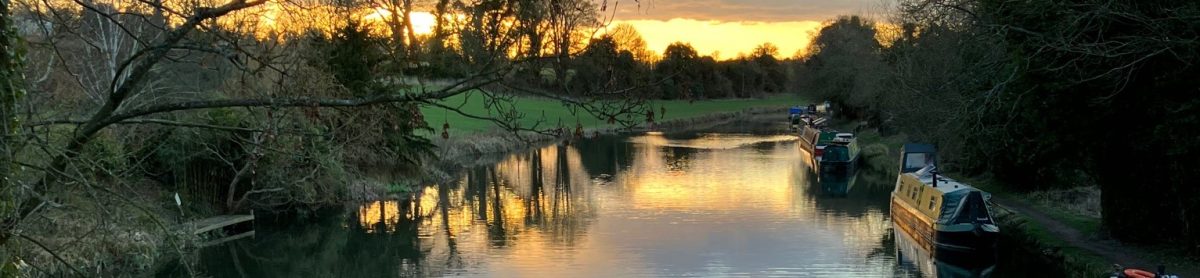
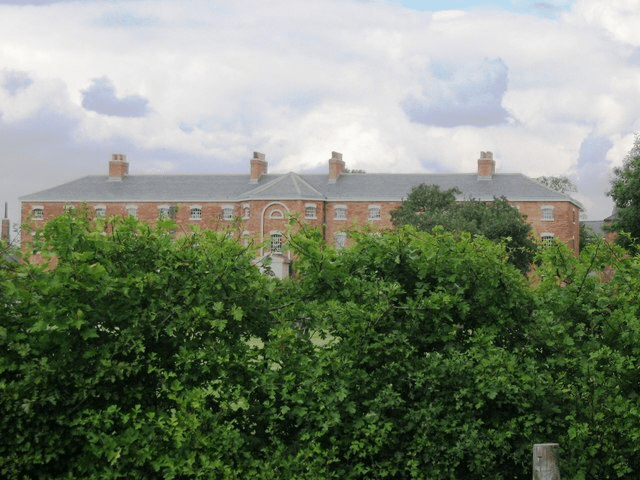

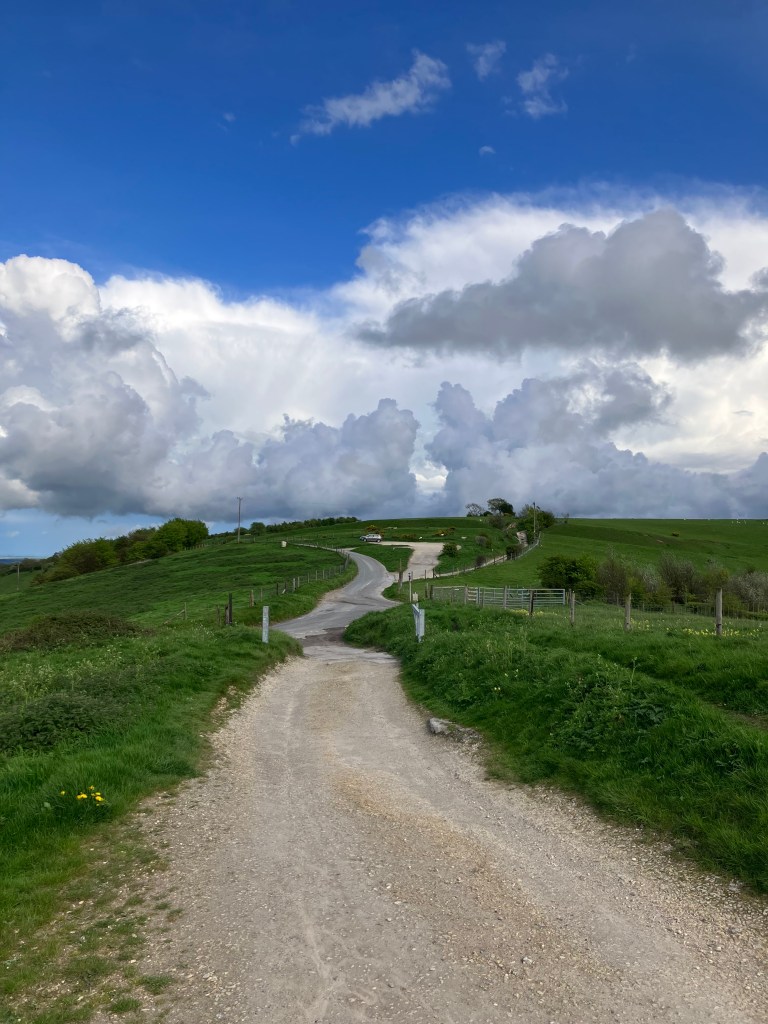
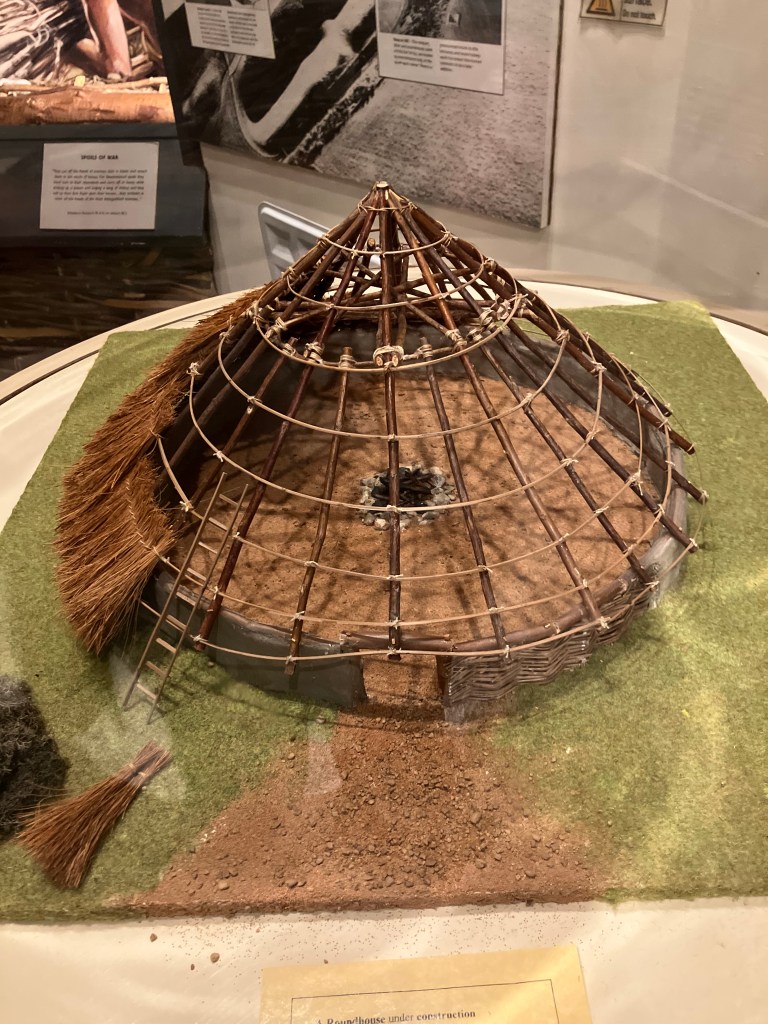

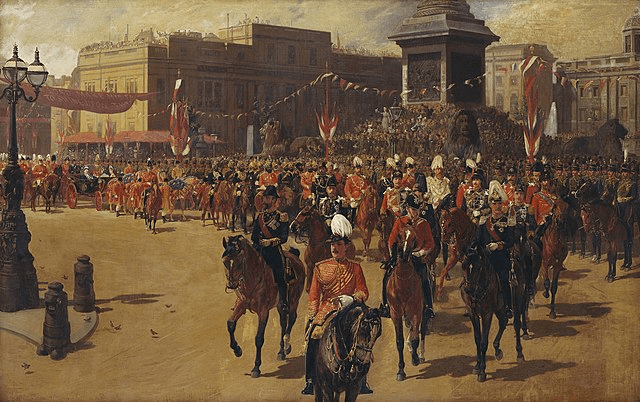
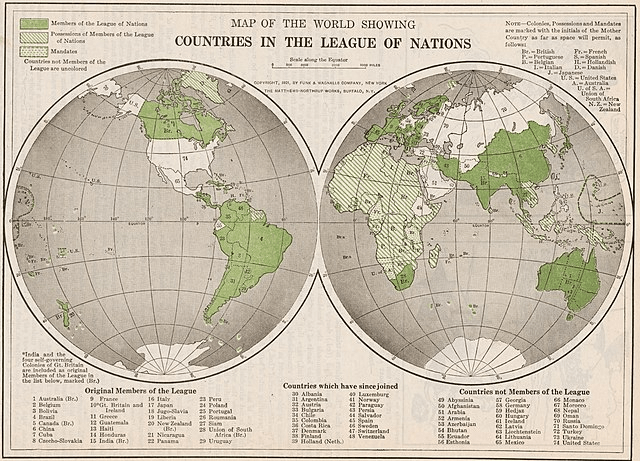



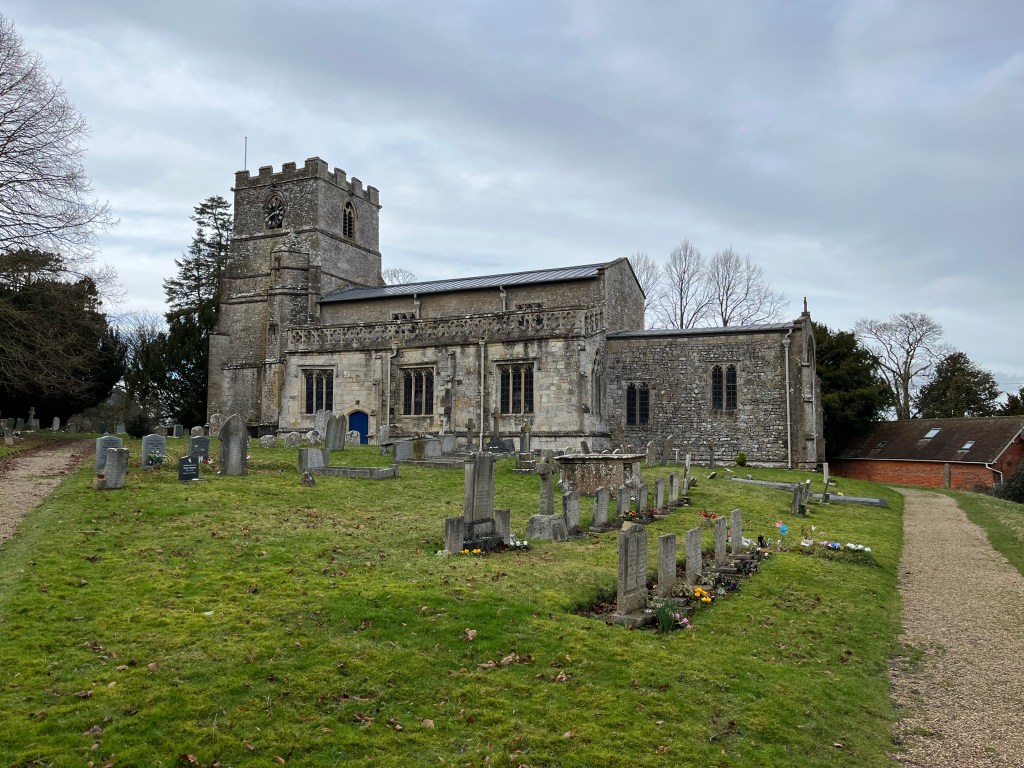
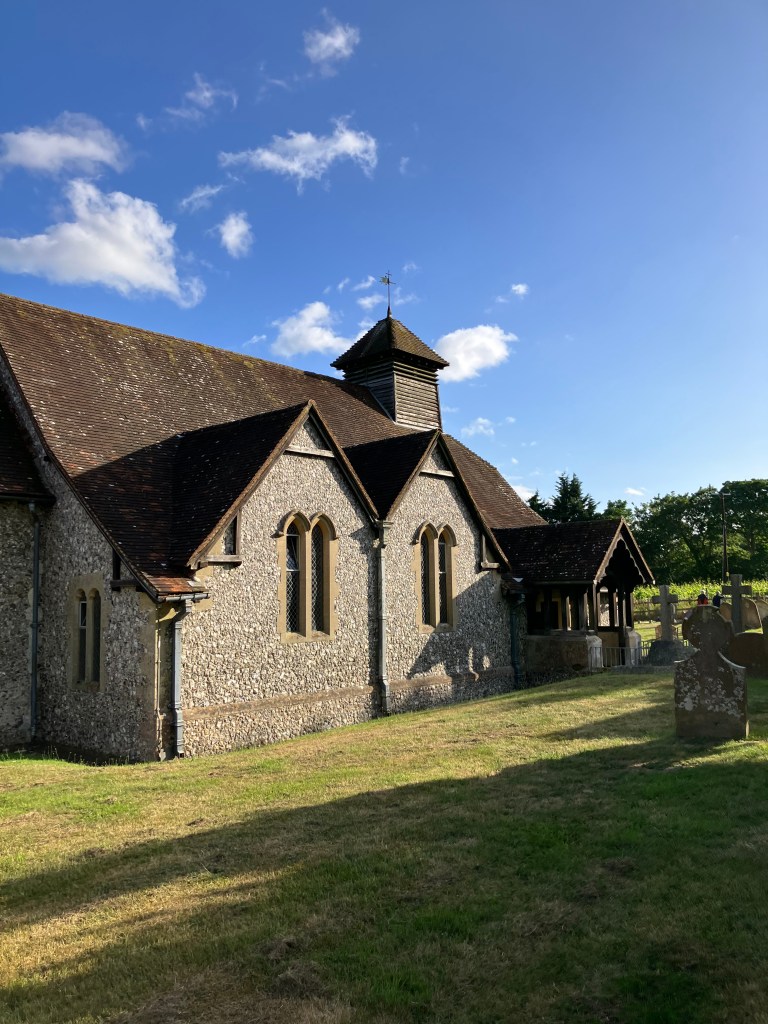
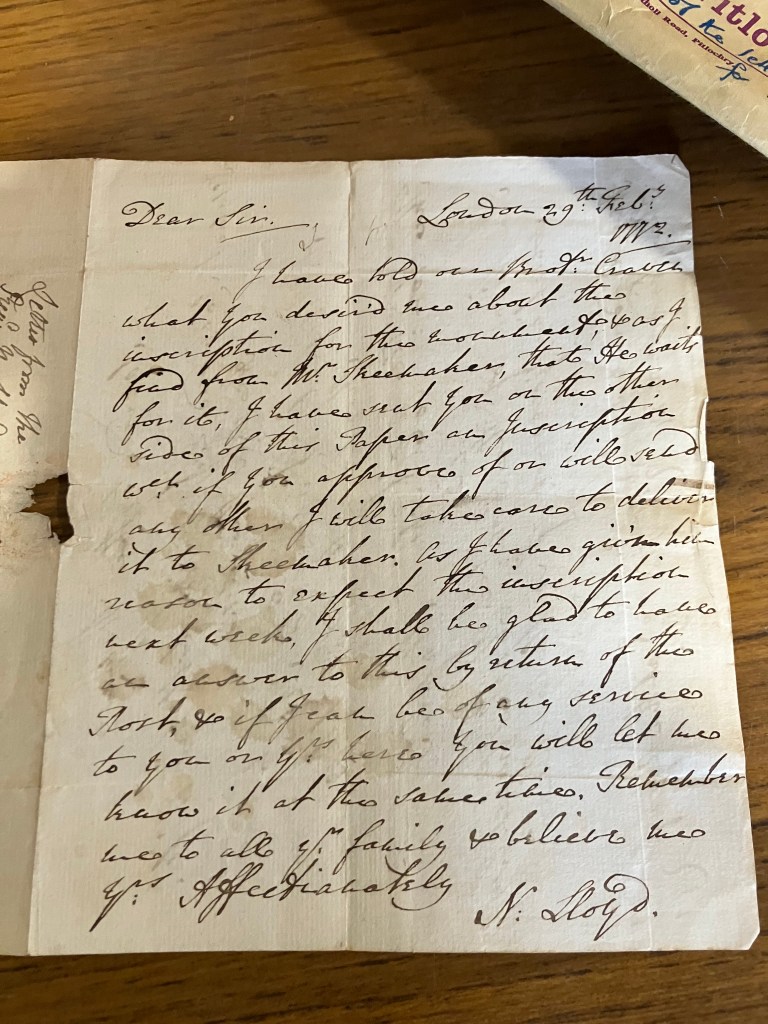
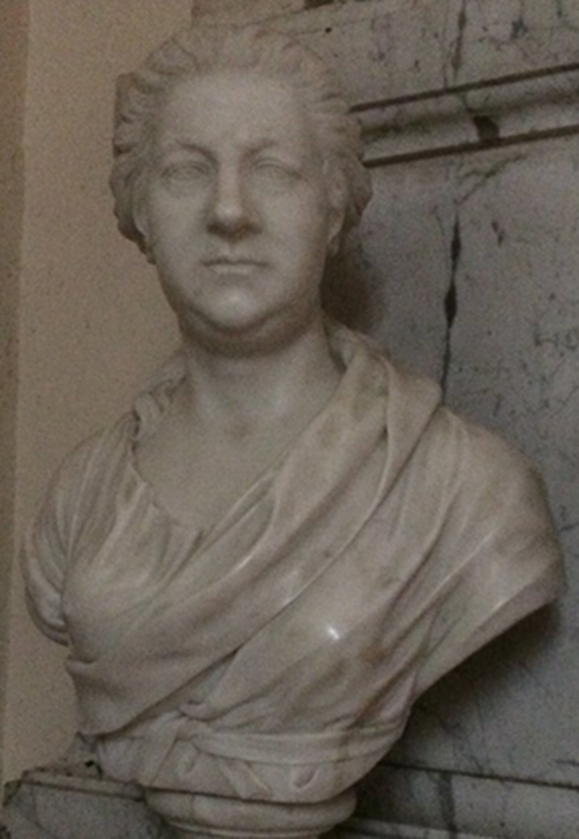
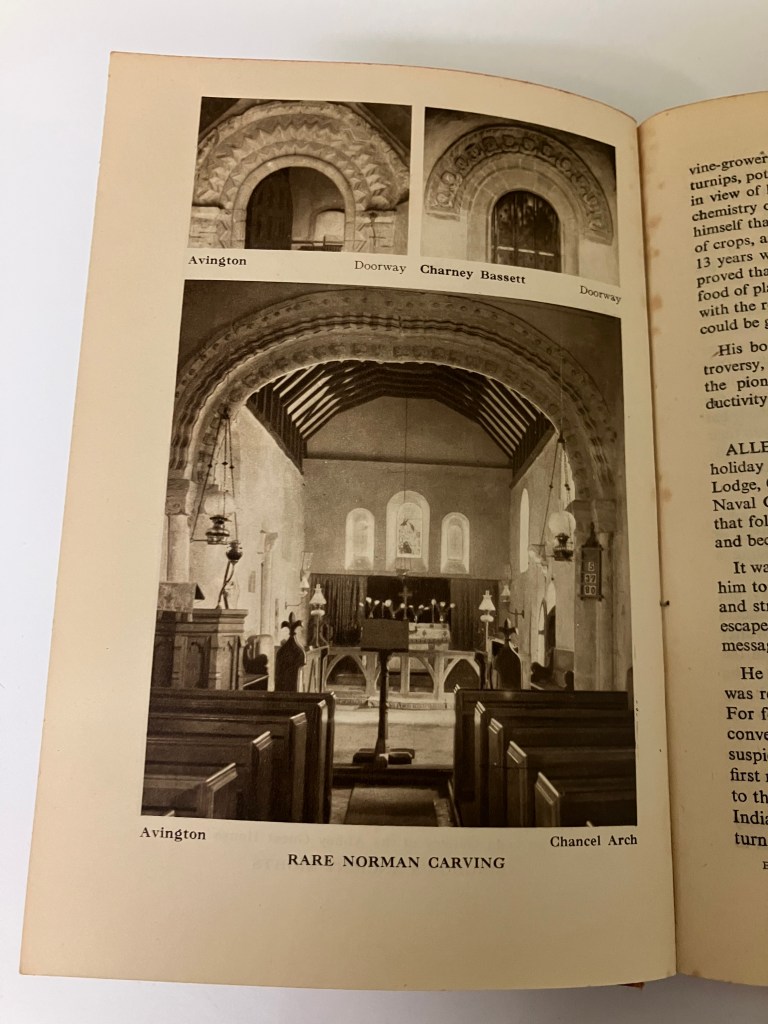
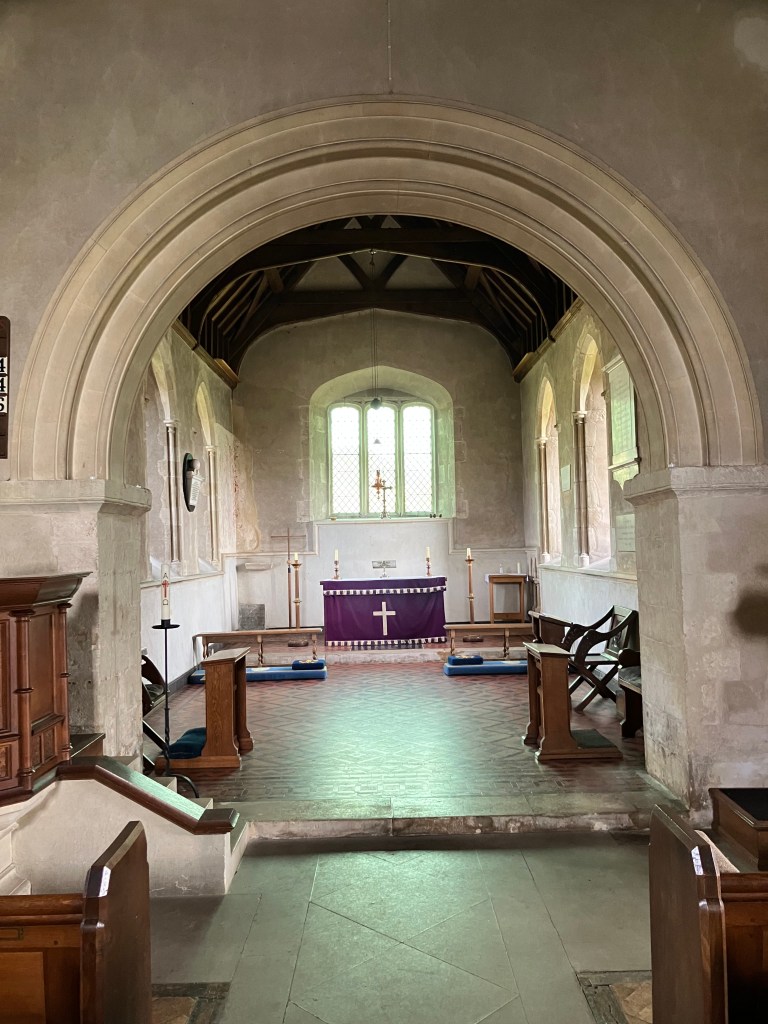
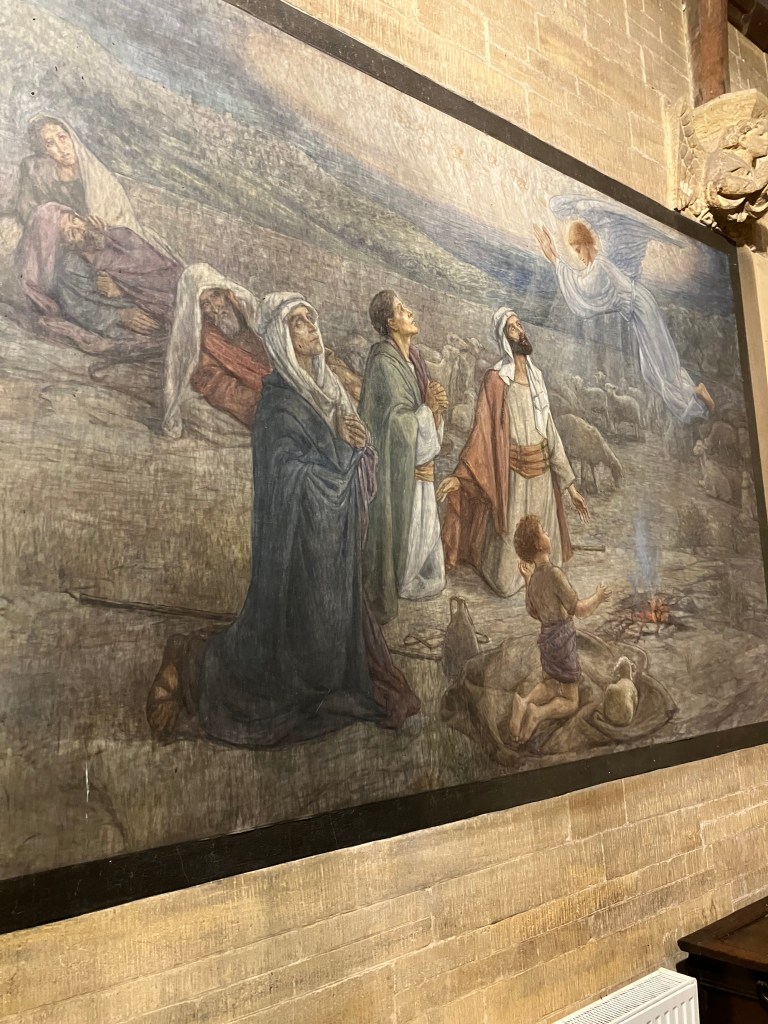

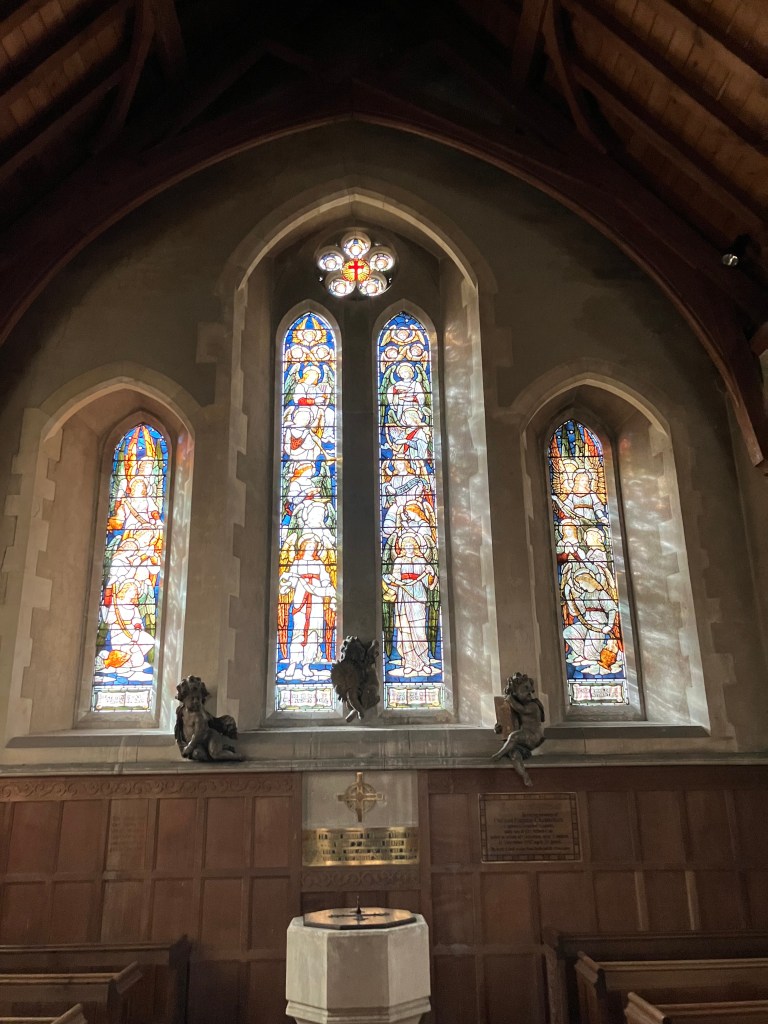
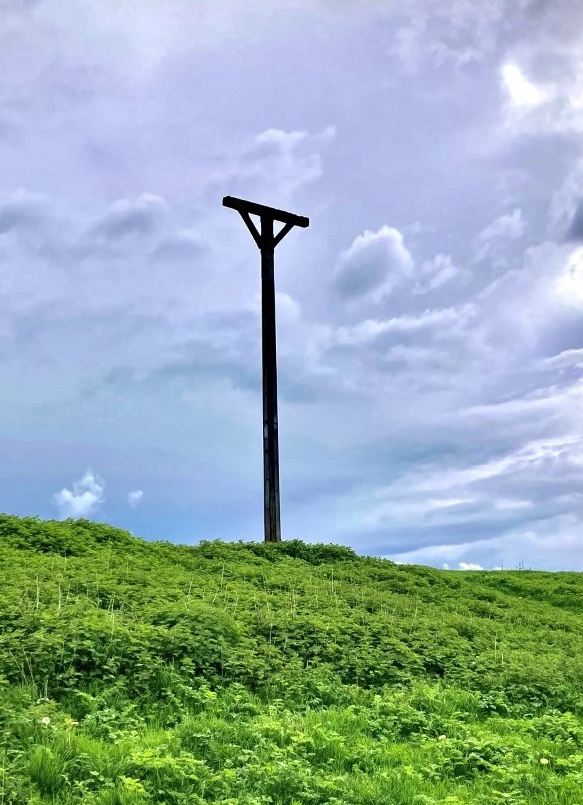
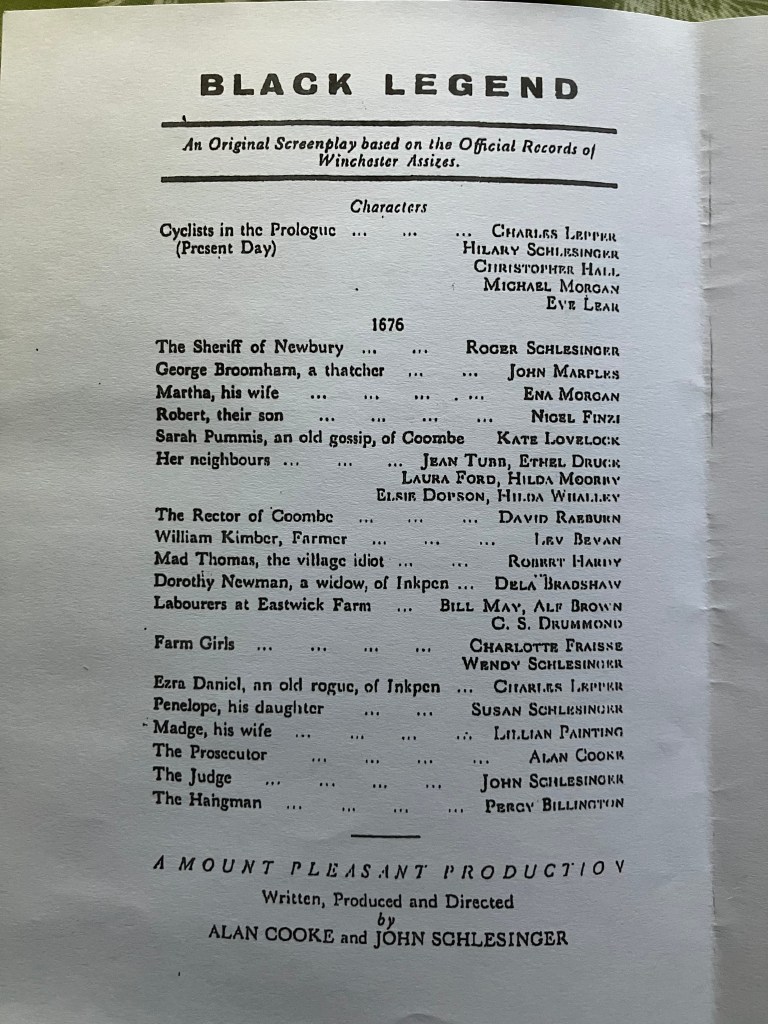
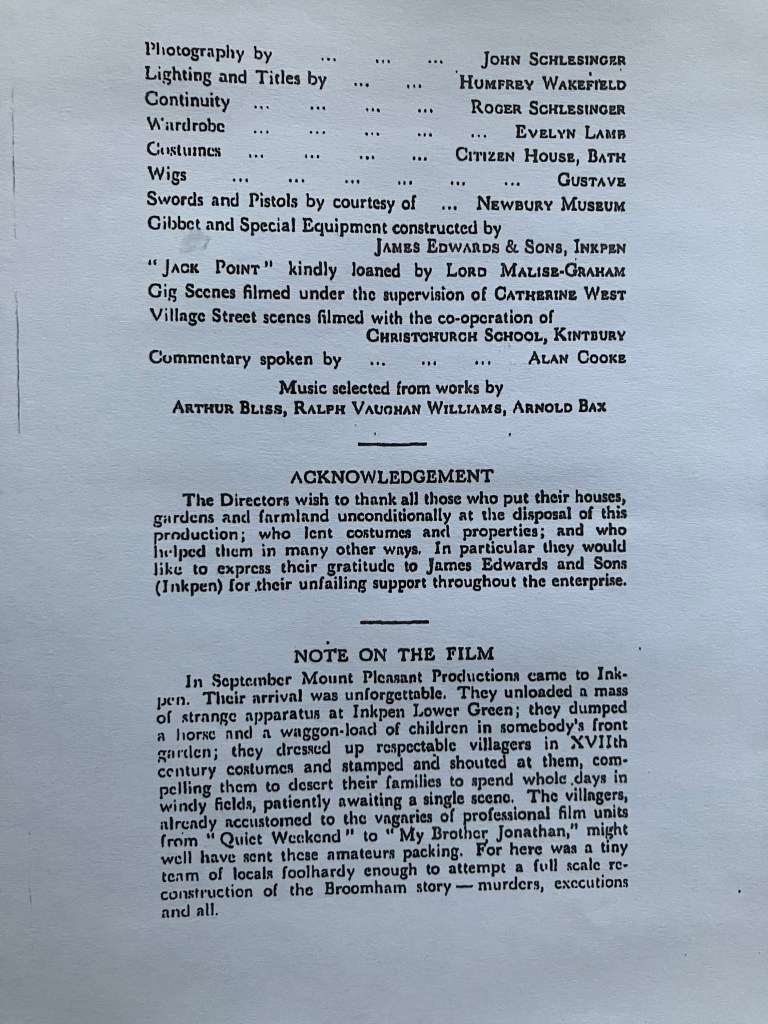
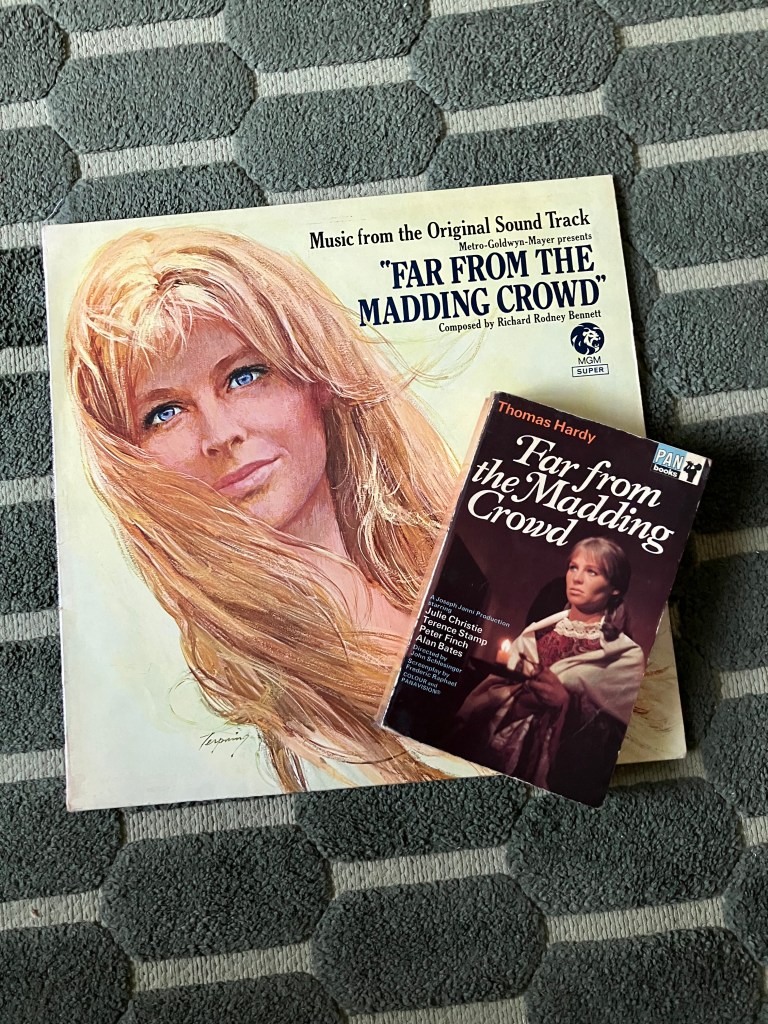
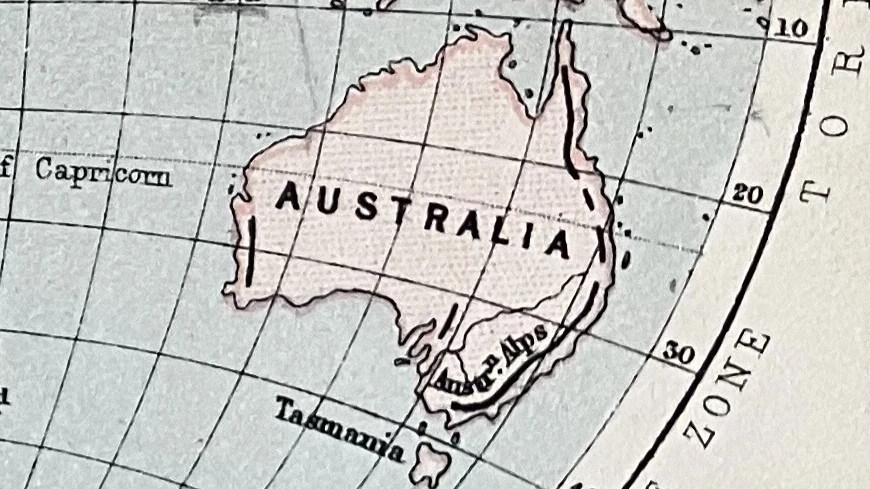
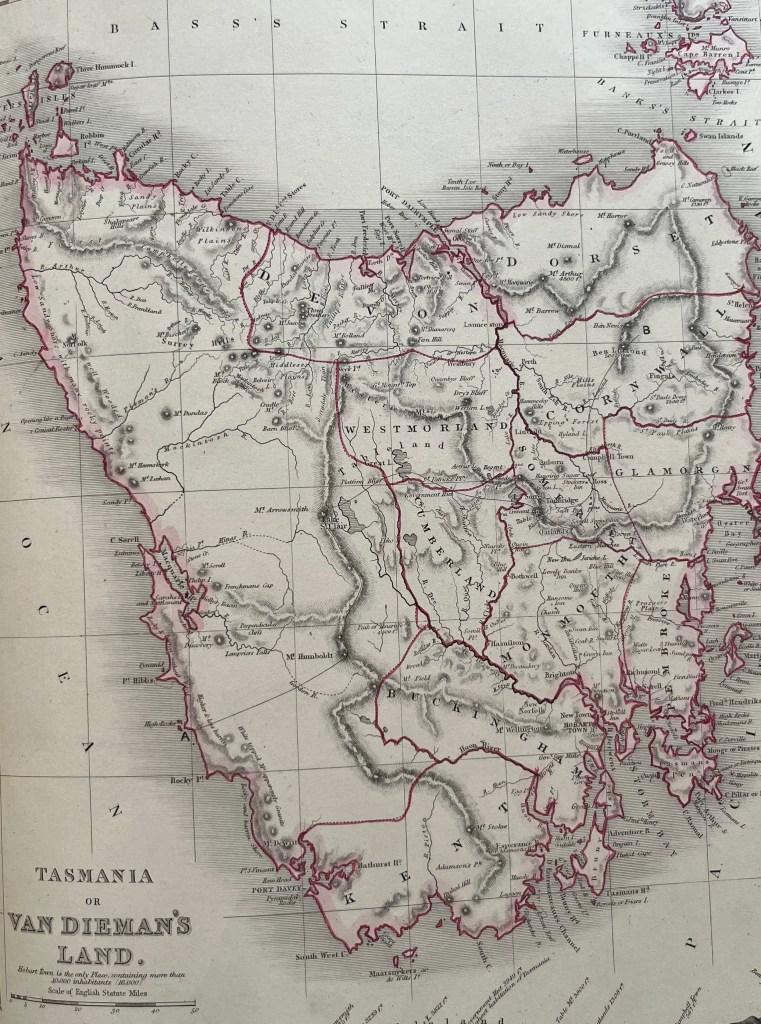
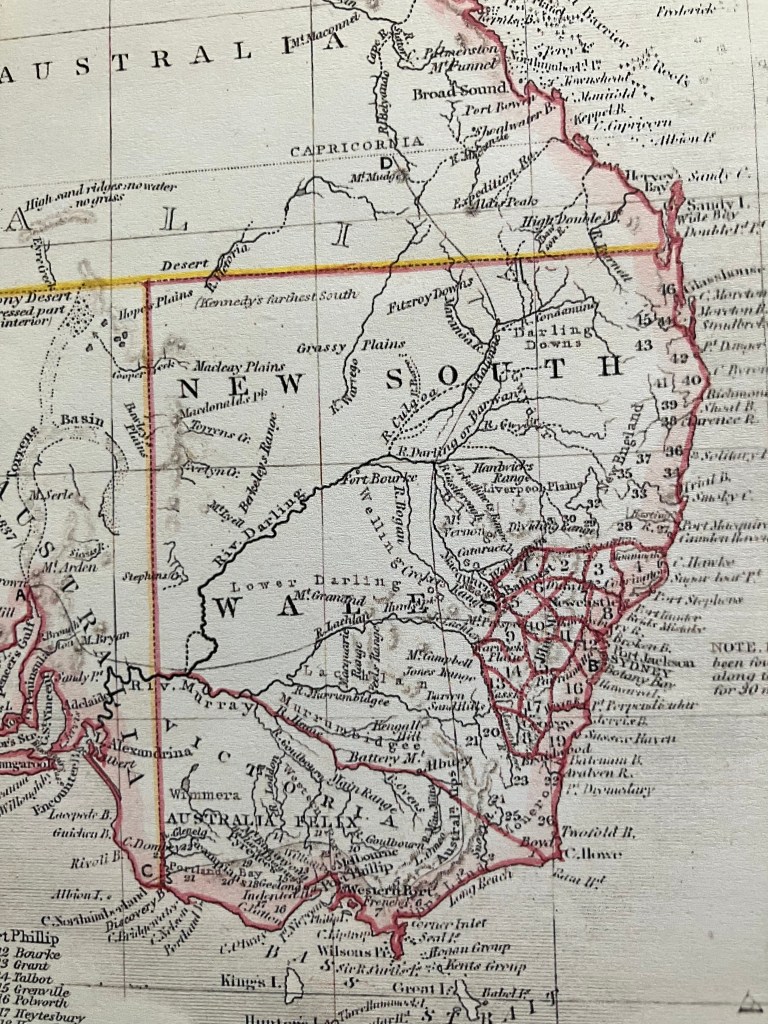
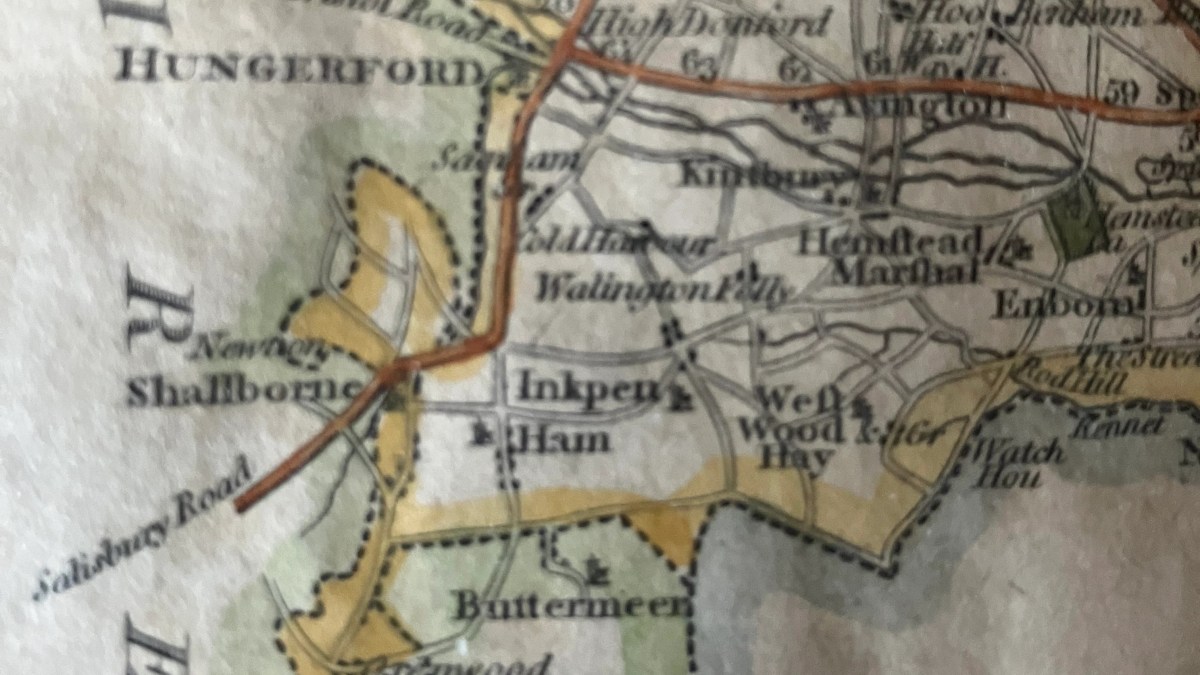
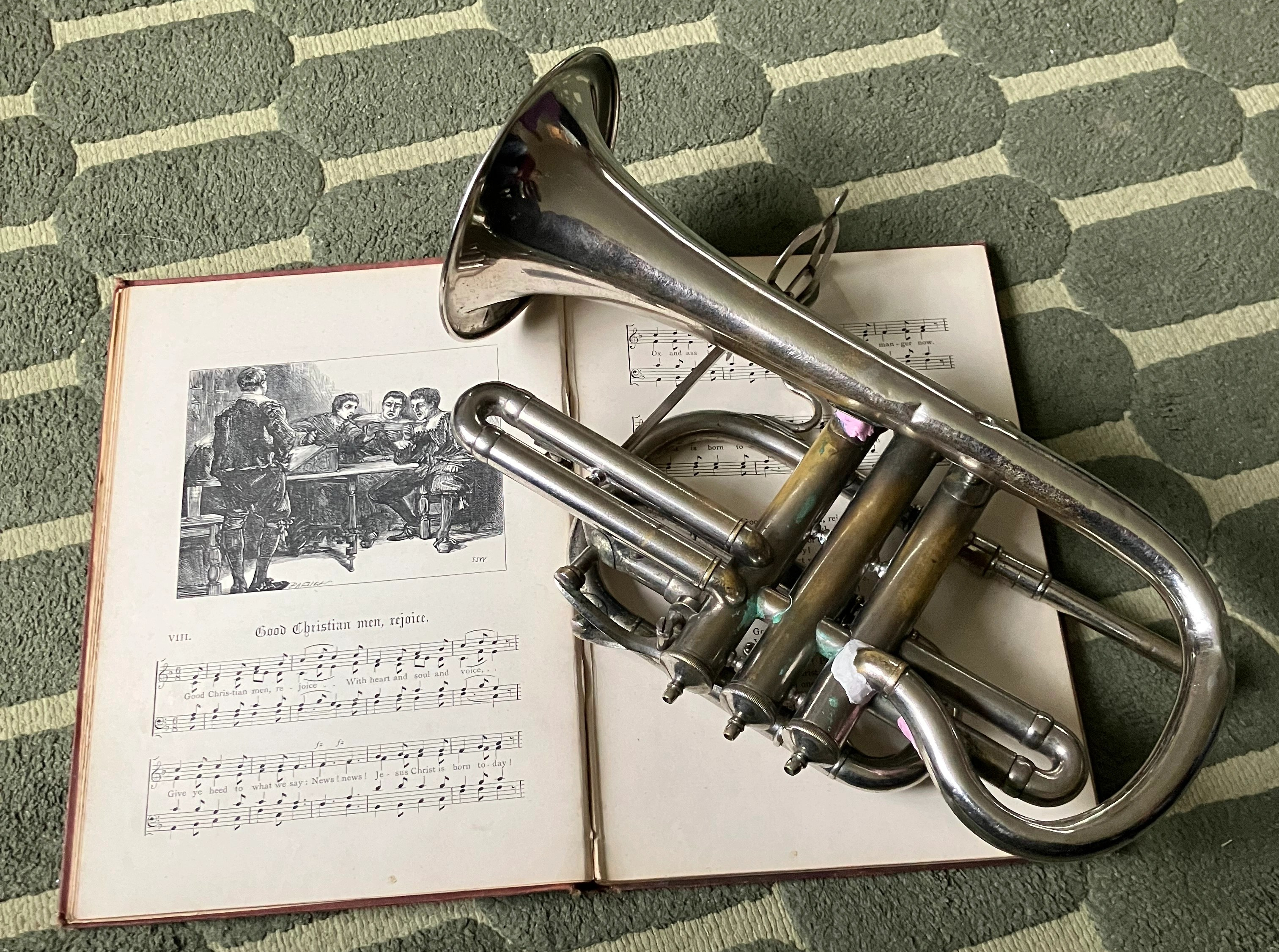
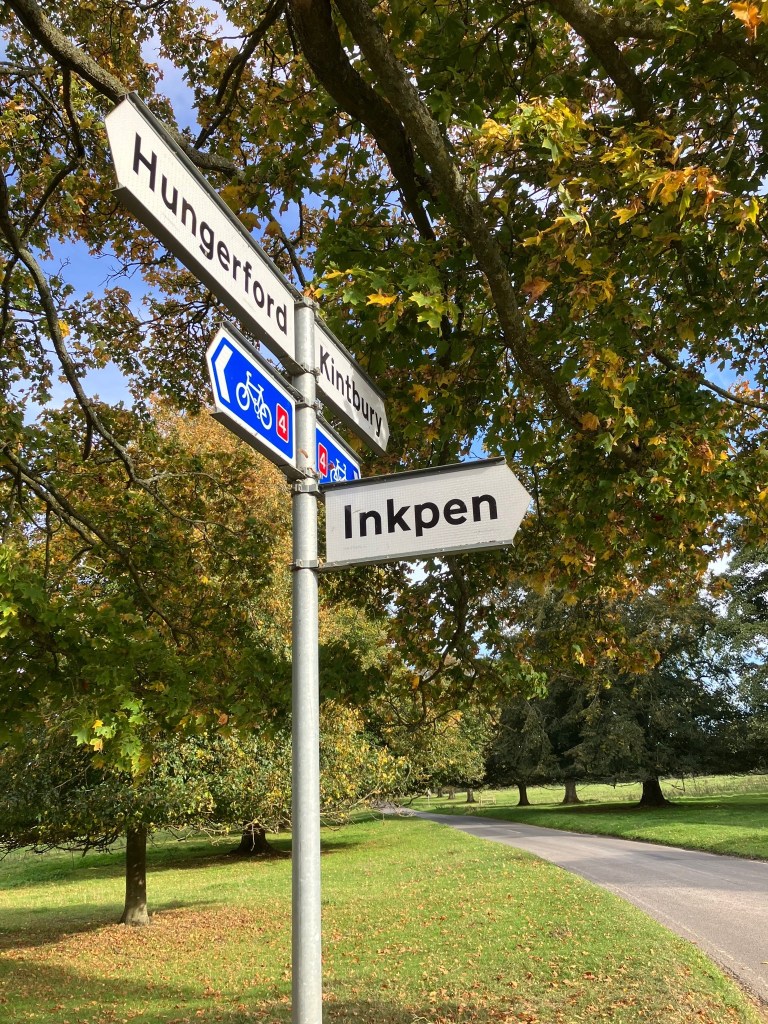
 Kintbury and Beyond