Back in the nineteenth and early twentieth century, two industries which have long since disappeared from Kintbury were brick making and the production of whiting.
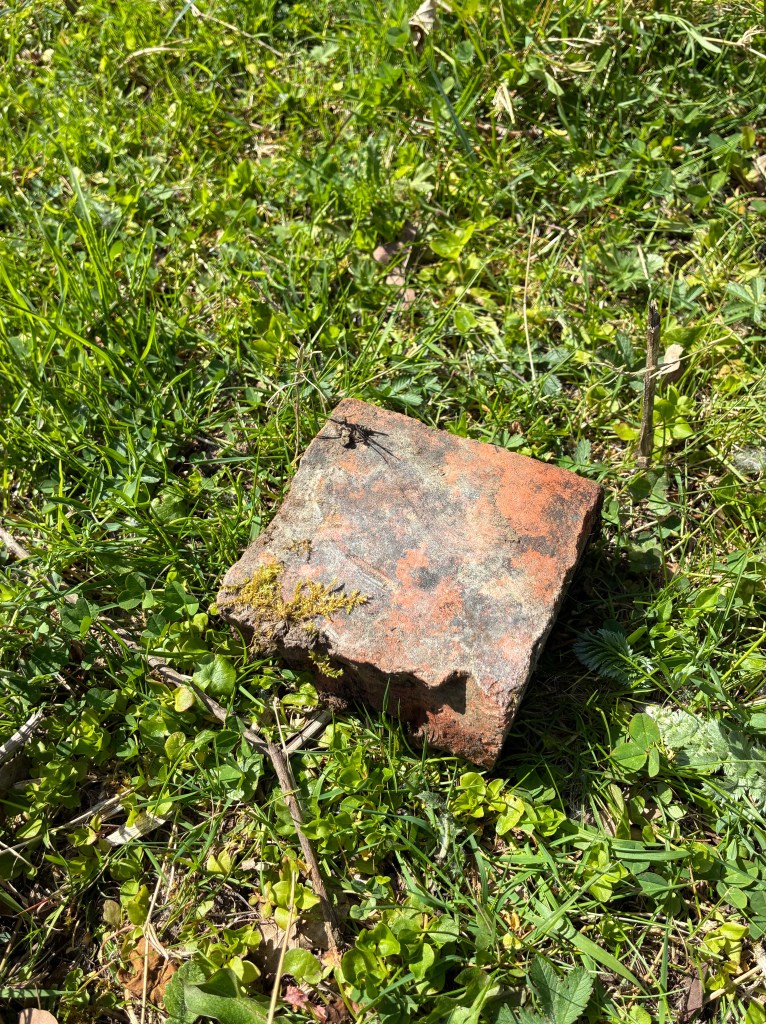
Bricks, of course, made from locally extracted clay, were for use in construction. The use of whiting, however, is perhaps not so obvious.
Made from the naturally occurring chalk, crushed and mixed with water, whiting was a product with many applications including the bleaching of sails for ships and for whitewash.
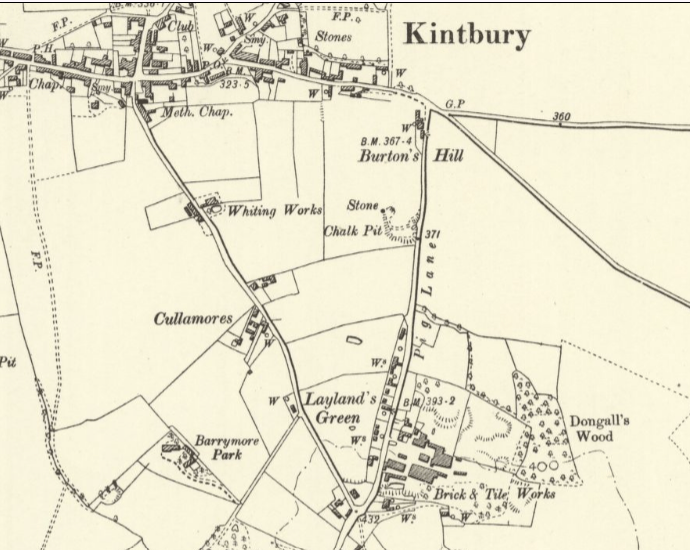
Both of these industries required their raw materials to be extracted from the land, resulting in many and various pits around the village.
One of these former industrial landscapes lies in the triangle between the Inkpen Road and Laylands Green.
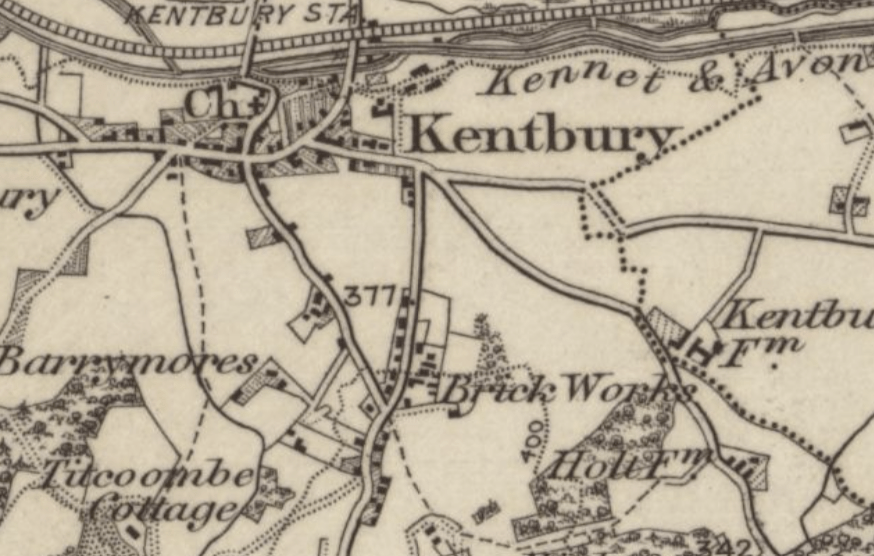
In the 1990s, a construction firm was looking to develop this area for housing. However, the period of inactivity following the decline of the brick making and whiting processing businesses had led to the various pits filling with water. The resulting ponds and the surrounding land had been reclaimed by nature. A diverse selection of plant life had taken over the site and, silently, without anyone noticing, the newts had made it their home.
There are in the UK three kinds of newt: smooth, palmate and great crested. The site in Kintbury is home to all three but it is the presence of the great crested newt which makes the site so special.
The great crested newts – or Triturus cristatus to give them their official Latin name – are protected under UK law according to the Wildlife & Countryside Act of 1981. This is because its population has significantly declined and so it is illegal to injure, capture, disturb them or to damage their breeding sites. Once the presence of great crested newts was confirmed on the Kintbury site, any development was prohibited.
Newts are amphibians and so they breed in the ponds during the spring then feed on invertebrates they find in the surrounding woodland. They hibernate underground amongst the roots of trees. Our garden is next to the nature reserve and we have become used to finding the occasional newt when we turn up old flower pots or clear away weeds.
The great crested newt can grow up to 17cm although I don’t think we have ever found one that long in our garden. They are black in colour with an orange underside. Their skin is described as “warty” and in the breeding season there is a wavy crest along the body.
But why does all this matter? Why should a programme of house building be stopped because of the presence of newts?
According to the RSPB, the latest State of Nature Report has found that Great Britain is in danger of losing 43% of bird species, 31% of amphibians and reptiles, 28% of fungi and lichens and 26% of land mammals.
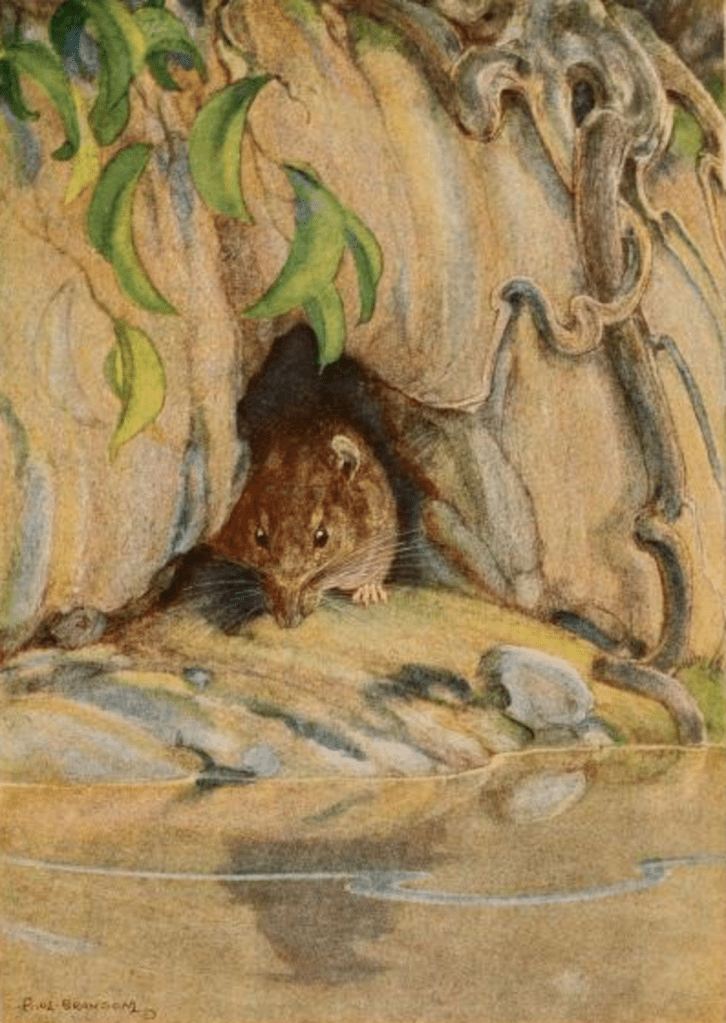
Included in these statistics are popular species such as turtle doves and water voles – “Ratty” from the Wind in the Willows is a water vole.
So why this dramatic loss? Changes in agricultural practices as well as in the use of land and its management have been big contributary factors. Although there have been some very successful reintroductions of species long absent from most parts of the UK – for example of the Red Kites which we now see over Kintbury every day – this cannot be seen as compensation for losses in other species. For many, once they are gone, they are gone for ever. Like the dodo. I grew up thinking the dodo was an invention of Lewis Carroll’s, not a bird that had once existed.
In my grandparents’ young days, the red squirrel was a familiar site across the south of England, whereas I was in my 30s before I had ever seen one.
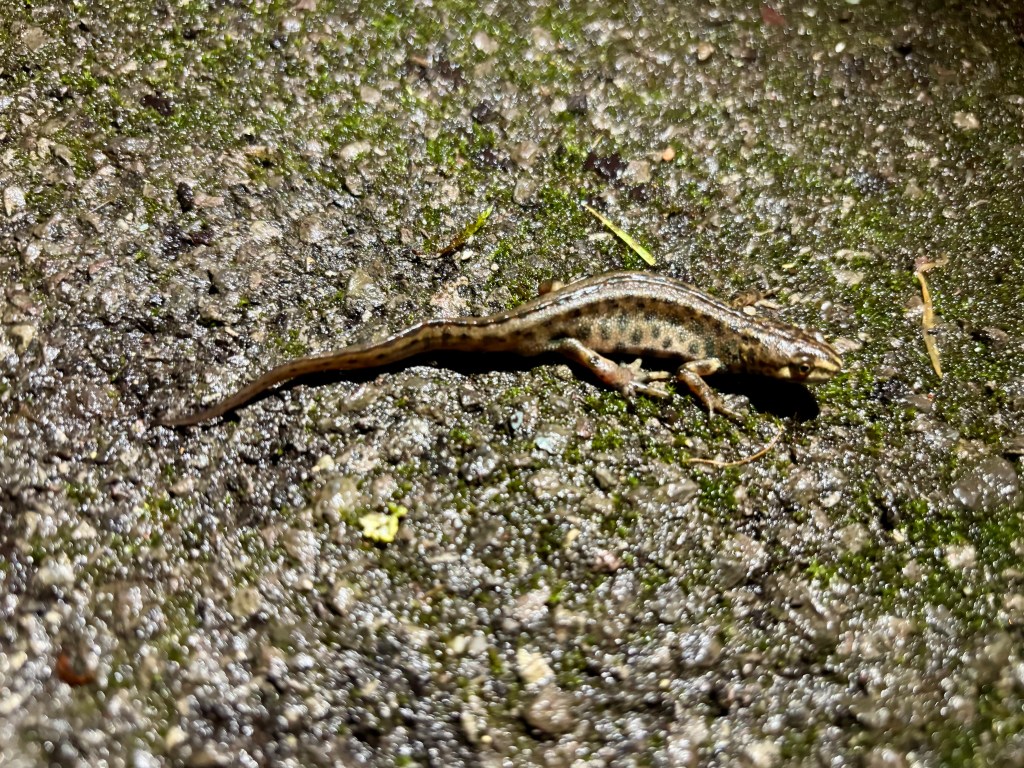
Today the Kintbury Newt Ponds Nature Reserve is one of 85 nature reserves managed by the Berkshire, Buckinghamshire and Oxfordshire Wildlife Trust. It is always open for anyone to enjoy.
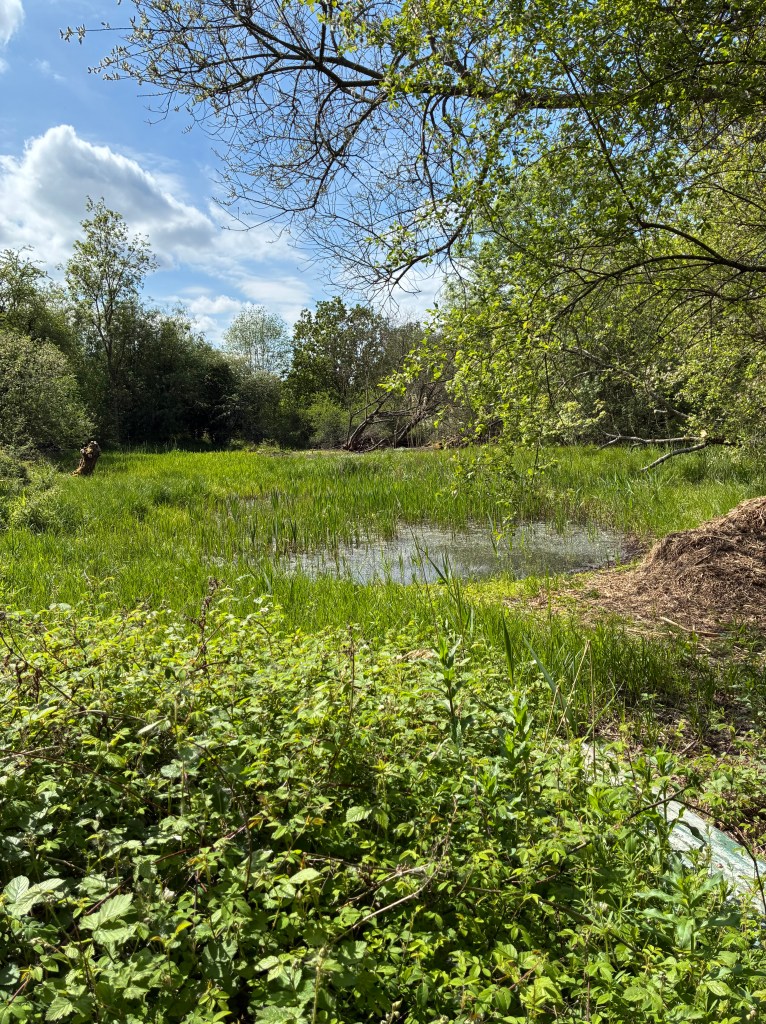
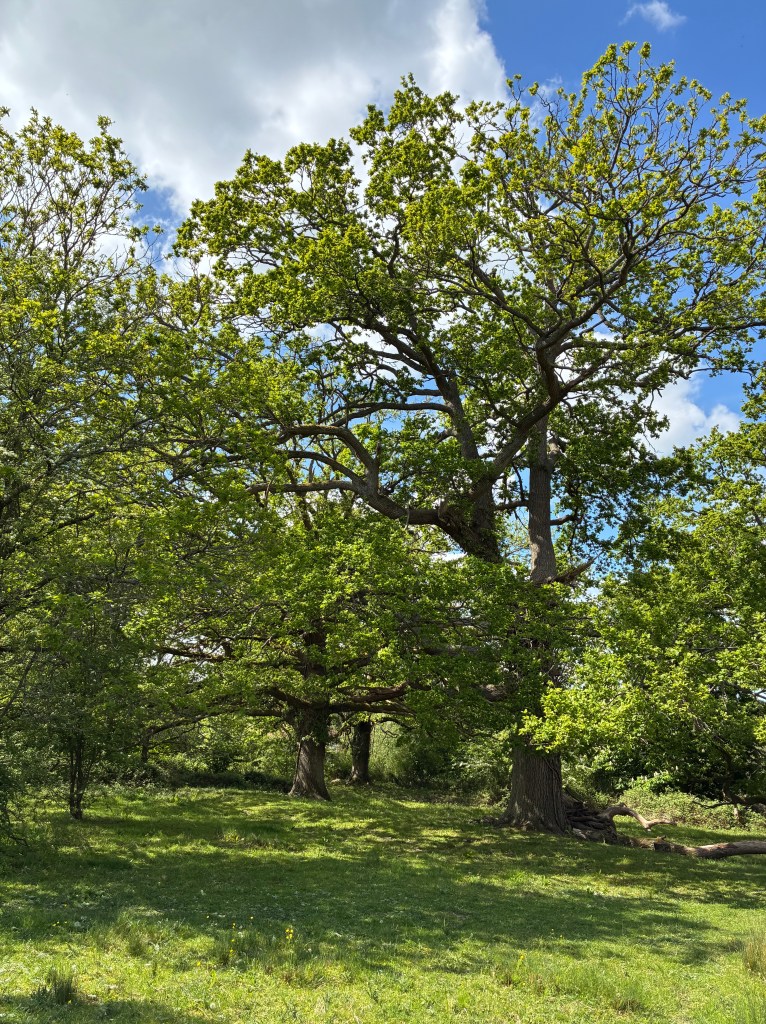
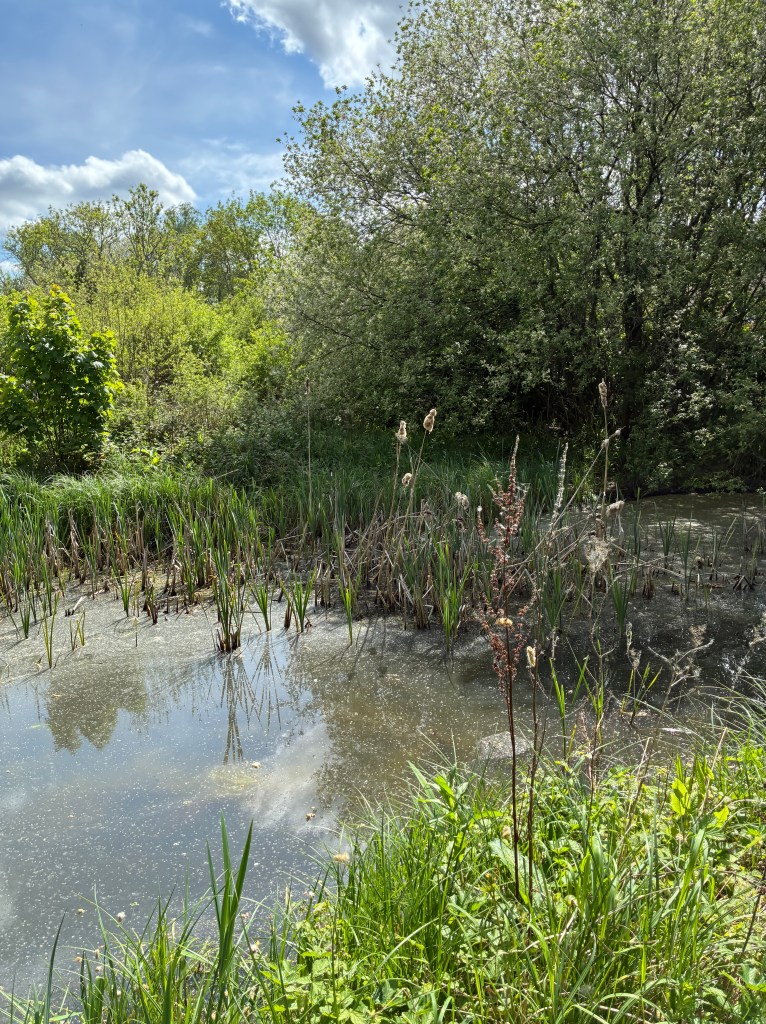
The nature reserve is made up of ponds, reed beds, scrub and grassland. This photo shows some of the reeds.
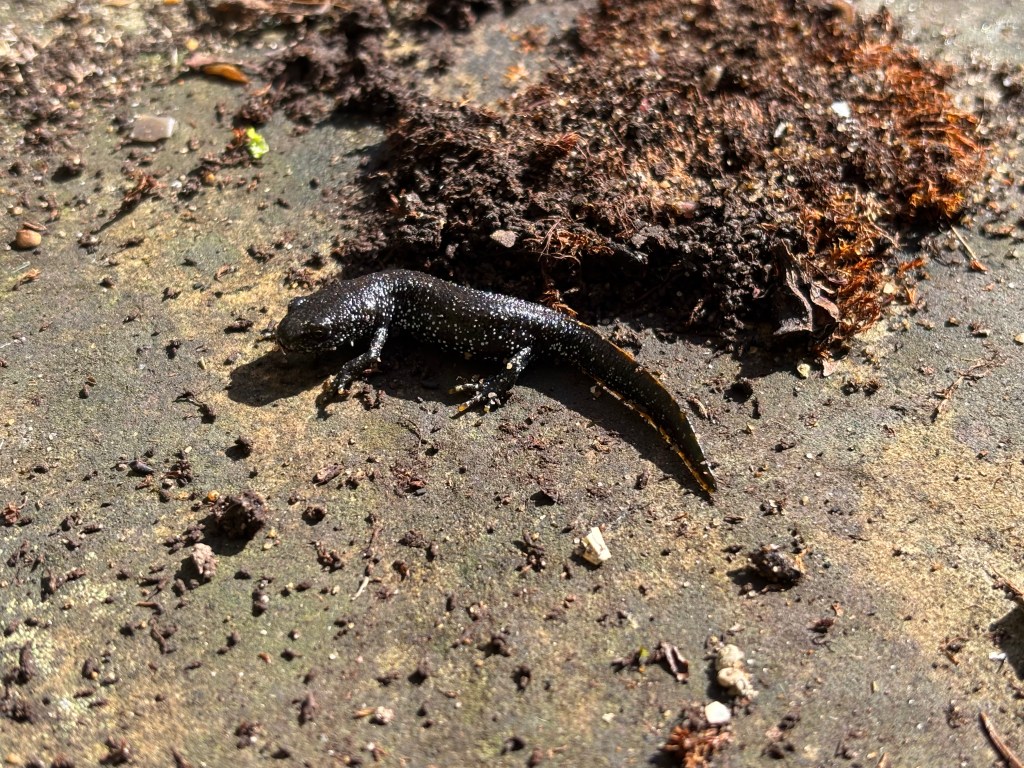
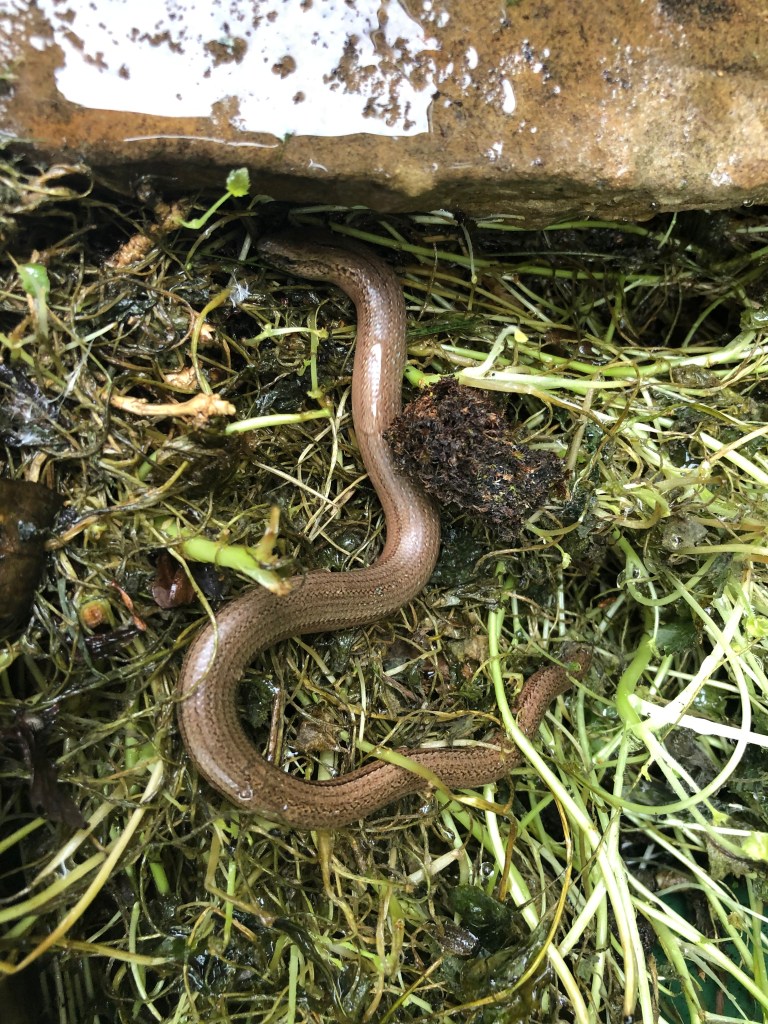
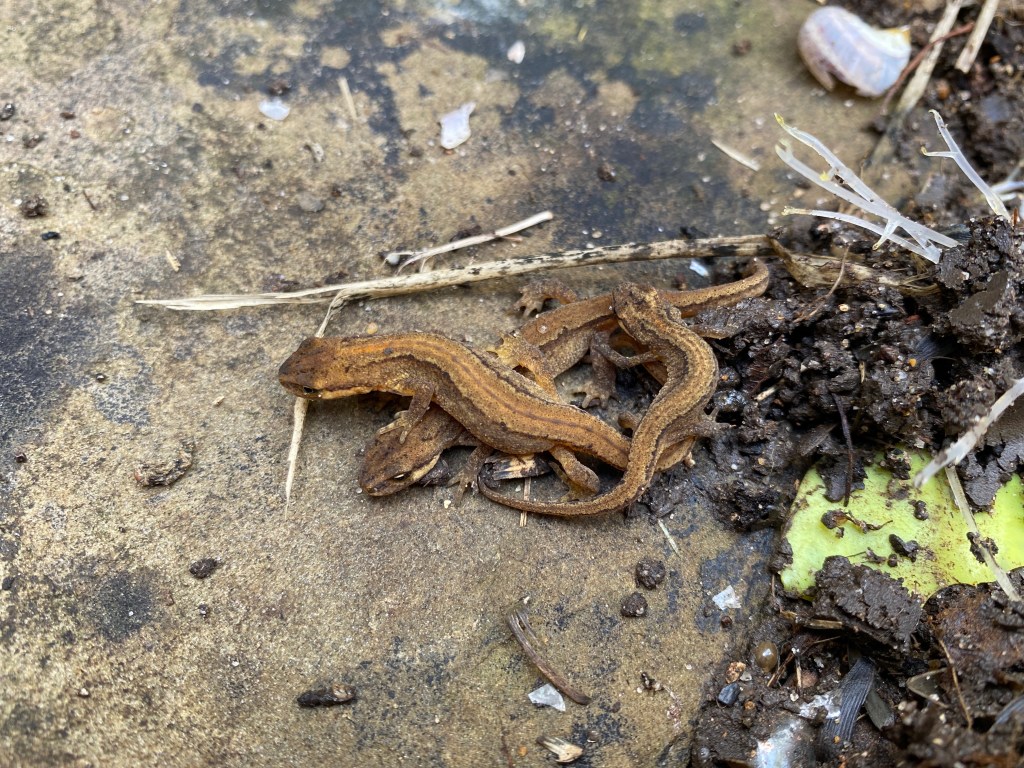
I sometimes joke that the newts have more protection than we do – obviously that is not really true. But I am pleased they have the protection that they do – and I hope it will continue.
(C) Theresa Lock 2026
Sources:
http://www.rspb.org.uk/whats-happening/news/state-of-nature-report
 Kintbury and Beyond