On March 24th 1741, the Kentish Weekly Post printed the following:
“A few Days since died at his Seat at Prosperous near Hungerford in Berkshire, Jethro Tull, Esq; Author of an useful and ingenious Book, entitled, The Horse-Hoing (sic) Husbandry, and has been very well received by the Curious in that Art.”
There is no attempt to elaborate on the subject of Tull’s book and the phrase, “well received by the Curious in that Art” seems to suggest that its appeal might be quite niche. But what the editor of the Kentish Weekly would not have known was that Jethro Tull was one of the gentlemen farmers at the advance guard of a quiet revolution which would eventually change the face of the English countryside.
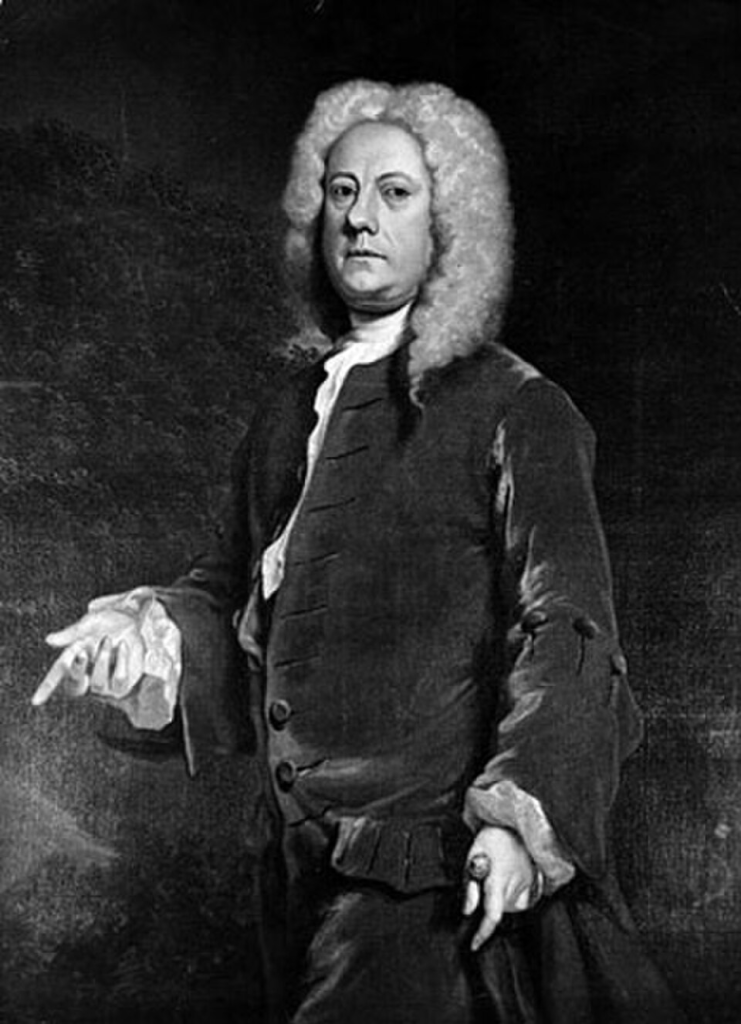
Jethro Tull was born in 1674, near Upper Basildon, Berkshire and, having studied at Oxford University, originally embarked on a career in law. However, by 1699 his interest turned to agriculture and it was working on his father’s farm at Crowmarsh Gifford in Oxfordshire that he began his work to develop and improve the machinery employed on the land. By 1701 Tull had perfected a horse-drawn seed drill which proved much more economical than the traditional method of sowing by hand.
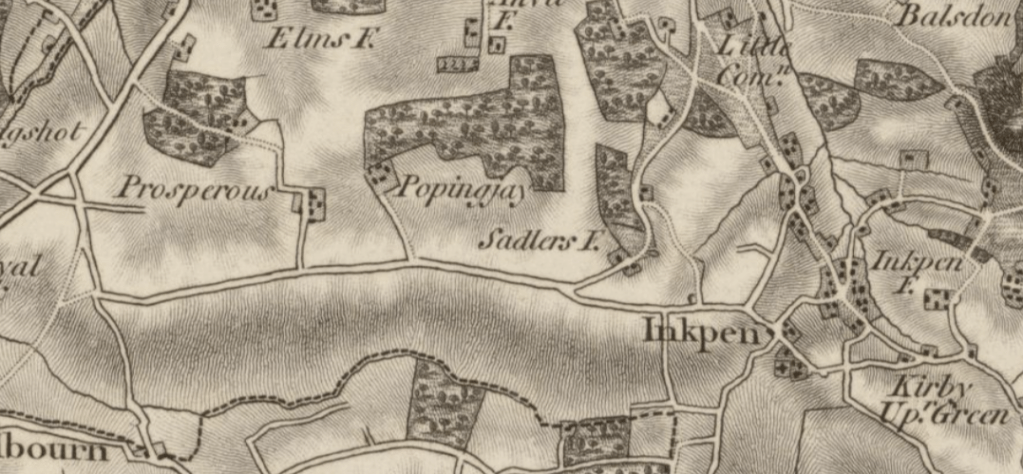
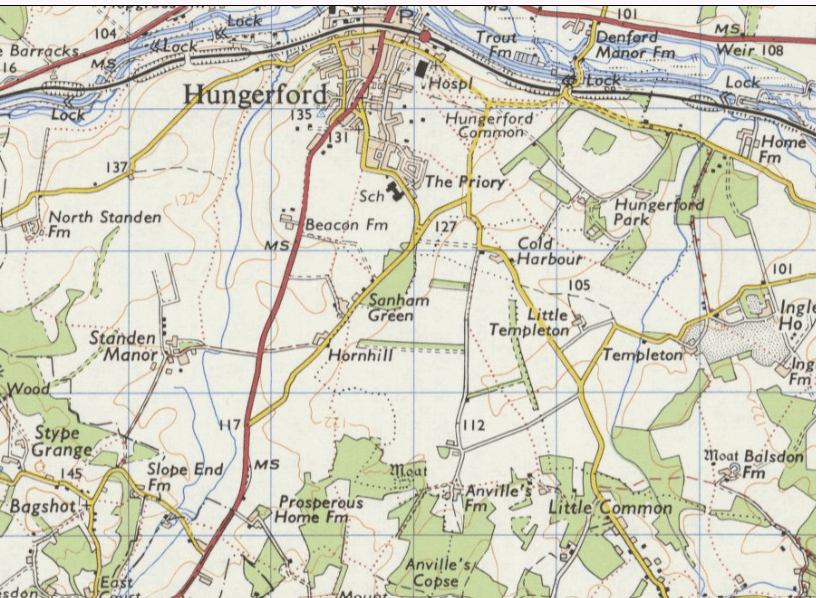
In 1709 Jethro Tull bought the farm which has come to be most associated with his name: Prosperous on the Salisbury Road between Hungerford & Shalbourne and it was here that he developed the invention which was to make him famous: the horse-drawn hoe which could be used to control the growth of weeds between the planted rows and also improve the soil structure, thereby increasing the yield of crops. It also enabled the work to be done more rapidly than by hand.
It was this horse-drawn hoe which was to be the subjuct of his book, published in 1829:
Horse-hoeing husbandry: or, An essay on the principles of vegetation and tillage. Designed to introduce a new method of culture; whereby the produce of land will be increased, and the usual expence lessened. Together with accurate descriptions and cuts of the instruments employed in it.
Increasing the productivity of land was of particular importance at this time. Many recently industrialised towns, particularly in the north and Midlands, had seen a dramatic rise in population as former rural dwellers migrated to them in search of work. But people in all areas were living longer, too: between 1721 and 1821 the population of Britain rose from around 7 million to around 14 million. It was not surprising, therefore, that land owners looked to improved methods in agriculture to feed all these people and, of course, ways in which they could maximise the profits from their land.
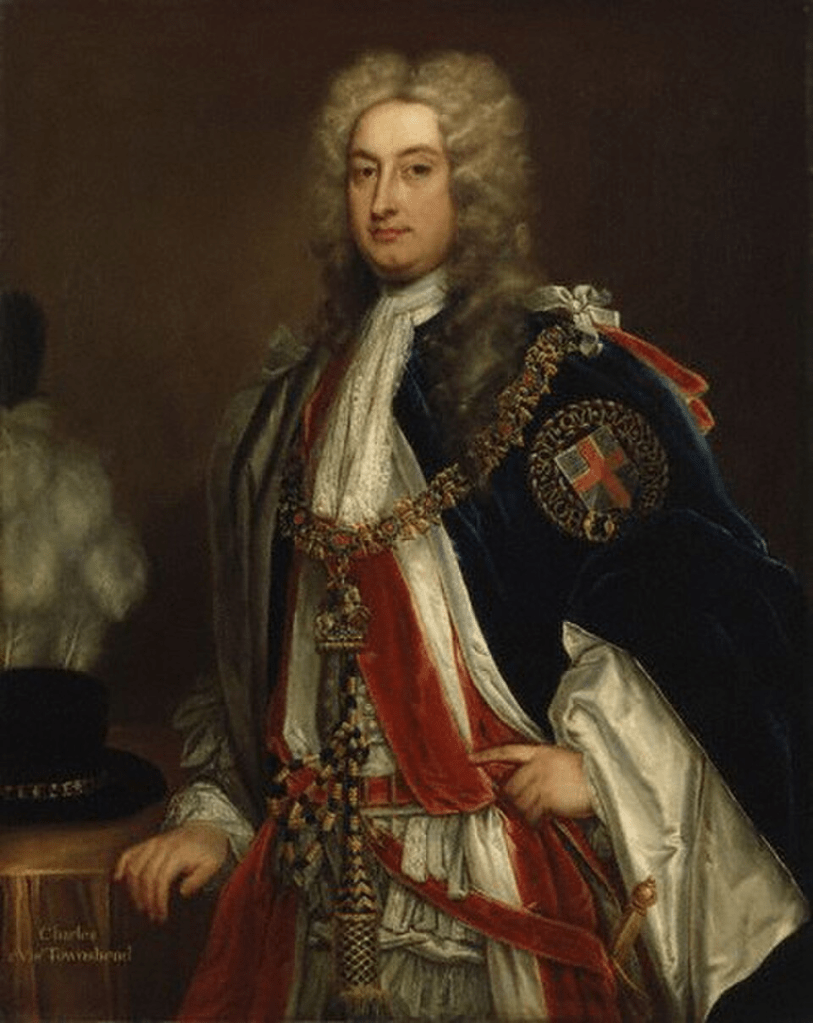
In Norfolk, Charles Townsend, 2nd Viscount Townsend ( 1674 – 1738 ) had already advocated the growing of turnips as part of a crop rotation as he believed they helped improve the soil as well as providing a fodder crop for his animals. This gained him the nickname: Turnip Townsend.
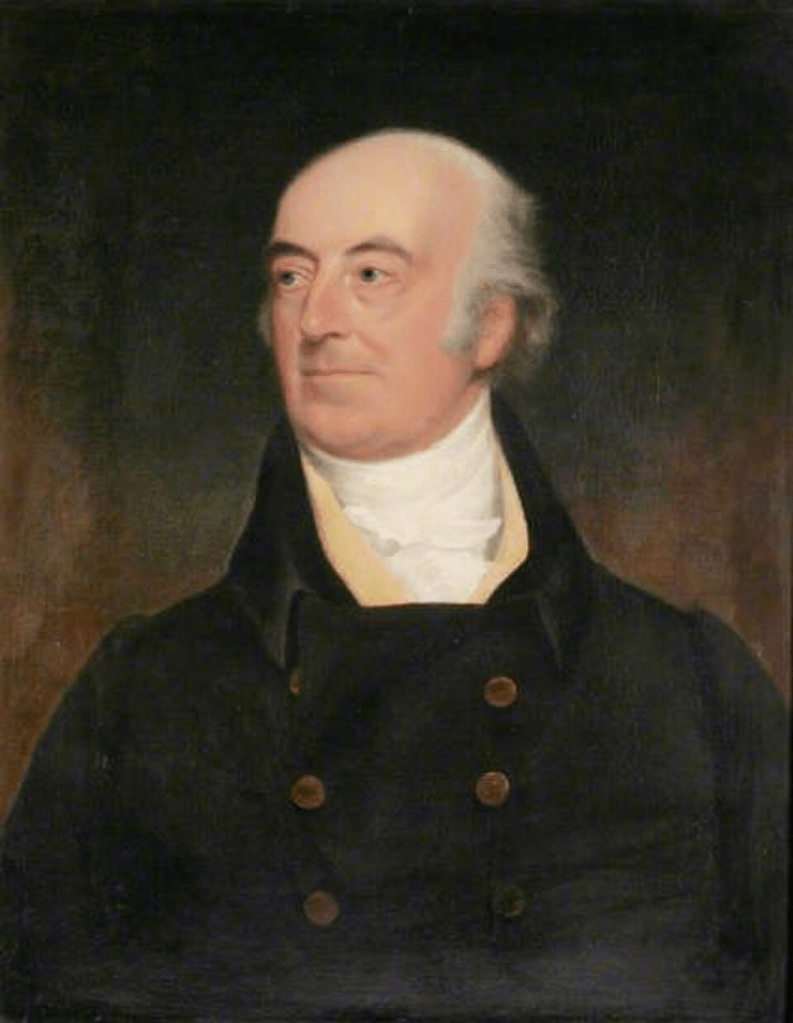
Later, Thomas Coke (1754 – 1842) began further experiments with crop rotations on his estate at Holkham, also in Norfolk.
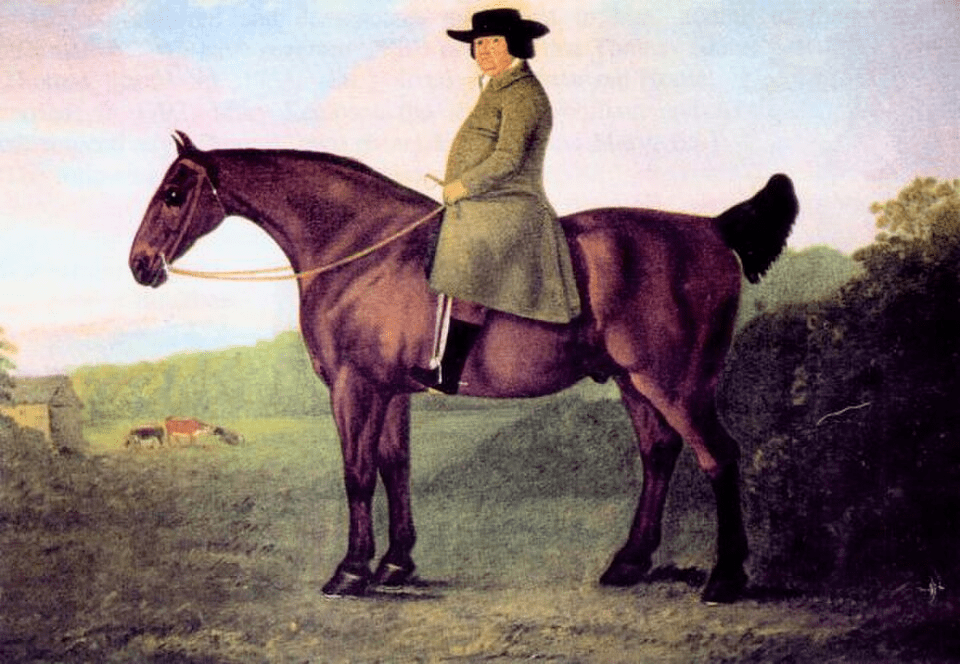
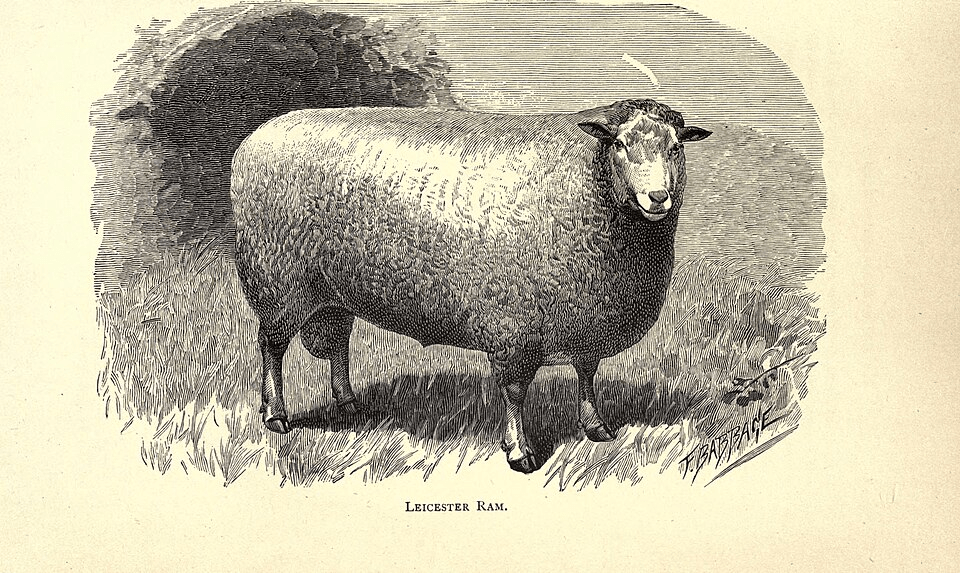
In Leicestershire, Robert Bakewell ( 1725 – 1795 ) had been experimenting with a more scientific approach to sheep breeding and in 1760 had developed a new variation of the traditional Leicester sheep capable of producing higher quality meat.
Agricultural Societies began to be set up across the country, one of the earliest being the Odiham Agricultural Society, set up in 1783 as a society for “the encouraging of Agricultural and Industry in their town and neighbourhood’.
In July 1794 a meeting was held in the New Inn, Abingdon ( then the county town of Berkshire ) where it was proposed that a Berkshire Agricultural Society should be established mainly for the dissemination of the latest information regarding developments but also:
“From the above funds, to give annual rewards to labourers who have bred up the largest families without or with the least assistance of their parish, such labourers to produce certificates from a subscriber and two overseers of his parish”.
Reading Mercury, August, 1794
Subscribers included Sir Joseph Andrews of Shaw House and Kintbury’s Charles Dundas of Barton Court. It goes without saying that all subscribers were from the wealthier sections of Berkshire society. I very much doubt any of them had ever put a hand to the plough themselves.

As the illustrations of Townsend, Coke and Tull himself – above – show, these “agriculturalists” were not labouring farmers tilling the soil every day themselves. We cannot say for sure that they never worked the land at all, but if they did they would have returning home to a comparatively luxurious lifestyle at the end of the working day. Only Robert Bakewell looks as if he might have done a day’s work on the farm.
By the early years of the C19th, the Hampshire Agricultural Society was well established and in 1820, vicar of Kintbury, Rev Fulwar Craven Fowle was admitted as a member. It is very likely that Rev Fowle would have paid particular attention to the work of Robert Bakewell in Leicestershire as he kept a flock of the new breed of sheep on his land at East Woodhay. When Fowle exhibited his Leicester sheep at the Hampshire Show in June, 1820, they “excited much attention” from farmers and landowners used to seeing mainly South Down or Marino sheep in the local area. The sheep were admired for their, “weight, symmetry, smallness of bone and lightness of offal” all of which had been achieved without feeding corn or cake but “sliced Swedish turnips” alone.
It has to be unlikely that Rev Fowle had very much hands on experience as regards looking after his flock of New Leicesters; it has to be likely that he employed a stock man or shepherd to do most of the work. But this would be true of all the great and the good who were members of the various agricultural societies. Although the idealised notion of “Three acres and a cow” was, later in the century, seen as a way to return to a self sufficient and better life on the land, the reality of everyday life for the smallholder in the early years of the nineteenth century must have been far from idyllic.
The medieval system of three open fields, divided into strips and then shared out amongst the villagers to cultivate, still existed in many areas at this time. The labourer scratching a living on a handkerchief of land or on scattered strips is not going to be able to invest in a horse hoe, even if he had a horse to pull it or enough land to till more than a few furrows. Not surprisingly, hundreds of families moved away from villages and into the ever- growing towns whilst the villages they were leaving behind underwent considerable changes.
A series of Parliamentary Enclosure Acts had begun in the C17th and continued throughout the C18th and C19th, by which much common land was enclosed and incorporated into larger farms or estates. This was bad news for thousands of working people who had previously tilled their small plots of land under the “strip” system or whose cow had grazed on the common. It did, however, allow for more efficient and increased crop production by the farmers or estate owners.
Around Kintbury & Hungerford, there had been common grazing on the water meadows close to the Kennet, although most of this area was enclosed by the C18th. By the early C19th most open fields and common land around Hungerford, Kintbury & Elcot had been enclosed.
Unsurprisingly, many poorer people were distressed and angry at the loss of common land, the access to which they had always considered to be their right. When, in 1816, an Act of Parliament was passed for the enclosure of Woodhay Common, numbers of the “labouring poor” attempted to stop the land being fenced off and allocated to local landowners. Fearing a riot, the response of the authorities was to call in the military.
For some people, enclosures offered an opportunity: The Berkshire Chronicle of 1846 advertised the upcoming sale of a “good Brick & Slated FREEHOLD COTTAGE ” in Shinfield. The many advantages of this property included, “unlimited Common-rights and as the Common-land is about to be enclosed under the new Enclosure Act, considerable advantages must thereby accrue to the owner.”
But not everyone regarded the new laws in this light.
In 1848, the Reading Mercury reported on the Silchester Maying, which “presented a gay scene, from the very numerous company which was attracted to the Common, one of the most picturesque in this neighbourhood, and which, together with Wokefield and Mortimer, have as yet escaped the visitation of the Enclosure Act.”
That final phrase, “as yet escaped the visitation of the Enclosure Act” suggests that the journalist who wrote it was well aware of the devestation felt by poorer people when their common land was enclosed and lost to themselves – almost like an Old Testament Plague of Israel.
A proposed bill of 1844, aimed at making the business of enclosure running more smoothly, met with this response in the Wiltshire Independent of April that year:
A bill for the further robbery of the poor, that is to say, for the inclosure of all those commons which now remain and concequently for their appropriation by those who possess all the previously inclosed lands, is before Parliament. It was introduced by Lord Worsley a few weeks ago but due to the indisposition of the noble lord, the second reading has been postponed until the 24th instant. It is hoped that it will never be passed, for it is neither nor more less than, as the Times expresses it, “ a proposition which gives four million acres of land to those who already possess thirty two million”.
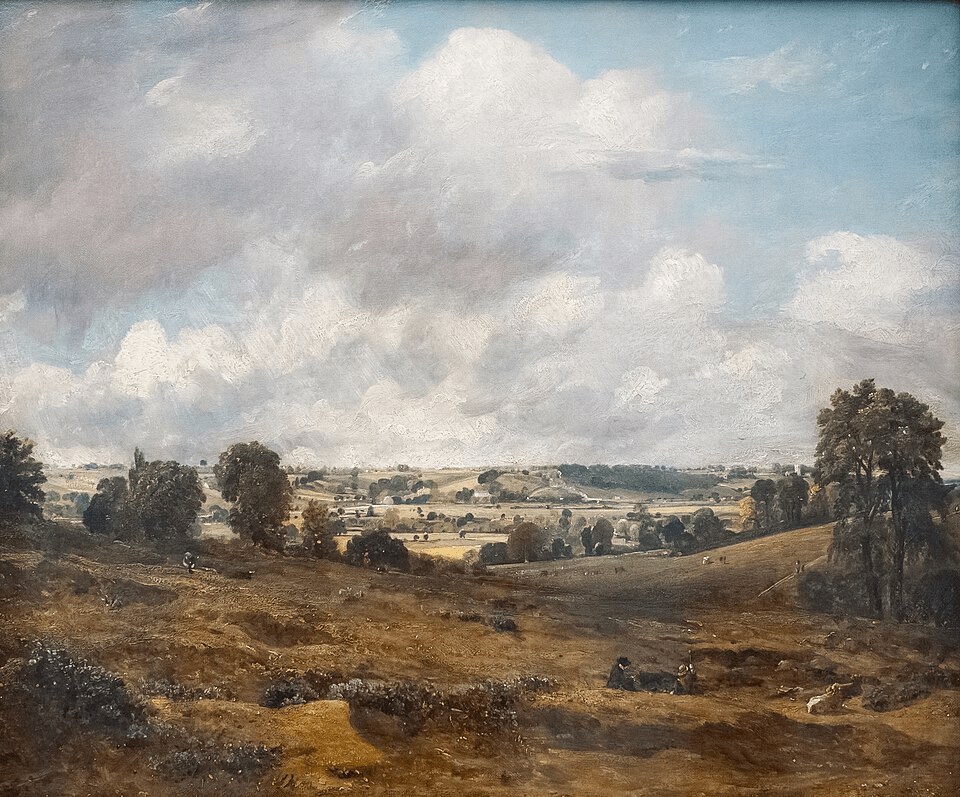
What the Reading Mercury had described, in 1848, as “the visitation of the Enclosure Act” would eventually completely change the look of the English countryside. It is difficult to imagine now that there was ever a time when the landscape throughout southern England was not a patchwork of fields divided by well established hedges. But it was not ever thus. There is a passage in Jane Austen’s Emma, published in 1815, which describes Harriet Smith and her friend Miss Bickerton trying to run away from a group of gypsies. Miss Bickerton, “ran up a steep bank, cleared a slight hedge at the top, and made the best of her way by a short cut back to Highbury.”
It is worth considering that sentence again: Miss Bickerton, ”cleared a slight hedge at the top”.
I grew up in a rural area and whilst I could execute a sort of vault over a five barred field gate, it would have been absolutely impossible to clear – or jump over – any of the field hedges in my area. But in 1815 there would have been hedges, quite newly planted, which were still low enough for someone to clear them, particularly if they feared being chased. In the early years of enclosures, these newly planed field hedges must have been a familiar sight.
Today there is just one village in England where the land is still farmed in the “Open Field” system, in which three fields are divided into strips in the Medieval manner. It is Laxton in Nottinghamshire.
However, according to the Open Spaces Society, there are still 1.3 million acres of common land in England & Wales. We are lucky to have several in West Berkshire; one, Hungerford Common, would have been known well to Jethro Tull, being just a short distance from his land at Prosperous.
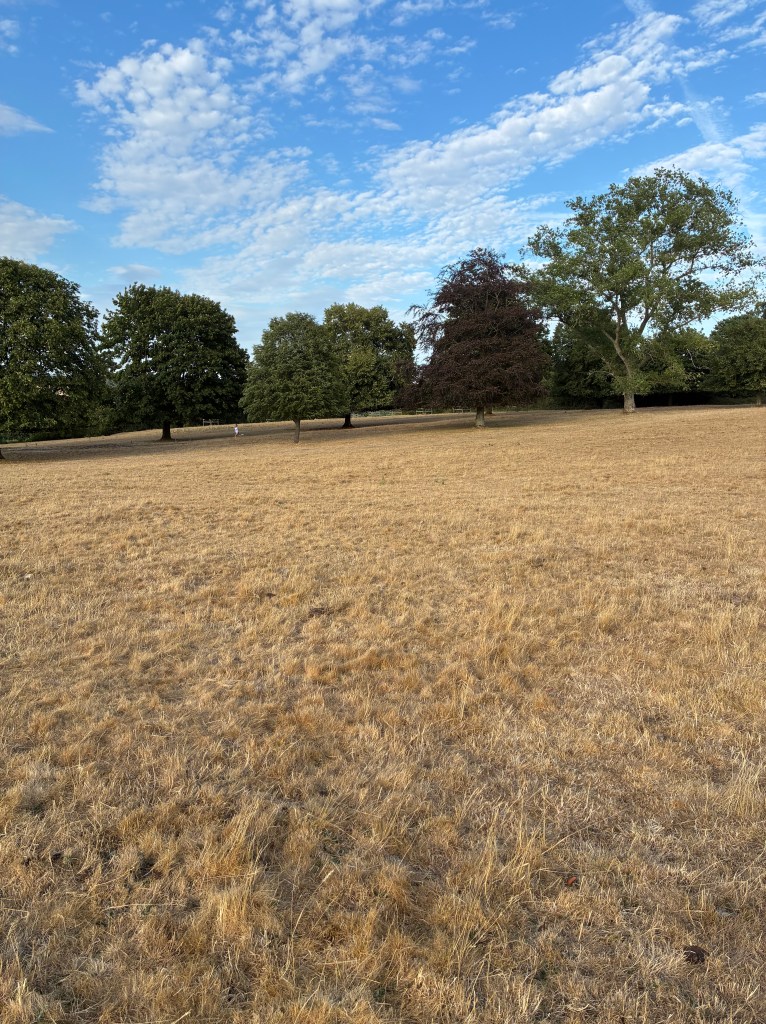
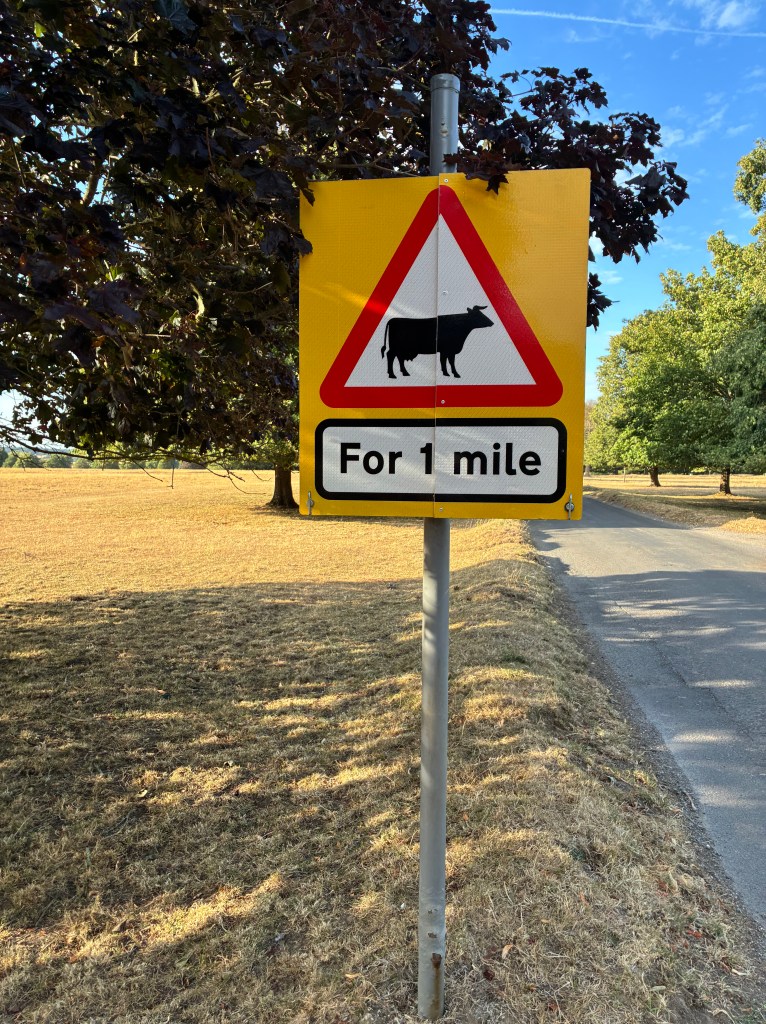
Today, the occupants of certain properties in Hungerford still have “commoners’ rights” just as they have had for hundreds of years. In practice, none of them actually graze stock on the common although this right is rented out to local farmers. So cattle graze on the common throughout the summer and into early autumn.
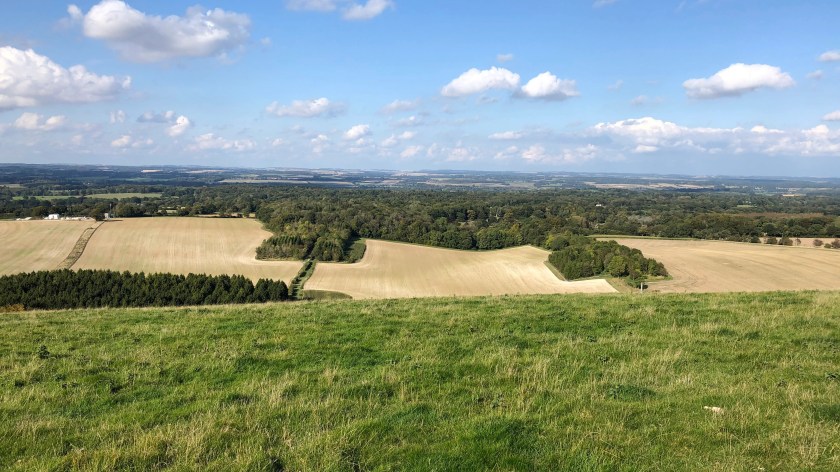
How much Hungerfoed Common has changed since Jethro Tull’s time, it is difficult to say – perhaps this is one open space that is still broadly similar to the common he must have known. But the view from nearby Walbury Hill would look very different: the patchwork quilt of land divided by hedges and the site of large fields devoted to one crop would be entirely different to the countryside Tull would have known.
Post Script:
Not a rock band, then.
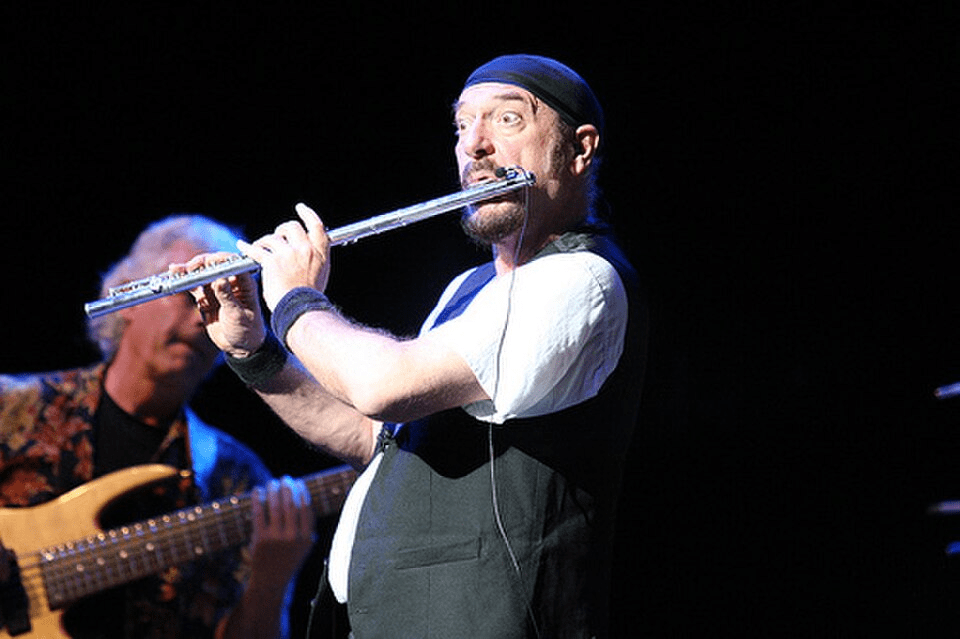
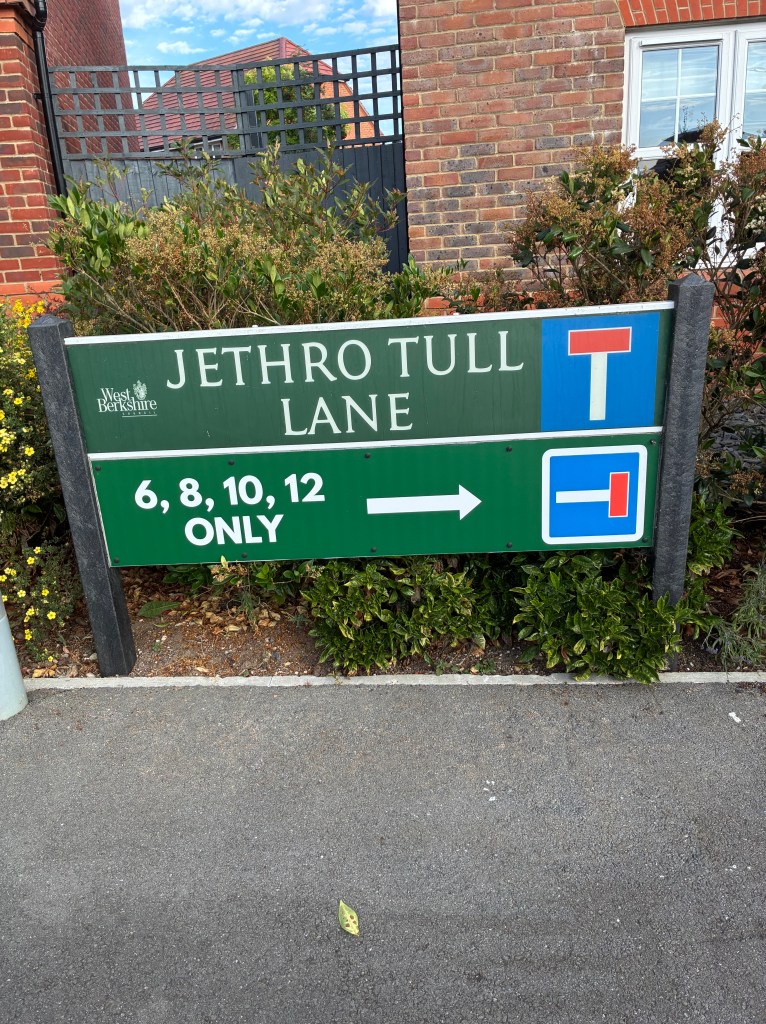
To anyone, like me, who took O level British Social & Economic History, 1700 – 1939 in the late 60s, the name Jethro Tull will probably resound as someone who featured prominently in the syllabus. However, for rock music fans, Jethro Tull was the name of a progressive/folk rock group fronted by Ian Anderson – the musician who played the flute, sometimes standing on one leg. He was not an agriculturalist – and as far as I know hasn’t had any roads named in his honour.
National Library of Scotland OS maps
http://www.laxtonvisitorcentre.org.uk/index.htm
The Open Spaces Societyhttps://www.westberks.gov.uk/media/16127/HECA-KVW-Kennet-Valley-West/pdf/HECA_KVW_Kennet_Valley_West.p
British Newspaper Archive
The Making of the English Landscape: Francis Pryor, Penguin, 2011
 Kintbury and Beyond