In Medieval England, many church walls were decorated with colourful murals depicting Biblical scenes or the lives of saints. In an age of mass illiteracy, these images helped in the teaching of scripture and often provided a warning of what might happen to those who strayed from the narrow path of righteousness. “Doom” paintings depicting the day of judgement were popular if rather uncomfortable to look at.
For poorer people whose homes were very much devoid of colour, the bright paintings on otherwise white interior walls must have provided something to gaze at and wonder. Sadly, so very many were painted over in the years following the Civil War (1642 – 1651) when they were regarded as idolatrous by the puritanical protestants. Much later, other murals were destroyed during the eighteenth and nineteenth century when the fashion for “restoration” meant that they were painted over in favour of plain white interior walls.
Where these murals have survived, it is frequently just the reds and reddish browns which can be seen today. One such example in this area is in St Michael’s, Enborne where there is a painting of the Annunciation at the east end of the north wall. What other paintings have been lost we shall never know.
Mural, St Michael’s & All Angels, Enborne
In the late nineteenth century, St Michael & All Angels’ church in Inkpen was “restored”. According to the Reading Mercury of March 1897 the church had, in the words of its rector, “long fallen into a lamentable state of decay”. As a result, a restoration, lasting more than a year, had seen the greater part of the church rebuilt and, “the only ancient portions of the actual fabric are the exterior walls and one west window” remained.
Medieval wall paintings had been discovered when the plaster was stripped from the walls but these were badly decayed. However, the architect, Mr C.C. Rolfe decided that there should be new and at that time very modern murals to grace the newly restored interior.
The person chosen for this work was Miss Ethel King Martin, an artist and sculptor.
Ethel had been born in Bristol in 1863, the daughter of Samual – a physician – and his wife Katharine. She studied at the Slade School of Fine Art in London’s Gower Street, then a very new establishment which had opened in 1871. It was groundbreaking as, unlike other art schools, it enabled women to study on the same terms as men, in particular with reference to life drawing. Other students studying there at around the same time included the illustrator Kate Greenaway and Evelyn De Morgan.
At this time, the influence of the Pre Raphaelite Brotherhood of some 40 or 50 years earlier could still be seen in contemporary work. The “Brotherhood” which included D.G. Rossetti, William Holman Hunt, J.E. Millais and Ford Maddox Brown was a group of artists dedicated to painting in a style which had, they believed, existed “before the time of Raphael.”
Pre Raphaelite paintings are bright, clear and bold, their subjects mostly devoid of the swirling drapery or dark backgrounds of earlier works.
Christ in the house of his parents: John Everett Millais
Their work used bright colours and achieved a realism by having friends and family as models, giving their work a contemporary feel. Later other artists and craftsmen joined their circle of influence, most notably William Morris and Edward Burne Jones.
Adoration of the Magi: Edward Burne Jones
In turn, Morris and Burne Jones became influential in what has become known as the Arts & Crafts movement – in part a reaction to factory made and mass produced items. Emphasis was placed instead on traditional crafts in arts and design.
A Morris & Co stained glass window at West Woodhay
One name associated with the Arts & Crafts movement is Walter Crane, remembered particularly for his illustrations of children’s books.
Illustration for “Little Red Riding Hood” by Walter Crane
Another was Kate Greenaway – a near contemporary of Ethel Martyn who had studied at the Slade some years earlier and who, like Walter Crane, is particularly remembered for her illustrations of children’s books.
“May Day” by Kate Greenaway
Another female student in the early years of the Slade was Evelyn De Morgan. Her work, which frequently features the female form, also shows the influence of the Pre Raphaelites.
The Cadence of Autumn: Evelyn De Morgan
By the time of the “restoration” of St Michael’s Inkpen, Ethel King Martyn was an established painter and illustrator, having been elected Associate of the Royal Society of Printmakers in 1892 and then Fellow in 1902. She had also exhibited at the Royal Academy. Her work at Inkpen was completed in 1910 and remains as beautiful today as it was then.
The Annunciation: Ethyl King Martin, St Michael & All Angels, Inkpen
It is, I think, easy to see the influences of the Pre Raphaelite painters in Ethel’s work in terms of the use of bright colours, composition and realism as well as an appealing story-book quality reminiscent of Walter Crane and Kate Greenaway.
.
The Ascension: Ethel King MartynUriel: Ethel King MartynRaphael: Ethel King Martyn
Some time ago, I wrote an article for this blog called, “Our churches: Not what they seem?” When I researched that article, using sources from the nineteenth and early twentieth century, I hardly ever came across the name of a woman – certainly there were no references to female architects, designers, builders or, of course, priests. Nationally, some women had achieved recognition alongside the men who were their contemporaries – I have already mentioned Kate Greenaway and Evelyn De Morgan in the field of art and design, however, they are in the minority.
Ethel King Martyn never married but lived with her twin sister, Agnes. She died in Budleigh Salterton, Devon, in 1938. You may never have heard of her before reading this, and her work has never, as far as I am aware, been reproduced on posters or greetings cards. But her work on the walls of the church at Inkpen is, I believe, stunning, and for that she should be celebrated.
We have, I believe, just one description of Jane Austen’s appearance, recalled by someone who knew her well all her life – someone who had known her since she was a small child of three.
“She was like a doll……certainly pretty – bright and a good deal of colour in her face – like a doll – no, that would not give at all the right idea for she had so much expression – she was like a child – quite a child, very lively and full of humour.”
That person was Kintbury’s vicar, Rev Fulwar Craven Fowle.
Fulwar ( pronounced “Fuller” – it was a family name ) was born in Kintbury on June 12th 1764, the eldest son of Rev Thomas Fowle and his wife, Jane née Craven. These were the days when having connections, either within the family or otherwise, could lead to appointment to a parish; in the case of the Fowles, Fulwar’s grandfather Thomas Fowle I had been appointed vicar of Kintbury in 1741 and his father, Thomas Fowle II, followed him in the post from 1762 to 1806.
At the time, it was not at all uncommon for a priest to hold the position of rector in other parishes. Thomas II was rector of Hamstead Marshall, not far from Kintbury, and also Allington, near Salisbury in Wiltshire. Later, as well as being vicar of Kintbury, Fulwar himself was also rector of Elkstone in Gloucestershire.
The Old Vicarage in Kintbury
So the Fowles could be said to have been very much a family of the vicarage. This was a time when vicarages, wherever they were, were larger, higher status houses and those who lived in them led relatively comfortable lives supported by servants and other staff. However, a vicarage life was not associated with opulence and none could be described as stately.
By contrast, the Cravens’ seat at Hamstead Marshall, three miles to the east of Kintbury, was far grander.
Fulwar’s mother Jane Craven was born in 1727, the second daughter of Charles Craven and his wife, Elizabeth Staples of Hamstead Marshall. Charles is better known as “Governor Craven” from his time as being governor of South Carolina in America. The former Elizabeth Staples has a reputation as a socialite with little time for her family.
The Former Elizabeth Staples, grandmother of Fulwar Craven Fowle
When Charles Craven had been growing up, the Craven family seat was the elegant baroque mansion in Hamstead Park, designed by the Dutch architect Balthazar Gerbier in the mid C17th. Unfortunately, this building burnt down in 1718 and by the time of Charles Craven’s marriage to Elizabeth Staples in 1720, it is likely that the family home was an extended hunting lodge on the estate.
All that remains of the Baroque mansion in Hamstead Park. Photo by Mick Crawley via CreativeCommons
So, even though the Hamstead Marshall Cravens no longer had a “stately” house, they did have a high status home and close family links to the Earls of Craven, such that Jane Craven’s family could be said to occupy a higher rung on the social ladder than that of the Fowles.
Jane & Thomas were married at Kintbury on July 18th, 1763. Jane was 36 and Thomas was 37. Thomas had been ordained priest the previous year and became vicar of Kintbury following his father’s recent death and the post becoming vacant. Perhaps the comparatively later age at which the couple married could suggest that their marriage was not economically viable until then, despite Jane’s family having been wealthy. We do not know.
Thomas & Jane had four sons: Fulwar Craven, born 1764, was followed by Thomas, born 1765, then William, born 1767, and finally Charles, born 1770.
Fulwar was a fair-haired, blue-eyed child, slight of stature and never very tall, even in adulthood. The country side would have encroached on the village of Kintbury more so than it does today, enabling the Fowle boys and their friends to roam at will and swim in the Kennet. Like all of the more comfortably off, the boys would have learnt to ride as a matter of course and by adulthood, Fulwar had the reputation of being a very good horseman.
We can assume that, whilst life in the Kintbury vicarage might not have been opulent, it would have been economically secure particularly when compared to the lives of many working people and farm labourers in the cottages of Kintbury.
There was no universal education in late eighteenth century England. In some towns and villages a basic education was offered by religious or charity groups and there were well-established grammar schools in more prosperous towns which prepared young men for the professions or university entry. For the sons of wealthier families there was a choice of “public” schools – a misnomer in that these schools were – and are – expensively fee-paying and elitist.
The novel, “Tom Brown’s School Days”, published in 1857, is a fictionalised account of being a pupil at Rugby, a public school in the south east midlands, in the 1830s. Its author, Thomas Hughes, was the grandson of the vicar at Uffington, then in Berkshire, across the downs around twenty miles to the north of Kintbury.
It might be assumed that, coming from a similar background, the Fowle sons would also have attended a public school, perhaps Eton, close to Windsor in east Berkshire, or Winchester, in Hampshire. Instead, Jane and Thomas chose to send their sons to the school run by Rev George Austen and his wife, at Steventon, near Basingstoke in Hampshire. George Austen’s “school” was actually in the family home – the Steventon vicarage.
Thomas Fowle had known George Austen since their days at Oxford University so perhaps he felt more comfortable entrusting his sons’ education to someone he knew very well. Alternatively the costs of a public school education might have been beyond the budget of a rural parson, we cannot say. The reality might have been a combination of both factors.
We do not know precisely the curriculum Rev Austen would have offered his students although it would very likely have centred on the Classics – Latin and Greek- which would prepare the boys for further study of the same at Oxford University.
Fulwar was fourteen when he first joined the other borders at the Steventon vicarage school. At that time the Austens’ eldest son, James, was nearest to Fulwar in age and became his closest friend. Edward was 11, Henry 7, Cassandra 5 and Francis 4. The baby of the family at that time was Jane, aged 3. Charles was to arrive a year later.
It goes without saying that the Austens would have had servants; however, even with help with cooking, cleaning and laundry, the household must have been a particularly busy one. One can only assume that George Austen’s wife, Cassandra, must have been a particularly well-organise and relaxed person – laid-back, we might say today – to run such a household.
Fulwar’s brothers later joined him at Steventon: Tom in 1779 and William and Charles sometime in the early 1780s. The young Austens also visited Kintbury, and many years later, in 1812, James Austen wrote a poem in which he recalled staying at the Fowles’ home in Kintbury:
And still in my mind’s eye methinks I see
The village pastor’s cheerful family.
The father grave, but oft with humour dry
Producing the quaint jest or shrewd reply;
The busy bustling mother who like Eve
Would ever and anon the circle leave
Her mind on hospitable thoughts intent
Careful domestic blunders to prevent.
Whilst James Austen was clearly not a second Wordsworth, his words suggest the Fowles were a warm, happy family. Perhaps the “humour dry” and “quaint jest” suggest that the Austens & Fowles shared a common sense of humour or enjoyed the same sort of witticisms. Perhaps both families would a have agreed with Jane Austen’s Mr Bennett when he said,
“For what do we live, but to make sport for our neighbours, and laugh at them in our turn?”
There is certainly evidence that Fulwar had an acerbic sense of humour, which is perhaps not surprising in a close friend of the Austens.
At Steventon, all the Fowle brothers were successful students. Fulwar went on to enter St John’s College, Oxford in 1871 where he gained a BA in 1785 and an MA in 1788. His brother, Thomas went up to Oxford in 1783 and gained an MA in 1794. William went on to study medicine ( not yet a subject taught in an English university ) as an apprentice to his uncle William Fowle in London. Charles studied law and was called to the bar in 1800, later practising law in Newbury.
Perhaps it was inevitable that Fulwar would follow his father and grandfather into the church; in 1786 he was ordained deacon at Salisbury cathedral and was installed curate of St Mary’s, Hamstead Marshall on the following Christmas Eve. It has to be very likely that he obtained this post due to family patronage, which, at this time, would have seemed perfectly normal and acceptable with no accusation of nepotism.
The west door, St Mary’s, Kintbury
Also in the manner of the time, Fulwar became rector of Elkstone in Gloucestershire in 1788 where the manor had belonged to the Craven family since 1623. 0nce again an example of an appointment made as a result of family connections.
1788 was also the year in which Fulwar married his cousin, Elizabeth – known as Eliza – Lloyd. Eliza’s mother was the former Martha Craven, daughter of Governor Craven of Hamstead Marshall. Martha had married the Rev Noyes Lloyd, vicar of Enborne in 1763 and Eliza, along with her sisters, Martha & Mary, with their brother Charles, had grown up there. Sadly, Charles died in 1775 following an outbreak of smallpox.
In Elkstone, the elegant, three storey rectory built earlier in the century became Eliza & Fulwar’s family home for the first six years of their marriage. Their first child, however, Fulwar William, was born at Deane, near Basingstoke in Hampshire in 1791. It has to be likely that this was because Eliza’s mother and her sisters Mary & Martha had been living there since having to vacate Enborne vicarage on the death of Rev Nowes Lloyd in 1789. As a first-time mother, Eliza probably wanted her confinement to be somewhere close to her family for support.
The Old Rectory, Elkstone Phto: Chris Brown, via CreativeCommone
The couple’s second child, Mary Jane, was born at Elkstone in 1792 although the baptism of their third child, Thomas, in 1793, is recorded as being in Hurstbourne Tarrant, near Andover in Hampshire. Although it is a very long way from Elkstone, Eliza’s mother and sisters were now living at Ibstone, a hamlet close to Hurstbourne Tarrant so it would be logical to assume Eliza had once more returned to her family for her confinement.
In 1794 the family returned to Kintbury where Fulwar took over the incumbency. By now there were two more children: Mary Jane, had been born in Elkstone in 1792 & Thomas in Hurstbourne Tarrant in 1793.
Caroline Elizabeth had been born in December of 1794 but died the following January. Both her baptism and death are recorded as being at Hurstbourne Tarrant.
In January 1797 a happier event occurred at Hurstbourne Tarrant where Eliza’s sisters Mary & Martha were still living with their mother. Mary Lloyd married the widowed James Austen and became step-mother to James’ daughter Anna. In the custom of the time, Eliza Fowle could now speak of James Austen as her brother. Martha Lloyd was to become one of Jane Austen’s closest friends and a life-long companion.
However, tragedy was soon to strike the extended family.
In 1795, Fulwar’s brother Tom Fowle had become engaged in secret to Cassandra Austen prior to joining an expedition to the West Indies as Lord Craven’s chaplain. However, he was never to return and news of his death from yellow fever reached Kintbury in the February of 1797. It was James and Mary who broke the news to Cassandra.
Over the next eight years four more children were born to Fulwar and Eliza in the Kintbury vicarage. In a letter to Cassandra of December 1st, 1798 Jane Austen wrote,
“No news from Kintbury yet – Eliza sports with our impatience.”
It is worth remembering that this was a time when everyone would have known someone who had died in childbirth so Jane Austen’s wry humour would be masking a real concern for Eliza’s welfare. Elizabeth Caroline ( known as Caroline ) arrived five days later on December 6th. She was christened in Kintbury on January 19th by James Austen.
Isabella followed in 1799, Charles in 1804 and Henry in 1807.
The Fowles, the Lloyds and the Austens remained friends throughout their lives. The little girl Fulwar had first got to know in the Steventon vicarage had shown a prodigious talent for writing and become a very succesful novelist. In 1815 the Prince Regent even requested that Jane should dedicate her latest novel to him, which she did. As it happens that novel was Emma, the one about which Fulwar famously said he would only read the first and the last chapters as he had heard it wasn’t interesting. I very much doubt that Jane would have been particularly offended by this comment – after all, she knew him almost as well as she knew her older brothers, and for almost as long.
Despite the disparaging comments about Emma, we know that Fulwar did indeed purchase other of Jane’s novels, as copies with his name, written in his handwriting on the title pages, have fairly recently come up for auction. We know from Jane’s letters that Eliza bought a copy of Sense & Sensibility.
Throughout this time there are many passing references to Fulwar & Eliza in the letters of Jane Austen. However the most telling reference as regards Fulwar is that January 1801. In her letter to Cassandra, Jane writes:
“We played at vingt-un, which, as Fulwar was unsuccessful, gave him an opportunity of exposing himself as usual.”
Fulwar, it seems , was not good at hiding his bad temper. But by this time Jane had known him for over twenty five years and must have been very well aware of his moods.
As their priest, Fulwar Craven Fowle served the people of Kintbury for the rest of his life. Whilst not all Anglican clergy were in any way wealthy and some seem just to have been scratching a living in their parishes – (indeed it is believed one of the reasons why the ill-fated Rev Thomas Fowle took the post of Chaplain to Lord Craven’s expedition was to raise enough money to marry Cassandra ) – all the evidence suggests that the Fowles’ life in Kintbury was secure and comfortable.
As well as carrying out his duties as parish priest in Kintbury and, from time to time visiting the parish of Elkstone, Fulwar was very much involved in West Berkshire public life.
In 1805 he was appointed Lieutenant Colonel Commandant of the Kintbury Rifle Corps and in the same year led the local Volunteer Brigade to Bulmersh, near Reading where they and other volunteer regiments were inspected by George III. Apparently the King was particularly impressed by the “military perfection” of the Berkshire Volunteers and with Rev Fowle as their officer.
I think it’s worth remembering that at this time there was still the threat of invasion from the French under Napoleon across the channel and the south coast felt particularly vulnerable. Having an efficient volunteer force was important to the nation’s security in the same way as the Home Guard was in the Second World War.
Despite the country being on a war footing and the newspapers continuing to carry reports of Napoleon, daily life continued relatively uninterrupted.
It seems that Rev Fowle moved within what Jane Austen’s Mrs Elton would have described as “the first circle” socially. According to a newspaper report of 1807, for example, he was one of several dignitaries to attend a race meeting at Enborne Heath near Newbury. Others named include the Earl of Craven and Sir Joseph Andrews of Shaw House, Newbury. Very much the local “great and good”.
What is perhaps surprising is the amount of property and land that Fulwar owned in the area. This included 55 acres of farm land, two cottages and other farm buildings at Rooks’ Nest farm just south of Kintbury, and also 350 acres of pasture and arable land with adjoining farm house and other buildings at East Woodhay, just over the border in Hampshire.
However, Fulwar does seem to have taken an interest in agriculture and was not simply a landowner who cared solely about collecting the rent. In 1808 he was elected Steward of the Berkshire Agricultural Society for that year and in 1820 became a member of the Hampshire Agricultural Society
This was the time of what is now known as the agricultural revolution – the period throughout the late eighteenth century into the nineteenth century when many landowners and working farmers were developing ways to increase agricultural production. In this area, South Downs and Merinos were the breeds of sheep most commonly kept by farmers but at the Hampshire Agricultural Show of 1820 the Rev Fowle exhibited a pen of Leicesters which, “excited much attention” as they had not been seen there before. Furthermore, the superior weight gain of these sheep, when compared to that of the usual breeds, was due, it was believed, to their having been fed on a diet of “sliced Swedish turnips” rather than corn and cake. Over the next two years, the Leicesters maintained their advantage when reared under controlled conditions.
A Leicester Ram Photo: John Wrightson via Creative Commons
Whilst it has to be likely that it was a shepherd in Rev Fowle’s employment who would have undertaken all the husbandry involved in this experiment, Fulwar himself must have approved of its happening and may well have initiated it.
The Agricultural Revolution resulted in a slow and relatively peaceful change throughout the country. The same could not have been said about the French Revolution, observed from across the channel, where social change had included the violent removal of the monarchy and aristocracy. Throughout Fulwar’s life there were campaigns for social and political reform across the country but these were accompanied by fears, on the part of the establishment, of the kind of violence that had been seen in France. I think it is in the light of such fears that we need to assess the response of certain authorities to the unrest that broke out across southern England in 1830, though it does not excuse the more extreme reactions.
By 1830, Fulwar was 66 and Eliza 65. The couple still lived in the vicarage: the white building next to the River Kennet where Fulwar had grown up although now its garden formed part of the south bank of the Kennet & Avon canal as it flowed towards Kintbury wharf, bringing coal and other commodities to the village.
Fulwar also served as a magistrate and was, therefore, regarded as a figure of authority and most probably of derision on the part of those who came before the bench. Such is human nature. He seems to have been respected and held in affection by the members of his church; by now, however, Kintbury had both a Methodist church and a Primitive Methodist church so numbers of nonconformists in the village would not have been inconsiderable: Rev Fowle was not everyone’s priest.
Their neighbour, 79 year old Charles Dundas still had his seat at Barton Court, less than half a mile along the coaching road which led from the Bath Road into the village. Dundas had been Member of Parliament for Berkshire since 1794.
Charles Dundas, MP & Kintbury Resident
We have written quite extensively in this blog about the events which led up to the Swing Riots of 1830. Formore information you might like to look at these articles: The Kintbury Martyr parts 1, 2 and 3.
Following a year of escalating hardships, by the autumn of 1830 the agricultural labourers focussed their attention on threshing machine: the mechanical devices that could do the work of several men at a time rendering them redundant when their casual employment was most crucial if they were to earn enough to feed their families through the upcoming winter. By the night of November 21st of that year, a riotous mob of angry men was roaming through the local villages, demanding money from the farmers and threatening to set fires and smash machinery, in particular the hated threshing machines.
Thanks to a letter held by the National Archives we can read Fulwar’s own account of what happened when the Kintbury mob arrived at the vicarage. Apart from some of his sermons, the letter is the only time we can hear his voice through his writing – writing that is small and neat despite the strain of the night he has just witnessed. He frequently punctuates by using dashes. Both the neatness, much of the letter formations and the dashes are reminiscent of Jane Austen’s letter writing, which leads me to wonder if both were influenced by George Austen. It’s a thought.
The letter opens:
Dear Dundas,
The mob continued their work of breaking machines the whole of the night. They came to me about 4 oC in the morning. Harrison consulted with me and I agreed with him that it would be better to bring your machines to Kintbury and let them break them there than that they should go to BC for that purpose. They were brought up accordingly and taken into the street.
I think it is important to remember that at this time there was no police force and no authority that the Fowles could have called upon easily had they felt threatened. We do not know if anyone else was living at the vicarage besides Fulwar and Eliza – there may well have been one or two domestic servants and we know that Fulwar had a gun licence but all the same the couple would have been aware that they had very little personal protection had the mob turned violently against them.
Fulwar’s tone is resigned with acceptance of the situation rather than anger. He is clearly being kept informed of developments, telling Dundas that the mob has moved on to Titcombe, Hungerford Park and North Hidden, intending to go further. If this is correct, the rioters must have been moving swiftly through the area to have covered the distance. Furthermore, someone – or perhaps several people – must have been following on horseback to be able to report back as to what was happening. In these days of radio or mobile phone communication, it is easy to forget just how difficult it must have been in 1830 to follow what was happening.
The rioters have been demanding money:
I understand that they will have two pounds from each person; I know they had two from me, from Johnson, Captain Dunn and Mr Alderman.
According to the Bank of England online inflation calculator, £2 in 1830 equates to £199.40 today.
Once more I find Fulwar’s tone interesting – he is accepting of the situation and, at this time at least, offers no criticism or disapprobation.
I have not heard that they have committed personal violence on anyone rather than forcing the labourers to join them. Ploughs with cast iron shears appear to me as much the object of their hatred as machines and these they have broken many.
It is obviously important to Fulwar that he points out to Dundas that the rioters have not been personally violent to anyone and that the labourers ( by which I understand those not originally part of the “mob” ) are being forced to join in. Today we might speak of these people as being radicalised by the original protesters.
Further details are being brought to the vicarage as Fulwar writes:
I have just received a message from Mr Willes that the different parties have joined at Hungerford and exceed 1000 men.
One thousand men. That is half the population of modern day Kintbury. Even if that number is an exaggeration, a mob of even 250 angry men would be very frightening.
Fulwar continues to add to his letter as further information is brought to him. The Hungerford and Kintbury men have met with Mr Pearce ( a farmer ) and Mr Willes ( John Willes, JP of Hungerford Park ) and others. The men were demanding:
… twelve shillings a week for a man & wife & three children & the price of a gallon loaf for every child above three – these terms were acceded to by the Gentlemen as far as they could be, they were to be recommended for adoption to the farmers. I hope they will aceede (sic) to them I am in momentary expectation of being sent for by the Kintbury men who are returned or just returning to the village. I cannot of course try to beat them down to a lower price. These loaves to the children are all that men in health are to have from the parish as I understand these Gentlemen
According to the Bank of England, twelve shillings in 1830 equates to £59.82 today. The price of a gallon loaf in Newbury varied between one shilling and seven pence and one shilling and nine pence, so something around £8 today.
Fulwar concludes his letter at this point, then adds a post script:
I have just met the men – they (missing text) the same terms which had been agreed at Hungerford and I told them that as far as was in my power I would endeavour to persuade the farmers to agree to them. The men gave three cheers and expressed themselves perfectly satisfied but they all agreed that there must be no payment in bread but all in money. I could not feel justified in bringing back angry feelings by refusing to promise to recommend that also.
Fulwar’s tone in this letter is undoubtedly conciliatory. Whilst he admits that he does not want to bring back angry feelings, I don’t believe he was merely seeming to be sympathetic to the demands because the men are threatening.
Unfortunately, not everyone was in agreement with the way Fulwar dealt with the mob, believing him to be too much in sympathy with them and encouraging them. Someone complained to Lord Melbourne, the Home Secretary, and as a result, Charles Dundas and over ninety other villagers signed a letter to Melbourne, assuring him that Rev Fowle had done everything he could to quieten the disturbances.
Despite Fulwar’s attempts, the wider disturbances did not end there and then at the Kintbury vicarage, as we have written about elsewhere on this blog. The resulting court case was eventually heard at Reading the following January. Whilst several of the rioters were transported to Australia, just one man was executed: Kintbury’s William Winterbourne.
Winterbourne was hanged in Reading Gaol on January 11th 1831. Fulwar had his body returned to Kintbury where he was buried the next day in St Mary’s churchyard and later a grave stone erected. On the stone, Winterbourne is recorded as “William Smith” , Smith being his mother’s name and, as his parents were not married, it was the custom of the time to regard a child’s official surname to be that of the mother.
I think it is difficult for us today to appreciate how very unusual – indeed, practically unheard of – it was then for a labourer such as Winterbourne to have a grave stone. Such would be completely beyond the budget of poorer people and even skilled craftsmen and women and many who today we might consider to be “lower middle class” would not necessarily have a grave stone but be laid to rest in an unmarked plot. Rev Fowle was responsible for Winterbourne’s burial and grave stone in Kintbury churchyard and it would be interesting to know how the rest of the village reacted to what he did.
William winterbourne/Smith’s grave
There has long been a persistent idea locally that Fulwar did this out of a feeling of guilt. I do not believe this to be so and there is absolutely no evidence, as far as I have been able to find, to suggest that Fulwar had any responsibility for the outcome of the trial or felt any guilt as a result of it. I believe his feelings would have been of extreme sorrow.
As a parish priest and also as a magistrate he was a figure of authority in a village where, in common with all of England at this time, everyone was expected to know their place in society, and stick within it. So, if he was known amongst many villagers as “Ol’ Fowle”, as some people believe, this does not signify any particular derision than that which would have been afforded to many other figures of authority or those who had agency over the working people.
On May 26th 1839, Eliza Fowle died at the Kintbury vicarage. She was 71. On March 9th of the following year, Fulwar also died. He was 75. His memorial, over the pulpit in the church describes him as: Pastor, Neighbour, Friend.
The Fowle family grave, St Mary’s churchyard, Kintbury
Fulwar’s death brought to an end nearly 100 years of the Fowle family as priests in Kintbury. Less than thirty years later, the white vicarage mentioned by James Austen in his poem, had gone, to be replaced by a then very fashionable neo gothic house which is still there today.
Elizabeth Caroline lived in Kintbury all her life. When Cassandra Austen died in 1845, she left £1000 and a shawl which had previously belonged to Mrs Jane Fowle to her. Very sadly, Elizabeth Caroline died in a London asylum in 1860.
Mary Jane Dexter, née Fowle, died in 1883 and Isabella Lidderdale, née Fowle, died in 1884, both in Kintbury.
On January 11th every year, people gather in Kintbury church yard to remember William Winterbourne/Smith, the Kintbury Martyr. But for Fulwar, Winterbourne’s grave would be in Reading, not here in Kintbury.
Throughout the year, Janeites ( as those who love the works of Jane Austen are called ) visit Kintbury because of her connections to the village through the Fowle family. Fulwar Craven Fowle is the link between what are often our very different parties of visitors.
And thanks to him we have this charming recollection of the woman he had known as a friend all her life:
” Like a doll……certainly pretty – bright and a good deal of colour in her face – like a doll – no, that would not give at all the right idea for she had so much expression – she was like a child – quite a child, very lively and full of humour.”
Sources:
Jane Austen’s Letters, collected and edited by Deirdre Le Faye, 1996
This post is in two parts. In the first part, I consider the village of West Woodhay from a changing historical perspective. For the second part, we are delighted to have a contribution from Harry Henderson of West Woodhay Farms in which he describes the recent changes in agricultural practices which have enabled vitally important regeneration of the land.
West Woodhay 1817
On the road to nowhere in particular, the hamlet of West Woodhay is situated in the extreme south of West Berkshire just below the North Hampshire downs, a little over two miles south of Kintbury as the crow flies.
The Road to West Woodhay: Des Blenkinsop via Creative Commons
Although a motte is all that remains now of a twelfth century hunting lodge, today the village is probably best known for the elegant grade one listed West Woodhay House and also the grade two listed St Laurence’s church with windows by Morris & Co.
Early censuses show that most of the population were engaged in agriculture during the nineteenth century; early maps of the village suggest there has been little if any development, so, on the whole it might be presumed that very little of any great note has ever happened here. However, the effects of very significant changes in agricultural practices can be traced in the history of this village and the surrounding area.
The eighteenth century saw many developments in agriculture, enabling increased food production necessary to feed the growing population. Whilst innovations in agricultural machinery, such as the horse drawn seed drill developed by Jethro Tull of Prosperous Farm, near Hungerford, made the cultivation of larger fields much easier, this had a downside for thousands of rural labourers.
Since medieval times, many rural families had cultivated strips or patches of land, often dotted around their parishes, relying upon what they could grow to feed their families. However such a system was useless for food production on a large scale. The 1773 Inclosure Act enabled the Lords of the Manor or other land owners to enclose the diverse patches and strips of land, creating large fields each devoted to one particular crop and of the size that could be cultivated using new machinery. Whilst this might have been good news for the markets, it was devastating for many who lost their ability to grow their own food.
The effects of the 1773 Act were not felt straight away although it was eventually to change the face of the English countryside.
The Hampshire Chronicle of July 1816 reported that an Act of Parliament had been passed for the inclosure (sic) of Woodhay Common. However, “the labouring poor in that neighbourhood have lately shewn strong symptoms of their disapprobation and at length proceeded so far as to collect in considerable numbers with the avowed intention of preventing the farmers ( to whom it had been allotted ) from breaking it up.”
Fearful of trouble, the authorities called out military back-up which arrived in the form of the “Donnington and Newbury Troop underthe command of Capt. Bacon” and also “Oxford blues ( who had been sent from Maidenhead )”
It is hard to believe that anyone would have felt it necessary to employ the military to prevent any sort of a riot in such a quiet and peaceful corner of the county. It is hard to imagine troops, not just from nearby Newbury but also from Maidenhead, well over a day’s ride away, descending on the village. Insurrection is not something you would associate with West Woodhay.
However, due to the “spirited exertions of constables” the military were not required although several of those involved in the protest were bound over to appear at the Quarter Sessions.
Enclosures were not the only things to make life increasingly difficult for the rural poor. Harsh game laws meant the penalty for catching rabbits for the pot could be transportation and poor harvests in the 1820s resulted in increased prices, particularly for bread.
William Cobbett
William Cobbett was a writer and campaigner born in 1763 to a Hampshire farming family. Critical of the way new laws impacted upon the rural population, in 1821 Cobbett set out on a series of “Rural Rides” to observe for himself the situation throughout the midlands and south of England. Amongst other things, Cobbett was critical of the amount of money the country was spending on defence rather than on improved conditions for the rural poor. One of those of whom he was particularly critical was Berkshire M.P. and Kintbury resident, Charles Dundas. A prominent and influential figure, Dundas would have been well known across local towns and villages.
Although it is not always easy to work out Cobbett’s exact route through the countryside, it is clear from reading his work that he travelled across North Wiltshire and into Berkshire, stopping at Newbury on October 17th.
Whilst at a public dinner in Newbury, Cobbett took the opportunity to call out Dundas’s false accusation that he, Cobbett, was complicit in a plot to assassinate the Prime Minister and members of the cabinet. Known as the Cato Street conspiracy, those involved were eventually either executed or transported. For Dundas to accuse Cobbett of complicity was a particularly serious slur and something which reflects how polarised political views were at this time.
Later, Cobbett observed that “a good part” of the wheat offered for sale at Newbury market was wholly unfit for bread flour. Considering the importance of bread in the diet of poorer people, this must have led to severe consequences locally.
Not everything Cobbett observed as he rode through the downland was negative, however. At one point as he rode across the downs, he observed, “immense flocks of sheep which were now ( at ten o’clock ) just going from their several folds, to the downs for the day..”
The “immense flocks” aside, there was, as Cobbett noted, little to impress in the daily lives of the agricultural workers. Enclosures, the rising cost of bread and harsh laws which mitigated particularly against rural people, and changes in agricultural practices such as the introduction of mechanisation made life for the agricultural worker extremely difficult. The bad harvest of 1830 was the tipping point, leading to what became known as the “swing riots” which broke out in December of that year.
Although most of the protests in this part of West Berkshire were centred on and around Kintbury, West Woodhay did not escape the disorder. Here, Cornelius Bennett and Henry Honey were charged with robbery although both were subsequently acquitted. However, shock waves must have rippled across this part of Berkshire when it was reported that others of the rioters had been charged at Reading Assizes with several transported to Australia and one executed for his involvement.
1877
In the following years, however, the agricultural industry in England generally was thriving. But this was not to last and by the 1870s it was in depression. By 1893 an anonymous contributor wrote to the Newbury Weekly News:
“There are thousands of acres not tenanted at all, and scores of landlords only too anxious to let on almost any terms.”
He continues:
“The real cause of agricultural depression is very easy to find, but very difficult to remedy. It is because the enormous development of steam navigation has brought the millions and millions of foreign acres into practical proximity to our shores and accompanied by afull market has made England a central emporium of a huge percentage of the surplus produce of the world.”
Throughout England, the numbers of people engaged in agriculture, particularly as labourers, declined as many sought better paid factory work in towns and cities. In West Woodhay, the 1851 census records William Taylor of West Woodhay farm as employing 15 labourers. By 1861 the farm has been taken by an in-comer from Buckinghamshire, Job Wooster, who employs 9 labourers. By the 1881 census, there are just 16 agricultural labourers in the whole of the village.
Throughout the early years of the 20th century, many young people from rural communities emigrated to the colonies such as Canada or Australia to try their hand at agricultural work far from home. Whilst I have not been able to discover how many pioneering young men or woman left the villages of West Berkshire in this way, it has to be likely that some, at least, would have done so.
1880
The twentieth century witnessed two world wars during which thousands of agricultural workers from all over the country enlisted in the armed forces. To make up the short fall in manpower, thousands of young women joined the Women’s Land Army and were posted to rural areas throughout the UK. In July of 1918 the Reading Standard featured on its front page photographs of some of these women at work on Berkshire farms under the bold sub-headings:
THEY MILK THE COWS
AND FEED THE PIGS
AND TRUSS THE LOADS OF HAY
most probably to the cynical and wry amusement of those rural woman who had been undertaking farm work for decades.
The 1939 Register lists 24 people engaged in agriculture in West Woodhay although it is difficult to draw an exact comparison with numbers of agricultural workers at the time of the nineteenth century censuses in part due to changing definitions of occupation. However it is true to say that the village had remained a predominantly agricultural community.
It is now over 200 years since West Woodhay Common was enclosed and 195 years since the Swing Riots. Although the associated violence is now very much in the past, the farm lands of West Woodhay still reflect the changing agricultural practices and the need for farming to respond to changing times.
For the second part of this post we are grateful to Harry Henderson whose family owns and runs West Woodhay Farms, an estate on the Berkshire/Hampshire border.
(C) Theresa Lock 2025
West Woodhay church: Matthew Prior via Creative Commons
Farming for the Future: Soil, Sustainability, and Success at West Woodhay
Harry Henderson
The estate spans 830 hectares of challenging land with fragile soils. Since 2008, a regenerative agricultural policy has been in place, with a focus on prioritizing soil health. The estate now follows a crop rotation system that includes herbal grass leys, flower meadows, wild bird feed areas, and very low-input cereals.
Agricultural chemicals and fertilizers have been replaced with more sustainable cultural methods. As a result, there has been a significant increase in soil biology, leading to enhanced organic matter levels and improved carbon capture.
The shift in farming practices—driven by soil health—has led to remarkable nature recovery. The planting of herbal leys and wildflower plots has created a thriving environment for insect life. Since adopting a no-insecticide policy in 2014, West Woodhay has seen a resurgence of beneficial insects such as spiders, beetles, and parasitic wasps. This has enabled the successful establishment of flea beetle-sensitive crops like stubble turnips.
The rise in insect populations has also benefited birdlife, which is supported further through the planting of wild bird plots for the leaner months. All this recovery work has been monitored and independently audited over many years, and the data clearly shows a strong link between soil health and biodiversity.
In-depth soil analyses have shown that, given time and the absence of soil disturbance, soil indices can begin to rebalance naturally, making primary nutrients more available to crops. This reinforces the estate’s approach of minimal intervention and maximum biological support.
A large sheep flock has been used to manage the land and maintain productivity. The breed of choice is the Welsh Cheviot, native to the Brecon Beacons. With West Woodhay’s highest point reaching 900 feet, this hardy breed is ideally suited to the challenging upland climate. Their thick, dense fleece protects them from January’s easterly winds and rain.
Lambing begins in late March, with all ewes lambing outdoors in a natural environment, giving mothers plenty of space and time to bond with their lambs. During the summer months, the flock grazes on the herbal leys, enriching the soil’s biodiversity. After weaning in early autumn, they are moved to higher ground to help manage the fragile downland ecosystem.
The estate’s latest and most exciting initiative is the production of cereal crops for human consumption, grown with little or no artificial fertilizers or pesticides. These crops are established using zero-tillage methods. By using legumes to naturally supply nutrients for fast-growing spring cereals, West Woodhay has successfully tapped into new opportunities through Wildfarmed contracts.
Importantly, the farming enterprise has remained consistently profitable. Without profit, nature recovery would be difficult to sustain. Savings on fertilizers, agrochemicals, fuel, finance, and labour have helped support this transition. The increase in soil organic matter has broadened the estate’s cropping options, helping to future-proof the farm for the next generation.
At present I am writing this as I look out at my garden on a particularly hot day. I am in Berkshire, or, if you prefer, Royal Berkshire. Less than three miles from my garden fence is Hampshire and I can look out of my bedroom window at Wiltshire. If I were to stand on my roof, I would see, three miles to the south, Walbury Hill, the highest point on chalk in England.
This wider area is often described as Central Southen England, although I like to think that, in our corner of West Berkshire, we look much more towards the west than towards Reading and the south east.
Berksshire and surrounding counties before 1974
My local authority – the one responsible for emptying our bins, amongst other things – is West Berkshire, based in Newbury. Before 1998, when West Berkshire became a unitary authority, our local authority was Berkshire, based in Reading. The Berkshire, that is, which was considerably smaller than it had been before April 1974, when the Vale of the White Horse in the north of the old shire county was transferred to Oxfordshire, and Berkshire gained Slough, previously in Buckinghamshire.
West Berkshire from 1974 Image:Nilfanion under Commons Licence, accessed from Wikimedia
Some people, with both a sense of history and also an ironic sense of humour, like to call the Vale, “occupied North Berkshire” – a nod to the feeling that Berkshire’s border with Oxfordshire should be along the Thames as it had been for hundreds of years.
The Upper Thames: The Berkshire/Oxfordshire border? Or perhaps the frontier between Wessex & Mercia?
However, very soon our local authority will be changing yet again. It may, although at the time of writing, this has not yet been confirmed, be known as Ridgeway, named for the prehistoric track that runs east to west across the Berkshire Downs. The Berkshire Downs, that is to say, the downs currently partly in Oxfordshire after Vale of White Horse – formerly in north Berkshire – was transferred to Oxfordshire following the local government reorganisation in 1974.
The Ridgeway on the OS map
So, when – and if – we become “Ridgeway”, our devolved local authority will once more include the Vale, although people living there – for example in Uffington – will still be in Oxfordshire as far as their postal address is concerned. Furthermore, the Thames will once more become the border between our local authority and whatever the devolved authorites to the north are finally called.
Confusing? Definitely. But this is definitely not new.
To consider the long view – the very long view – we need to travel back in time over two thousand five hundred years to the Iron Age. The hill fort on Walbury Hill – which I mentioned in my opening paragraph -is home to people known to the Romans as the Atrebates. We will never know how they identified themselves because the Atrebates did not have a written culture but valued committing ideas and stories to memory instead.
If a man or woman from that hill fort were to stand on the highest point of Walbury Hill and look across the Kennet Valley, all the territory below would, perhaps reassuringly, belong to their tribe. In the far distance to the north west, was the territory of the Dobunni, and to the distant south, the Belgae. Of course there was no signage back then; no, “You are entering the territory of the Atrebates” although the locals may well have known that a particular river or ditch marked the boundary between Us and Them. Indeed, the very existance of a hill fort on a prominent ridge would have of itself made a statement visible for miles around.
Emil Reich Map by Emil Reich. Under Commons Licence accessed from Wikimedia
Our area at the time of the Romans. Spinae may be modern day Speen and Cunetio is near modern day Marlborough
The arrival of the Romans in Britain around 55 BC brought some obvious changes. For the people of the Atrebates, their tribal centre at Calleva, ( modern day Silchester ) became an important Roman town. In the valley below Walbury Hill, the construction of the road to Aqua Sulis ( the Roman name for Bath ) would have seen an increase in traffic. Villas appeared in the landscape, as at Kintbury. Trade with the newcomers meant an increased variety of foods and other goods.
We do not know for sure if anyone was still living in the hill fort on Walbury Hill when the Romans arrived. We do not know, for sure, if any Iron Age man or woman, standing on the highest point on chalk in southern Britain, would have felt threatened by the increasing presence of the Romans in the valley below. We do know that it has to be likely that many Iron Age Celts continued to live pretty much as they had done before Caesar landed in Kent and continued to do so long after.
Roman province of Britannia. (Map of the Historical Atlas of Gustav Droysen, 1886) Under Commons Licence accessed from Wikimedia
It may well be that, being impressed by the site of Roman soldiers marching through the valley below, young Iron Age Britons were persuaded to join up. As Roman soldiers and with the promise of Roman citizenship after a long period in military service, they would have identified as Roman. Perhaps they would have served in the north of the country or even abroad and maybe they began to view the world below and beyond Walbury Hill as part of something greater – as part of the Roman Empire. We will never know for sure, but, human nature being as it is, this has to be a possibility.
Part of North West Roman Empire
Fast forward some four or five hundred years. On a clear day it might have been possible to spot some activity in the valley below Walbury just to the west of what is now Inkpen.
Director General of the Ordnance Survey, UK. Under Commons Licence accessed from Wikimedia
To the left – or west – of the map above, “Wodnes Dic” is the earth work we know today as the Wansdyke. The crossed swords symbols at Ellandun, Beranburgh and Bedwyn indicate that this area sawconflictds during this period, known as the “Dark Ages”.
Part of OS map showing Inkpen and the eastern end of the Wansdyke
If you look carefully at modern editions of the OS map for this area, and you will see a track running north to south and just to the east of Lower Spray Farm, Inkpen, at grid reference SU 35170 63746. This is Old Dyke Lane, marked on the map as an earthwork and as a scheduled ancient monument.
Despite the name “dyke”, Old Dyke Lane has nothing to do with drainage, neither is it a scheduled ancient monument just because it is a lane. On some maps, Old Dyke Lane also has the word, “Wansdyke” printed in Old English script, which gives a clue to its historic importance.
The Inkpen section of the Wansdyke is in fact the very eastern end of “Woden’s Dic” – defensive ditch and bank running all the way from Portishead near Bristol, right across Wiltshire and concluding just over the border in what is now Berkshire. In places the bank is at least 4 meters high with the ditch being 2.5 meters deep although when first constructed it is likely to have been both higher and deeper. As the ditch is on the north side of the bank, it is likely that the Wansdyke was built by those living to the south of it for defence against those living to the north.
When first constructed, the bank may have had wooded revetments and a walkway; certainly the chalk of the freshly constructed bank would have been bright white, making a definite statement in the landscape and very likely visible from the hills above.
Constructing such a defensive work as this, at a time when there were only primitive excavation tools available, must have been a colossal feat, so who would have been responsible and whom were they defending themselves against?
There had been suggestions that the Wansdyke was constructed by the Romans but now this idea has been challenged. However, although Roman authority departed Britain around 410 C.E., that did not mean that every last Roman marched to Dover, waved goodbye and got on a boat heading to Italy. By the early fifth century, many who had originally arrived with the Roman army had formed relationships with the indigenous Britons whose culture and way of life had endured despite the occupation. So, by the fifth century, many people could be described as “Romano-British”.
There are, of course, very few written documents from this period of British history and what there are were written by clerics and the religious. Gildas was a monk writing in the 6th century CE and a very early chronicler of British history – although not necessarily a very accurate one.
Gildas believed the Wansdyke was constructed by one Ambrosius Aurelianus, a fifth century Romano-British military leader who fought against the Anglo Saxons as they advancing towards the south west from the north.
The Welsh cleric, Geoffrey of Monmouth was an eleventh century historian with a particular interest in the Arthurian legend. He elaborated on the story of Ambrosius Aurelianus, describing him as the uncle of King Arthur, no less.
King Arthur Asks the Lady of the Lake for the Sword Excalibur, illustration by Walter Crane. Under Commons Licence, Accessed from Wikimedia
It is, of course, completely fanciful to think of the Wansdyke as having any connection – even remotely – with King Arthur. However, it may well have been constructed in the Dark Ages – the time in which the Arthurian legends are set – by Romano- British people as defence against aggression coming from the north.
Alternatively, some archaeologists believe that the Wansdyke could have been constructed in the 8th century by West Saxons as a defence against the Mercians, attacking from the area of the River Severn and Avon Valley.
We can – almost – be certain that the section of the Wansdyke in this area would have been constructed, at least in part, by local people who would have felt the need to defend themselves. Whether those people would have indentified as Romano-British or West Saxon, we shall popbably never know but we can deduce that they felt the need to construct a defensive border to define and defend their territory.
By the 6th century CE, the Anglo-Saxons – incomers from the European mainland – were the dominant authority in what is now England. In our part of the country, that is to say the south and south west, it was the West Saxons who held sway, and our area came to be known as Wessex. For most of this period, the River Thames was the border between Wessex and the Saxon kingdom of Mercia which stretched up into the Midlands.
Cross-border relationships were tense: leaders on each side wanted hegemony over the other Saxon kingdom, and there were frequent battles. A West Saxon person, standing on Walbury Hill and looking northwards, could have regarded the distant hills as enemy territory, to be defended. However a decisive engagement is believed to have come in 825 when Ecgberht of Wessex defeated Beornwulf of Mercia at the Battle of Ellendun, near what is now Wroughton in modern day Wiltshire.
Although relations between those identifying as West Saxons and the Mercians north of the Thames might have become more peaceful, there was to be another potential threat.
The Vikings had begun to invade and attack towns and villages on the north east coast of what is now England in the late 8th century. The term, “Viking” means pirate or raider and is often used to describe any raiders from what is now regarded as Scandinavia. The raiders from Scandinavia who attacked Wessex in 871 are more accurately referred to as Danes and these are the invaders defeated by (almost) local man, King Alfred at the Battle of Ashdown in 871.
“King Alfred” Photo: Bill Nichols Under Common Licence accessed from Wikimedia
Alfred had been born in Wantage – or Wandesiege as he would have known it – sixteen miles to the north of Kintbury across the downs, in 849. As well as effectively seeing off the Danish threat, King Alfred did much to improve standards of literacy and education in his kingdom and also revised the legal system. He remains the only British monarch to be known as, “the Great.”
By the beginning of the tenth century, a man or woman standing on Walbury Hill would have been looking at Wessex to the north, to the south, to the east and to the west. Now the Kingdom of Wessex was one of the most powerful in what was being called Enga land.
Anglo Saxon Wessex: Informatiion based on Hill, An Atlas of Anglo-Saxon England Under Common Licence accessed from Wikimedia
The Saxons were responsible for dividing up the country into administrative areas we know today as counties. Berkshire exists from sometime in the 9th century.
Berkshire in the 17th century. National Library of Scotland
By the Norman conquest, I think it is safe to say Berkshire was a county of size and shape we could identify at least as looking something like the pre 1974 county. However, the final details were not set in stone.
Detail from map of Berkshire, 1830, by Sidney Hall. Note Shalbourn & Oxenwood shown as being in Berkshire (National Library of Scotland)
The 1894 Local Government Act resulted in some smaller towns and villages moving from one authority to another. (See my earlier post, “Where in the world is Combe?”)
Until 1894, the border between Berkshire and Hampshire ran across Walbury Hill. Combe Gibbet was just inside Hampshire as was the village of Combe. The intention of the Local Government act was to enable the public – by which was meant certain men over 21 – to vote for local and district councillors. Districts were defined by a consideration of certain factors which included not only population but proximity to magistrates courts, banks and poor law unions ( or workhouses.) And so it was decided that for Combe, Hungerford in Berkshire was nearer and more convenient than Kingsclere in Hampshire. The boundary was redrawn therefore, so that Combe and Walbury Hill, along with Combe Gibbet, should be in Berkshire.
But, as far as I am aware, none of these changes were accompanied by violence. In 1894 the good burghers of Charnham Street, Hungerford did not have to defend themselves against Berkshire taking it by force from Wiltshire. And no one in Combe sharpened their pike staffs and marched up Walbury Hill to repel similar forces from Inkpen and Kintbury.
Although the redrawn border between Hampshire and Berkshire was not done for defensive purposes, certain measures taken in 1940 definitely were.
Part of OS map, 1945 showing defences of Britain
After the defeat at Dunkirk in 1940, Britain faced the severe threat of invasion. Plans were made to delay the German forces should they actually invade, to which end a series of defensive constructions were eventually built which included concrete “pill boxes” at locations along the Kennet & Avon – known as “Stop Line Blue” – and also the Thames. They would be manned by Local Defence Volunteers – men unable for whatever reason to join the regular forces but who could contribute to defence.
Thankfully, there was never an invasion during World War II and so the pill boxes were never used to defend a border. But it is a chilling thought that, if an invasion had been succesful, the Kennet & Avon canal, or even the Thames, could have become the border between a free England and the occupied sector.
Interestingly, the name Wessex has endured even though Alfred’s Kingdom has long gone. It is as if many of us still take a kind of atavistic pride in living in what was once a very powerful part of England – and perhaps also a very beautiful one. I believe the novelist Thomas Hardy was in part responsible for the resurgence of Wessex as an idea, if not strictly a geographic location, when he used it as locations in his novels.
Speaking for myself, I quite like the name “Ridgeway” and I hope that is what our authority will be called. Alternatively, I rather like “North Wessex” as Thomas Hardy called this area in his novels. But whether we are Wessex or Ridgeway, West Berkshire or Royal Berkshire, Walbury Hill – our highest point in chalk in England – will still be there, and the White Horse will still be galloping over the downs above the vale
White Horse from the air: Dan Huby Under Commons Licence .accessed from Wikimedia
In this article, Ellen Lock Ireland discusses Jane Auten’s close relationship with friends and extended family in Kintbury.
The Old Vicarage in Kintbury
Similarly to the way in which we meet the families in Jane Austen’s novels (the Bennets, Bingleys, Dashwoods, Morlands, Bertrams etc), we can get to know a real life Kintbury family through her letters to her sister. As Jane herself says “the true art of letter writing…is to express on paper exactly what one would say to the same person by word of mouth…”
Jane Austen’s writing table
The protagonist family in Kintbury’s particular local story, which we might call “Kin and Kintbury”, are, of course, the Fowles, a dynasty of local vicars. The two families first becoming acquainted when George Austen met Thomas Fowle Senior during their university days at Oxford. The relationship was solidified for the next generation when Thomas Fowle sent his sons Fulwar, Thomas, William and Charles to study with George at the Steventon rectory prior to their going to university. Studying and living in the same house alongside the Austen children inevitably resulted in lifelong friendships.
The closeness of these two families is reflected in the fond memories shared by James Austen in his poem, Lines written at Kintbury- May1812:
“And still in my mind’s eye methinks I see
The village pastor’s cheerful family.
The father grave, yet oft with humour dry
Producing the quaint jest or shrewd reply;
The busy bustling mother who like Eve,
Would ever and anon the circle leave,
Her mind on hospitable thoughts intent;
Careful domestic blunders to prevent.
And ever ready on her guests to pour
The corner beaufet’s rich and savoury store.
While yet a gayer group, 4 manly boys
Heightened the relish of domestic joys
Of future happiness gave promise fair”
James Austen
As we know, Fulwar became Vicar at Kintbury in 1798, taking on the role from his father Thomas. As a fan of Jane’s fictional clergy, it is perhaps gratifying to read her description of Fulwar’s response to a less than successful card game session of 1801, reporting to Cassandra “We played at Vignt-un, which as Fulwar was unsuccessful, gave him an opportunity to expose himself as usual”. Fortunately, perhaps, for Fulwar’s legacy, the plaque installed in his memory leaves a somewhat more positive impression for posterity, stating that it was commissioned “by the parishioners of Kintbury, in testimony of their respect and affection for him as their pastor, friend and neighbour”.
Rev Fulwar Craven Fowle
Fulwar’s wife, Eliza, nee Lloyd, also features in frequent subplots in Austen’s letters, with Jane impatient for news of the familial goings on in her life, for example complaining to Cassandra prior to the birth of one of Eliza and Fulwar’s children in 1798 “No news from Kintbury yet- Eliza sports with our impatience! She was very well last Thursday…”
A letter addressed to the vicarage at Kintbury
In a letter of 1801, Jane provides us with a less than flattering impression of Eliza, telling Cassandra “Eliza says she is quite well, but she is thinner than when we saw her last, & not in very good looks. I suppose she has not recovered from the effects of her illness in December.- She cuts her hair too short over her forehead, & and does not wear her cap far enough upon her head- in spite of these many disadvantages however, I can still admire her beauty.”
As well as being the wife of an old family friend, Eliza also had the familial claim, not only as the sister of Jane’s brother James’ wife, but also the sister of her particular friend Martha Lloyd, whom Jane once described as “the friend and sister under every circumstance”. Martha is known to have lived with Jane, Cassandra and their mother in various residences including those in Southampton and Chawton. The close bond is reminiscent of that between sisters, with Jane complaining in jest to Cassandra “I would not let Martha read First Impressions again upon any account…she means to publish it from Memory, & one more perusal must enable her to do it.”
The close bond between the families is further highlighted at times of personal tragedy. Following the death of Edward Austen-Knight’s wife Elizabeth, in 1808, Jane wrote to Cassandra of Eliza’s correspondence to her, quoting Eliza’s own words “A very kind and feeling letter is arrived today from Kintbury. Mrs. Fowle’s sympathy and solicitude on such an occasion you will be able to do justice to, and express it as she wishes to my bother. Concerning you, she says “Cassandra will, I know, excuse my writing to her; it is not to save myself but her that I omit so doing. Give my best, my kindest love to her, and tell her that I feel for her as I know she would for me on the same occasion, and that I most sincerely hope her health will not suffer”.
West door of St Mary’s, Kintbury
Just as the Fowle and Austen family links survived into a second generation, Jane and her family eagerly concerned themselves with the development and news of Fulwar and Eliza’s growing family. The couple, in total, welcomed 8 children, Fulwar-William, Mary Jane, Thomas, Caroline Elizabeth, who sadly died in her first year, Elizabeth Caroline, Isabella, Charles and Henry.
As with the families in her novels, Jane provides us with a vivid image of various interactions and her opinions of her friends’ children:
Fulwar William, the eldest, is described by Jane as “attentive” and “affectionate”, although Jane seems to have difficulty keeping track of his age, commenting to Cassandra that he “is actually 14, what are we to do?”
During one family gathering, Jane recalls her impressions of various of the Fowle clan, telling Cassandra,
“William & Tom are much as usual; Caroline” (who we also learn was Christened by James Austen in 1799 , “is improved in her person; I think her now really a pretty Child. She is still very shy, & does not talk much.”
As is a theme in Jane’s novels, another, perhaps more distant, character of interest in Jane’s letters regarding the Fowle family is Fulwar’s distant relative, Lord Craven, the token member of the landed gentry in our story, whose far reaching impact is felt closer to home.
Jane informs Cassandra that “Eliza has seen Lord Craven at Barton, and probably by this time at Kintbury, where he was expected for one day this week.”
Jane eagerly seizes on the opportunity to relish in the gentleman’s foibles, telling Cassandra that Eliza “found his manners very pleasing indeed. The little flaw of having a Mistress now living with him at Ashdown Park, seems to be the only unpleasing circumstance about him.”
Let us not forget, of course, Lord Craven’s most lasting impact on the two families. In a seeming act of generosity, Lord Craven appointed Tom Fowle, Fulwar’s brother and by this time Cassandra Austen’s fiance, to the role of domestic chaplain, a role which would see Tom travel to the West Indies with his kinsman, where he sadly contracted yellow fever and died.
When reading “Mansfield Park” in this context, what is striking is that Jane Austen writes about a Tom, who is sent to The West Indies, during which time there is much fear around the dangers of such a trip, and speculation that he may not return. The marked difference is, of course, that in her fictional world, Jane Austen was able to ensure that her Tom returned home safe and sound, when in reality, sadly, our Tom could not. Movingly, as was the case for Cassandra in real life, Tom in Jane’s fictional world, remains unmarried.
Cassandra Austen
As discovered above, there is much more to the Austen family connection with Kintbury than originally meets the eye and, as a life long Janite local to the village, it is fascinating to continue to explore this. To leave the last word to Miss Jane Austen herself:
“It is pleasing to be among people who know one’s connections and care about them” (June 1808).
Hamstead Park lies between the villages of Hamstead Marshall and Enborne, around four miles to the east of Kintbury. In medieval times it was a deer park belonging to William, Earl Marshall of England and later became the property of the Crown. However, between 1620 and 1984, Hamstead Park belonged to the Craven family. A notable member of this family was Governor Charles Craven, governor of South Carolina between 1711 & 1716.
But Governor Craven was not to be Hamstead Park’s only link with America.
In the years immediately preceding and following the outbreak of war with Nazi Germany in 1939, the Government was able to requisition properties and land for use in the war effort. One thousand new military industrial factories were built on green field sites and 450 new military airfields were constructed, mainly on agricultural land. Throughout the south and east of England, concrete “pill boxes” and anti -tank devices appeared across the landscape.
A “pill box”. Photo: Sam Tait, Wikicommons
Many larger private houses were requisitioned for military purposes. Basildon Park, near Reading, Shaw House near Newbury and Littlecote House near Hungerford were under military occupation for at least part of the war.
Littlecote House. Photo: Phil Catterell, Wikicommons
Following the Japanese attack on Pear Harbour in December 1941, the United States, under President Franklin D. Roosevelt, entered the war. In the following years, over two million American troops passed through Britain.
President Franklin D. Roosevelt
In preparation for their departure, British and Canadian troops were stationed in the south and south east of England, whilst the American troops were stationed towards the south and south west.
Hamstead Park today
In January 1944, Hamstead Park had seen the arrival of men from the 2nd Battalion of the 501st Parachute Infantry Regiment.
Once in England, the battalion became permanently attached to the 101st Airborne Division, known as the “Screaming Eagles”. Several villages in the area found themselves playing host to men of the 101st, including Ramsbury, Chilton Foliat, Froxfield and Aldbourne in Wiltshire and Greenham Common, Welford and Aldermaston as well as Hamstead Park in Berkshire.
According to Newbury resident, Allan Mercado, speaking to the Newbury Weekly News in June 2024, Newbury children would cycle out to Enborne at weekends to see the fascinating new arrivals living in tents in Hamstead Park. The soldiers would give the children gum and teach them card games.
By May 1944, 1.5 million American troops had arrived in Britain in preparation for “D Day” – the day on which they would depart for France as part of the plan to liberate northern Europe in what was to be known as Operation Overlord.
For those weeks in 1944, American soldiers were a familiar sight in the village shops in this part of Berkshire and over the border in Wiltshire. American voices filled village pubs. But then, very suddenly, on that day in June, they disappeared. At first no one knew where they had all gone, or why
By the time the various villagers realised the soldiers had departed, those men would have been fighting on the beaches of Normandy. Many would never return home.
D Day landings Photo: Robert F. Sargent, Wikimedia
Today Hamstead Park is a peaceful green space enjoyed by ramblers and local dog walkers. Sheep occupy the area once filled with temporary military accommodation, the only remaining signs of the paratroupers’ presence being the concrete platforms slowly being lost to the grass and undergrowth.
All that emains of the soldiers’ accommodation
But the people of Hamstead Marshall and Enborne remember when the villages played host to the American troops and every year on Remembrance Sunday the service at St Michael’s & All Angels, Enborne begins at the memorial in the park.
At Chilton Foliat, just over the county border in Wiltshire, the site of the 101st Airborne Division’s base has been excavated by archaeologists from Operation Nightingale and Time Team:
In Victorian England, local newspapers such as the Newbury Weekly News, carried national and international news as well as reporting locally. Consequently, their importance back then would have matched that of other media today, such as television, radio and online sources. However, one can imagine that it would have been the local stories that most captured the imagination of readers, particularly reports of crime and punishment.
Back then, as now, the Newbury Weekly News would carry details of the latest hearing at the magistrate court. For Kintbury readers in the 1860s, these would frequently feature a local name as G.C. Cherry, Esq, of Denford Park was chair of Magistrates in Newbury. Then, if a crime was of the severity to be heard at the assizes in Reading, it was likely that G.C.Cherry would have an involvement as a member of the jury. These were the days when only the great and the good held such positions.
One case which was of particular interest in the late 1860s was that of William Purdue, known in press reports as the Newbury Highwayman.
Purdue had been born in Newbury in 1850, the eldest son of Thomas Purdue, a tallow chandler, and his wife Maria. By the time William was 10, Maria & Thomas and their family of now seven children have relocated to Rotherfield Grays, near Henley in South Oxfordshire.
However, at some point in his early teens, William left the family home and by the time he was seventeen he was back in Newbury, living and working with his uncle, Mr Griffin, a painter living in the Enborne Road.
Unfortunately, it seems that William craved more excitement in his life than could be provided by being a house painter in Newbury, so he took to a life of crime – highway robbery, in fact.
Purdue did not ride a horse – he was a pedestrian highwayman, but with a hat pulled over his eyes, a black mask over his face and carrying a pistol, Purdue began terrorising the unsuspecting people of the town sometime in the late summer of 1868. For a while he seems to have got away with it.
On the night of September 12th , he accosted one Richard Griffin, a compositor, along the Shaw Road. Jumping out of the hedge and grabbing his victim by the collar, Purdue held his pistol to Griffin’s head.
“I must have all you’ve got, or I’ll blow your brains out and rob your body”, he shouted as he seized Griffin’s watch.
Griffin tried to resist and grabbed the pistol.
“If you do that, it is loaded with slugs and caps, and I’ll shoot you,” Purdue threatened as he took the victim’s purse from his pocket. It contained a sovereign, three half sovereigns and seven or eight shillings in silver. Seemingly contented with his loot, Purdue told his victim,
“Go! Go quick; and if you give the least alarm, I’ll shoot you!”.
Griffin asked if he could retrieve his cane. Purdue told him to be quick, then added:
”If you wish to tell anyone who robbed you, you may say Captain Hawkes!”
Perhaps Purdue had become over confident following the ease with which he had been able to rob Richard Griffin, a person who walked with a cane. However, landlord of the White House, Alfred Sindle proved not such an easy victim.
At twenty to eight on the evening of October 12th, Alfred Sindle was walking towards Newbury when he spotted someone coming towards him, a hat pulled down over his eyes.
“Where are you going?” the stranger demanded as he came closer.
“What odds is that to you?” Sindle replied.
The stranger immediately raised a pistol to Sindle’s cheek, saying,
“See this you b——-”
Sindle straight away retaliated by raising his fist and knocking the stranger down, falling on him and catching the hand in which he held the pistol. There was a tussle and the pistol went off. At this, Sindle shouted, “Murder” and “Hoy! Hoy!”. His assailant, meanwhile, clearly knowing he was defeated, cried, “ I’m done. I give in”.
Back at the White House Inn, Alfred Sindle’s father, James, had heard the sound of pistol shot and his son’s voice shouting “Murder” and “Hoy ! Hoy!” so he rushed out to help. Both father and son held on to Purdue to prevent his escape.
“I suppose you’re Captain Hawkins as you deem yourself,” James Sindle said to Purdue, recognising something of the disguise from press reports. He went on, “Just the gentleman I wanted to catch hold of. You’ve robbed two or three afore just somewhere here, and I’m glad to catch hold of you.”
The game was up for Purdue as father and son Sindle took him to the police station at Speen where he was put in the charge of Superintendent Harfield.
At the police station Harfield began a search of Purdue, who, it seems offered no resistance, drawing his pistol from his pocket himself, saying, “Here is thepistol that I used”.
He also produced from a pocket the piece of black lace he had used as a mask and explained that it enabled him to see through it whilst at the same time hiding his face. Harfield’s search also revealed 11 pistol caps, some lucifer matches, a tobacco box, a knife and the watch stolen from Griffin.
Purdue was charged with robbery and attempted robbery, and locked up. He had built up something of a reputation in the local area and in the popular imagination was seen as a “ferocious and determined looking character.” The reality, to the surprise of those who saw him for the first time, was a slim eighteen year old with nothing of a muscular appearance.
From: Captain Hawk or The Shadow of Death by J.M.Rymer. British Library via Wikimedia Commons
Superintendent George Deane of the Newbury police continued his investigation into the case but no further evidence was found at Purdue’s lodgings in Enborne Road. However, Deane was able to contact a young woman, in domestic service, to whom Purdue had paid some attention. The young woman had given to Deane a series of novels featuring the exploits of a fictional highwayman: “The Black Highwayman, being the second series of Black Bess, or Knight of the Road”. The novels were illustrated with coloured plates. Clearly, this was where Purdue had got his inspiration!
The following Thursday morning, William Purdue was brought before the County Magistrates, charged with being armed with an offensive weapon and attempting to rob Alfred Sindle. The case had attracted a lot of attention and a dense crowd was waiting to see the Newbury Highwayman.
At first Purdue was defiant and tried to contradict witnesses, claiming that he hadn’t sworn at Sindle but that foul language had been use against him. Sindle had not knocked him down, he argued, and that he would have got away if hehad not been suffering from a cold.
Speaking in defence of his son, Thomas Purdue told the magistrates that when his son had left home six years previously he had been, “ a good useful lad”, who, “would not go to a circus or attend a theatre, and was a teetotaller.”
In other words, William Purdue had not been corrupted by exposure to popular culture!
Thomas Purdue could not believe that his son had acted on his own, and determined to find out who had assisted him. This was the only point at which William Purdue showed emotion – perhaps he was thinking of the girl who had given him the novels.
From: Captain Hawk or The Shadow of Death by J.M.Rymer. British Library via Wikimedia Commons
Purdue was committed for trial at Berkshire Assizes and was removed to Reading Gaol.
The 1869 Lent Assizes opened in Reading and on February 25th Purdue was charged with assault whilst armed with an offensive weapon, assault while armed with a pistol, robbery and attempted robbery.
Alfred Sindle was a witness for the prosecution and the sorry tale of Purdue’s exploits were relayed to the jury as were details of his previous good character and the fact that he was only eighteen years old. However,
“the prisoner’s mind had been corrupted by reading books about highway men, and particularly about ‘Captain Hawk’ whom he attempted to emulate.”
Sentencing was deferred until the following Friday, when the judge addressed Purdue:
“Yours is a painful case to see a youth of your age in the dock on a charge of highway robbery. I have listened to what has been said on your behalf and that you have been led into this stupid as well as wicked transaction by reading stupid and wicked literature.”
Purdue was sentenced to six months’ hard labour.
The editor of the Newbury Weekly News chose to add his own views to those expressed by Mr Justice Hannon regarding the corrupting influence of certain types of literature:
“Yet it is painful to witness the hold which these immoral and distorted narratives have upon the minds of certain classes of society; and the melancholy instance of this, which has lately become so notorious, would seem to show that such unwholesome literature produces effects upon the imaginations of certain youths, most prejudicial to themselves and to society.”
So, it seems, upper and middle class youths could read the “Captain Hawk, Highwayman”, stories with impunity, but not a lad from the lower orders such as William Purdue.
There is no evidence to suggest that William ever returned to Newbury; by the time of the 1881 census he is married with 5 step children, living in Reading and working as a painter – his trade when he embarked on his fantasy life as a highwayman.
Purdue died in Reading in 1899. He was aged just 48.
Black Bess; or, The knight of the road. A tale of the good old times (“Price: one penny”) By Edward Viles. Public domain: Wikimedia Commons
When we are writing about local people, particularly those who lived over a hundred years ago, it is almost impossible to know exactly what they looked like or to find a photo or painting of them. This is not the case with the man responsible for the building of Denford House, William Hallett. Shortly before his marriage in 1785, Hallett and his bride-to-be, Elizabeth Stephens, were painted by the renowned and fashionable portrait painter, Thomas Gainsborough.
So who was William Hallett?
William Hallett III was born in Soho Square, a fashionable area of Westminster, Middlesex, in 1764. His father, William II died when he was three years old so the younger William was brought up by his grandfather, William Hallett I, a successful and highly fashionable cabinet maker. When this William died in 1782, William III inherited the house and estate at Canons, Middlesex, which his grandfather had had built on land he had purchased from the Duke of Chandos. The Halletts clearly moved in the first circle of Georgian society.
At this time, William III was still legally a minor, being under the age of 21. Like many young men of his class and back ground at that time, William next chose to embark on the “Grand Tour”- taking a year or more to travel through France and Italy to learn more about classical art and architecture. Also, presumably, having a good time along the way.
On his return to England, William became betrothed to Elizabeth Stephens, the daughter of a surgeon. Before their marriage in 1785, the couple chose to have their portrait painted by the very fashionable portrait painter Thomas Gainsborough who had arrived on the London scene some ten years earlier.
Thomas Gainsborough
Thomas Gainsborough had previously lived and worked in Bath, where, despite his preference for painting landscapes, he had gained a reputation for his portraits of the elegant upper classes. In his works, in what was known as the “nouvelle style”, Gainsborough’s subjects are always elegantly dressed in a neo-classical style characterised to the modern eye by bewigged gentlemen and flowing silk dresses worn by the ladies. Dogs and occasionally horses feature, as well. Perhaps Gainsborough’s best known painting is his double portrait of “Mr & Mrs Andrews”, a work which provided a show case for the wealthy young couple – the beautiful people of their age.
Mr & Mrs Andrews
A portrait by Gainsborough made a statement of one’s status and wealth. The painting of the Halletts – known as “Mr & Mrs Hallett: The morning walk” cost £126 and includes their dog; Gainsborough charged extra if a horse was to feature in the painting, apparently.
Although £126 might have seemed an absolute fortune to the majority of England’s population in 1785, it was nothing to the Halletts – on her marriage to William, Elizabeth Stephens had a personal fortune of £20,000. It could have been that this was particularly fortuitous for her new husband – William was fond of expensive and risky sports such as racing, betting and gambling which, it was believed, ultimately contributed to his downfall.
Little Wittenham
In 1788, William Hallett bought the manor of Little Wittenham, a village in what was then Old Berkshire, ten miles to the south of Oxford. Two years later, however, after having had much of the original Little Wittenham manor house pulled down and rebuilt, the Halletts moved on. Their next seat was on the edge of Faringdon, a market town twenty miles to the west in what was then north west Berkshire. At the confluence of several coaching roads, Faringdon offered relatively easy access to both London and Bath, something that must have been a consideration for a society couple.
Built around 1780 and so a modern residence at the time, Faringdon House is in the Palladian style and set on a ridge above the Vale of the White Horse with spectacular views to the north over the upper Thames Valley and into the Cotswolds beyond. The Vale of the White Horse is also famed as fox hunting country which must have appealed to Hallett with his love of the sport.
Fox hunting: A popular sport
The Halletts may have felt that their new home confirmed their position within the affluent upper-classes of Georgian England as they continued to live in Faringdon for the next twenty years and four of their children were born there.
There is evidence to suggest, however, that William continued to build what today might be called his property portfolio; he may even have owned, at one time, Avebury Manor, now the property of the National Trust in Wiltshire, as well as other properties across the south.
By 1810, William Hallett had bought Townhill, a manor house in South Stoneham, Hampshire. The same year he also bought Denford Park, just two miles from Kintbury on the Bath Road. Just as he had done at Wittenham, it seems that Hallett had the existing house demolished – or demolished in part – and rebuilt, using some of the architectural features he had taken from his property in South Stoneham which he had also partly demolished and rebuilt. Work on the house at Denford Park was completed in 1832 and the principal architect was Sir Jeffry Wyattville.
Neither Denford Park nor the property at South Stoneham proved to be sound investments for Hallett who lost money on both as well as quarrelling, as a result, with his son, William IV. The Halletts eventually moved to a another newly built property , Candys, at South Stoneham.
Hallett did not stay long at the newly built Denford House, indeed, rebuilding and moving on seems to have been the pattern of his life with the exception of Faringdon House. However, Denford Park remains an imposing and important property within the Kintbury and Hungerford area. It was sold for £32,026 12s in 1822 when it was bought by George Henry Cherry, a local magistrate and sometime High Sheriff of Berkshire. It remained in the Cherry family until 1913.
More recently, between 1967 and 2002, Denford Park was home to the world famous Norland Nursery Training College. It is now once more in private ownership.
However, Denford Park is not the Halletts only connection with the Kintbury area. William & Elizabeth’s daughter, Emily Hallett had been born in Faringdon in 1879. It is not known if she ever lived at Denford Park herself but it has to be likely as, on 27th March 1819, she married Kintbury’s Fulwar William Fowle at St Mary’s church, Kintbury.
Fulwar William Fowle followed his father, grandfather and great grandfather into the church; following graduation from Merton College, Oxford, he was ordained deacon in 1814 and priest in 1816. He became rector of Allington, near Salisbury, in Wiltshire in 1816 and perpetual curate of Amesbury, Wiltshire in 1817.
For Emily Hallett, growing up in the modern elegance of a Faringdon House or Denford Park, living in the Allington Rectory must have been quite different. Although the Rev Fuwar William was quite well connected, particularly to the Lords Craven, and his family members would have moved within the upper circles of society, life in the rural rectory might have been grand by comparison to that of the labouring villagers but nothing like living in a Palladian mansion.
Emily and Fulwar lived all their married life at Allington. They had eleven children together, of which nine survived although Emily died soon after the birth of the last one in 1833. Her mother, Elizabeth Hallett, died the same year.
William Hallett died in 1842. By this time he had lost much of his money and so there was little that could be passed on to his descendants. Interestingly, son-in-law Fulwar William was bequeathed Hallett’s religious books – strange, perhaps, as in his life Hallett himself seemed to have more interest in sport and gambling than in things spiritual
The Gainsborough portrait, for which William Hallett paid £126, was bought by the National Gallery in 1954. It cost the gallery £30, 000 and is still on display in London.
He had been at the pains of consulting Mr. Perry, the apothecary, on the subject. Mr. Perry was an intelligent, gentlemanlike man, whose frequent visits were one of the comforts of Mr. Woodhouse’s life.
As readers of Jane Austen’s novel Emma (1816) will know, the village medic, Mr Perry, was an important figure in the life of Mr Woodhouse who was constantly in need of reassurance as regards to his health. Austen describes Mr Perry as an apothecary; however, by the 1830s the Mr Woodhouses of Kintbury might have considered themselves as more fortunate as their general practitioner could be described as “surgeon”.
So who was Kintbury’s Dr Lidderdale?
John Lidderdale I had been born in Hungerford in 1802. He was the eldest son of Captain John Lidderdale of Hungerford and his wife, Ann, née Pearce. John senior had been a Captain in the 17th Hussars and his family had come, originally, from Dumfriesshire in Scotland. Ann was from a local family, having been born in Standen, near Hungerford.
In the 1820s John was a student at the London Hospital Medical College, at that time still a relatively new establishment, having been founded in 1785. He became LSA ( Licensed Surgical Assistant ) in 1825 then MRCS ( Member of the Royal College of Surgeons ) in 1826. Studying medicine at that time was expensive and John’s fees, board and lodgings may have cost him between £500 and £1000 – enormous amounts for the time. It was not as if he could expect to become a high earner upon qualifying, either; whilst a medic practising in a wealthy part of London, for example, might earn up to £1000 a year, a country doctor was more likely to make between £150 and £200, comparable to better-paid teachers.
By 1839, John is listed in Robson’s Directory as surgeon and registrar of births and deaths for the Kintbury district. At the time of the 1841 census, his younger brother James is living with him, most probably in the role of an apprentice as James would later go on to study medicine.
Four years later, John married Isabella Fowle, the youngest daughter of the late Fulwar Craven Fowle who had been for many years the vicar of Kintbury. Although it is impossible to say how prosperous or otherwise the Kintbury practice was proving to be, the 1851 census indicates that John has an apprentice, one Francis Owen, and three live-in servants. By 1861, he has an assistant, one Michael Cuff, and two live- in servants. The same year he was awarded the degree of MD ( Doctor of Medicine ) by the University of St Andrews – the prestigious Scottish university which at this time awarded the degree of MD without the recipients having to attend its campus on the Fife coast.
John Lidderdale died in October 1863. His obituary in the Newbury Weekly News noted,
“ Few men had so extensive a practice as the late doctor, and none worked harder for it. His kindness of manner, his skill and attention, and his patience in tedious cases, will ever be gratefully remembered”.
Large numbers of villagers filled the church for the funeral including many tradesmen who had closed their shops for the occasion. Kintbury certainly showed its respect for the late doctor.
However, where was this popular doctor in the strict social hierarchy of early nineteenth century England? Looking again at the Jane Austen quote I used at the top of this article, the respected Mr Perry is described as gentlemanlike. That last syllable carries a lot of weight: for as much as Perry was respected, he was not, within the hierarchy of the time, a gentleman.
And neither was Dr John Lidderdale.
The Kelly’s Directory of 1848 lists 19 Kintbury people as members of the Gentry which includes Mrs Lidderdale’s unmarried sister, Elizabeth Caroline Fowle and her widowed sister, Mary Jane Dexter. But the man who has achieved the recognition of an MRCS, who is trusted to take care of the villagers’ health, is regarded as being of lower status than the great and the good many of whom were most probably not qualified in anything.
By the time of the 1871 census, Kintbury had a new doctor. Also named John Lidderdale, this young man was the son of the John Lidderdale I’s brother, William.
William Lidderdale had been born in Hungerford in 1805. It seems likely that he had an involvement with the East India Company in his younger adult years although by 1851 he was a Chief Officer with the Coast Guard Agency living in Tyneham and then Osmington Mills, Dorset where his wife Elizabeth died in 1852.
John Lidderdale II had been born in 1839 when the family were in Ilford, Essex, then educated at a boarding school in Southampton. The 1861 census shows him to be a medical student in London although there is some evidence to suggest he had been an apprentice in Kintbury before that, presumably under his uncle. In 1861 he became a Member of the Royal College of Surgeons.
In 1863, the Board of Guardians of the Hungerford Union (in other words, those responsible for the work house ) unanimously voted him Medical Officer of the Kintbury District.
John Lidderdale II served Kintbury as general practitioner for over twenty years. These were changing times: by 1869, Kelly’s Directory had dropped the category, “Gentry” in favour of “Private Residents” in which category both John Lidderdale and his uncle’s widow, Mrs Lidderdale are included.
John Lidderdale retired in 1891 when he married Emma Louisa Mathews, the widow of a farmer from Boxford. To mark this occasion, Dr Lidderdale, “entertained to supper the whole of the adult population ( of Kintbury ), it taking two evenings to do so, and subsequently gave a tea to all juveniles aged between five and sixteen.”
To show their respect to the retiring doctor, 433 of the villagers had subscribed to the cost of a solid silver epergne engraved with the Lidderdale crest.
Both John Lidderdales are frequently mentioned in the pages of the Newbury Weekly News with regards to the sick or injured they have attended during their times as general practitioners in Kintbury. For as much as one can tell, neither were particularly involved in public life, however the reports of their respective funerals show that both had earned the respect and appreciation of village’s working people.
John Lidderdale II died in April 1894. According to the Newbury Weekly News he was remembered as, “ a kind neighbour, devoted friend and approachable councillor.”
Isabella Lidderdale, widow of John Lidderdale II continued to live in Kintbury until her death in 1884. Isabella had lived in Kintbury through times of great social change and also has the distinction of having been, quite probably, the very last village person to have known Jane Austen personally.
William Lidderdale, father to John Lidderdale II, died in Newbury in 1881 but was buried in Osmington, Dorset along with his wife.
Charles Lidderdale, brother of John Lidderdale I became an actuary of the Sun Life Assurance Company but died in Hungerford in 1863.
James Lidderdale, brother of John Lidderdale I, practised as a GP in Great Bedwyn, Wiltshire and died in 1882.
Emma Louisa Lidderdale, widow of John Lidderdale II, continued to live in Kintbury until her death in 1920. The village’s long association with the Lidderdale family had come to an end.
Sources:
The origin of the general practitioner I. S. L. LOUDON, DM, FRCGP, DRCOG Wellcome Research Fellow, University of Oxford, and Honorary Archivist, Royal College of General Practitioners
Journal of the Royal College of General Practitioners, January 1983
As you walk through Kintbury church yard toward the gate at the top of the path leading to the canal, pause a while to read the inscription on a stone to your right.
As you walk through Kintbury church yard toward the gate at the top of the path leading to the canal, pause a while to read the inscription on a stone to your right. The name at the top of this particular stone is that of George Morton who died on November 24th, 1885 aged 53. There is nothing particularly unusual about that – however, read on. The inscription below reads:
Also of Charles, son of the above who was killed in action at Vlakfontein, South Africa on Feb 8th, 1901 aged 23 years.
Charles Morton had been killed during the 2nd Boer War, a conflict fought from 1899 to 1902 between Britain and the South African Republic & the Orange Free State. At that time, it would have been very unusual for a soldier’s body to be returned to his homeland and closer reading of the grave’s inscription reveals that it does not say, “Here lies…”. So this gravestone commemorated Charles but does not mark his resting place.
I have tried to find out more about Charles Morton and his family. However, as so often happens when researching local history, my searching has raised far more questions than it has answered.
Many people wrongly believe that, in years gone by, poorer families rarely ever moved far from their places of birth. Anyone who has spent time studying family history will know this is not necessarily always the case.
Charles’ father, George, named on the gravestone, was born in Daventry, Northamptonshire in 1832 where his father, William Morton, was an innkeeper. By 1851, the Morton family had left Northamptonshire for Fulham where William – presumably embracing new opportunities – was working as a conductor on a horse-drawn omnibus.
I can find no trace of William or George Morton on the 1861 or 1871 censuses but in 1881 George turns up again, far away from the increasingly urbanised streets of Middlesex where he had lived as a child. George is now married to Ellen and they are living in West Ilsley, with their three children: Frederick, who is seven, Charles, two and a baby daughter. George is working as a groom in a racing stables.
At some point in the following ten years, however, the family experienced many changes because by the census of 1891, Charles is living in Kintbury with his mother and stepfather Edward Brooks, a labourer. According to the inscription on the gravestone I mentioned earlier, Charles’ father, George Morton had died on November 24th, 1885.
Like his father before him, Charles took up work as a groom and by the 1901 census he is living in lodgings in Crowthorne, although there is no clue as to what took the young man to work as a “groom domestic” in east Berkshire when similar work would have been available nearer home.
However, by the following year, Charles was even farther away from his mother’s home in Kintbury. As the gravestone tells us, on 8th February 1902, Charles was killed on active service in South Africa.
The inscription on the stone says that Charles died on active service in Vlakfontein, which is in the Mpumalanga Province of South Africa – the site of guerrilla fighting during the Boer War. However, the Victorian Society says that Charles was a member of the South African Constabulary who was killed at Syferfontein, also in Mpumalanga Province. It is impossible to say which is correct; the Victorian Society and the gravestone both have February 2nd as the date of death. To confuse matters further, the Forces War Records list two other Charles Mortons killed in South Africa in 1902.
As research has shown, neither Charles’ father nor his step-father were wealthy or in relatively high-status occupations. Many poorer and even middle-income people at the time were buried without gravestones. That George Morton – whose last known occupation was as a groom – should have a gravestone is, I believe, quite unusual for someone of his background at that time.
All this leads me to wonder this: Did someone with the means to have a gravestone erected in Kintbury want to commemorate a young man from the village killed abroad? Whilst some of the great and the good who saw active service are commemorated on the walls inside the church, it was never the custom to put up a plaque to the lower ranks who died in the military. As I have commented above, men of the status of George Morton were very unlikely to have a marked grave. However, by erecting a stone for him, the name of his son Charles could be added below, even though the plot in Kintbury was not his final resting place.
Perhaps someone with the wherewithal to afford a gravestone knew that some seventy years earlier, the Rev Fulwar Craven Fowle had erected a gravestone to working man, William Winterbourne. Perhaps that person felt inspired to do something similar. Perhaps that person was a former soldier. We shall probably never know unless these details are recorded somewhere in the parish records held by the diocese. It would be an interesting search to find out.
I have not been able to find a record of Charles Morton having a Commonwealth War Graves Commission burial in South Africa but it is, of course, pleasing to know that he is remembered in our churchyard.
Thomas Hardy’s poem, Drummer Hodge, written in 1899, was his response to news of the death of young country men, killed, like Charles Morton, in the Boer War:
They throw in Drummer Hodge, to rest Uncoffined—just as found: His landmark is a kopje-crest That breaks the veldt around; And foreign constellations west Each night above his mound.
Young Hodge the Drummer never knew— Fresh from his Wessex home— The meaning of the broad Karoo, The Bush, the dusty loam, And why uprose to nightly view Strange stars amid the gloam.
Yet portion of that unknown plain Will Hodge for ever be; His homely Northern breast and brain Grow up a Southern tree, And strange-eyed constellations reign His stars eternally.
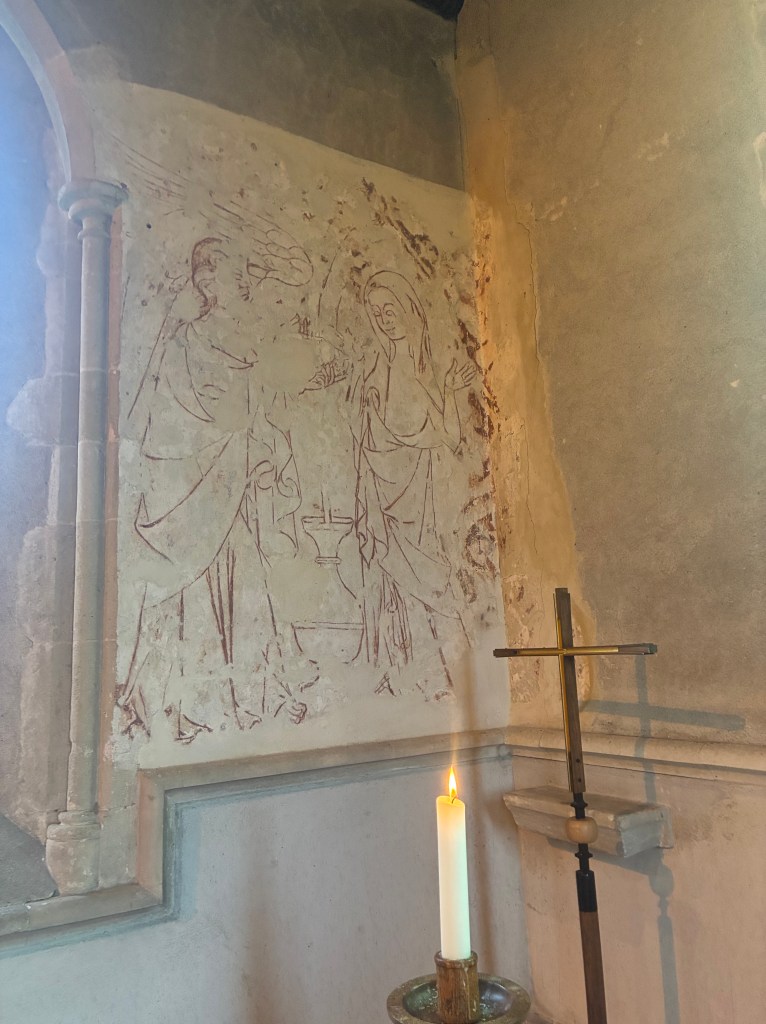
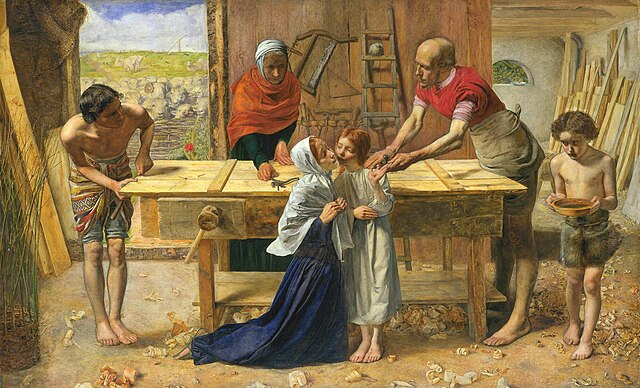
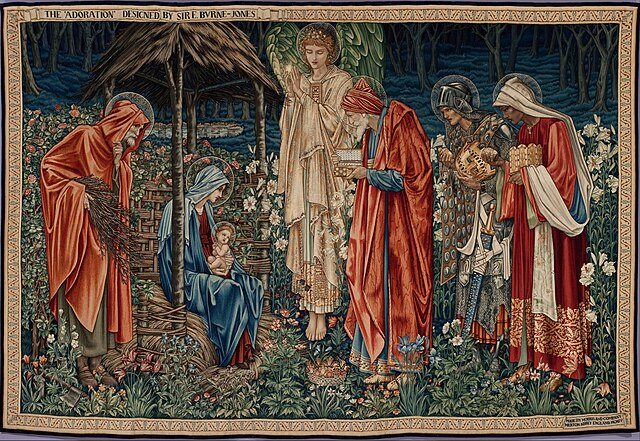
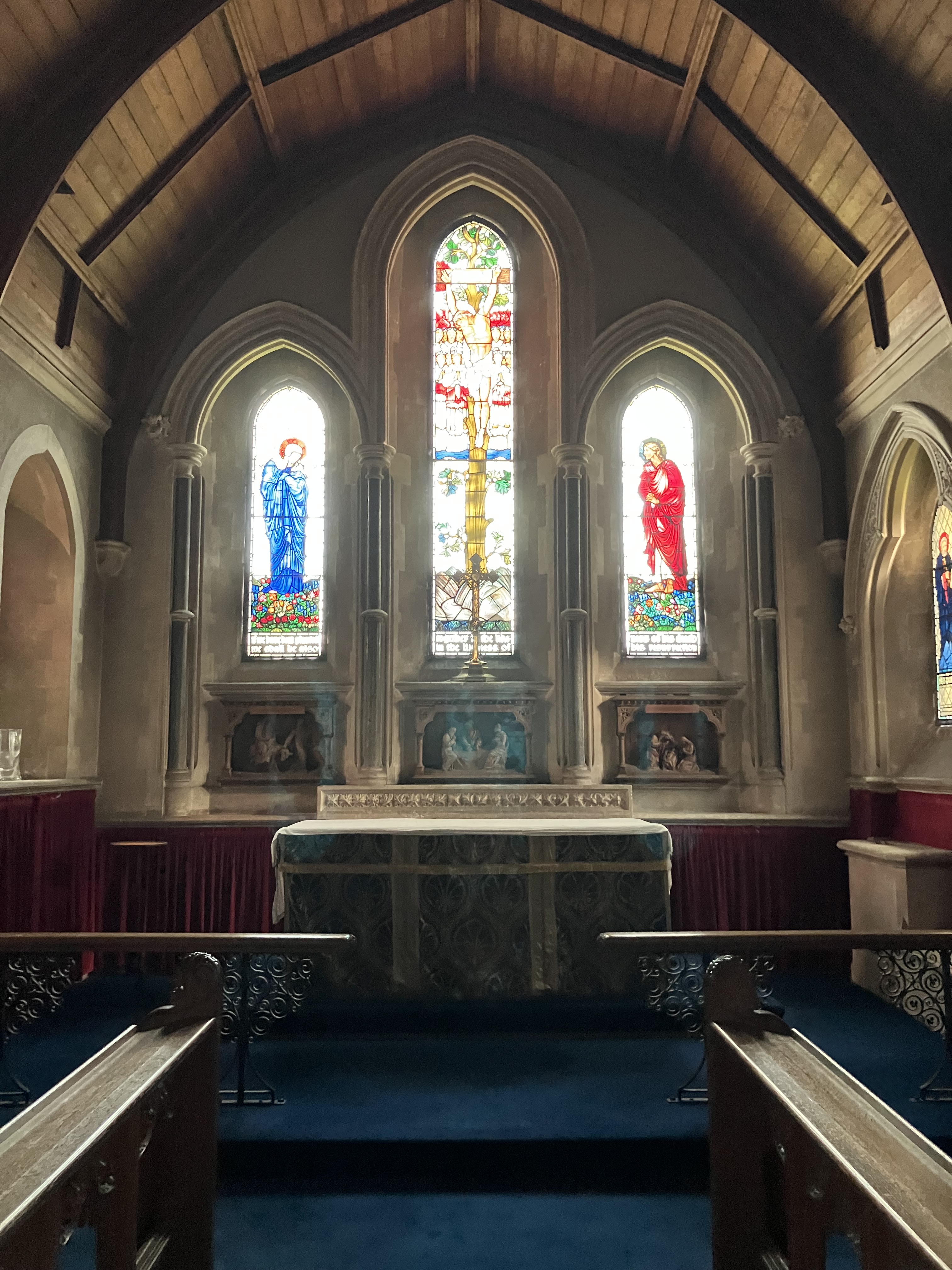
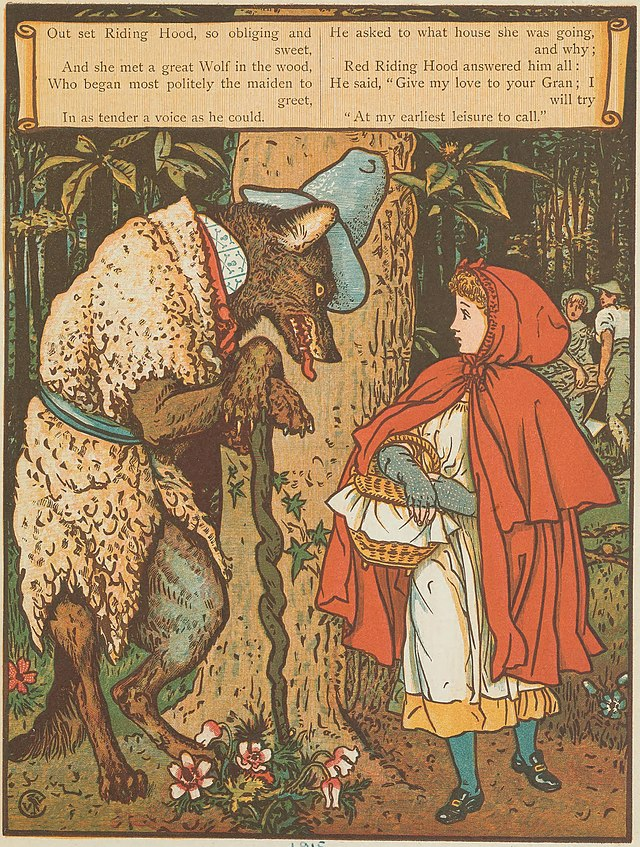
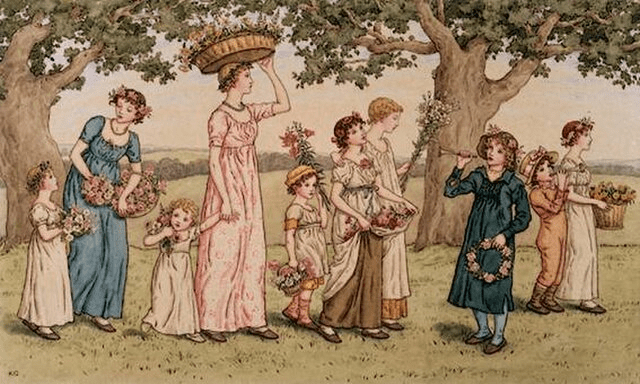
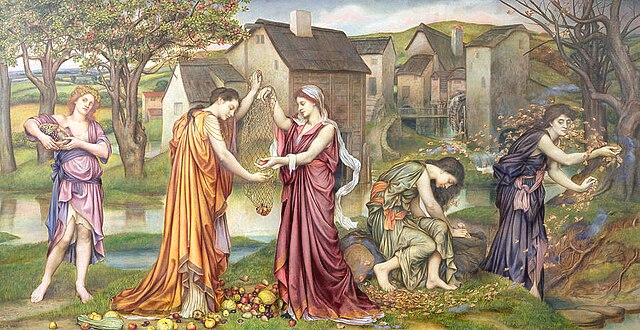
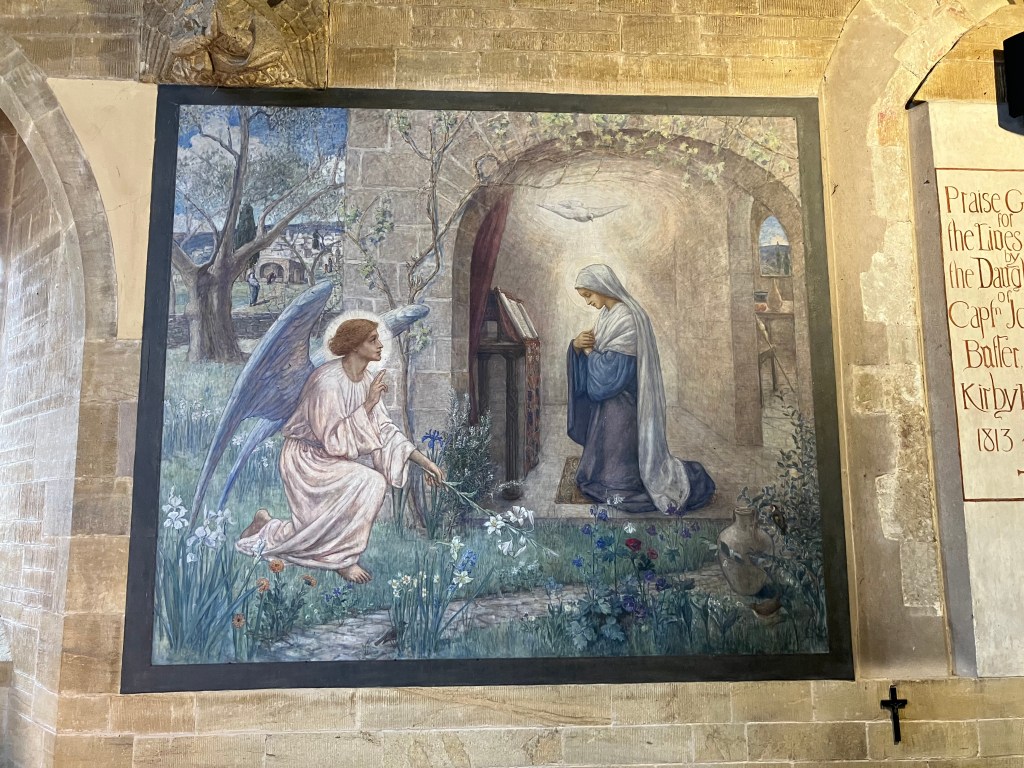
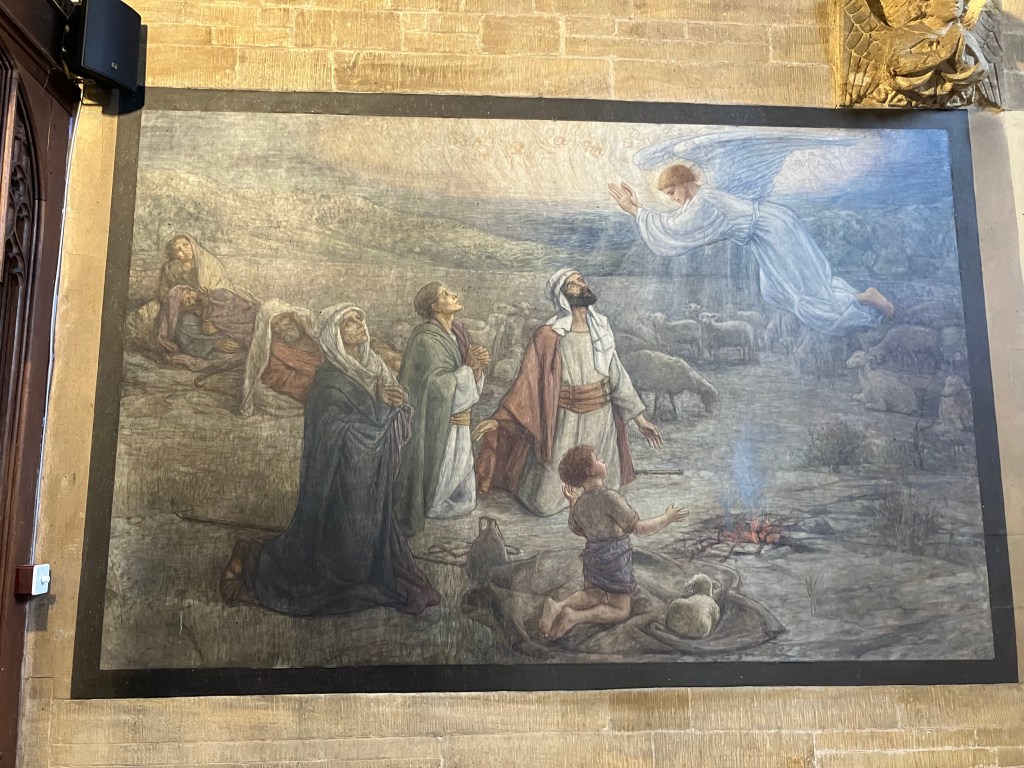
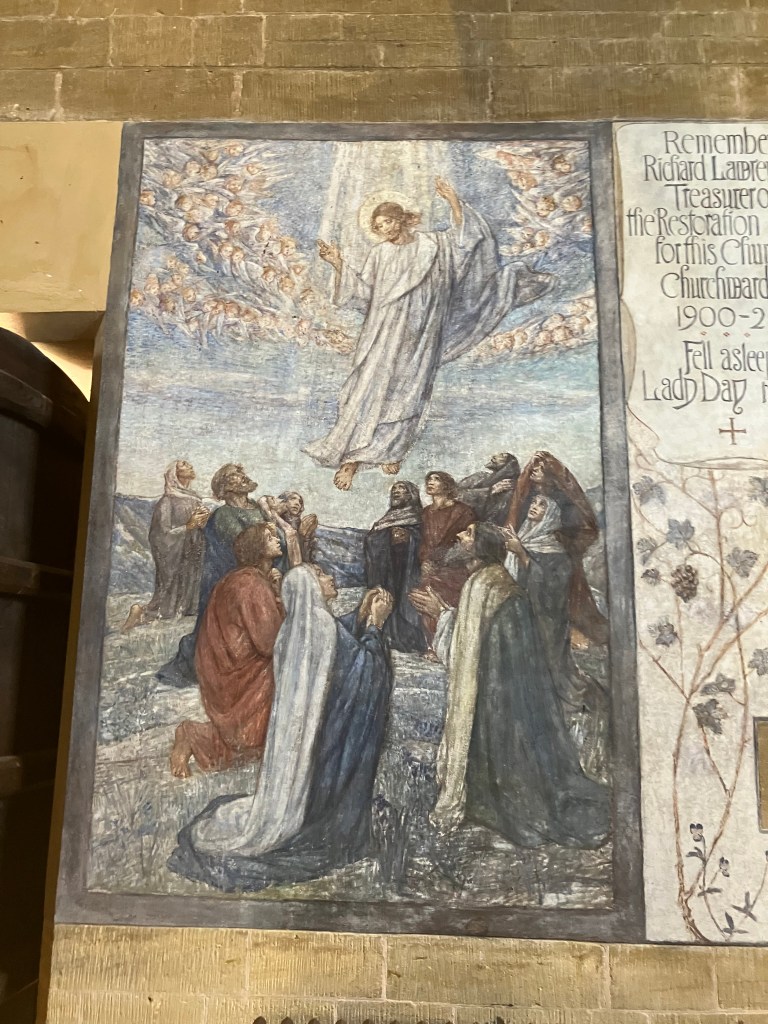
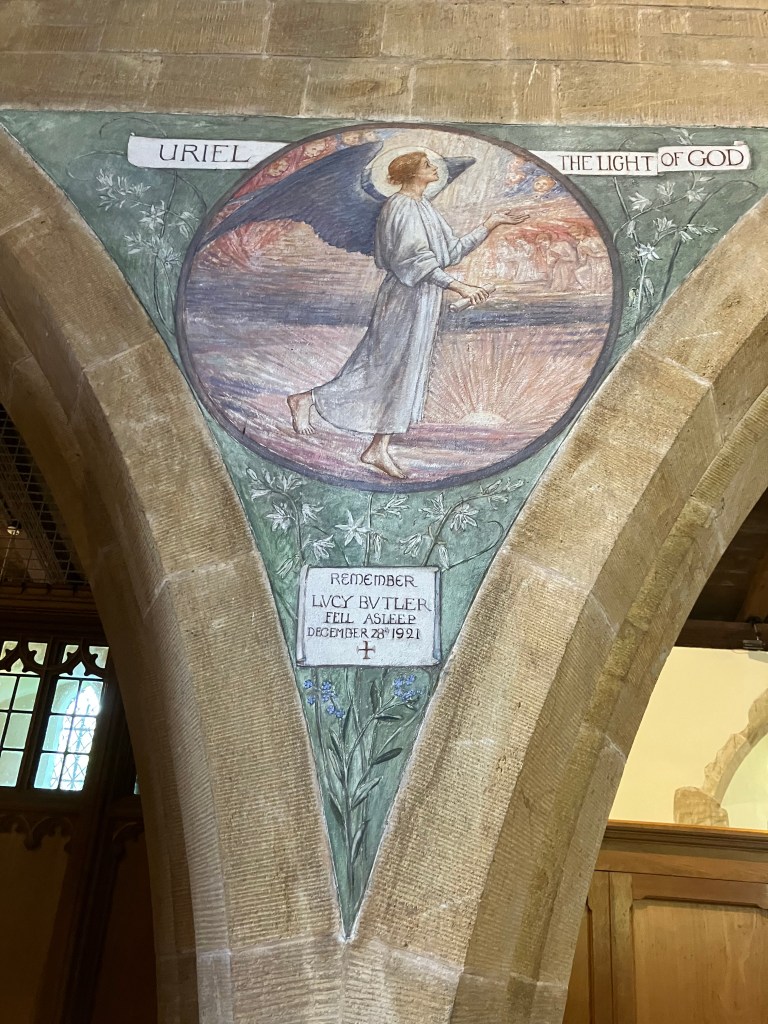
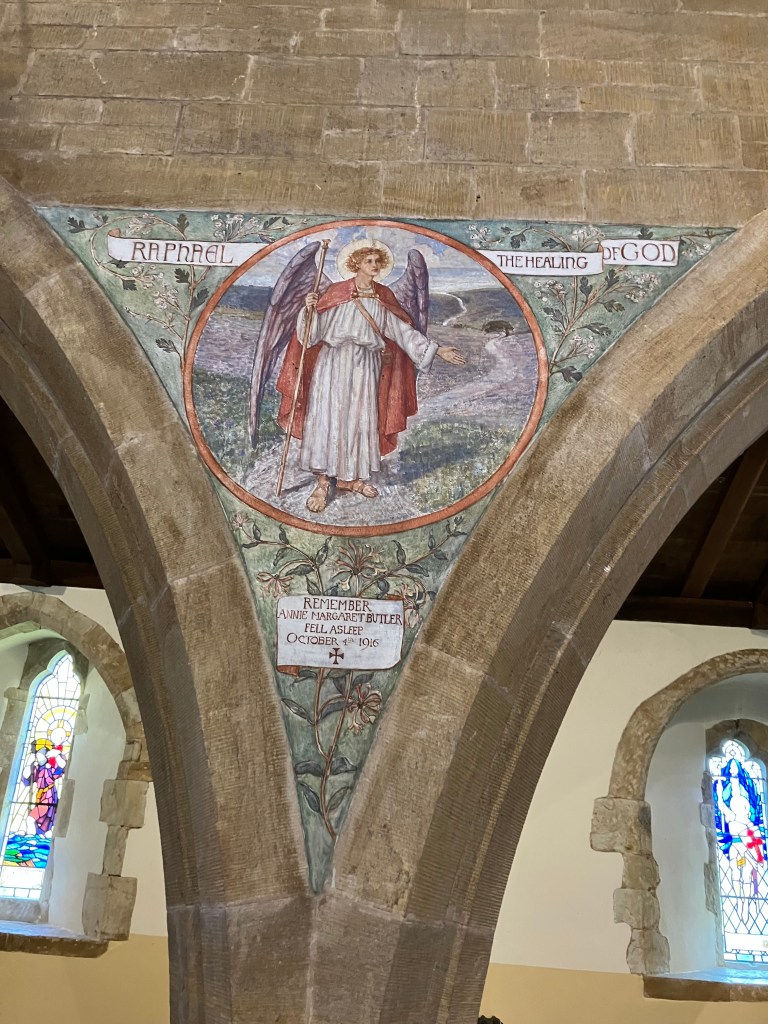
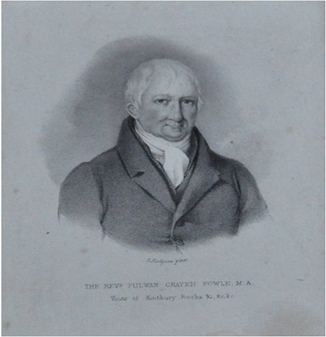
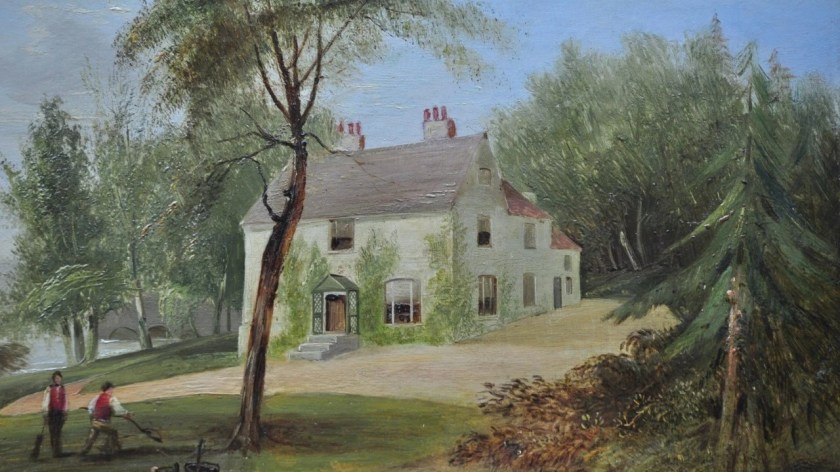
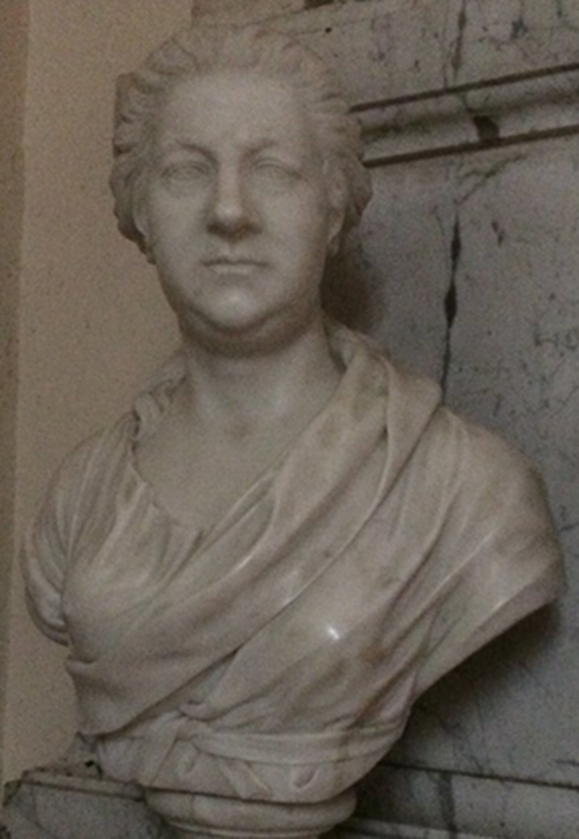
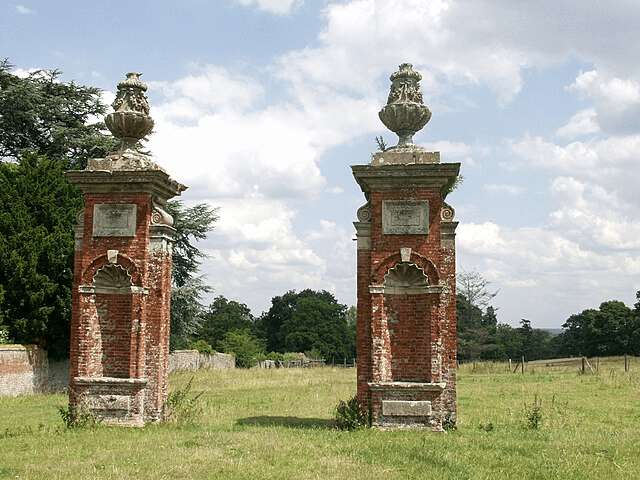

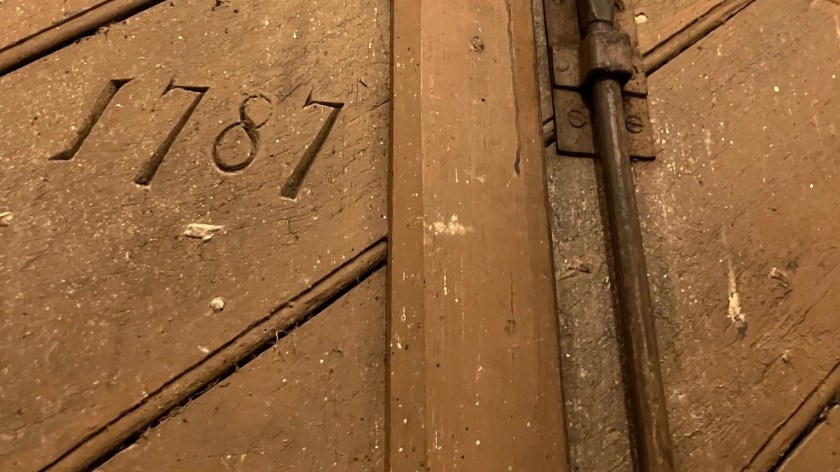
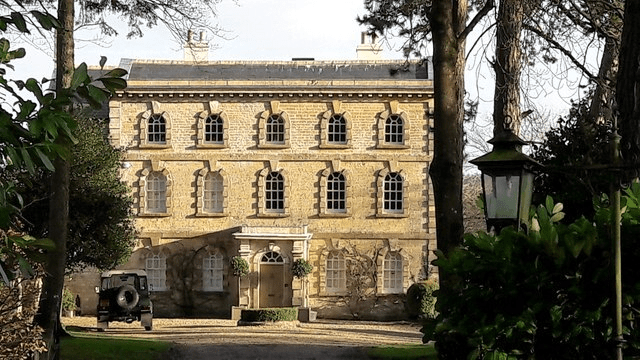
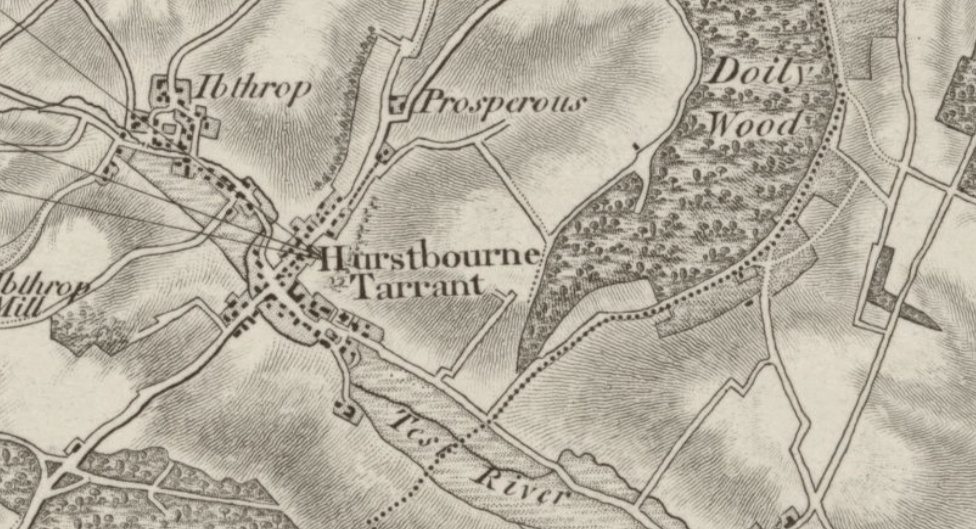
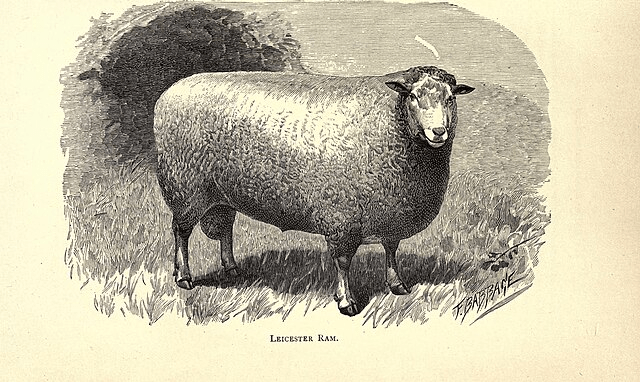
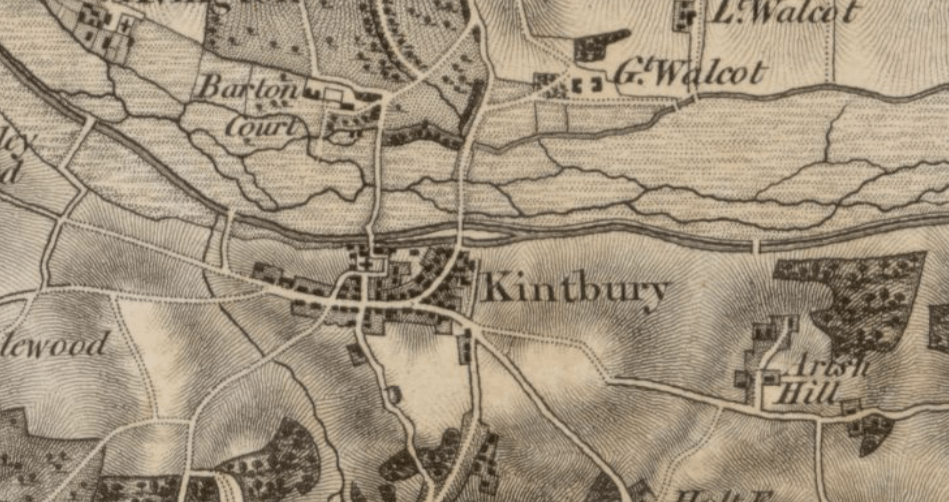


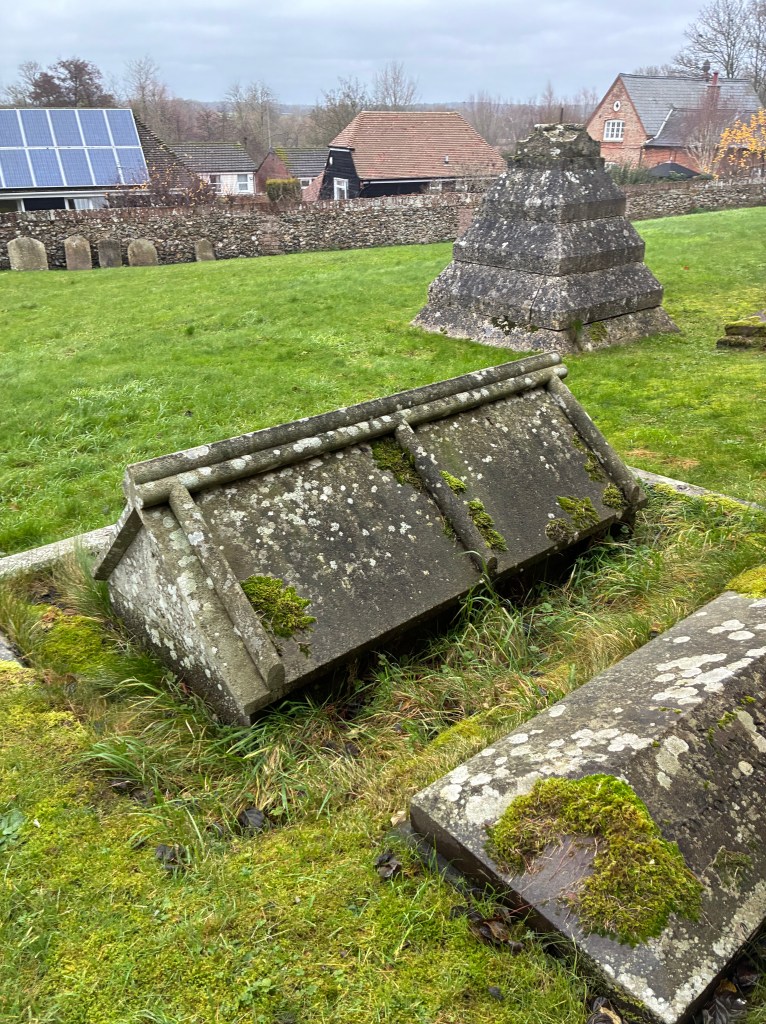
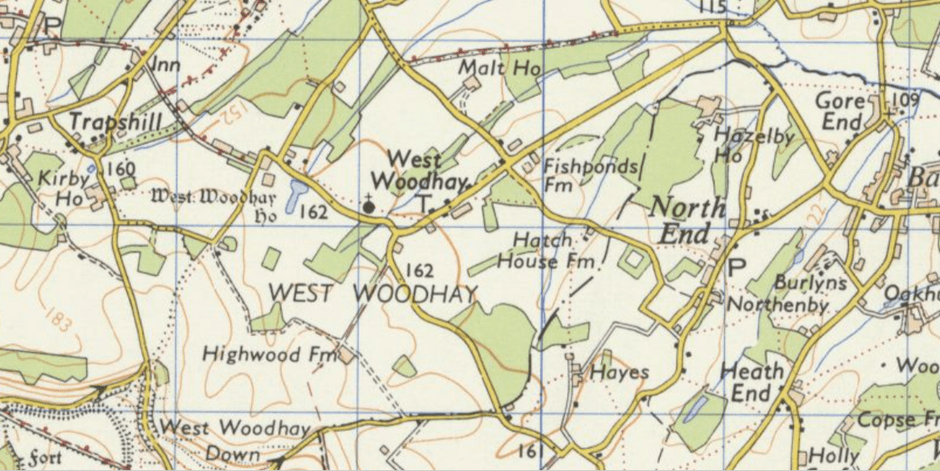

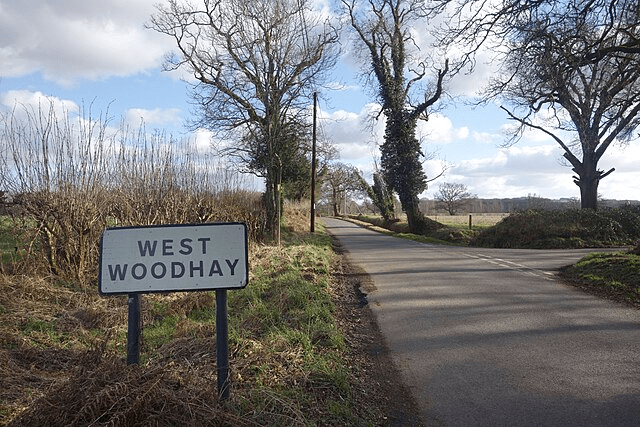

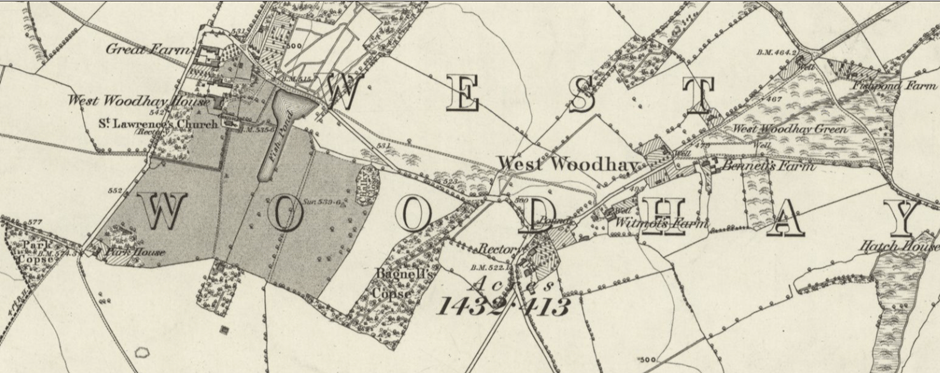
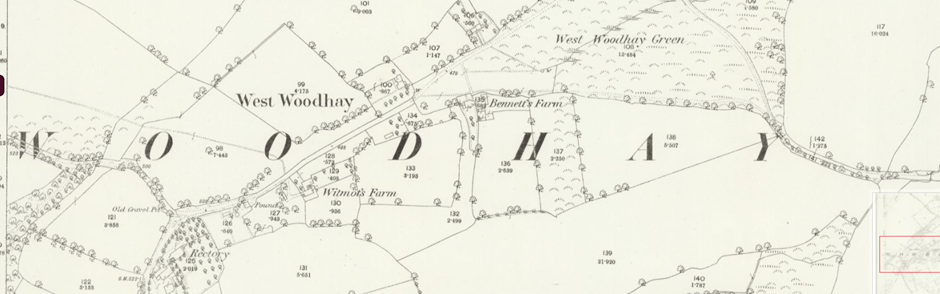
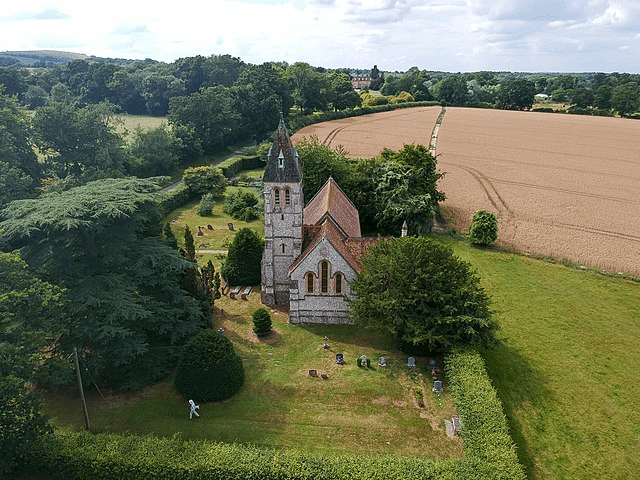
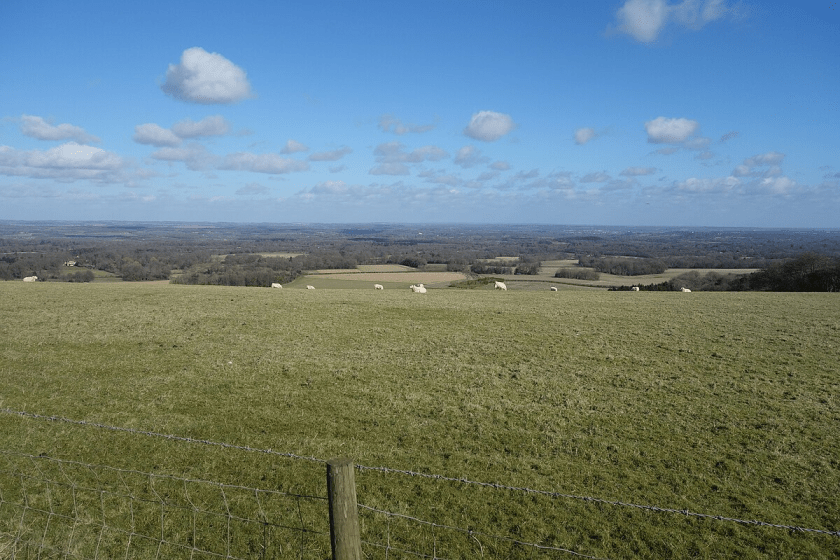
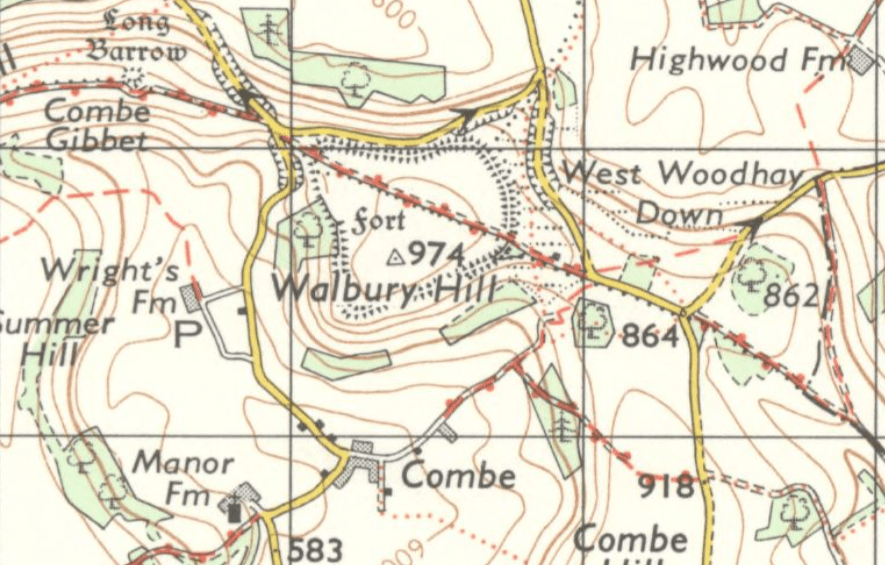


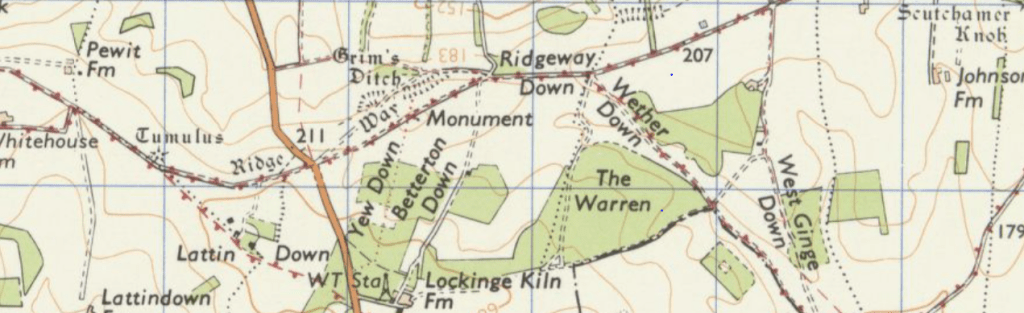


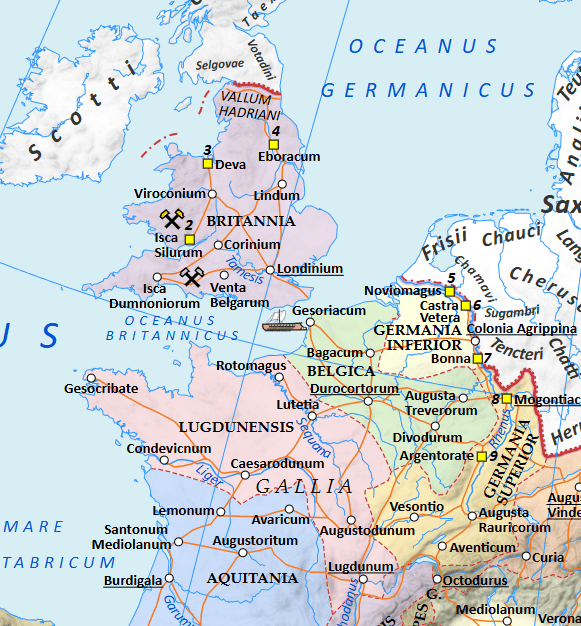


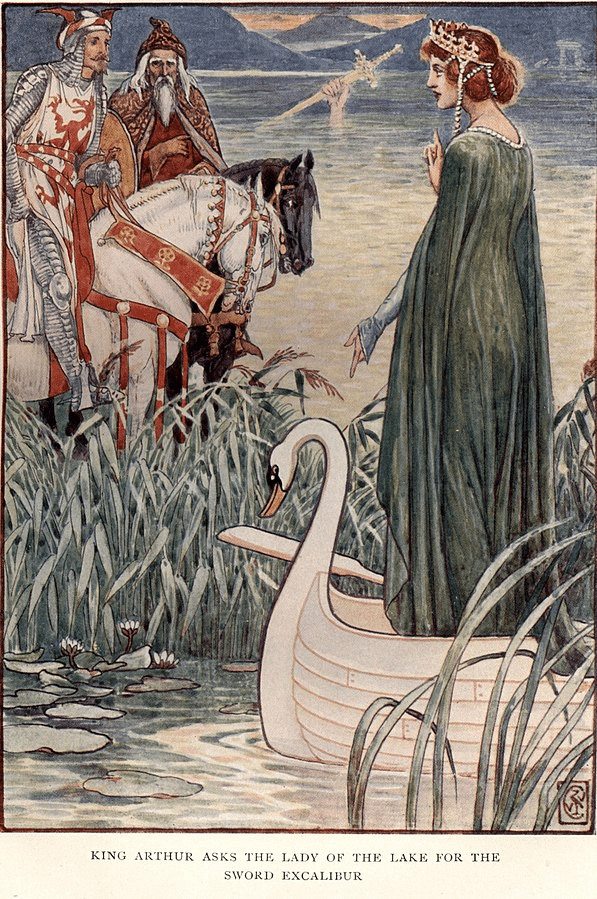

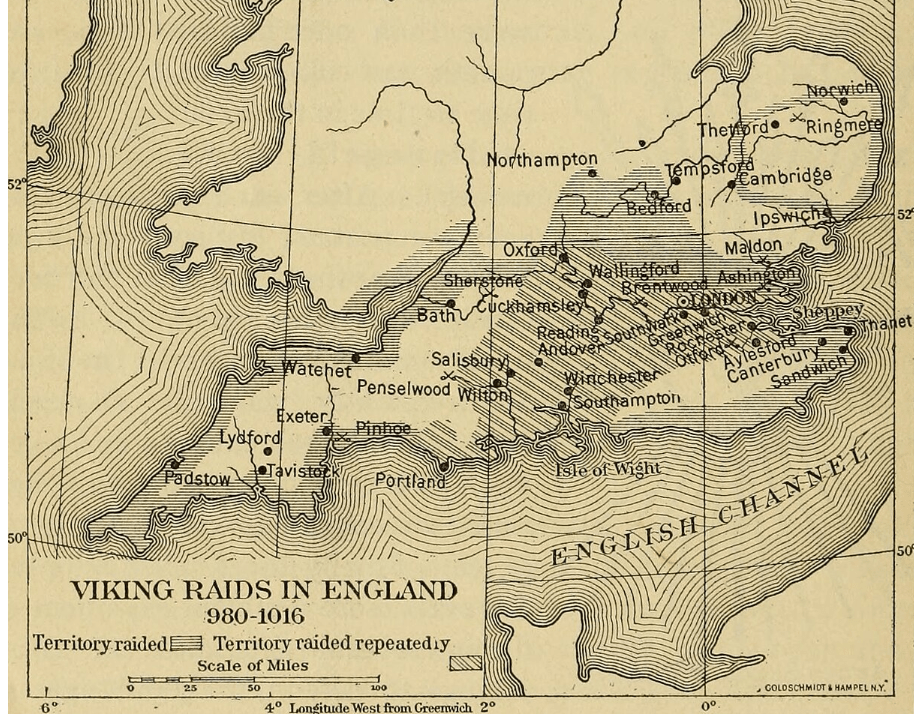
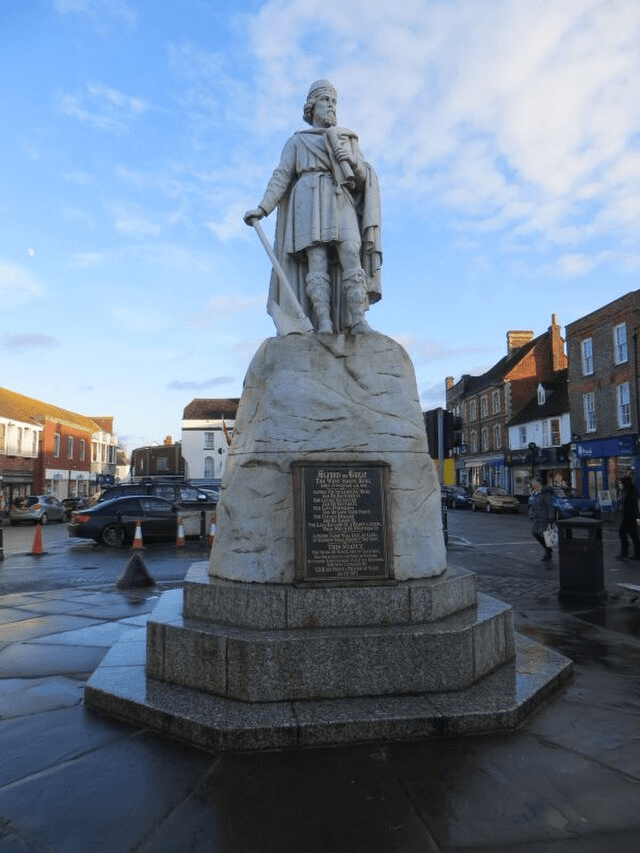
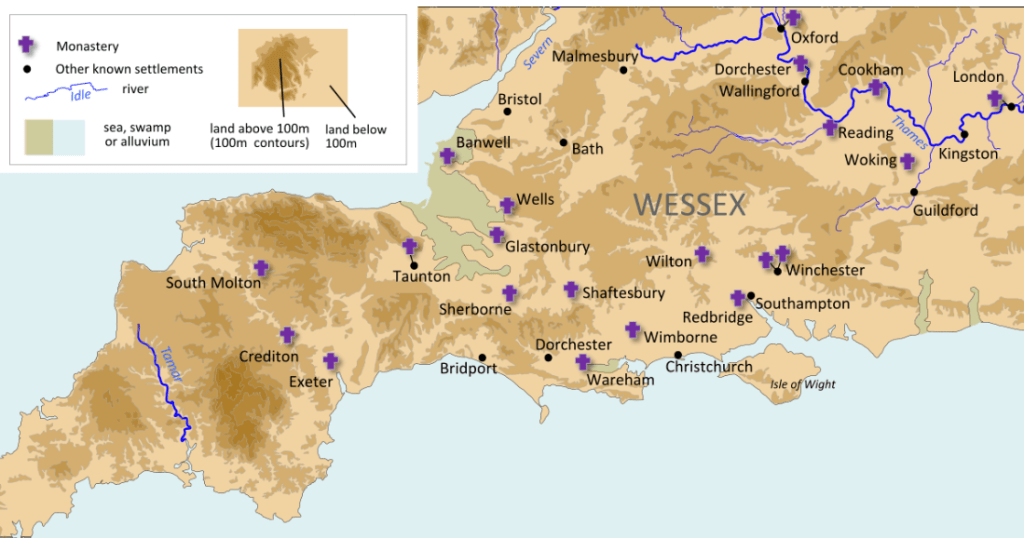
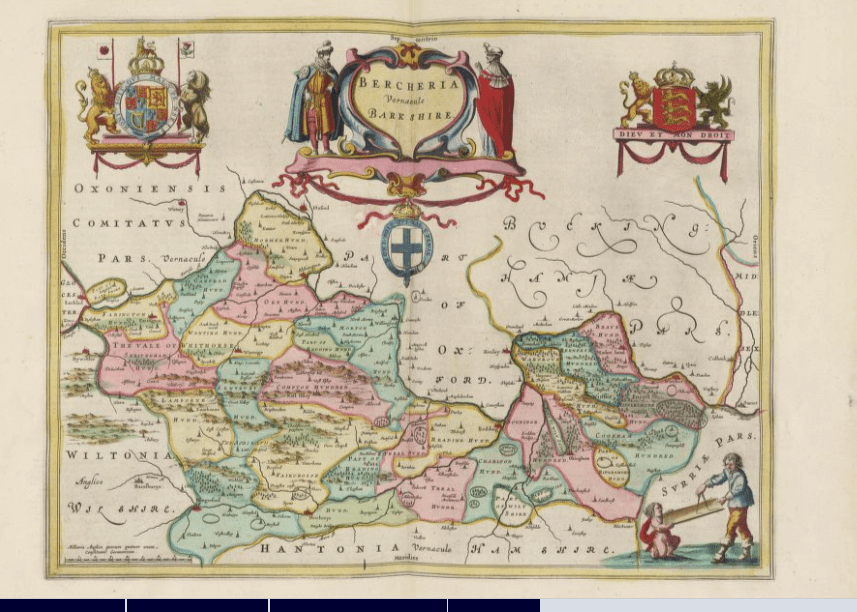


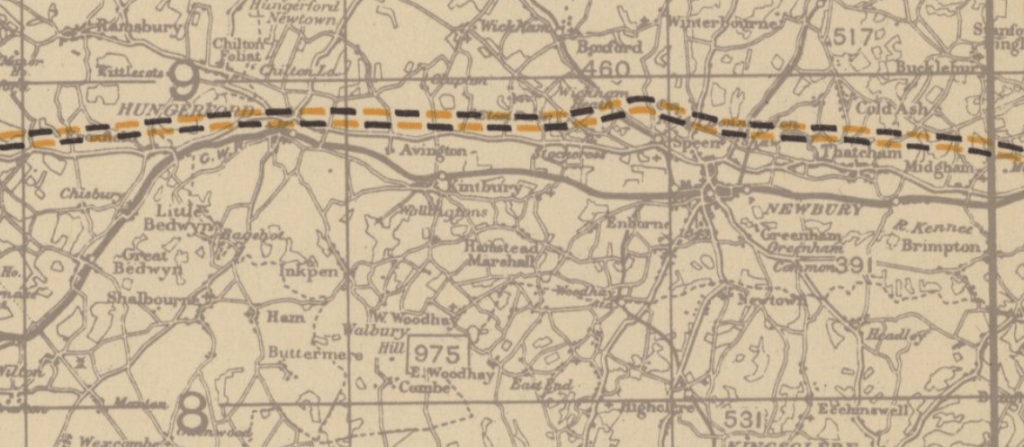
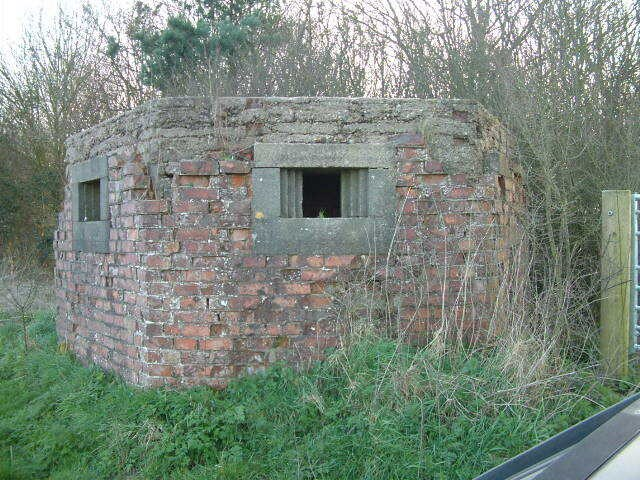
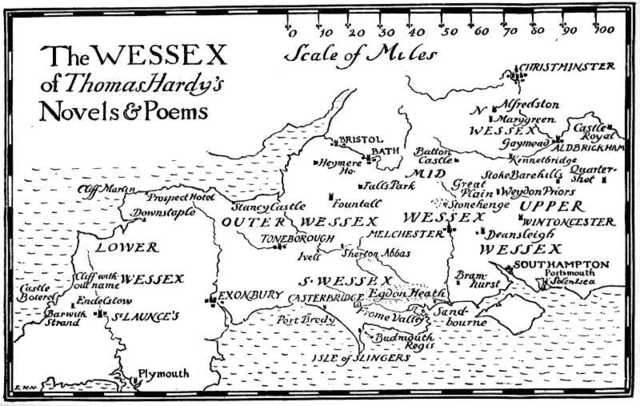
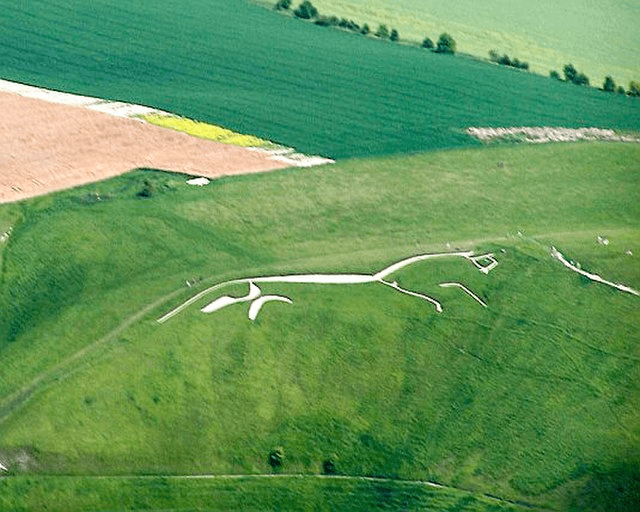

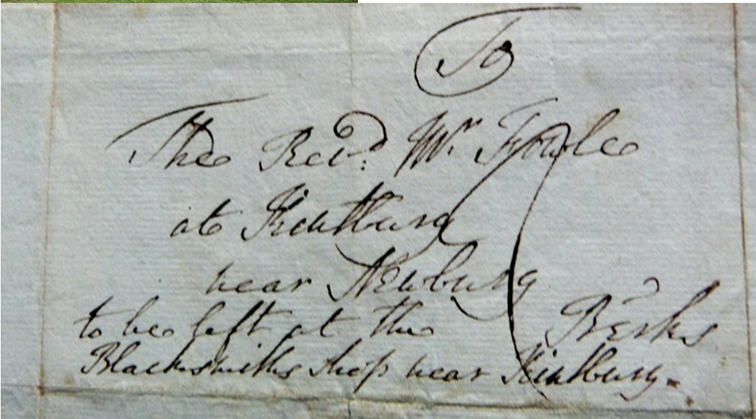
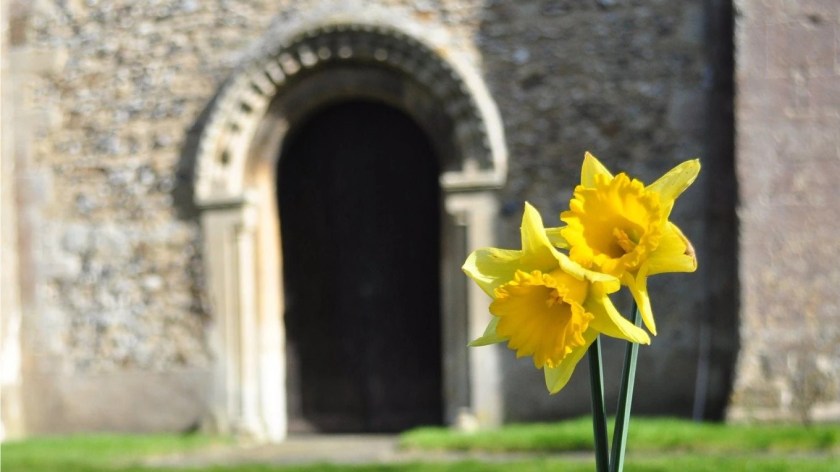


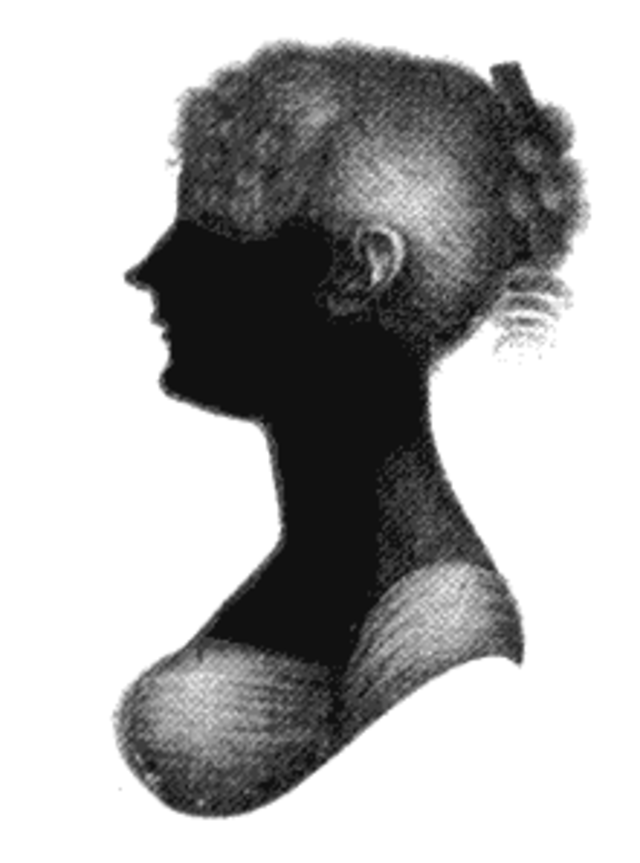
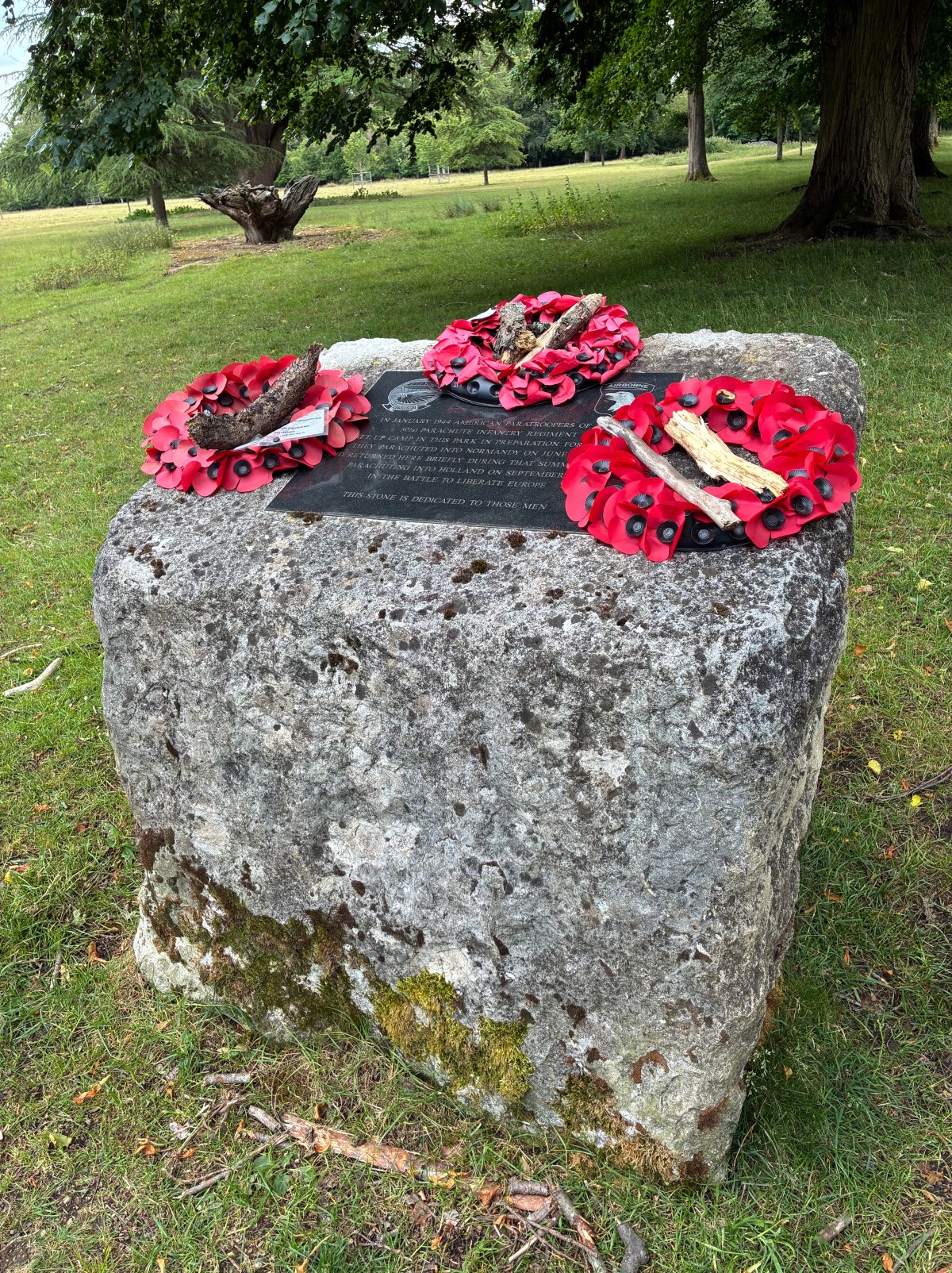
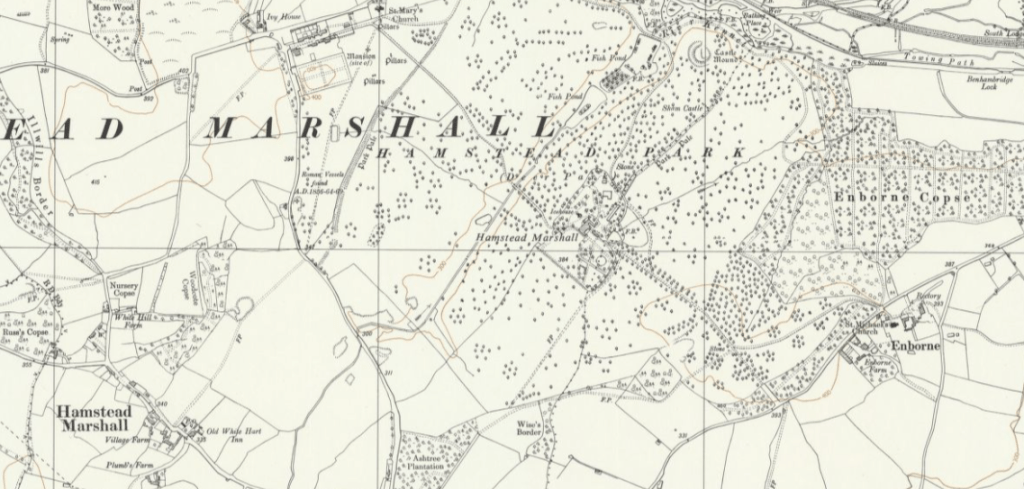

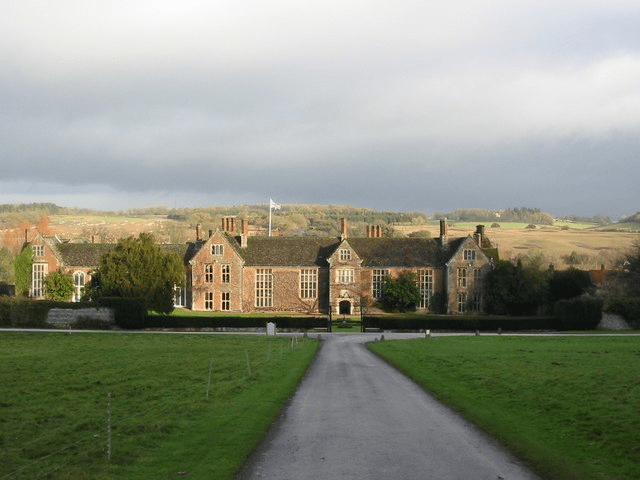

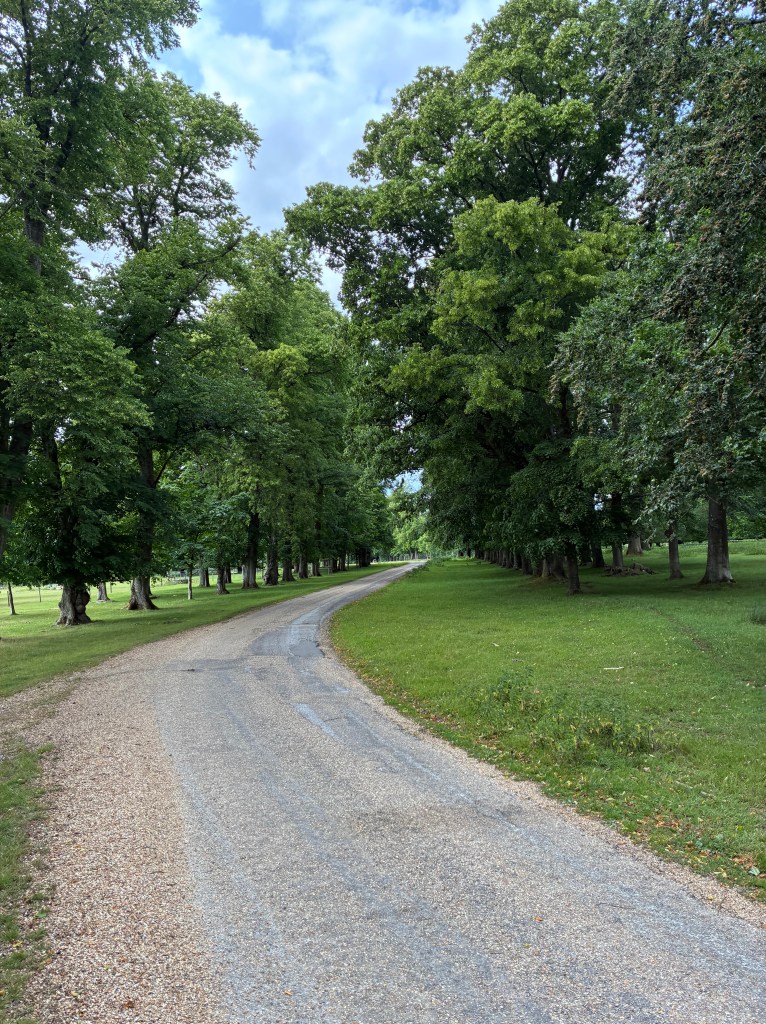
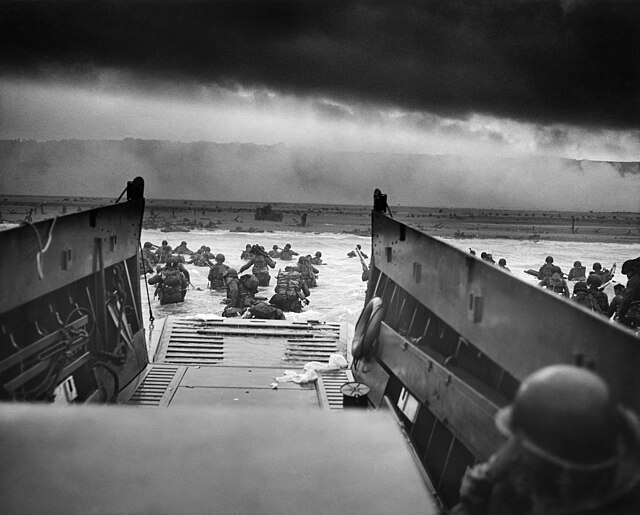
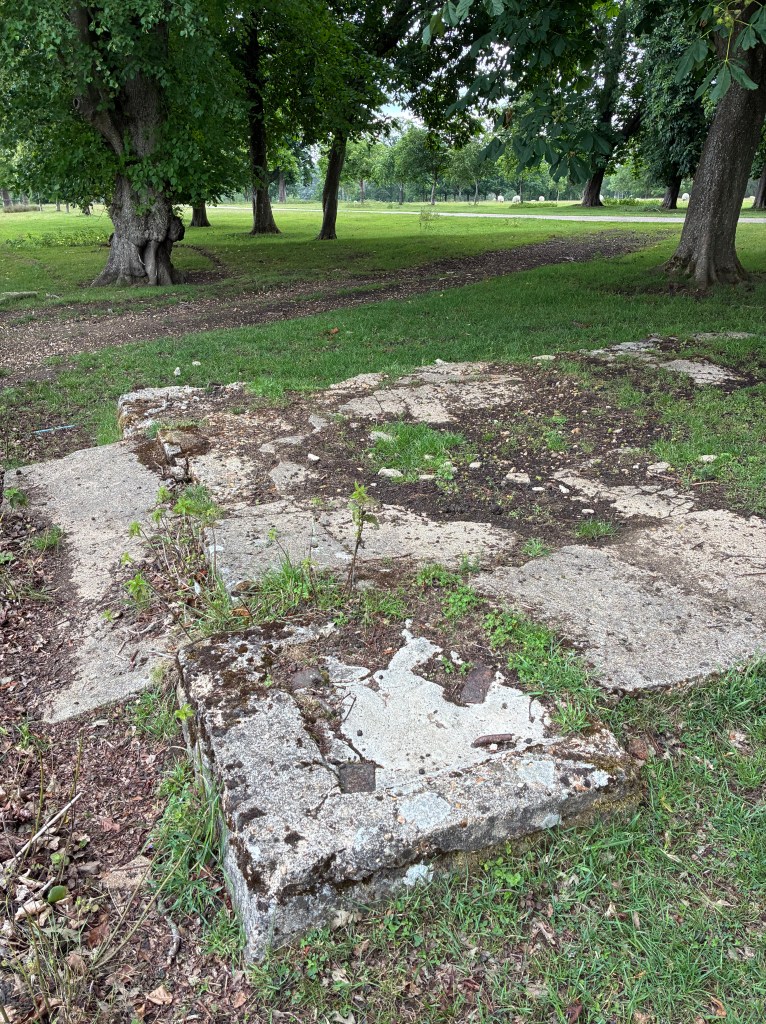


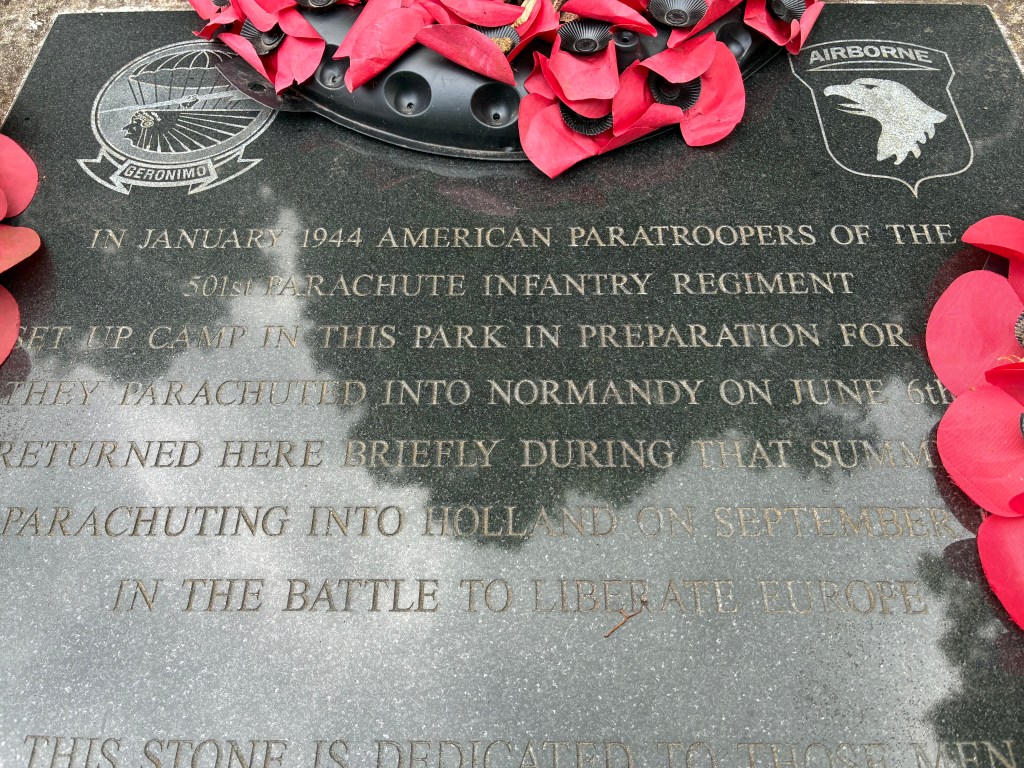
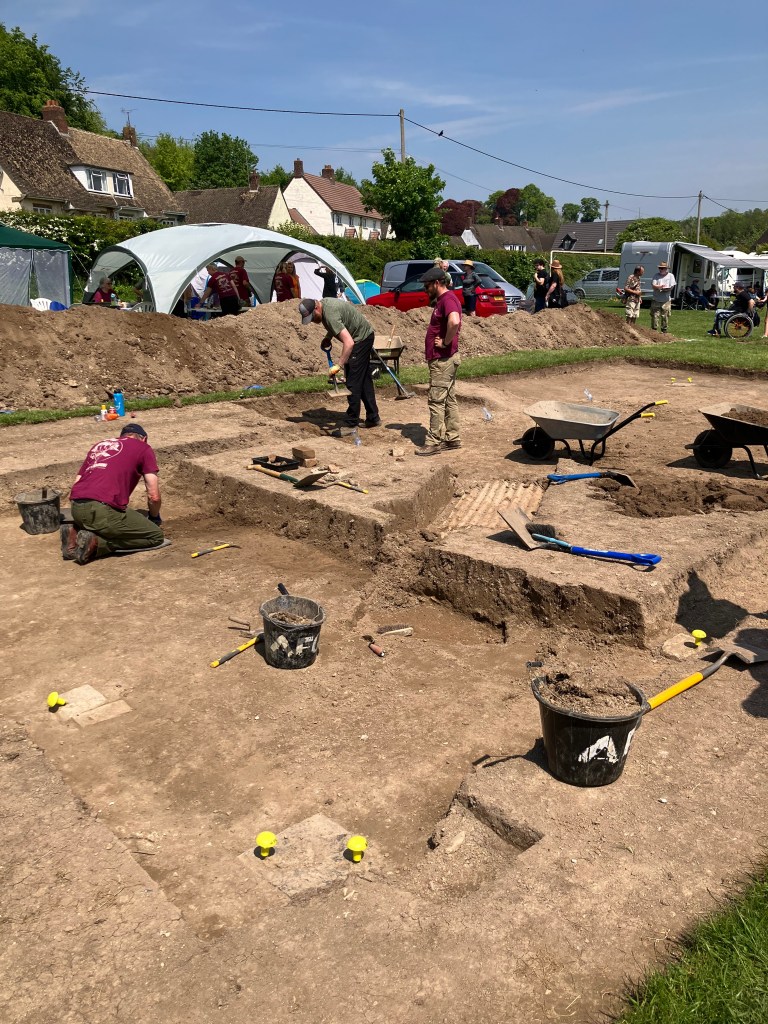
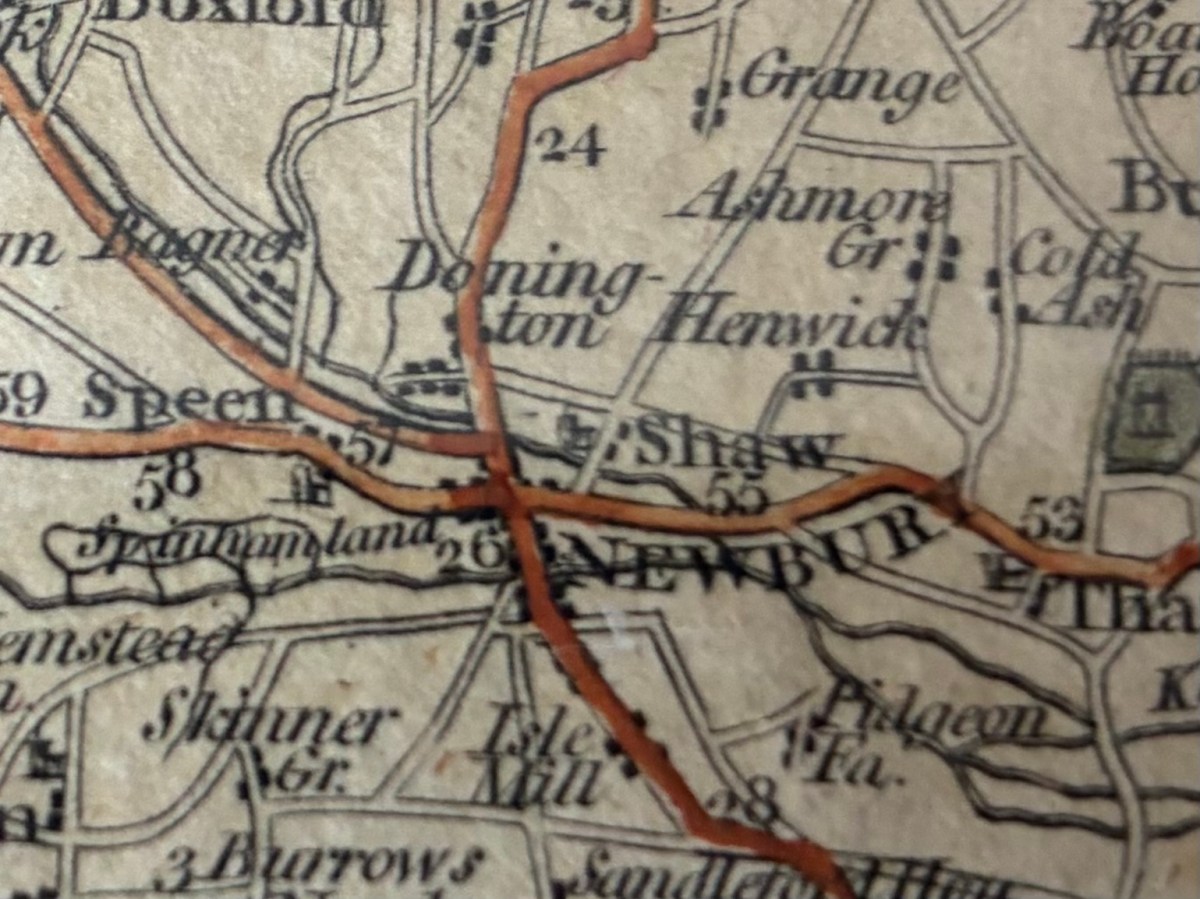
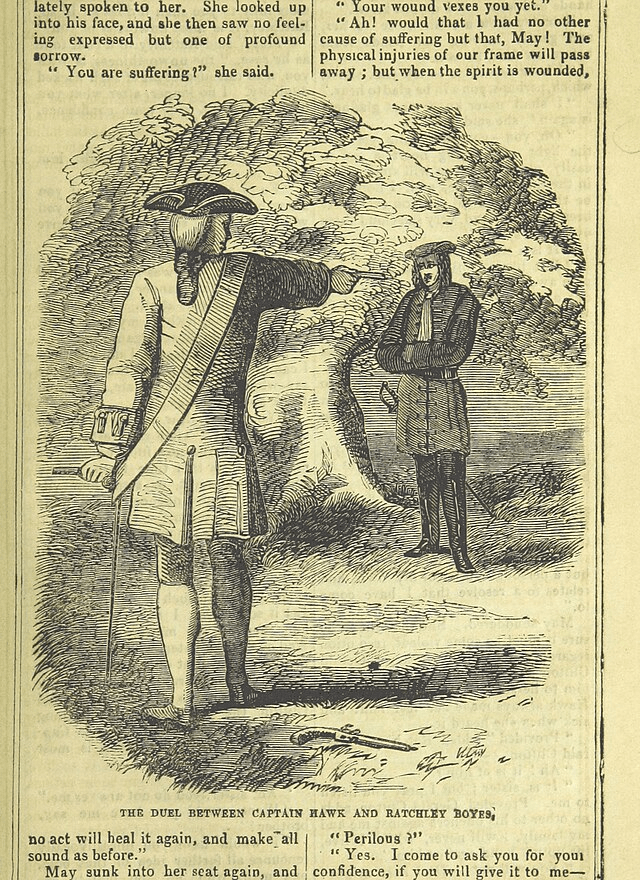

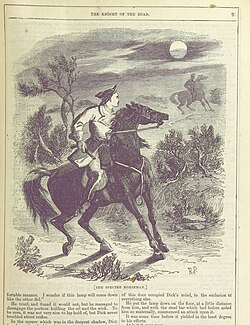

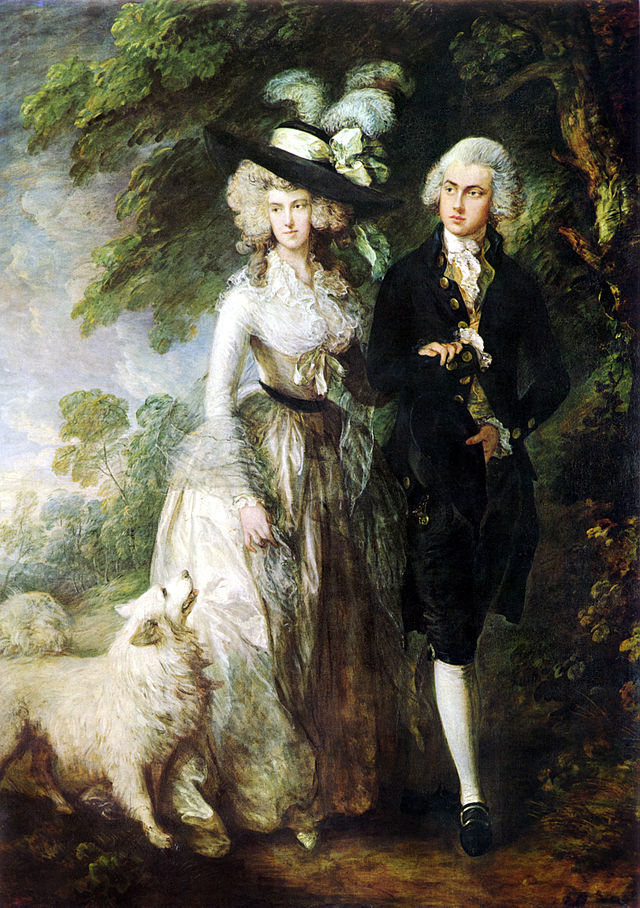
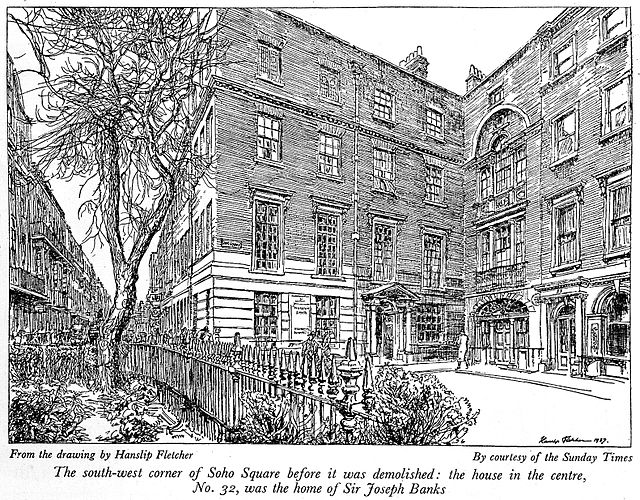
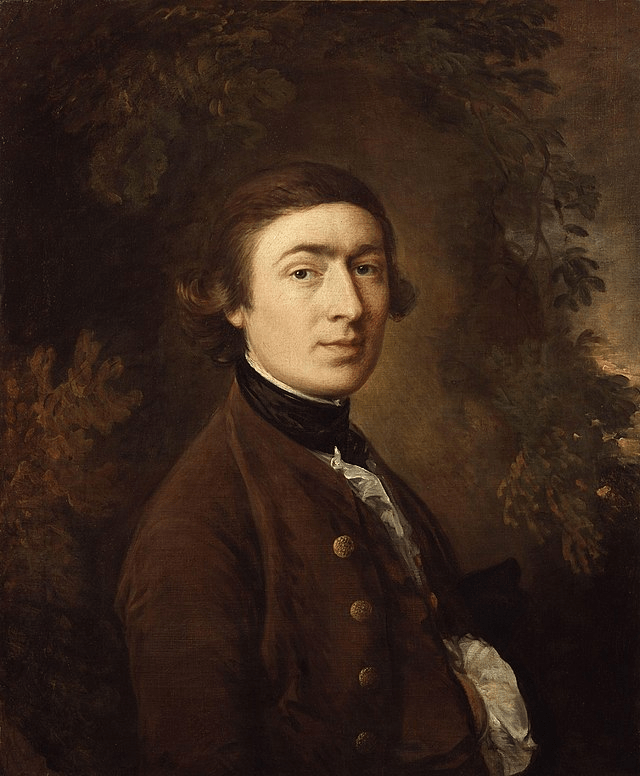
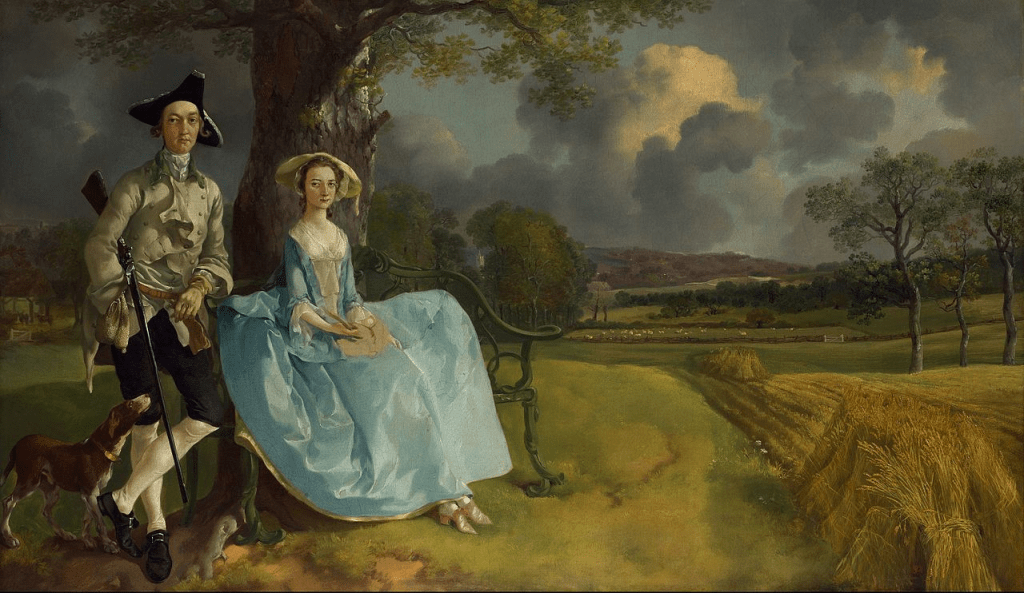
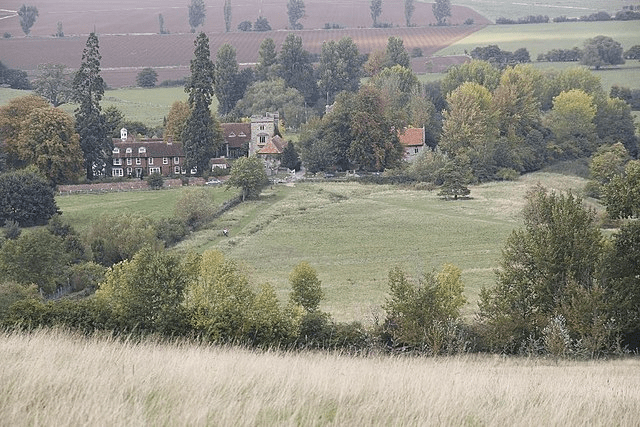

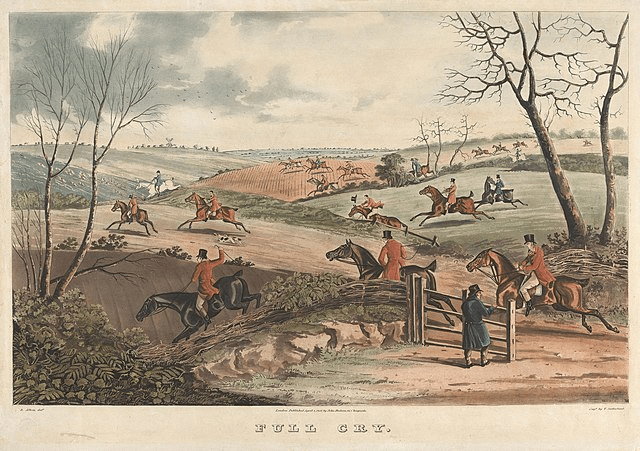
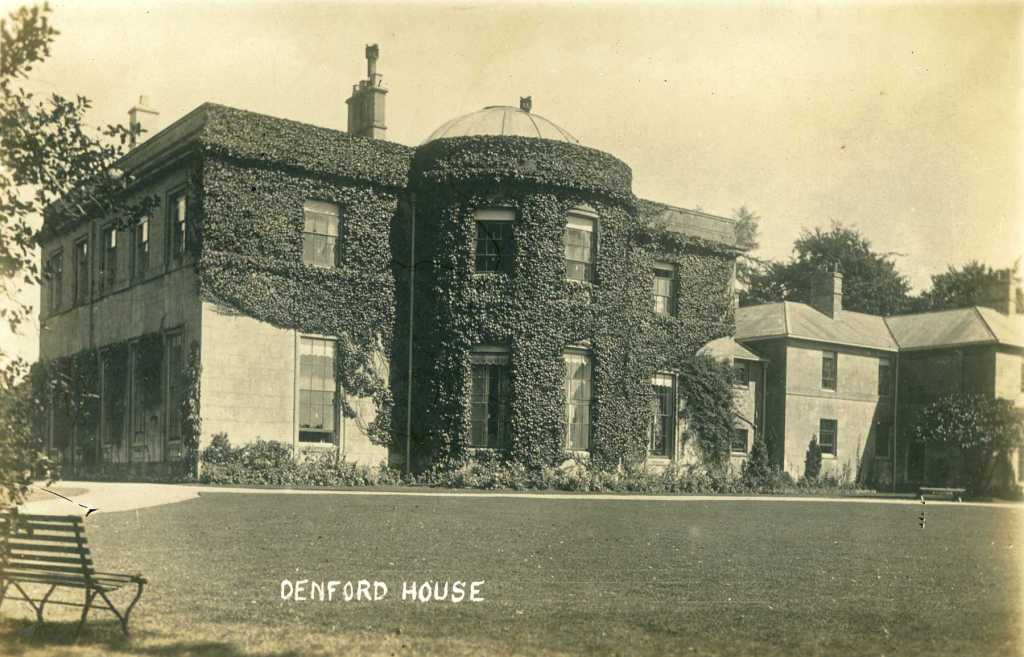
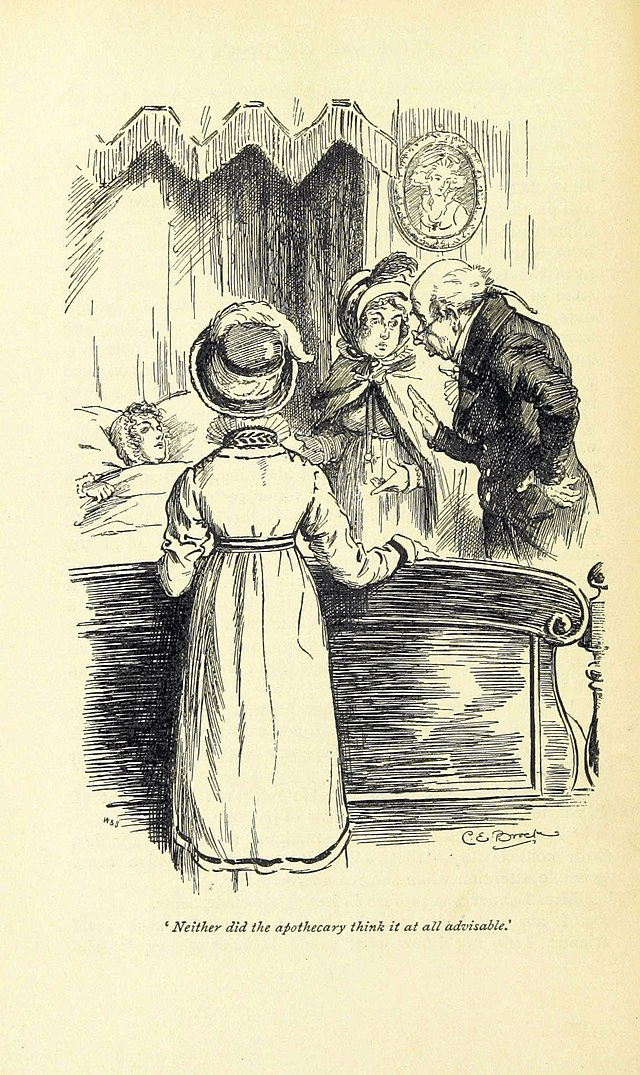

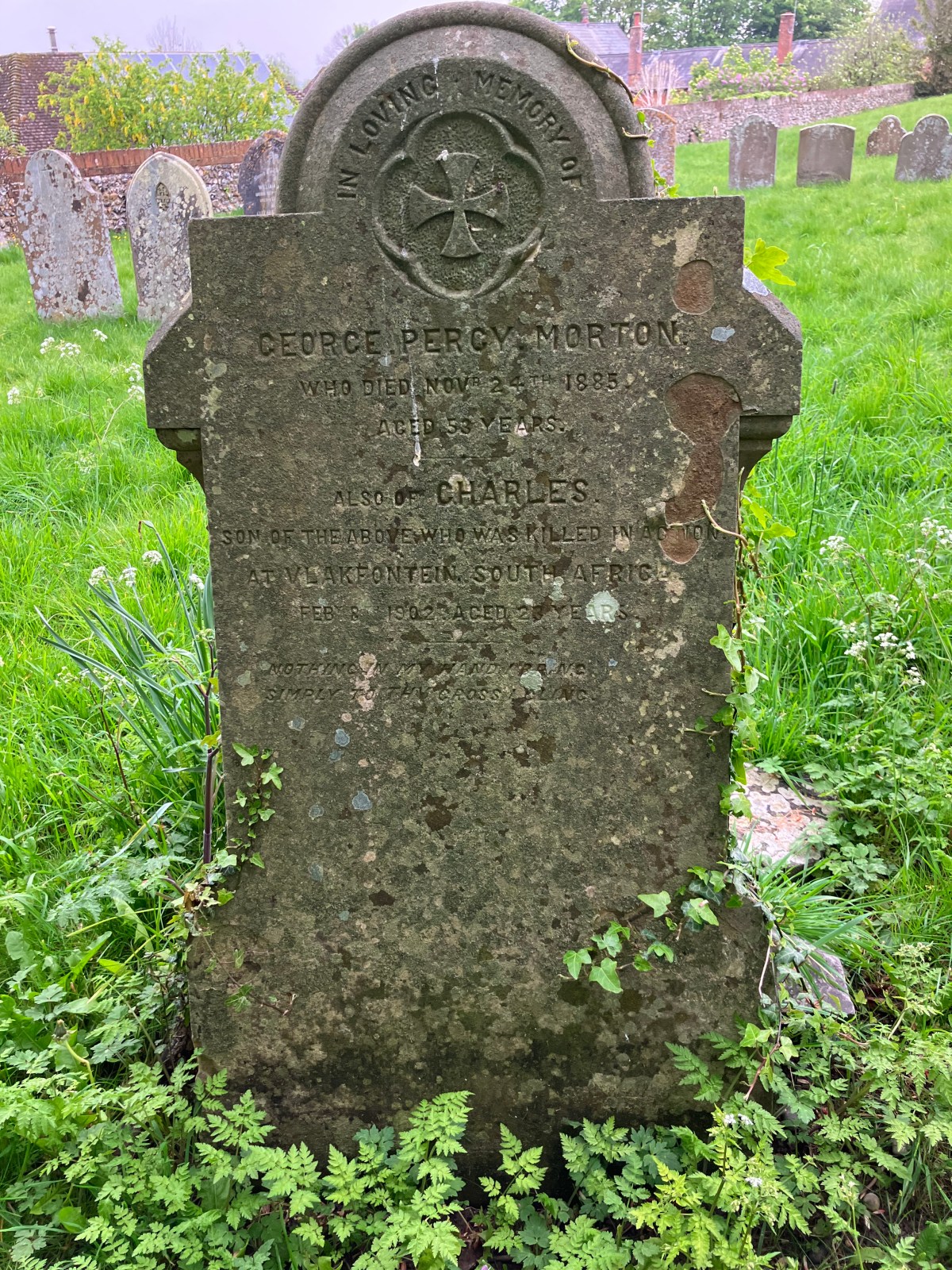
 Kintbury and Beyond