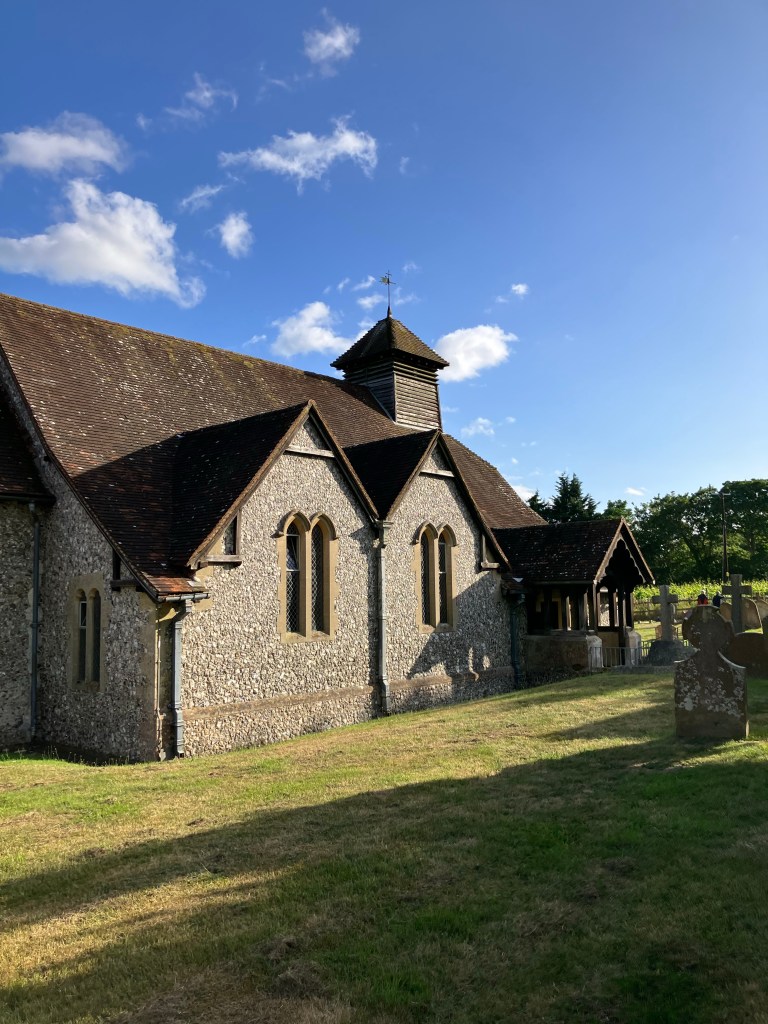
The church of St Michael & All Angels, Enborne is situated in what must be one of the most peaceful and picturesque corners of West Berkshire. The view from the back of the church looking south, is across farm and woodland to the distant Beacon Hill just over the border in Hampshire. It’s a view that, surely, has not changed much over centuries.
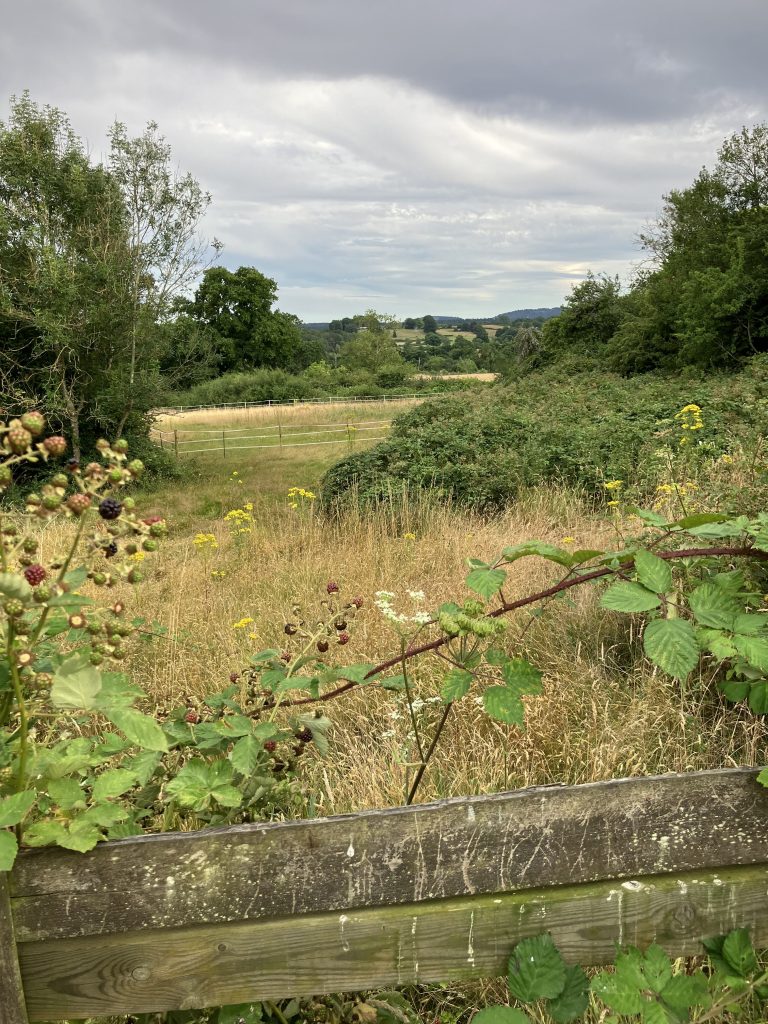
In the September of 1645, however, the view south across the churchyard was not a peaceful, pastoral one, but of a battle.
It has to be likely that, in the early 1640s, many of those living in the villages to the west of Newbury would have been little bothered by what had been happening in London, in Parliament, or between the wealthier classes. Charles I’s accession in 1625 meant a different head on the coinage, if you were lucky enough to see some of it. However, many who took an interest in these things felt this new monarch heralded a more optimistic period.
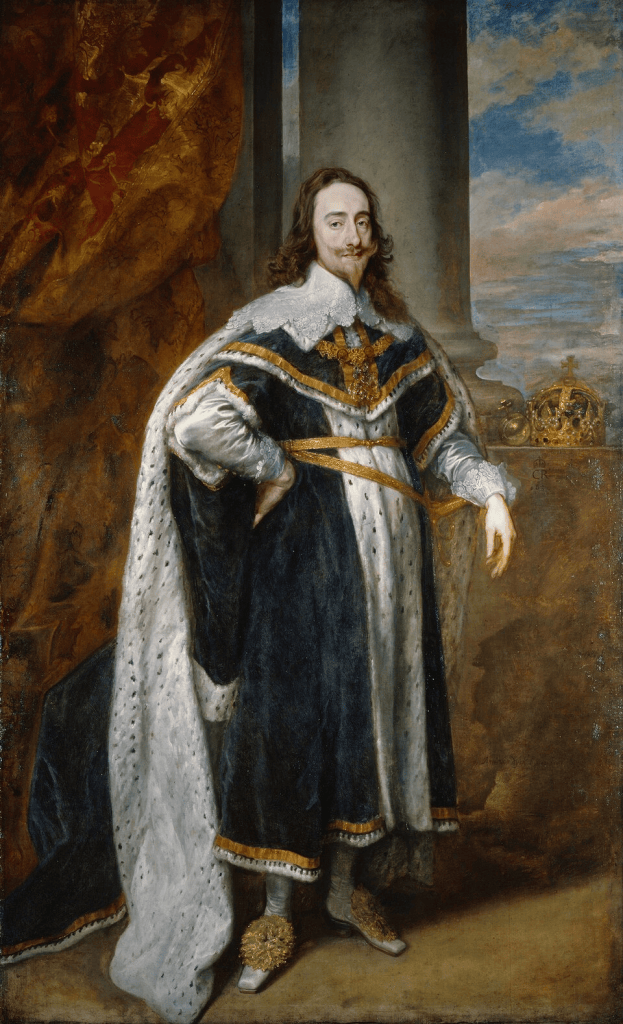
Some were concerned because his wife, the new Queen, Henrietta Maria, was of the Roman Catholic faith leading them to suspect that the new King was sympathetic to Catholicism and the views of the Pope in Rome, too. England was now a largely Protestant country and many people believed the Catholic faith was a threat. But for now, that could be put to one side.
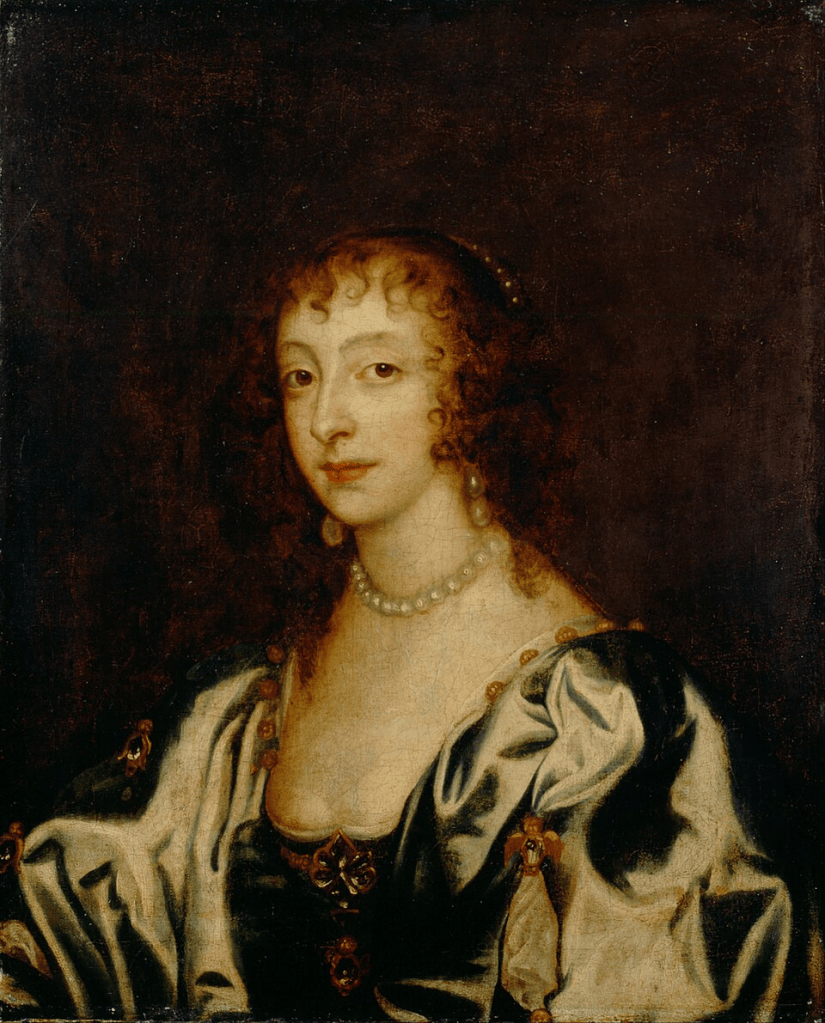
However, the optimism was not to last. Many of those closer to Charles found him a difficult person to work with and this problem was exacerbated by the fact that the new King seemed to want to rule without any reference to the will of parliament. As monarch, Charles was not able to raise money through taxation without the approval of parliament and when parliament said no to his requests, in 1642 he tried – and failed – to have certain members arrested.
After this, unsurprisingly, Charles’ relationship with parliament deteriorated rapidly particularly as there were other issues of contention. Inevitably, sides were taken and what had started as a war of words tragically became a war of weapons.
It is easy to caricature the King’s supporters as being wealthier and from the upper classes, High Anglican with Catholic sympathies, flamboyant in their dress and with ready and available armaments and the ability to mobilise easily.
By contrast a caricature of a Parliamentarian would be a non- conformist, soberly dressed foot soldier from the less wealthy sections of society and with a distrust of any church which seemed to have Catholic sympathies.
Whilst both these caricatures are true to a certain extent, the reality was much more complex. Many men were drawn into taking sides because of pressure from the influential and powerful in their town or village and there were many families who found themselves with divided loyalties.
Also, it would be wrong to think of all wealthier families as supporting the King. Although the Dolman family at Shaw House were Royalist supporters – to the extent that Charles stayed at Shaw House on the eve of the second Battle of Newbury – the Popham family at Littlecoat House near Hungerford were Parliamentarians.
Unlike, for example, World War I, in which the Allies were defending the Western Front, there was no “front” as such in the English Civil War. Instead, troops found themselves defending or attacking towns and cities across the country and the pattern of warfare became complex and confusing.
By August 1643, King Charles had taken siege of Gloucester in an attempt to take control from the Parliamentarians. However by early September he was defeated by the Parliamentarian Earl of Essex who subsequently set out to return to London whilst avoiding the Royalist troops in Oxford.
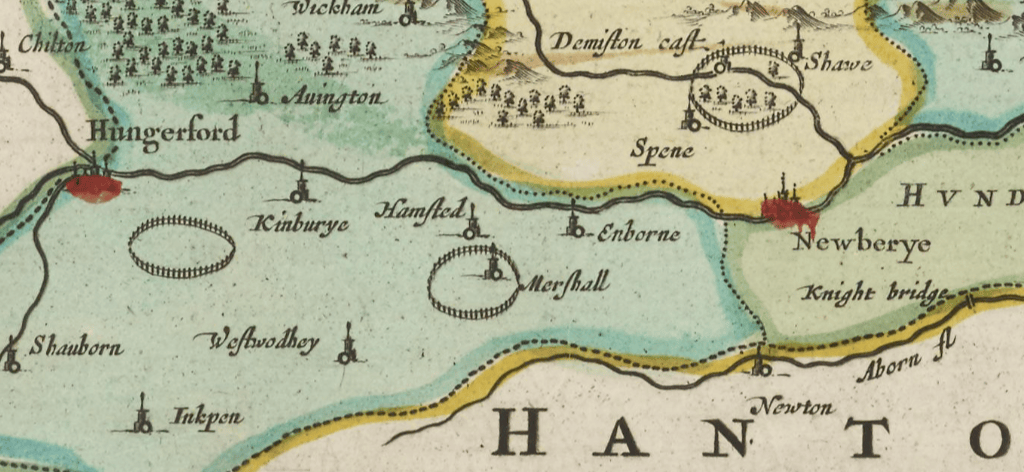
Essex’s route took him through Cirencester, reaching Swindon on September 17th. From there he intended to take the road now known as the Bath Road or A4, skirting Hungerford slightly to the north and on to Newbury. However, when it became clear that this route could be strategically unsafe, he decided to cross the Kennet at Hungerford and march his troops along the narrower lanes eastwards through Kintbury and Hamspead Marshall.
The weather was extremely wet and the narrow lanes deep in mud. For the unsuspecting inhabitants of Kintbury, the sight of hundreds of weary, wet and mud-splattered soldiers marching through the village and up Newbury Street must have been terrifying.
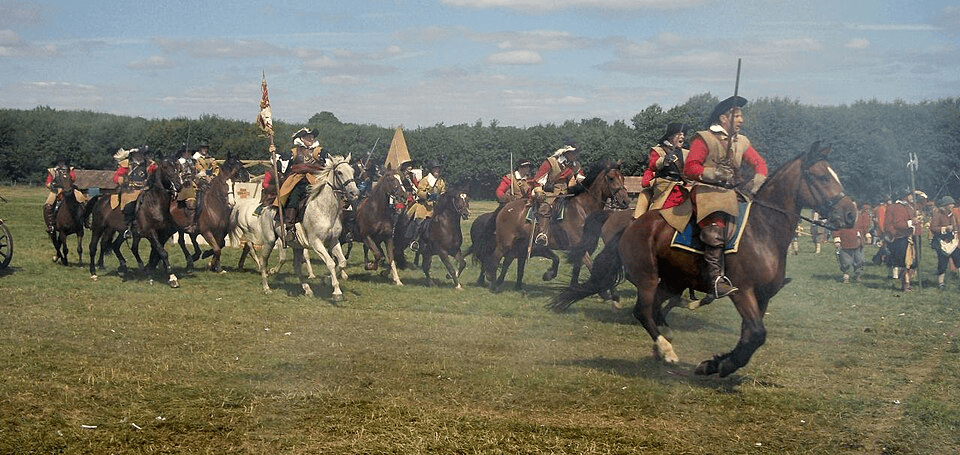
Tim Sheerman-Chase
Creative Commons Attribution 2.0
The Parliamentary Quartermasters rode on into Newbury where they were well received by townspeople who had prepared food and lodging for the troops. However, Charles’ troops, led by Prince Rupert, had advanced faster than the Parliamentarians realised, riding into Newbury from the north west, capturing some of Essex’s men, commandeering the provisions and taking the town for the King.
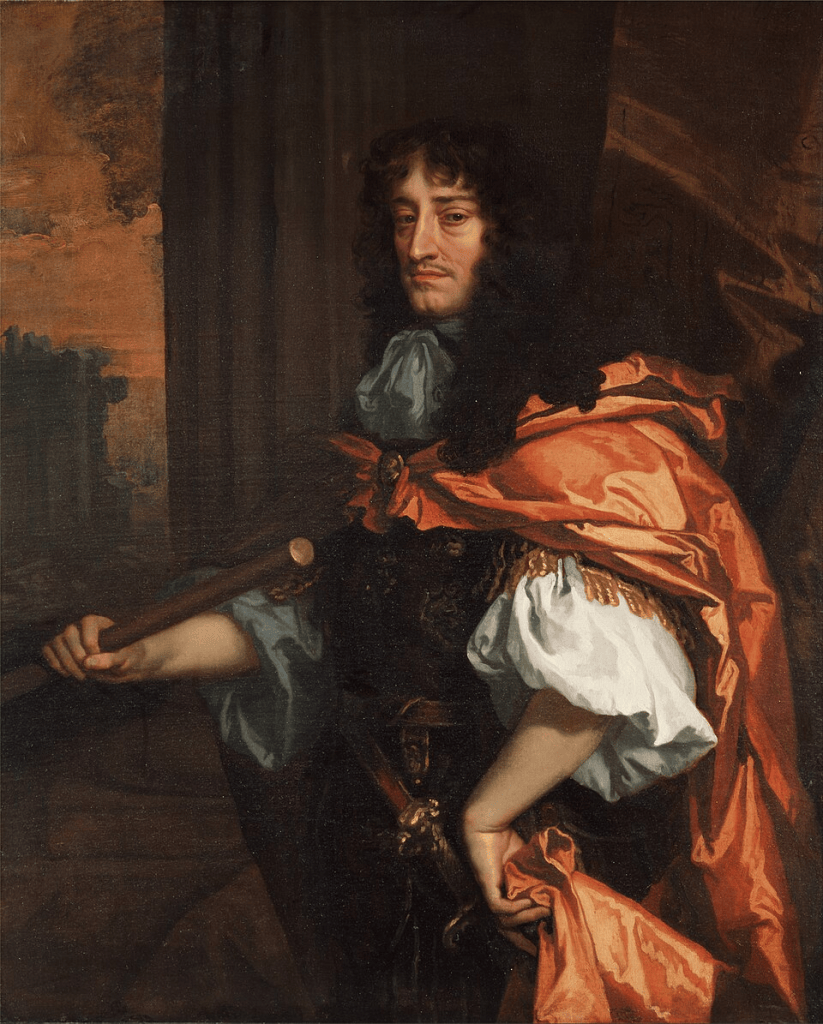
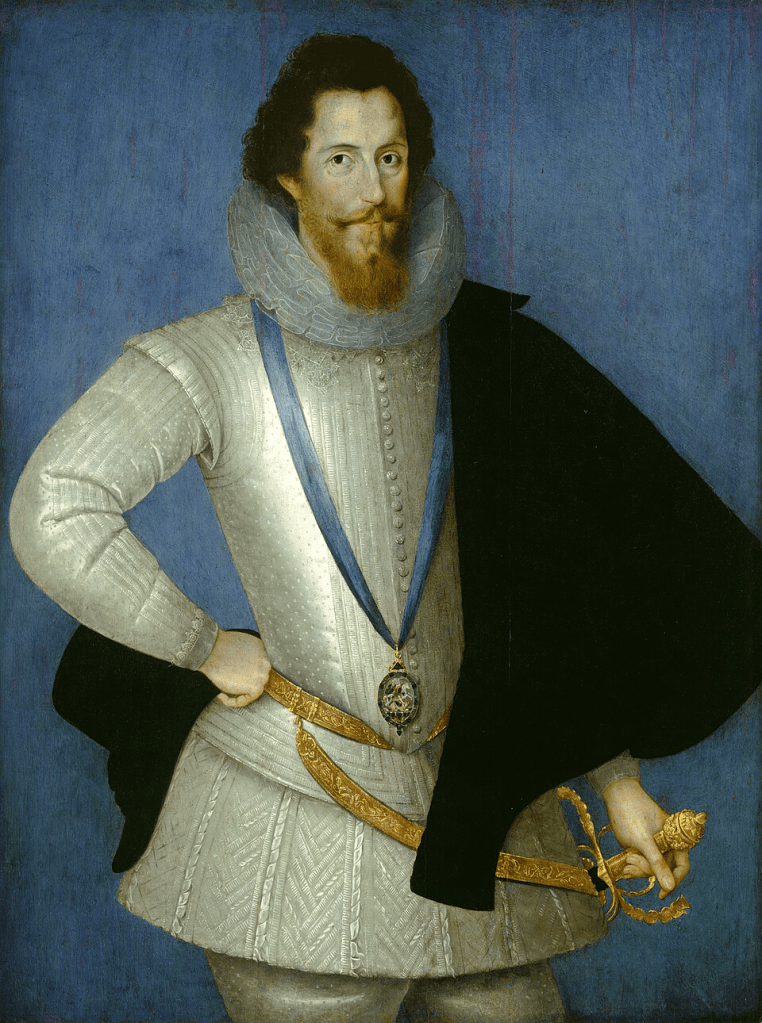
Peter Lely – Prince Rupert of the Rhine
With Royalist troops at Newbury, Essex lost any hope of progressing eastwards and on to London. While the King’s troops spent the night of September 19th in the town, occupying the billets and eating the food originally prepared for the Parliamentarians, Essex and his men were left to camp in the wet and the mud of the open country. Some men camped around Enborne and others on lower ground towards Skinner’s Green. Essex himself is believed to have spent the night at Bigg’s Cottage on the edge of Wash Common. The cottge is still there, in Enborne Street, Wash Common.
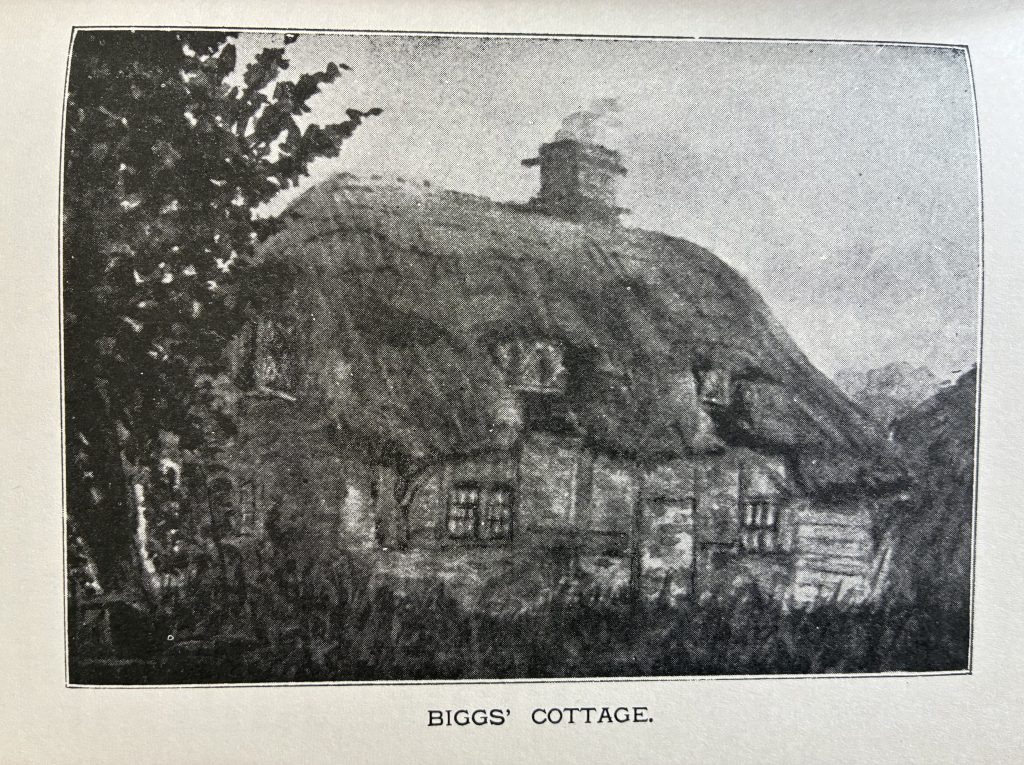
Some time during the night, Royalist troops rode up to the higher ground at Wash Common. However, they neglected to position troops on the higher ground to the north known as Round Hill. So, in the early hours of 20th September, Parliamentary troops led by Major-General Philip Skippon advanced down Skinner’s Green Lane to take up their position on Round Hill.
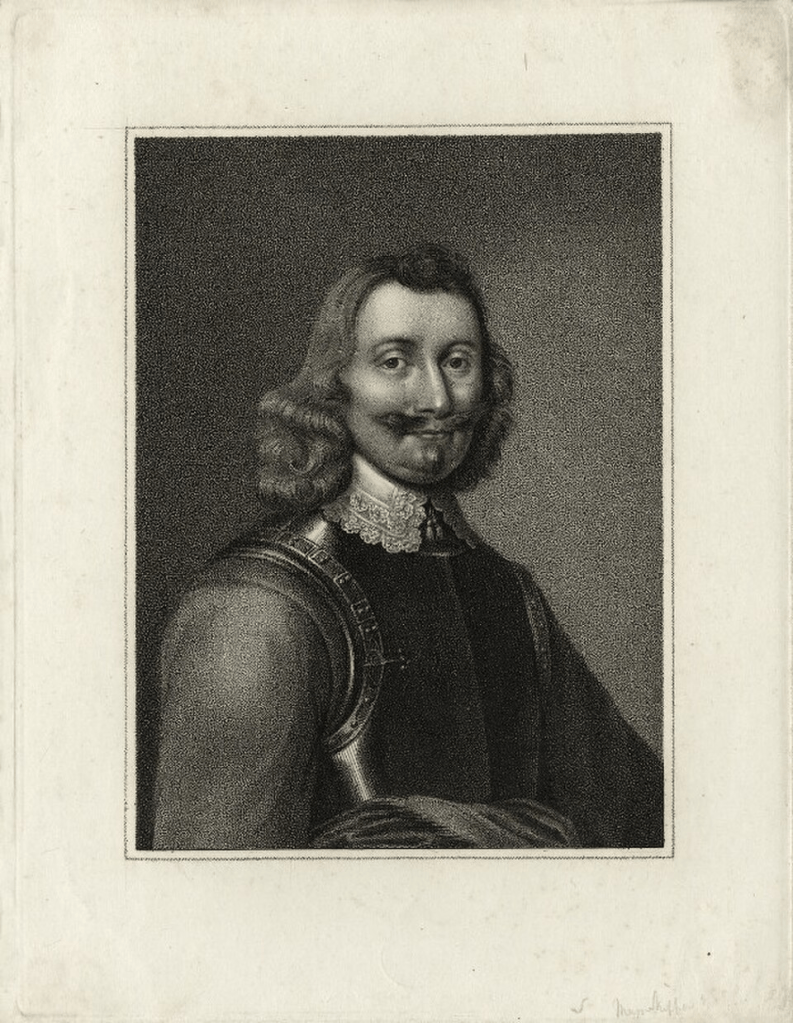
Unknown author
Public domain
It is worth mentioning the numbers of fighting men involved at this time. There were, it is believed, around 14,000 Royalist combatants and 15,000 Parliamentarians. Very few of these men were what we would consider today as professional soldiers. Although the troops on both sides were being led by men with titles or who belonged to the nobility, many were ordinary working people who had left their homes, their families and their everyday jobs far, far away. And all this was happening across the swathe of countryside we can still see from the back of St Michael’s church at Enborne.
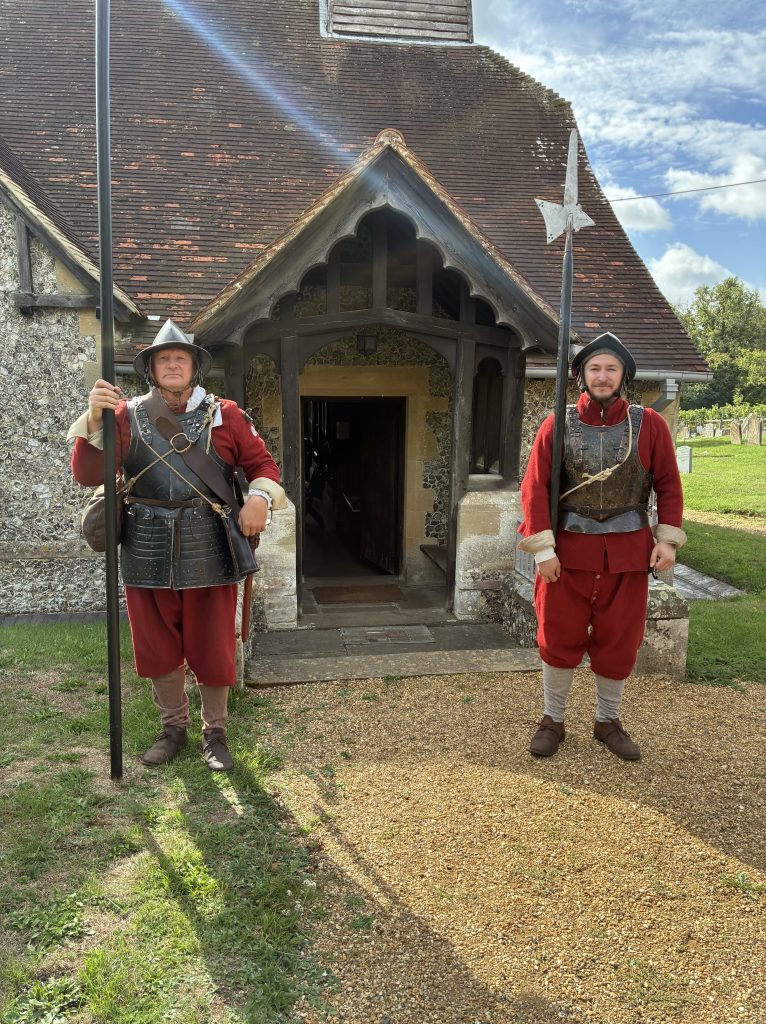
Then, as now, this countryside was crossed by a network of narrow lanes lined by the banks and hedges which delineated enclosures. Thus it was impossible for cavalry charges of the kind often depicted in later artwork, neither couold infantry units advance as they could in open country.
In the early hours of September 20th, Skippon’s men, postioned on Round Hill, opened fire on the Royalist troops. They responded with an attack to the west of Wash Common and across Dark Lane.
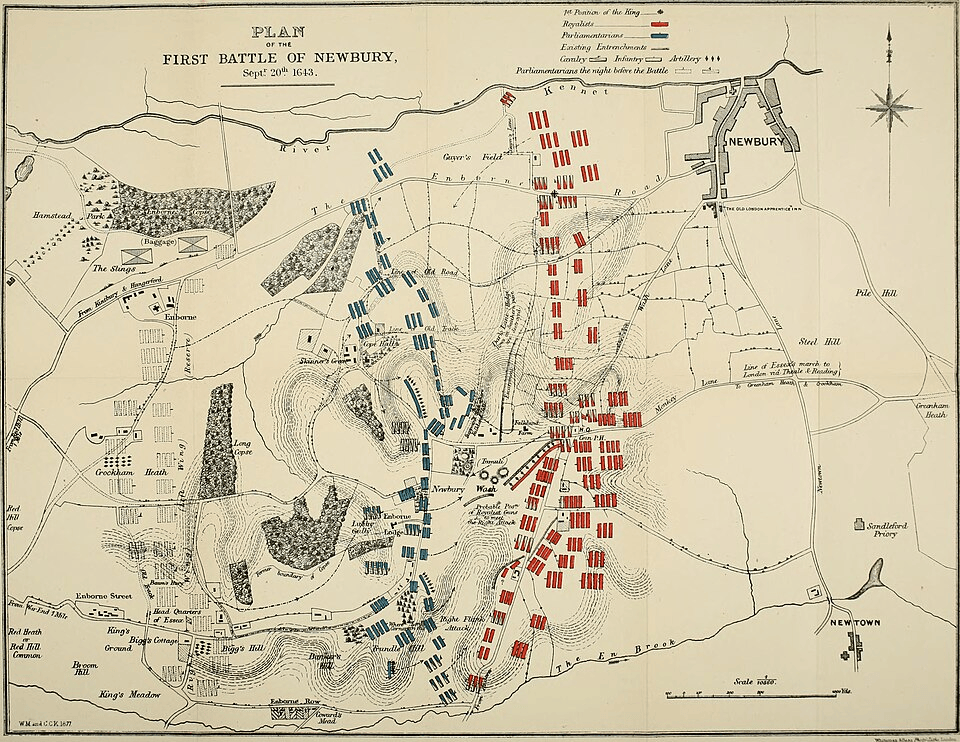
Walter Money (1877);
Public domain
Prince Rupert led his men into three charges across Wash Common whilst the Royalists’ brigade of foot attacked Round Hill. Then, their brigade of horse, led by Sir John Byron, attacked Round Hill from the north. It was during this advance that Lucius Cary, Viscount Falkland , rode through a gap in a hedge and into the enemy fire. A membert of parliament and one of King Charles’ secretaries of state, Falkland was a bright and able man whose prospects, in other times, would have shown much promise.
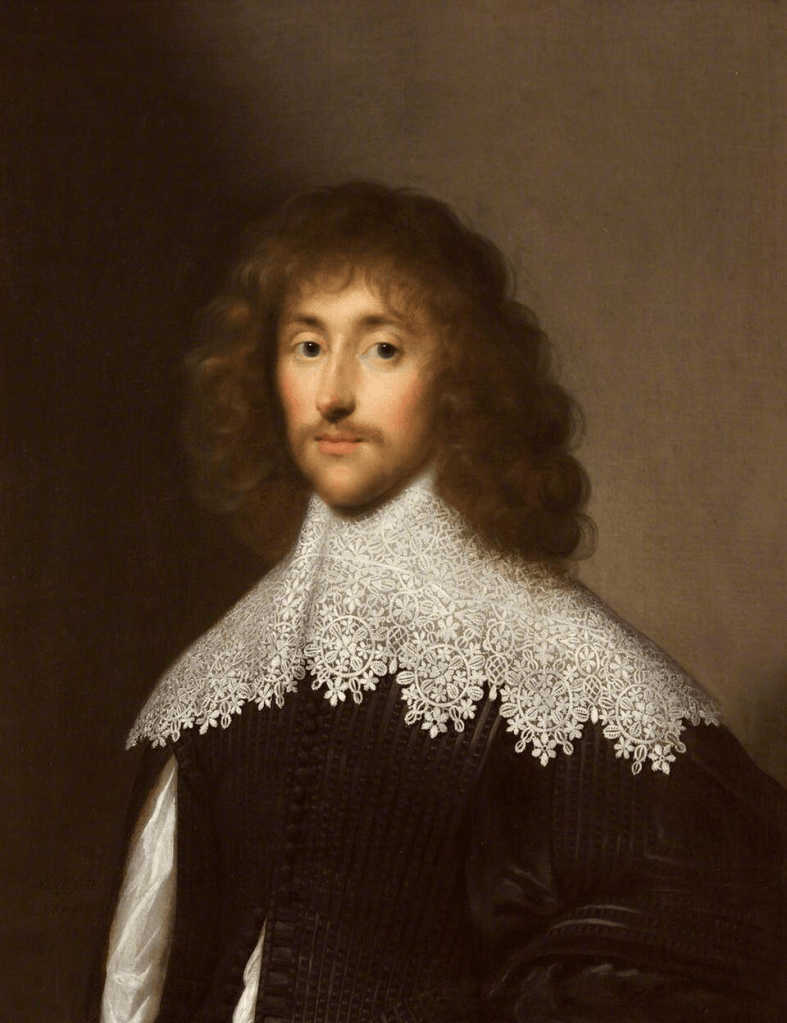
He was peace loving man who abhorred what was happening to his country, and it is believed that he rode into eneny fire deliberately to die on the battle field. He was thirty three.
The Royalist brigade of horse succeeded in pushing Skippon’s men back across Round Hill but Skippon responded by calling the advance of the London Trained Bands. These were a part-time militia from the City of London who had long been trained as a defensive force, in contrast to many of the volunteer forces. With increased fire power and the stand of the pikemen, the Parliamentarians were able to force the Royalist cavalry back.
To anyone looking south and across the valley from St Michael’s churchyard, any peace and tranquillity would have been painfully shattered. The thud of cannon fire , the blast of the muskets, the screams of both horses and men would have reached the higher ground though it would have been impossible, at that distance to know who was winning.
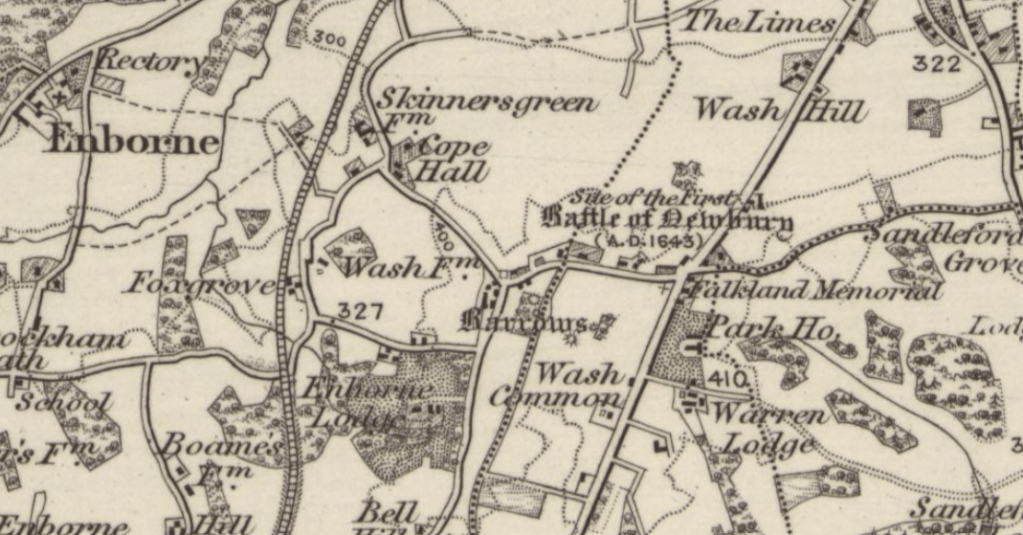
The fighting continued until nightfall after which the Royalist forces had to consider what to do next. But supplies of gun powder and musket shot were low so it was decided not to resume fighting at this time. Essex and his men were able to continue their march towards London.
The battle left hundreds of men from both sides dead. It has been estimated that fatalities reached 3,500 with greater losses being on the Royalist side.
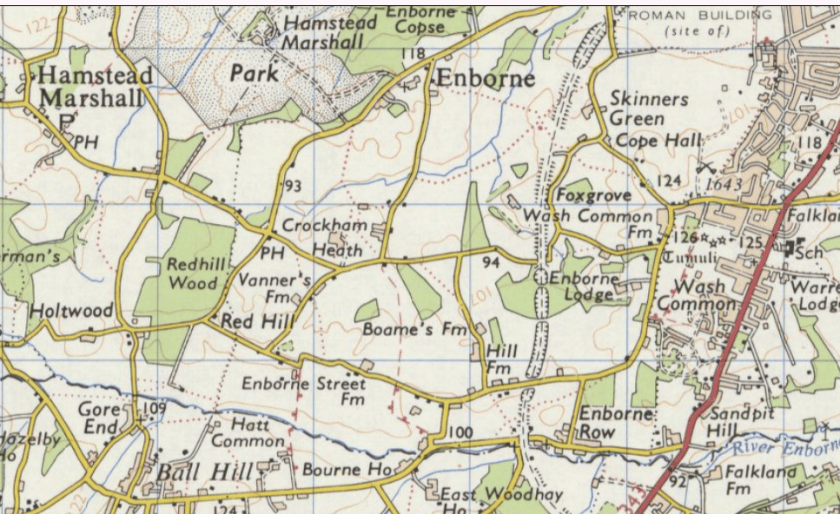
A network of narrow lanes still winds across the land between Enborne and Wash Common just as it did in 1743. To this day it is easy to take a wrong turning if you are not very familiar with the lay of the land. The extent of the slaughter on that day in September is difficult to visualise and it must have taken weeks if not months to recover the bodies, many of who would have remained unidentified.
No one knows where the majority of the men were buried although it is believed that some lie in Enborne church yard. The mounds on Wash Common were long believed to be Civil War graves but these are in fact Neolithic or Bronze Age burial mounds. An example of how local myths or legends occur. Similarly, the village of Gore End, to the south west of Wash Common, was thought to have been named as the place where the blood from the battle stopped running. Another example of a rural myth.
However, today many of the roads on Wash Common are named in memory of the battle, including Essex Street, Charles Street and Battery End. The Falkland Memorial, a granite obelisque errected in 1878 to commemorate Lucius Cary as well as nameless others killed in the battle, has given rise, over the years, to the name Falkland being applied to a local parliamentary ward, a primary school, a dental practice and a vets amongst other businesses.
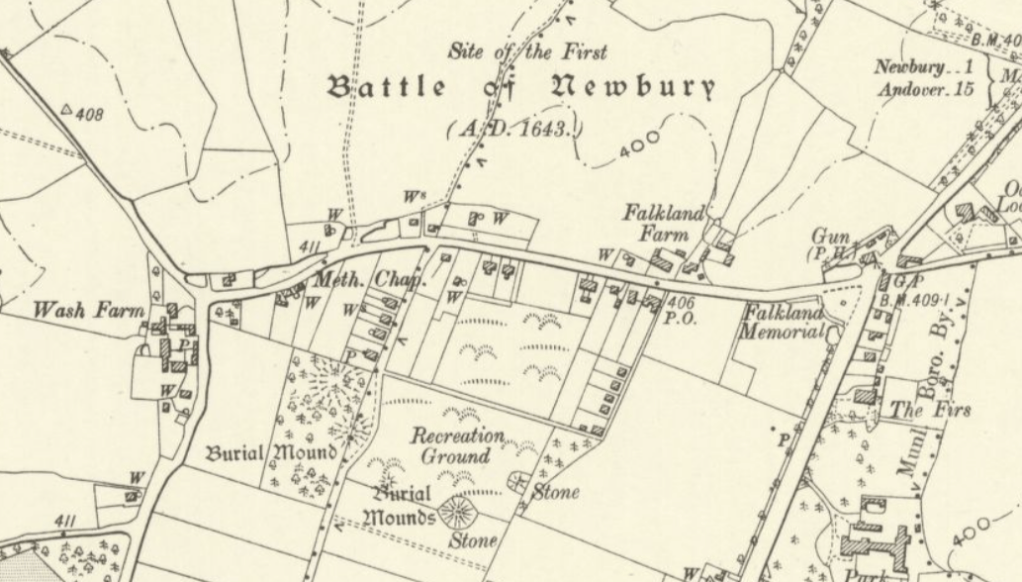
Newbury was once again the scene of a battle, in October 1644, but this time the focus of the fighting was around Donnington Castle. For the most part, Enborne and the surrounding villages saw much less of the military action. Until, that is, three hundred years later, when Enborne and Hamstead Park were to host the military again – this time from the USA.
(C) Theresa A. Lock October 2026
Sources:
britishbattles.com/english-civil-war/first-battle-of-newbury/
The First & Second Battles of Newbury: Walter Money
A History of Newbury: Walter Money
First Newbury, 1643 : Graham Turner
National Library of Scotland O.S. maps

